
 EN
EN
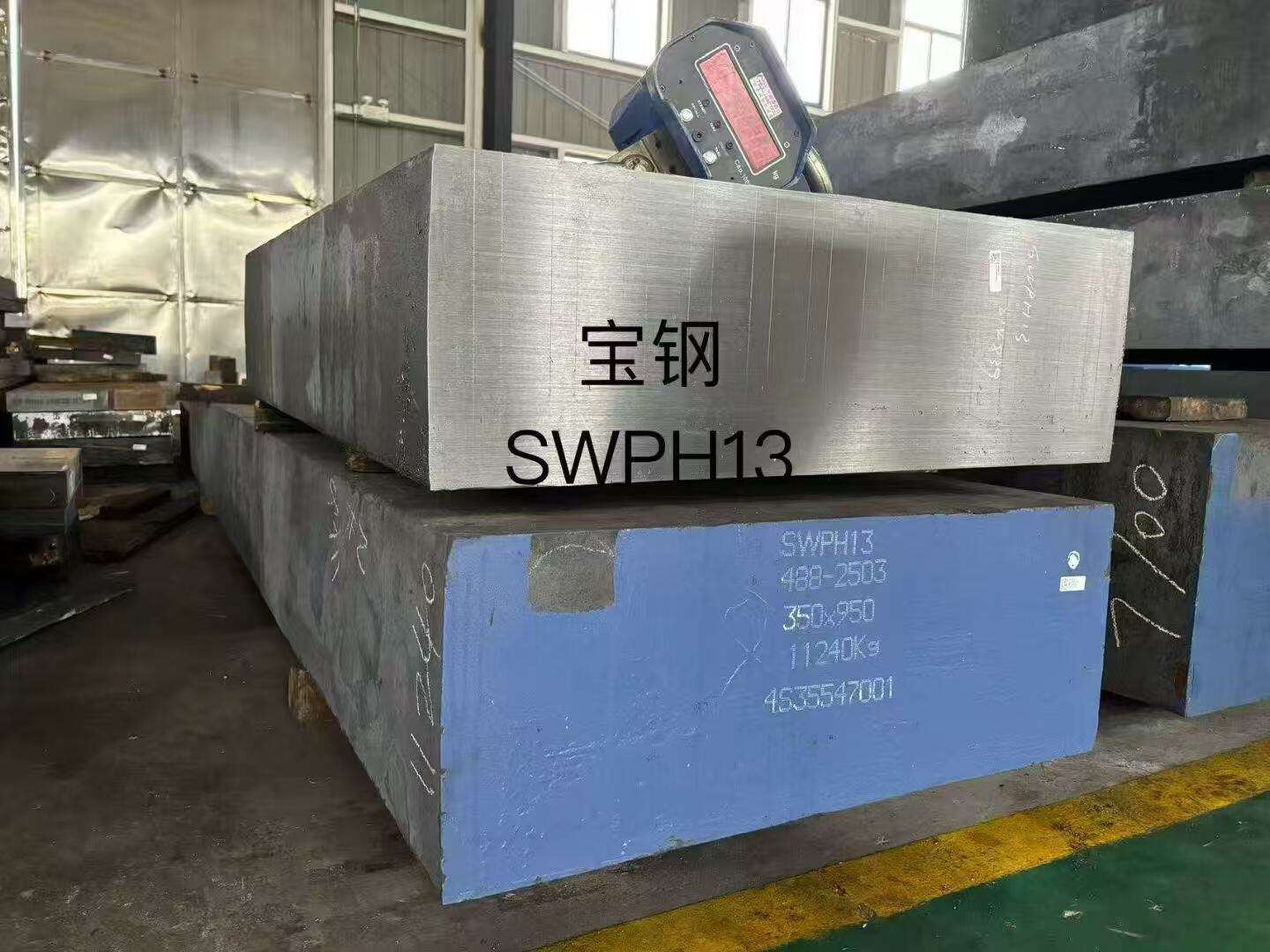
Industrial operations in power generation, petrochemical processing, aerospace propulsion, and advanced manufacturing demand materials capable of withstanding extreme thermal conditions that would cause conventional metals to fail catastrophically. High temperature alloys represent a specialized class of engineered materials designed to maintain structural integrity, mechanical strength, and chemical stability when exposed to temperatures exceeding 540°C (1000°F) for extended periods. These metallurgical solutions address critical challenges including creep deformation, oxidation resistance, thermal fatigue, and dimensional stability under conditions where traditional carbon steels and lower-grade alloys rapidly deteriorate. Understanding the mechanisms through which high temperature alloys deliver consistent performance in harsh thermal environments provides essential insight for engineers selecting materials for critical applications where failure carries severe safety, economic, and operational consequences.
The stability mechanisms embedded within high temperature alloys stem from deliberate alloying strategies, controlled microstructural development, and thermodynamic optimization that collectively enable these materials to resist multiple degradation pathways simultaneously. Unlike standard structural metals that rely primarily on solid solution strengthening, these advanced materials employ sophisticated combinations of precipitation hardening, grain boundary reinforcement, oxide layer formation, and phase stability engineering to maintain load-bearing capacity and corrosion resistance across temperature ranges where competing failure mechanisms accelerate exponentially. This comprehensive approach to thermal stability explains why high temperature alloys have become indispensable in applications ranging from gas turbine components and steam generation systems to chemical reactor vessels and nuclear power infrastructure where operational reliability directly determines system safety and economic viability.
Metallurgical Foundation of Thermal Stability in High Temperature Alloys
Alloying Element Selection and Synergistic Effects
The exceptional stability of high temperature alloys originates from strategic combinations of alloying elements that work synergistically to enhance multiple performance characteristics simultaneously. Nickel-based superalloys typically incorporate chromium for oxidation resistance, molybdenum and tungsten for solid solution strengthening, aluminum and titanium for precipitation hardening through gamma-prime phase formation, and smaller additions of tantalum, niobium, and cobalt to optimize microstructural stability. Each element contributes specific benefits: chromium forms protective chromia scales that prevent further oxidation, refractory elements like tungsten slow diffusion rates that would otherwise enable creep deformation, and reactive elements such as aluminum create coherent precipitates that impede dislocation movement at elevated temperatures. This multi-element approach creates metallurgical systems where individual alloying contributions complement rather than compromise one another, establishing thermal stability through redundant protective mechanisms that maintain effectiveness even when primary strengthening pathways begin to degrade under extreme conditions.
The compositional balance within high temperature alloys requires precise control because excessive additions of beneficial elements can trigger formation of detrimental phases that reduce ductility or promote brittle fracture. Modern alloy design employs thermodynamic modeling software to predict phase stability across temperature ranges, ensuring that strengthening precipitates remain stable while avoiding formation of topologically close-packed phases or carbide networks that create crack initiation sites. For iron-based high temperature alloys such as austenitic stainless steels and precipitation-hardened grades, chromium content typically ranges from 15% to 26% to ensure continuous protective oxide formation, while nickel additions between 8% and 35% stabilize the austenitic matrix and enhance creep resistance. The synergistic interaction between these base elements and minor additions of nitrogen, carbon, and rare earth metals creates alloy systems capable of maintaining mechanical properties at temperatures approaching 50% to 60% of their absolute melting points, far exceeding the thermal capability of conventional engineering alloys.
Microstructural Engineering for Elevated Temperature Performance
Controlled microstructural development during manufacturing represents a critical factor determining how effectively high temperature alloys maintain stability under thermal stress. Grain size, precipitate distribution, carbide morphology, and phase coherency all influence resistance to time-dependent deformation mechanisms that dominate material behavior at elevated temperatures. Fine-grained microstructures generally provide superior strength at lower service temperatures, but at temperatures above approximately 0.4 times the melting point, coarser grain structures often deliver better creep resistance by reducing grain boundary area where diffusion-controlled deformation occurs most readily. Advanced manufacturing processes including controlled forging, directional solidification, and single-crystal casting techniques enable precise microstructural optimization tailored to specific thermal exposure profiles, with each approach offering distinct advantages for particular application requirements.
Precipitation strengthening through controlled formation of secondary phases provides the primary mechanism through which many high temperature alloys achieve superior thermal stability. In nickel-based superalloys, the ordered gamma-prime (Ni3Al) phase forms coherent precipitates within the disordered gamma matrix, creating obstacles to dislocation motion that remain effective at temperatures exceeding 800°C. The coherency between matrix and precipitate phases minimizes interfacial energy and prevents coarsening that would otherwise reduce strengthening effectiveness during prolonged thermal exposure. Similarly, precipitation-hardened stainless steels develop copper-rich or intermetallic phases that provide age-hardening responses stable to temperatures around 500°C to 600°C. The thermal stability of these precipitate structures depends on careful control of solution treatment and aging parameters during heat treatment, with optimal precipitation size, spacing, and volume fraction varying according to anticipated service temperature and stress conditions. This microstructural precision explains why high temperature alloys undergo rigorous heat treatment protocols and quality verification procedures before entering service in critical applications.
Mechanisms Resisting Thermal Degradation Processes
Oxidation and Corrosion Resistance at Elevated Temperatures
High temperature alloys maintain stability in extreme thermal environments primarily through formation of protective oxide layers that shield underlying metal from continued oxidation attack. Chromium serves as the most important alloying element for oxidation resistance, forming continuous chromia (Cr2O3) scales at temperatures above 800°C that grow slowly through solid-state diffusion mechanisms and provide excellent adhesion to the substrate metal. The protective effectiveness of chromia scales depends on maintaining minimum chromium concentrations typically between 12% and 20% in the base alloy, with higher concentrations required as service temperature increases or when exposure includes cyclic thermal conditions that generate mechanical stress within oxide layers. Aluminum additions enhance oxidation resistance at the highest temperatures by forming alumina (Al2O3) scales that offer superior thermodynamic stability and slower growth kinetics than chromia, though achieving continuous alumina formation typically requires aluminum concentrations that may compromise other mechanical properties.
Beyond simple oxidation, high temperature alloys must resist complex corrosion mechanisms including sulfidation, carburization, and hot corrosion attack that occur in industrial process environments containing reactive gas mixtures. Sulfur-bearing atmospheres promote formation of metal sulfides that disrupt protective oxide scales and accelerate material degradation, requiring alloy compositions with enhanced chromium levels and additions of reactive elements like yttrium or lanthanum that improve scale adhesion. Carburizing environments introduce carbon into the alloy surface, potentially forming carbide networks that reduce ductility and create paths for crack propagation. High temperature alloys designed for petrochemical applications incorporate silicon additions that form silica-rich layers blocking carbon ingress, while maintaining nickel-rich base compositions that resist carbide formation. The multi-layered protection strategy employed by advanced high temperature alloys ensures continued stability even when individual defensive mechanisms begin to degrade, providing reliable performance throughout extended service intervals in chemically aggressive thermal environments.
Creep Resistance and Time-Dependent Deformation Control
Creep deformation represents the dominant failure mechanism for high temperature alloys operating under sustained loading at elevated temperatures, making creep resistance the primary design criterion for components in power generation, aerospace, and process industries. Creep occurs through time-dependent plastic deformation driven by dislocation climb, grain boundary sliding, and diffusion-controlled mass transport that become increasingly active as temperature rises above approximately 40% of the absolute melting point. High temperature alloys combat creep through multiple microstructural barriers including solid solution strengthening from large-atomic-radius elements like tungsten and molybdenum, precipitation hardening from coherent second phases that impede dislocation movement, and grain boundary pinning through carbide precipitation that restricts sliding between crystallites. The effectiveness of these mechanisms varies with temperature and stress conditions, requiring alloy selection and microstructural optimization tailored to specific operating parameters.
Advanced high temperature alloys employ sophisticated microstructural architectures specifically engineered to minimize creep rates under service conditions. Directionally solidified and single-crystal superalloys eliminate transverse grain boundaries that serve as preferred paths for creep deformation, enabling turbine blade designs operating at metal temperatures exceeding 1100°C in modern gas turbines. Oxide dispersion strengthened alloys incorporate nanoscale ceramic particles that remain stable at extreme temperatures and block dislocation motion through Orowan strengthening mechanisms, providing creep resistance superior to conventional precipitation-hardened materials. For iron-based high temperature alloys including advanced martensitic steels and austenitic stainless grades, careful control of carbon and nitrogen content enables formation of fine carbonitride precipitates that resist coarsening during service and maintain strengthening effectiveness throughout component design life. These metallurgical strategies explain how properly selected and processed high temperature alloys achieve creep rupture lives measured in hundreds of thousands of hours even under combined thermal and mechanical loading that would cause rapid failure in conventional structural materials.
Phase Stability and Microstructural Evolution During Service
Thermodynamic Stability Across Operating Temperature Ranges
The long-term stability of high temperature alloys depends critically on maintaining desired phase compositions and microstructural features throughout extended thermal exposure. Unlike lower-temperature applications where microstructures remain essentially frozen after final heat treatment, elevated service temperatures activate diffusion processes that enable gradual microstructural evolution potentially degrading mechanical properties over time. High temperature alloys achieve extended service life through careful thermodynamic design ensuring that strengthening phases remain stable within anticipated operating temperature ranges and that formation of deleterious phases occurs at rates slow enough to maintain acceptable properties throughout design life. Advanced computational thermodynamics using CALPHAD-based modeling tools enables alloy developers to predict phase equilibria and transformation kinetics, optimizing compositions to maximize time until critical microstructural degradation occurs.
Phase stability considerations vary significantly among different high temperature alloy families. Nickel-based superalloys must maintain gamma-prime precipitate volume fraction and avoid formation of topologically close-packed phases like sigma or mu that consume strengthening elements and introduce brittle regions. Austenitic stainless steels require careful balance of chromium and nickel to prevent transformation to ferrite or formation of chi and sigma phases during service at temperatures between 600°C and 900°C. Ferritic and martensitic high temperature alloys face challenges maintaining tempered martensitic microstructures against recovery and recrystallization processes while avoiding excessive carbide coarsening that reduces creep strength. Modern high temperature alloys incorporate alloy modifications and minor element additions specifically targeting improved phase stability: boron additions segregate to grain boundaries preventing premature melting, hafnium and zirconium additions improve precipitate thermal stability, and controlled carbon-to-nitrogen ratios optimize carbonitride formation while avoiding continuous carbide networks. These compositional refinements ensure that high temperature alloys maintain microstructural integrity and mechanical performance throughout service intervals often exceeding 100,000 operating hours.
Precipitate Coarsening Kinetics and Long-Term Strengthening Retention
Strengthening precipitates within high temperature alloys undergo gradual coarsening during elevated temperature exposure as thermodynamic driving forces promote growth of larger particles at the expense of smaller ones through diffusion-controlled mass transfer. This Ostwald ripening process reduces the number density of precipitates while increasing average particle size, eventually degrading strengthening effectiveness as spacing between obstacles to dislocation motion increases. The rate of precipitate coarsening follows temperature-dependent kinetics described by the Lifshitz-Slyozov-Wagner theory, with coarsening rates accelerating exponentially as temperature increases. High temperature alloys achieve extended service capability through alloy designs that slow coarsening kinetics by reducing precipitate-matrix interfacial energy, selecting alloying elements with low diffusion coefficients, and maintaining precipitate compositions with minimal solubility in the surrounding matrix phase.
Different precipitate systems exhibit varying resistance to thermal coarsening, influencing alloy selection for specific temperature ranges. The gamma-prime phase in nickel-based superalloys demonstrates exceptional coarsening resistance due to low interfacial energy with the gamma matrix and slow diffusion of aluminum through the nickel-rich structure, maintaining effective particle sizes even after thousands of hours at temperatures exceeding 900°C. Carbide and carbonitride precipitates in ferritic and austenitic high temperature alloys show greater susceptibility to coarsening, requiring careful control of precipitation-forming elements and sometimes employing multiple carbide species with different coarsening rates to extend useful strengthening duration. Advanced high temperature alloys increasingly incorporate oxide dispersoids including yttria and alumina nanoparticles that resist coarsening through their ceramic nature and extremely low solubility in metallic matrices, maintaining nanoscale dimensions and high number densities even during extreme thermal exposure. Understanding precipitate coarsening behavior enables accurate prediction of long-term mechanical property evolution and establishes metallurgical limits for maximum sustainable operating temperatures in critical applications.
Application-Specific Stability Requirements and Alloy Selection
Power Generation and Steam Cycle Applications
High temperature alloys serving in power generation equipment must maintain stability under combined thermal, mechanical, and environmental loading for service intervals often exceeding 200,000 hours. Steam turbine components including rotors, casings, and high-pressure piping operate at temperatures ranging from 540°C in conventional plants to above 620°C in advanced ultra-supercritical units, requiring alloy systems that resist creep deformation while maintaining adequate ductility and fracture toughness throughout extended service. Ferritic martensitic steels such as Grade 91 (9Cr-1Mo-V) and advanced grades including E911 and Grade 92 provide cost-effective solutions for moderate temperature applications through precipitation strengthening from fine vanadium and niobium carbonitrides combined with solid solution strengthening from chromium and molybdenum. These materials achieve design stresses around 100 MPa at 600°C with 100,000-hour rupture capability, offering significant improvements over earlier carbon-molybdenum steels.
For the most demanding power generation applications including advanced turbine blades and ultra-supercritical boiler components, nickel-based superalloys and austenitic stainless steels deliver superior thermal stability at temperatures where ferritic materials lose strength. Austenitic grades such as 347H (18Cr-10Ni-Nb) and Super 304H employ solid solution strengthening combined with fine copper and niobium-carbonitride precipitation to maintain creep strength at temperatures approaching 650°C. Nickel-based alloys including Inconel 617 and Haynes 230 extend operational capability beyond 700°C through gamma-prime precipitation and carbide strengthening, enabling next-generation power cycles targeting improved thermal efficiency. The selection among these high temperature alloy options depends on detailed analysis of temperature profiles, stress distributions, environmental conditions, and economic considerations, with material costs increasing substantially as temperature capability rises. Modern power plant designs employ graded material approaches using different high temperature alloys optimized for specific temperature zones, balancing performance requirements against total system costs while ensuring reliable operation throughout design service life.
Chemical Processing and Petrochemical Industry Requirements
Chemical and petrochemical processing environments demand high temperature alloys capable of resisting simultaneous thermal, mechanical, and corrosive attack from process fluids containing acids, chlorides, sulfur compounds, and other reactive species. Reactor vessels, heat exchanger tubes, and catalytic reformer components operate at temperatures between 450°C and 950°C depending on specific processes, requiring materials that maintain structural integrity while preventing corrosion-induced failures that could trigger hazardous releases or process shutdowns. High temperature alloys for these applications must balance oxidation resistance, carburization resistance, sulfidation resistance, and adequate mechanical strength, often requiring specialized compositions beyond those developed primarily for power generation or aerospace applications.
Austenitic stainless steels including grades 304H, 316H, and 321H provide baseline corrosion resistance for many moderate-temperature chemical applications, with stabilizing elements like titanium and niobium preventing sensitization and intergranular corrosion during welding and thermal cycling. More aggressive environments require higher-alloyed materials such as alloy 800H (32Ni-21Cr-Fe) and alloy 600 (72Ni-16Cr-8Fe) offering superior resistance to carburization, oxidation, and stress-corrosion cracking in high-temperature process streams. Specialized high temperature alloys like alloy 625 and alloy C-276 provide exceptional resistance to chloride-induced pitting and crevice corrosion in oxidizing acid environments, maintaining protective surface films even under thermal cycling conditions. The demanding combination of properties required for chemical processing applications drives continued development of advanced high temperature alloys incorporating optimized chromium-nickel ratios, molybdenum and tungsten additions for enhanced corrosion resistance, and microstructural refinements targeting improved weldability and fabricability. Proper alloy selection for chemical industry applications requires comprehensive evaluation of process chemistry, temperature excursions, thermal cycling frequency, and mechanical loading conditions to ensure selected materials maintain adequate corrosion allowances throughout anticipated service intervals while meeting safety and reliability standards.
Manufacturing and Quality Assurance for Thermal Stability
Processing Controls Establishing Microstructural Integrity
The thermal stability demonstrated by high temperature alloys in service depends fundamentally on manufacturing processes that establish desired microstructures and eliminate defects that could serve as premature failure initiation sites. Melting practices including vacuum induction melting and electroslag remelting reduce tramp element contamination and gas content, preventing formation of non-metallic inclusions and oxide stringers that compromise mechanical properties and corrosion resistance. Hot working operations must be carefully controlled within specific temperature ranges that enable grain refinement and carbide spheroidization without triggering incipient melting or excessive grain growth. Solution treatment temperatures, cooling rates, and aging parameters require precise control to develop optimal precipitate distributions, with deviations of even 10°C to 20°C potentially causing significant property variations in highly-alloyed materials.
Advanced manufacturing techniques increasingly employed for critical high temperature alloy components include hot isostatic pressing to eliminate casting porosity, powder metallurgy processing enabling fine-scale microstructural control, and additive manufacturing allowing complex geometries impossible through conventional methods. Each processing route introduces specific considerations affecting final material stability: powder-based processes require careful control of powder characteristics and consolidation parameters to prevent residual porosity, additive manufacturing demands optimization of thermal cycles to minimize residual stress and prevent crack formation, and casting processes necessitate control of solidification rates and directional heat extraction to achieve desired grain structures. Regardless of manufacturing approach, high temperature alloys destined for critical applications undergo rigorous inspection including ultrasonic testing, radiographic examination, and metallographic verification ensuring microstructural conformance to specifications before components enter service where material stability directly determines operational safety and reliability.
Testing and Qualification Procedures Validating Performance
Confirming that high temperature alloys will maintain stability throughout anticipated service requires comprehensive testing programs evaluating mechanical properties, corrosion resistance, and microstructural stability under conditions simulating operational environments. Creep-rupture testing conducted at relevant temperatures and stress levels provides critical data on time-dependent deformation behavior, with test durations often extending to 10,000 hours or more to establish reliable property predictions for components designed for 100,000-hour service lives. Thermal cycling tests evaluate resistance to fatigue crack initiation and propagation under conditions mimicking start-stop operations, while stress-relaxation testing characterizes behavior in bolted joints and other applications where maintaining clamping force proves critical.
Environmental testing programs expose high temperature alloys to simulated process atmospheres including oxidizing, carburizing, and sulfidizing conditions to validate corrosion resistance and measure metal loss rates under accelerated conditions. These tests often employ specialized equipment including controlled-atmosphere furnaces, molten salt baths, and flowing gas reactors that replicate specific industrial environments. Microstructural stability assessment through long-term aging studies tracks precipitate evolution, phase transformations, and grain boundary changes occurring during thermal exposure, enabling prediction of property degradation rates and establishment of safe operating temperature limits. Modern qualification programs increasingly incorporate computational modeling validated against experimental data, enabling virtual testing of material behavior under conditions difficult to replicate experimentally and accelerating development of improved high temperature alloy compositions and processing methods. This multi-faceted approach to testing and qualification ensures that high temperature alloys entering critical service possess documented capability to maintain required stability throughout design life under actual operating conditions.
FAQ
What temperature range defines high temperature alloy applications?
High temperature alloys typically serve applications involving sustained exposure to temperatures exceeding 540°C (1000°F), though specific temperature capabilities vary among alloy families. Ferritic martensitic steels function effectively up to approximately 620°C, austenitic stainless steels extend capability to around 700°C, and nickel-based superalloys maintain properties at temperatures exceeding 1100°C in advanced applications. The defining characteristic involves operating temperatures above roughly 40% of the absolute melting point where time-dependent deformation mechanisms become significant and oxidation rates accelerate, requiring specialized metallurgical designs beyond those sufficient for ambient or moderately elevated temperature service.
How do high temperature alloys differ from conventional structural steels?
High temperature alloys incorporate significantly higher concentrations of alloying elements including chromium, nickel, molybdenum, and tungsten compared to conventional structural steels, specifically designed to provide oxidation resistance, creep strength, and phase stability at elevated temperatures. While structural steels rely primarily on carbon content and grain refinement for strengthening, high temperature alloys employ precipitation hardening, solid solution strengthening, and protective oxide formation as primary mechanisms maintaining properties under thermal exposure. Manufacturing processes for high temperature alloys involve more stringent controls on composition, heat treatment, and microstructural development, reflecting the critical nature of applications where these materials serve and the severe consequences of premature failure in high-temperature service environments.
What factors limit the maximum operating temperature for high temperature alloys?
Maximum operating temperatures for high temperature alloys are constrained by accelerating creep deformation rates, precipitate coarsening and dissolution, protective oxide scale breakdown, and phase instability as temperature approaches the alloy melting point. Mechanical strength decreases exponentially with increasing temperature as thermal activation enables dislocation climb and grain boundary sliding, while oxidation and corrosion rates accelerate following Arrhenius relationships. Additionally, many strengthening precipitates dissolve into the matrix phase above specific solvus temperatures, eliminating hardening contributions. Practical temperature limits also consider economic factors including alloy cost escalation for materials with extreme temperature capability and the availability of alternative engineering solutions such as thermal barrier coatings or active cooling systems that may provide more cost-effective approaches than further increases in base alloy temperature capability.
Can high temperature alloys be welded while maintaining thermal stability?
Many high temperature alloys can be successfully welded using appropriate procedures and filler materials, though welding introduces metallurgical challenges including heat-affected zone property degradation, solidification cracking susceptibility, and residual stress formation. Austenitic stainless steels and nickel-based alloys generally exhibit good weldability when proper preheat, interpass temperature control, and post-weld heat treatment procedures are followed. Ferritic martensitic grades require careful control of cooling rates and typically necessitate post-weld heat treatment to restore desired microstructures and mechanical properties. Some highly-alloyed materials prone to hot cracking may require specialized welding processes including electron beam or laser welding with controlled heat input, or may mandate alternative joining methods such as brazing or diffusion bonding. Weldment qualification for critical high temperature applications requires mechanical testing and metallographic examination confirming that welded joints maintain adequate strength, ductility, and creep resistance throughout anticipated service conditions.
Table of Contents
- Metallurgical Foundation of Thermal Stability in High Temperature Alloys
- Mechanisms Resisting Thermal Degradation Processes
- Phase Stability and Microstructural Evolution During Service
- Application-Specific Stability Requirements and Alloy Selection
- Manufacturing and Quality Assurance for Thermal Stability
- FAQ