
 EN
EN
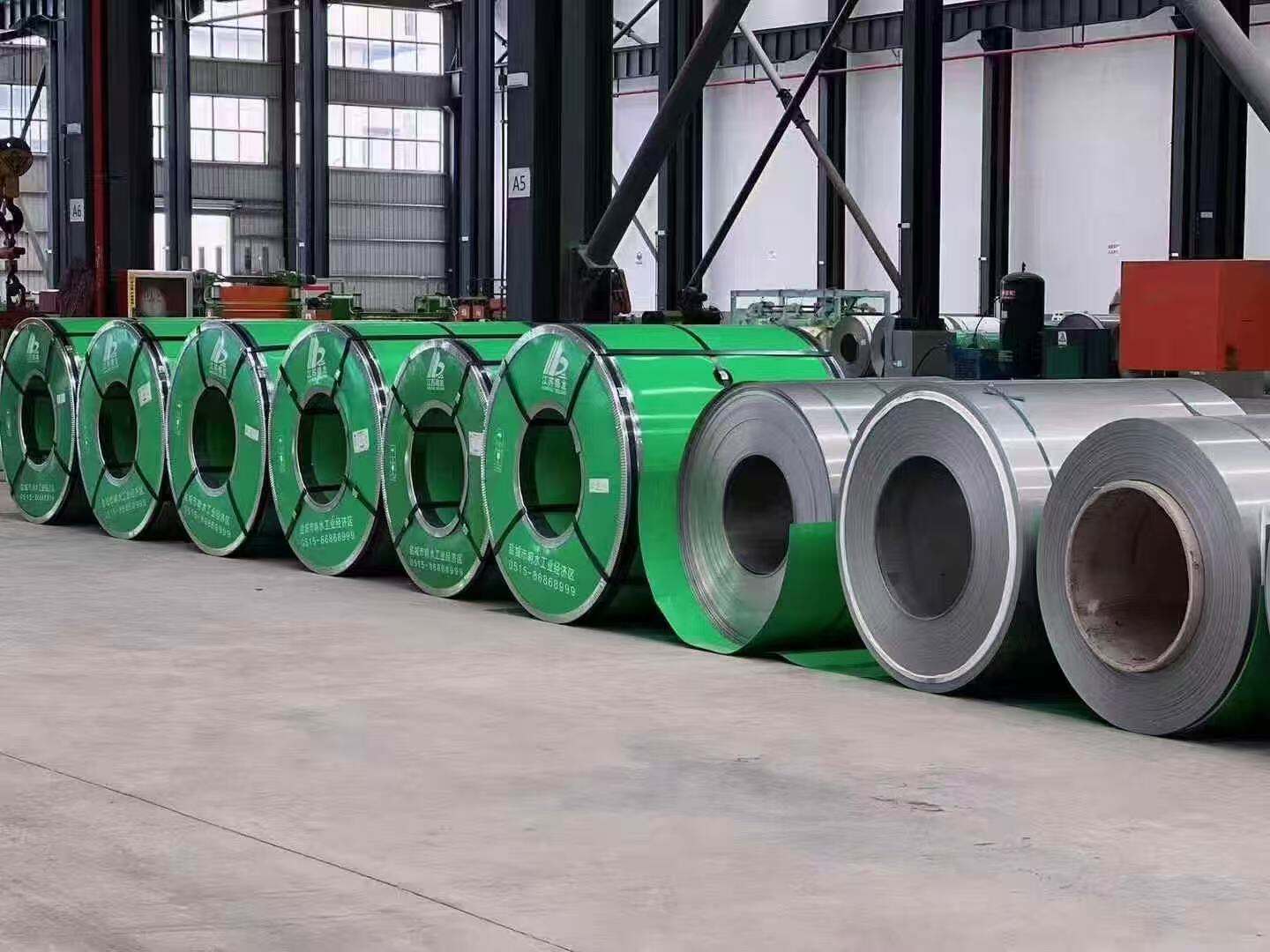
High-pressure oil pipelines operate under some of the most demanding conditions in the energy sector, where even minor structural failures can result in catastrophic consequences including environmental disasters, economic losses, and threats to human safety. The choice of pipeline material directly determines the integrity and reliability of these critical infrastructure systems. Among various pipe manufacturing technologies, seamless steel pipes have emerged as the preferred solution for high-pressure applications due to their superior structural characteristics and proven performance record in extreme operational environments.
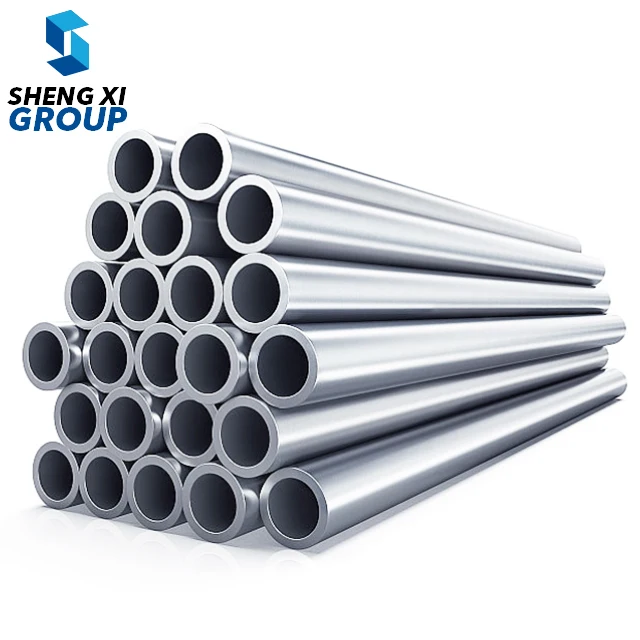
The fundamental advantage of seamless steel pipes lies in their manufacturing process, which eliminates the longitudinal weld seam present in welded pipes. This absence of welded joints translates directly into enhanced safety through uniform stress distribution, elimination of weak points, and superior resistance to internal pressure fluctuations that characterize oil transportation systems. Understanding how seamless steel pipes contribute to pipeline safety requires examining their structural properties, failure prevention mechanisms, and performance advantages under high-pressure operating conditions that define modern oil transmission infrastructure.
Structural Integrity and Pressure Containment Advantages
Elimination of Longitudinal Weld Weakness
The primary safety enhancement that seamless steel pipes provide stems from their manufacturing method, which produces pipes without any longitudinal weld seam. Traditional welded pipes contain a heat-affected zone along the weld line where material properties differ from the base metal, creating a potential failure point under cyclic pressure loading. In high-pressure oil pipelines where internal pressures can exceed 1,500 psi and reach up to 2,500 psi in certain applications, the weld seam represents the weakest structural element susceptible to stress concentration and progressive degradation over time.
Seamless steel pipes manufactured through hot extrusion or piercing processes exhibit homogeneous material properties throughout their entire circumference. This uniform microstructure ensures that stress distribution remains consistent across the pipe wall when subjected to internal pressure, eliminating the preferential failure pathway that exists in welded alternatives. Field data from pipeline operators consistently demonstrates that weld-related failures account for a significant percentage of pipeline incidents, a risk factor completely removed when using seamless steel pipes in critical high-pressure segments.
The structural continuity of seamless steel pipes becomes particularly critical in applications involving pressure surges or water hammer effects common in oil pipeline operations. When sudden valve closures or pump shutdowns create rapid pressure fluctuations, the shock waves propagate through the pipeline system creating stress levels that can exceed normal operating pressures by factors of two to five. Under these transient conditions, the absence of weld seams in seamless steel pipes prevents crack initiation at metallurgical discontinuities that could propagate into catastrophic failures.
Superior Burst Pressure Resistance
The burst pressure rating of pipeline materials defines the ultimate safety margin available during abnormal operating conditions or emergency scenarios. Seamless steel pipes consistently demonstrate higher burst pressure thresholds compared to welded pipes of equivalent wall thickness and material grade. This enhanced resistance results from the uniform grain structure and absence of fusion zone defects that can act as stress raisers under extreme loading conditions.
Laboratory testing protocols according to ASME standards reveal that seamless steel pipes typically withstand burst pressures 15 to 20 percent higher than welded counterparts when tested to failure. This additional safety margin proves invaluable in high-pressure oil pipelines where operational pressures approach maximum design ratings, providing critical protection against overpressure events that could otherwise lead to rupture and large-scale oil releases.
The metallurgical advantages extend beyond simple strength measurements to include fracture toughness characteristics that determine how pipes respond to crack-like defects. Seamless steel pipes exhibit superior resistance to brittle fracture propagation because the continuous grain structure inhibits crack advancement, whereas welded pipes may experience accelerated failure once cracks initiate in weld zones where residual stresses and microstructural variations concentrate mechanical strain energy.
Consistent Wall Thickness and Dimensional Accuracy
Manufacturing precision directly impacts pipeline safety through its influence on stress calculations and pressure ratings. Seamless steel pipes produced through rotary piercing and mandrel mill processes achieve exceptionally tight tolerances on wall thickness uniformity, typically maintaining variations within plus or minus 10 percent of nominal dimensions. This consistency ensures that actual safety factors match design calculations, preventing thin wall sections that could become failure initiation sites under sustained high-pressure service.
In contrast, welded pipe manufacturing involves forming flat plate into tubular shape and joining edges through fusion welding, a process that introduces greater variability in final dimensions. Wall thickness variations in welded pipes tend to concentrate near the weld seam where material deformation during forming and thermal contraction during cooling create dimensional inconsistencies. For high-pressure applications where every millimeter of wall thickness contributes to pressure containment capability, the superior dimensional control of seamless steel pipes translates into more predictable and reliable safety performance.
The circular cross-section accuracy of seamless steel pipes also contributes to improved safety through better fit with welding equipment during field installation and enhanced performance of pipeline inspection tools. Out-of-roundness defects in welded pipes can create stress concentrations at points of maximum deviation from true circular geometry, while the near-perfect circularity of seamless steel pipes ensures uniform hoop stress distribution under internal pressure loading.
Corrosion Resistance and Long-Term Durability
Absence of Preferential Corrosion Pathways
Corrosion represents one of the primary threats to long-term pipeline safety, with various mechanisms including internal corrosion from transported fluids and external corrosion from soil or atmospheric exposure. The weld seam in conventional pipes creates a galvanic cell where differences in composition and microstructure between weld metal, heat-affected zone, and base material establish electrochemical potential differences that drive accelerated localized corrosion.
Seamless steel pipes eliminate this preferential corrosion pathway through their homogeneous composition and uniform microstructure. When exposed to corrosive crude oil containing hydrogen sulfide, organic acids, or water contamination, seamless steel pipes corrode at a uniform rate across their entire surface rather than experiencing concentrated attack along weld lines. This uniform corrosion behavior allows for more accurate remaining life predictions and enables effective mitigation through corrosion inhibitor programs that protect the entire pipe surface equally.
Field inspection data from aged pipeline systems consistently shows that weld seam corrosion accounts for a disproportionate number of leak incidents in welded pipes operating in sour service conditions. The susceptibility of weld zones to sulfide stress cracking and hydrogen-induced cracking creates safety vulnerabilities that simply do not exist in seamless steel pipes, making them the logical choice for transporting crude oils with elevated sulfur content or other corrosive constituents.
Enhanced Resistance to Stress Corrosion Cracking
Stress corrosion cracking occurs when tensile stresses combine with specific corrosive environments to produce crack initiation and propagation at stress levels well below the material's yield strength. In high-pressure oil pipelines, residual stresses from welding operations create prime conditions for stress corrosion cracking in welded pipes, particularly in the heat-affected zone where microstructural changes reduce resistance to environmental crack growth.
The manufacturing process for seamless steel pipes involves stress-relief heat treatments that minimize residual stresses in the final product. Without the locked-in tensile stresses characteristic of fusion welds, seamless steel pipes demonstrate substantially greater resistance to stress corrosion cracking mechanisms including near-neutral pH cracking and high-pH cracking that have caused numerous failures in oil transmission pipelines. This advantage becomes particularly significant in pipeline segments operating at stress levels approaching 80 percent of specified minimum yield strength, where even minor stress concentrations can trigger crack initiation in susceptible materials.
Long-term exposure testing in simulated pipeline environments confirms that seamless steel pipes maintain structural integrity for extended periods under conditions that would produce cracking failures in welded alternatives. The combination of low residual stress and uniform microstructure creates a material highly resistant to the synergistic effects of mechanical stress and corrosive environments that challenge pipeline safety in high-pressure oil service.
Improved Performance in Cathodic Protection Systems
Cathodic protection serves as the primary defense against external corrosion in buried oil pipelines, applying protective electrical current to suppress corrosion reactions on the pipe exterior surface. The effectiveness of cathodic protection depends on achieving uniform current distribution across the protected structure, a requirement complicated by the presence of weld seams in conventional pipes.
Seamless steel pipes present a uniform electrical resistance profile that facilitates even current distribution in cathodic protection circuits. Welded pipes exhibit localized resistance variations at weld seams where different metallurgical phases and residual stress patterns create electrical heterogeneity. These variations can lead to inadequate protection in some areas while causing overprotection and coating damage in others, compromising the overall corrosion control strategy.
The uniform surface characteristics of seamless steel pipes also optimize the performance of fusion-bonded epoxy coatings and other external corrosion barriers applied to oil pipelines. Coating adhesion remains consistent across seamless pipe surfaces, whereas weld seams can create zones of reduced coating performance that become corrosion initiation sites once the cathodic protection system degrades over time.
Fatigue Resistance Under Cyclic Loading Conditions
Elimination of Fatigue Crack Initiation Sites
High-pressure oil pipelines experience continuous pressure fluctuations from operational cycles including startup and shutdown sequences, throughput variations, and pressure control activities. These cyclic loading conditions subject pipeline materials to fatigue mechanisms where repeated stress reversals can initiate microscopic cracks that grow progressively until catastrophic failure occurs, often without warning.
The weld seam in conventional pipes represents a prime fatigue crack initiation site due to several factors including geometric stress concentration at the weld toe, metallurgical notches from incomplete fusion or slag inclusions, and residual tensile stresses that add to applied cyclic stresses. Seamless steel pipes eliminate these fatigue-critical features through their continuous structure free from weld-related discontinuities, substantially extending fatigue life under equivalent loading conditions.
Fatigue testing following standardized protocols demonstrates that seamless steel pipes can withstand orders of magnitude more pressure cycles before crack initiation compared to welded pipes operating at the same stress range. This superior fatigue resistance translates directly into enhanced safety for high-pressure oil pipelines subjected to frequent operational transients, reducing the probability of fatigue-related failures that could release large volumes of crude oil into the environment.
Superior Performance in Vibration-Prone Environments
Oil pipeline systems often traverse terrain where external vibration sources including pump stations, compressor facilities, and seismic activity impose dynamic loading on pipeline materials. These vibration-induced stresses superimpose on static pressure loads to create complex multiaxial stress states that challenge material integrity through high-cycle fatigue mechanisms.
Seamless steel pipes demonstrate exceptional resistance to vibration-induced fatigue due to their isotropic properties and absence of directional weaknesses. Welded pipes exhibit anisotropic behavior with reduced fatigue strength in the through-thickness direction perpendicular to the weld seam, making them vulnerable to crack propagation when vibration loads create bending stresses that vary around the pipe circumference.
Installation of seamless steel pipes in vibration-sensitive locations such as above-ground crossings, bridge attachments, and pump station connections substantially reduces the risk of fatigue failures that have historically plagued these critical pipeline segments. The uniform material properties ensure predictable fatigue performance that matches design assumptions, preventing premature failures from metallurgical anomalies concentrated in weld zones.
Resistance to Thermal Fatigue in Temperature-Cycling Service
Oil pipelines transporting heated crude or experiencing significant temperature variations between day and night operations undergo thermal expansion and contraction cycles that induce mechanical strains throughout the pipe wall. The coefficient of thermal expansion differences between weld metal and base material in welded pipes create localized strain concentrations during temperature cycling, accelerating thermal fatigue damage accumulation.
The homogeneous composition of seamless steel pipes ensures uniform thermal expansion behavior without the differential movement between dissimilar zones that characterizes welded construction. This uniformity prevents the development of thermal stress concentrations that could initiate fatigue cracks after repeated heating and cooling cycles, particularly important for pipelines in desert environments or arctic regions where extreme temperature swings occur regularly.
Long-term reliability studies of high-pressure oil pipelines operating in thermally demanding environments show significantly lower failure rates for seamless steel pipe segments compared to welded sections, confirming the practical safety benefits of eliminating weld-related thermal fatigue vulnerabilities in critical infrastructure applications.
Quality Assurance and Defect Detection Advantages
Simplified Nondestructive Examination Procedures
Ensuring pipeline safety requires comprehensive inspection programs to detect manufacturing defects and service-induced damage before they compromise structural integrity. The examination of welded pipes demands extensive testing of weld seams using radiographic, ultrasonic, or magnetic particle techniques to identify fusion defects, slag inclusions, and other weld-specific discontinuities that could propagate into cracks during high-pressure service.
Seamless steel pipes simplify quality assurance through their absence of weld seams, eliminating the need for specialized weld inspection procedures while enabling volumetric examination of the entire pipe wall using automated ultrasonic testing systems. This comprehensive inspection capability provides greater confidence in material integrity compared to welded pipes where examination focuses primarily on weld zones while base material receives less scrutiny despite potential defects from plate manufacturing.
The uniform structure of seamless steel pipes also facilitates more accurate defect characterization when flaws are detected, as ultrasonic signals propagate predictably through homogeneous material without the beam deflection and attenuation effects caused by weld zone metallurgy. This improved detection sensitivity enables identification of smaller defects that might escape detection in welded pipes, supporting conservative defect acceptance criteria that enhance safety margins.
Enhanced In-Service Inspection Capability
Modern pipeline integrity management relies heavily on intelligent pigging tools that traverse pipelines internally while collecting data on wall thickness, crack-like defects, and corrosion damage. These sophisticated inspection devices perform optimally in seamless steel pipes where uniform magnetic properties and consistent wall geometry enable accurate defect detection and sizing.
Welded pipes present challenges for inline inspection tools because weld seam signals can mask defect indications or generate false calls that complicate data interpretation. The magnetic flux leakage patterns from weld zones often resemble corrosion or crack signatures, requiring extensive data analysis to distinguish actual defects from weld-related signals. Seamless steel pipes eliminate this ambiguity, allowing inspection tools to identify genuine safety threats with higher confidence and lower false positive rates.
The improved inspection reliability achievable with seamless steel pipes supports more effective integrity management programs that can detect developing problems early enough for proactive remediation before safety is compromised. This capability becomes increasingly important as pipeline infrastructure ages and accumulated damage from corrosion and fatigue mechanisms requires vigilant monitoring to prevent failures.
Manufacturing Process Control and Traceability
The production of seamless steel pipes involves tightly controlled manufacturing sequences with multiple quality checkpoints ensuring material properties meet specification requirements. Each pipe undergoes individual testing including hydrostatic pressure testing, dimensional verification, and nondestructive examination before release for pipeline construction, providing documented evidence of quality for every component installed in high-pressure service.
This comprehensive quality documentation enables complete traceability from raw material through final installation, supporting root cause analysis if failures occur and facilitating targeted inspections of potentially affected pipe populations. Welded pipe manufacturing involves more variables including welding consumables, welder qualifications, and welding procedures that introduce additional sources of variability potentially affecting safety performance.
The reduced process complexity for seamless steel pipes translates into more consistent product quality with narrower property distributions compared to welded alternatives. This consistency enables more accurate reliability predictions and supports optimized inspection intervals that balance safety assurance with operational efficiency in high-pressure oil pipeline operations.
Operational Flexibility and Installation Advantages
Field Joining Reliability and Weld Quality
While seamless steel pipes themselves contain no longitudinal weld, pipeline construction requires circumferential girth welds to join individual pipe sections into continuous transmission systems. The base material quality of seamless steel pipes significantly influences the quality and reliability of these field welds, with important implications for overall pipeline safety.
The uniform composition and consistent mechanical properties of seamless steel pipes provide ideal conditions for field welding, producing girth welds with predictable strength and toughness characteristics. Welding onto seamless pipe eliminates concerns about welding across existing longitudinal seams, a practice that creates complex residual stress patterns and potential defect interactions that can reduce girth weld integrity in welded pipe systems.
Field experience demonstrates that girth weld defect rates remain lower when joining seamless steel pipes compared to welded pipe, attributed to the superior weldability of homogeneous base material and the absence of weld seam interference effects. This improved field weld quality contributes directly to pipeline safety by ensuring that every joint in the system meets design strength requirements without weak points that could fail under high-pressure operating conditions.
Suitability for Advanced Joining Technologies
Modern pipeline construction increasingly employs automated welding systems and advanced joining processes including friction welding and laser welding to improve productivity and quality consistency. These technologies perform optimally with seamless steel pipes where uniform material properties enable precise process control and repeatable weld quality.
Automated welding systems rely on consistent base material chemistry and mechanical properties to maintain stable welding parameters throughout the joint. The property variations inherent in welded pipe, particularly near longitudinal seams, can disrupt automated welding processes leading to defects or requiring extensive parameter adjustments that reduce efficiency benefits. Seamless steel pipes support full automation of field welding operations, enabling construction of high-pressure pipelines with superior quality assurance compared to manual welding practices.
The adoption of friction welding for pipeline construction offers particular advantages when applied to seamless steel pipes, as this solid-state joining process produces exceptional mechanical properties without the fusion zone defects possible in conventional arc welding. The combination of seamless pipe bodies with friction-welded joints creates pipeline systems approaching the ideal of continuous defect-free construction for maximum safety in critical high-pressure applications.
Flexibility for Route Modifications and Repairs
Pipeline operations occasionally require route modifications to accommodate land use changes, repairs to address localized damage, or replacements to upgrade aging infrastructure. The superior mechanical properties and weldability of seamless steel pipes facilitate these modification activities with minimal risk to overall system integrity.
Repair welding onto seamless steel pipes can be executed with confidence that the base material will not contribute defects or property degradations that could compromise repair integrity. In contrast, repair welding onto welded pipe requires careful consideration of existing weld locations to avoid creating stress concentrations where circumferential repairs intersect longitudinal seams, limiting flexibility in repair design and potentially necessitating replacement of larger pipe sections than would be required with seamless construction.
The operational flexibility enabled by seamless steel pipes supports proactive integrity management strategies where localized issues can be addressed through targeted repairs rather than requiring extensive pipeline replacements, optimizing safety investments while maintaining high reliability standards for high-pressure oil transmission infrastructure.
FAQ
What makes seamless steel pipes safer than welded pipes in high-pressure applications?
Seamless steel pipes provide superior safety in high-pressure oil pipelines primarily because they eliminate the longitudinal weld seam that represents the weakest structural element in welded pipes. The absence of weld-related defects, residual stresses, and metallurgical discontinuities results in uniform stress distribution, higher burst pressure resistance, and elimination of preferential failure pathways. This structural continuity prevents crack initiation at weld zones and ensures consistent performance under the extreme pressure conditions and cyclic loading characteristic of oil pipeline operations.
How do seamless steel pipes improve pipeline longevity and reduce maintenance costs?
The corrosion resistance advantages of seamless steel pipes directly enhance pipeline longevity by eliminating preferential corrosion at weld seams and reducing susceptibility to stress corrosion cracking. The uniform material properties facilitate more effective cathodic protection and enable accurate remaining life predictions based on uniform corrosion rates. Additionally, the superior fatigue resistance of seamless construction reduces the frequency of inspection and repair activities required to maintain safety, while simplified nondestructive examination procedures lower inspection costs throughout the pipeline lifecycle.
Are seamless steel pipes suitable for all crude oil types and operating conditions?
Seamless steel pipes manufactured from appropriate alloy grades demonstrate excellent compatibility with diverse crude oil compositions including sour service conditions containing hydrogen sulfide and corrosive organic acids. The material selection depends on specific operating parameters including pressure, temperature, and fluid chemistry, with various steel grades available to match application requirements. For extremely corrosive environments or elevated temperature service, seamless pipes fabricated from chromium-molybdenum alloy steels provide enhanced resistance while maintaining the structural advantages of seamless construction.
How does the cost of seamless steel pipes compare to welded alternatives for high-pressure pipelines?
While seamless steel pipes typically carry higher initial material costs compared to welded pipes, the total lifecycle cost analysis often favors seamless construction for high-pressure applications when safety benefits, reduced inspection requirements, lower failure probability, and extended service life are properly valued. The elimination of weld-related failures prevents costly emergency repairs, environmental remediation expenses, and production shutdowns that can far exceed the incremental material cost difference. For critical high-pressure oil pipelines where failure consequences are severe, the safety and reliability advantages of seamless steel pipes justify the investment premium through risk reduction and operational cost savings over the infrastructure lifespan.
Table of Contents
- Structural Integrity and Pressure Containment Advantages
- Corrosion Resistance and Long-Term Durability
- Fatigue Resistance Under Cyclic Loading Conditions
- Quality Assurance and Defect Detection Advantages
- Operational Flexibility and Installation Advantages
-
FAQ
- What makes seamless steel pipes safer than welded pipes in high-pressure applications?
- How do seamless steel pipes improve pipeline longevity and reduce maintenance costs?
- Are seamless steel pipes suitable for all crude oil types and operating conditions?
- How does the cost of seamless steel pipes compare to welded alternatives for high-pressure pipelines?