
 EN
EN
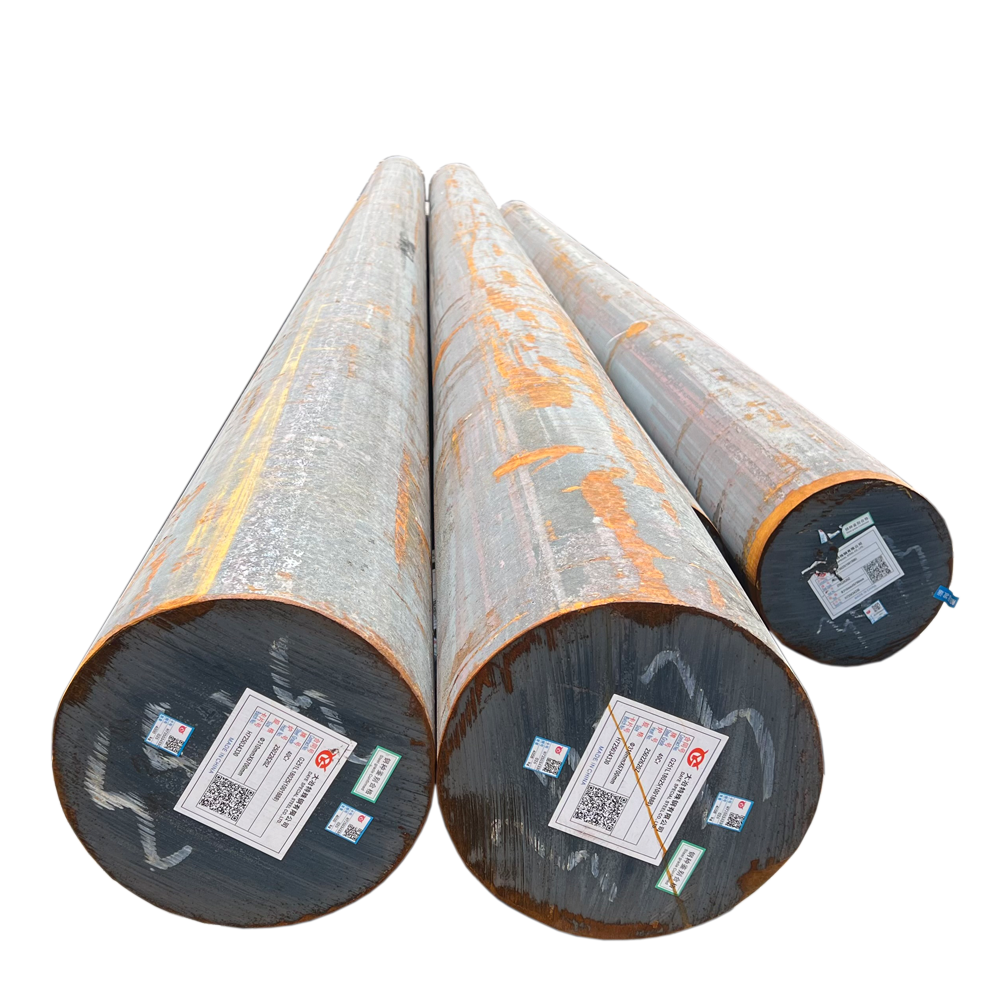
Chemical processing plants operate under some of the most demanding industrial conditions, where materials face constant exposure to corrosive chemicals, extreme temperatures, and high-pressure environments. Selecting the right metallurgical partner becomes critical for operational reliability and safety. A specialized nickel-based alloys manufacturer brings essential expertise in producing materials engineered specifically for these harsh chemical processing applications, understanding the unique metallurgical requirements that separate standard metals from performance-critical alloys designed for aggressive service conditions.
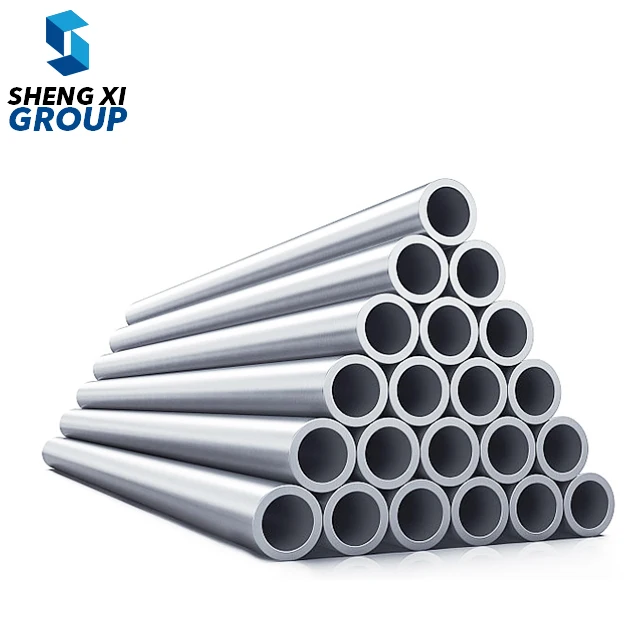
The chemical processing industry requires materials that maintain structural integrity while resisting oxidation, sulfidation, carburization, and various forms of chemical attack. Nickel-based alloys have become the preferred solution for reactors, heat exchangers, piping systems, and process vessels throughout chemical manufacturing facilities. Working with a manufacturer who understands both the metallurgical science and practical application requirements ensures that chemical plants receive materials optimized for their specific process chemistries, operating temperatures, and mechanical stress profiles.
Understanding Nickel-Based Alloys in Chemical Processing Environments
Metallurgical Properties That Enable Chemical Resistance
Nickel-based alloys derive their exceptional chemical resistance from the inherent properties of nickel combined with strategic alloying additions. Pure nickel demonstrates excellent resistance to caustic environments, particularly alkaline solutions and reducing acids. When manufacturers combine nickel with chromium, molybdenum, copper, and other elements, the resulting alloys gain resistance to oxidizing acids, chloride-induced stress corrosion cracking, and high-temperature oxidation. A knowledgeable nickel-based alloys manufacturer understands how different alloying compositions affect performance in specific chemical environments.
The passive film formation on nickel-based alloys provides a self-healing protective barrier against chemical attack. This chromium-rich oxide layer regenerates even after mechanical damage, offering sustained protection throughout equipment service life. Chemical processing plants benefit from this characteristic because it reduces maintenance frequencies and extends component replacement intervals. Manufacturers with deep metallurgical expertise can recommend specific alloy compositions based on the pH levels, temperature ranges, and chemical concentrations present in particular process streams.
Temperature stability represents another critical advantage of nickel-based alloys in chemical processing applications. These materials maintain strength and corrosion resistance at temperatures where stainless steels would fail through accelerated oxidation or mechanical degradation. Chemical reactions often generate significant heat, and process equipment must withstand thermal cycling without cracking or losing dimensional stability. Manufacturers specializing in chemical processing applications understand these thermal requirements and produce alloys with appropriate grain structures and thermal expansion characteristics.
Application-Specific Alloy Selection Criteria
Different chemical processing operations demand distinct metallurgical solutions. Chlor-alkali production requires materials resistant to chlorine gas and sodium hydroxide solutions, while sulfuric acid manufacturing needs alloys that withstand both oxidizing and reducing conditions depending on acid concentration and temperature. A proficient nickel-based alloys manufacturer maintains comprehensive knowledge of these application-specific requirements and guides chemical plants toward optimal material selections based on actual service conditions rather than generic specifications.
Petrochemical refining presents unique challenges where nickel-based alloys must resist sulfur compounds, naphthenic acids, and high-temperature hydrogen environments. Hydroprocessing units, particularly hydrotreaters and hydrocrackers, operate under conditions that cause hydrogen-induced cracking in less resistant materials. Manufacturers experienced in petrochemical applications produce nickel-based alloys with controlled sulfur levels and specific heat treatments that minimize susceptibility to hydrogen embrittlement while maintaining necessary strength levels.
Pharmaceutical and fine chemical manufacturing requires additional considerations beyond corrosion resistance. These industries demand materials that maintain product purity without contributing metallic contamination to sensitive chemical products. Specialized nickel-based alloys manufactured with controlled surface finishes and verified chemical compositions ensure that process equipment meets stringent pharmaceutical quality standards while delivering the necessary corrosion resistance for aggressive cleaning and sterilization protocols.
Manufacturing Capabilities That Support Chemical Plant Requirements
Advanced Melting and Refining Processes
The production of high-performance nickel-based alloys begins with sophisticated melting technologies that control chemical composition within tight tolerances. Vacuum induction melting and vacuum arc remelting processes remove harmful impurities and ensure homogeneous distribution of alloying elements throughout the material. Chemical processing plants depend on this metallurgical consistency because compositional variations can create localized weak points where preferential corrosion initiates. Reputable manufacturers invest in advanced melting equipment and analytical capabilities that verify material chemistry meets or exceeds industry specifications.
Secondary refining operations further enhance the performance characteristics of nickel-based alloys. Electroslag remelting improves cleanliness by removing non-metallic inclusions that could serve as corrosion initiation sites or stress concentrators. This additional processing step becomes particularly important for critical components such as reactor vessels and high-pressure piping where material defects could lead to catastrophic failures. Manufacturers serving chemical processing industries typically maintain these advanced capabilities as standard practice rather than optional enhancements.
Controlled solidification and grain structure development during the casting process significantly influence the final properties of nickel-based alloys. Manufacturers employ directional solidification techniques and controlled cooling rates to achieve optimal grain sizes and orientations. Chemical processing equipment benefits from these refined microstructures through improved mechanical properties, enhanced corrosion resistance, and superior weldability. Experienced manufacturers understand how processing parameters affect microstructural development and adjust their production methods to meet specific application requirements.
Forming and Fabrication Expertise
Chemical processing plants require nickel-based alloys in various product forms including plates, sheets, bars, pipes, tubes, and specialized forgings. Converting cast ingots into these finished forms demands substantial manufacturing expertise because nickel-based alloys exhibit different working characteristics compared to conventional steels. Hot working operations must occur within specific temperature ranges to avoid cracking while achieving necessary reductions. Manufacturers with comprehensive capabilities can supply the complete range of product forms needed for chemical plant construction and maintenance.
Tube and pipe production for chemical processing applications requires particular attention to internal surface quality and dimensional accuracy. Seamless manufacturing methods eliminate longitudinal weld seams that could represent potential corrosion sites in aggressive service environments. Cold working operations on nickel-based alloys enhance strength while producing smooth internal surfaces that facilitate cleaning and minimize fouling. Specialized manufacturers maintain dedicated production lines for seamless tubular products with the quality assurance systems necessary to meet chemical industry procurement standards.
Heat treatment processes critically influence the final performance of nickel-based alloys in chemical processing service. Solution annealing dissolves precipitates and relieves residual stresses introduced during forming operations, while controlled cooling rates establish optimal microstructures. Some alloy compositions require aging treatments to develop precipitation-strengthened structures that provide elevated temperature strength. Manufacturers serving chemical processing industries maintain furnace capabilities with precise temperature control and atmosphere management to consistently deliver materials with specified properties.
Quality Assurance Systems for Chemical Processing Applications
Compositional Verification and Traceability
Chemical processing plants operate under rigorous safety and quality management systems that require complete material traceability from raw material sourcing through final component installation. Leading nickel-based alloys manufacturers implement comprehensive documentation systems that track each production heat through all manufacturing stages. Optical emission spectroscopy and x-ray fluorescence analysis verify that chemical compositions meet specified ranges, with test reports accompanying material shipments. This documentation trail enables chemical plants to maintain compliance with industry codes and regulatory requirements.
Mechanical property testing ensures that nickel-based alloys possess adequate strength, ductility, and toughness for intended service conditions. Tensile testing, hardness measurement, and impact testing conducted at appropriate temperatures verify that materials will perform reliably under operating loads. Chemical processing equipment often experiences thermal cycling, and manufacturers conduct testing that simulates these conditions to confirm material stability. Quality-focused manufacturers maintain accredited testing laboratories with calibrated equipment and trained personnel who understand the specific requirements of chemical processing applications.
Corrosion resistance verification through standardized testing provides chemical plants with confidence that selected nickel-based alloys will withstand specific process chemistries. Intergranular corrosion tests assess susceptibility to grain boundary attack, while pitting resistance measurements quantify performance in chloride-containing environments. Stress corrosion cracking evaluations determine material behavior under combined mechanical and chemical exposure. Manufacturers with application expertise conduct these specialized tests and interpret results within the context of actual chemical processing conditions rather than simply reporting generic pass-fail outcomes.
Non-Destructive Examination Capabilities
Internal soundness verification through ultrasonic testing and radiographic examination ensures that nickel-based alloys contain no hidden defects that could compromise chemical processing equipment integrity. Volumetric inspection methods detect internal discontinuities such as shrinkage cavities, inclusions, or segregation that might not be visible on material surfaces. Chemical plants specify these examinations for critical components where failure could result in process leaks or safety incidents. Manufacturers serving demanding applications maintain certified inspection personnel and calibrated equipment capable of meeting stringent acceptance criteria.
Surface examination techniques including liquid penetrant testing and magnetic particle inspection reveal surface-breaking defects that could serve as corrosion initiation sites in chemical service. While magnetic particle testing has limited applicability to non-magnetic nickel-based alloys, liquid penetrant methods effectively detect surface cracks, laps, and other discontinuities. Manufacturers implement these inspections at strategic points throughout production processes, removing defective material before additional processing adds cost without improving quality.
Dimensional verification ensures that nickel-based alloy products meet geometric specifications required for chemical processing equipment fabrication. Coordinate measuring machines and optical measurement systems confirm that plates, sheets, bars, and tubular products comply with thickness, diameter, straightness, and surface finish requirements. Chemical plant construction schedules depend on receiving materials that fit directly into fabrication sequences without requiring additional conditioning operations. Manufacturers committed to customer success maintain quality control systems that verify dimensions throughout production rather than relying solely on final inspection.
Technical Support and Application Engineering Services
Material Selection Guidance for Specific Process Chemistries
The complexity of chemical processing environments makes material selection a specialized engineering discipline requiring both metallurgical knowledge and chemical process understanding. Experienced nickel-based alloys manufacturers employ application engineers who collaborate with chemical plant designers to evaluate process conditions and recommend appropriate alloy selections. These technical consultations consider not only primary process chemicals but also trace contaminants, temperature variations, and mechanical stress factors that influence material performance. This consultative approach prevents costly material misapplications that could result in premature equipment failures.
Corrosion modeling and prediction tools help chemical plants anticipate material performance before committing to expensive equipment purchases. Manufacturers with robust technical capabilities utilize electrochemical databases and thermodynamic modeling software to evaluate how candidate nickel-based alloys will behave in specific chemical environments. These analyses identify potential issues such as concentration-dependent corrosion transitions or temperature thresholds where alternative materials might offer superior performance. Chemical plants benefit from this proactive engineering support through reduced commissioning problems and extended equipment service life.
Pilot testing services offered by some manufacturers provide empirical corrosion data specific to actual process conditions. Chemical plants can submit process samples or describe operating parameters, and manufacturers expose candidate nickel-based alloys to these conditions under controlled laboratory conditions. Weight loss measurements, surface examination, and metallographic analysis after exposure periods quantify corrosion rates and identify attack mechanisms. This empirical approach complements theoretical predictions and provides chemical plants with confidence in material selections for novel processes or unusual chemical combinations.
Welding Procedure Development and Support
Fabricating chemical processing equipment from nickel-based alloys requires specialized welding procedures that maintain corrosion resistance and mechanical properties in weld joints. Manufacturers with comprehensive technical capabilities develop qualified welding procedures and provide guidance on filler metal selection, preheat requirements, interpass temperature control, and post-weld heat treatment. These procedure specifications enable chemical plant fabricators to produce high-quality welded structures that perform reliably in corrosive service environments without developing preferential attack in heat-affected zones.
Dissimilar metal welding presents particular challenges when joining nickel-based alloys to carbon steels or stainless steels in chemical processing equipment. Manufacturers assist chemical plants in selecting appropriate transition materials and welding sequences that minimize residual stresses while maintaining adequate corrosion resistance at interfaces. Technical support includes recommendations for buttering layers, weld overlay techniques, and inspection methods specific to dissimilar metal joints. This expertise prevents common problems such as preferential weld decay and stress-corrosion cracking at material transitions.
Weld procedure qualification testing conducted by manufacturers verifies that proposed joining methods produce acceptable mechanical properties and corrosion resistance. Tensile testing across weld joints, bend testing to assess ductility, and corrosion testing of welded samples provide empirical data supporting procedure qualifications. Chemical plants rely on these qualified procedures during equipment fabrication and repair activities, knowing that properly executed welds will deliver performance comparable to base metals. Manufacturers serving chemical processing industries maintain welding laboratories where they continuously develop and refine procedures for new alloy compositions and application requirements.
Supply Chain Reliability and Project Management Capabilities
Inventory Management for Project Schedules
Chemical plant construction and turnaround projects operate under tight schedules where material delivery delays directly impact project completion dates and startup timelines. Established nickel-based alloys manufacturers maintain strategic inventories of commonly specified compositions and product forms, enabling rapid response to customer requirements. This inventory capability becomes particularly valuable during plant expansions or emergency repair situations where extended lead times could result in significant production losses. Chemical companies increasingly view reliable material supply as a critical selection criterion when qualifying manufacturers.
Production capacity and scheduling flexibility allow manufacturers to accommodate both routine requirements and surge demands associated with major project commitments. Chemical processing plants benefit from working with manufacturers who maintain sufficient melting and processing capacity to handle large orders without compromising delivery schedules for ongoing supply agreements. Capacity planning discussions during early project phases enable manufacturers to allocate production resources and ensure material availability aligns with construction milestones.
Global logistics coordination becomes essential when chemical plant projects involve international material sourcing and delivery to remote locations. Experienced manufacturers maintain logistics partnerships and documentation expertise necessary to navigate export regulations, shipping requirements, and customs clearance procedures. This supply chain management capability ensures that nickel-based alloys arrive at job sites when needed, properly packaged to prevent damage during transit, and accompanied by all necessary material certifications and test documentation.
Technical Documentation and Regulatory Compliance
Chemical processing facilities operate under extensive regulatory oversight requiring detailed material documentation demonstrating compliance with applicable codes and standards. Manufacturers serving these industries provide comprehensive material test reports, mill certificates, and compliance statements that address requirements established by ASME, ASTM, NACE, and other relevant standards organizations. This documentation package enables chemical plants to satisfy regulatory inspections and maintain operating permits without requiring additional material verification activities.
Material traceability systems implemented by quality-focused manufacturers link specific production heats to individual pieces shipped to chemical plant projects. Unique heat numbers stamped or marked on materials allow plant operators to identify the exact composition, mechanical properties, and production history of every component installed in process equipment. This traceability becomes invaluable during incident investigations, maintenance planning, and equipment life assessment activities throughout the operational life of chemical processing facilities.
Environmental product declarations and sustainability reporting increasingly influence material selection decisions in the chemical processing industry. Progressive manufacturers provide information about the environmental footprint of nickel-based alloy production, including energy consumption, emissions profiles, and recycled content percentages. Chemical companies pursuing sustainability objectives value transparency in supply chain environmental impacts and partner with manufacturers who demonstrate commitment to responsible production practices while delivering necessary material performance.
FAQ
What distinguishes a specialized nickel-based alloys manufacturer from general metal suppliers?
Specialized manufacturers possess deep metallurgical expertise in nickel alloy systems, maintain advanced processing capabilities including vacuum melting and controlled atmosphere heat treatment, and employ application engineers who understand chemical processing requirements. They provide technical support throughout material selection, fabrication, and installation phases rather than simply supplying commodity products. Their quality systems address the stringent documentation and traceability requirements specific to chemical processing applications, and they maintain inventories of specialized compositions that general suppliers typically do not stock.
How do chemical processing plants verify that nickel-based alloys will resist their specific process chemistries?
Chemical plants work with manufacturers who provide corrosion data from standardized tests and actual service experience in similar environments. Many manufacturers offer laboratory corrosion testing services where candidate alloys are exposed to actual process samples under controlled conditions. Electrochemical modeling and thermodynamic analysis tools help predict material behavior in complex chemical mixtures. Plant engineers also review case histories and consult industry corrosion databases that document nickel-based alloy performance across various chemical processing applications. This multi-faceted approach provides confidence that selected materials will deliver required service life.
What lead times should chemical plants expect when ordering nickel-based alloys for major projects?
Lead times vary significantly based on product form, alloy composition, quantity, and whether materials are available from existing inventory. Standard compositions in common product forms might be available within weeks from manufacturer stock, while specialized alloys or large project quantities requiring dedicated production campaigns typically require three to six months from order placement to delivery. Custom product forms or dimensions may add additional time for tooling preparation. Experienced manufacturers work with chemical plant project teams during early planning stages to establish realistic delivery schedules that align with construction milestones and identify opportunities to reduce lead times through advanced ordering or inventory arrangements.
Can nickel-based alloys be repaired or modified in the field when chemical processing equipment requires maintenance?
Most nickel-based alloys can be successfully repaired through welding using appropriate procedures and qualified welders, though field conditions present challenges compared to controlled shop environments. Manufacturers provide welding procedure specifications and technical support for field repair activities, including guidance on preheat requirements, environmental protection during welding, and post-weld inspection methods. Some highly alloyed compositions require post-weld heat treatment to restore optimal corrosion resistance, which may necessitate localized heating equipment or shop removal for furnace treatment. Chemical plants should consult with the original material manufacturer before attempting significant field modifications to ensure repairs maintain required performance characteristics.
Table of Contents
- Understanding Nickel-Based Alloys in Chemical Processing Environments
- Manufacturing Capabilities That Support Chemical Plant Requirements
- Quality Assurance Systems for Chemical Processing Applications
- Technical Support and Application Engineering Services
- Supply Chain Reliability and Project Management Capabilities
-
FAQ
- What distinguishes a specialized nickel-based alloys manufacturer from general metal suppliers?
- How do chemical processing plants verify that nickel-based alloys will resist their specific process chemistries?
- What lead times should chemical plants expect when ordering nickel-based alloys for major projects?
- Can nickel-based alloys be repaired or modified in the field when chemical processing equipment requires maintenance?