
 EN
EN
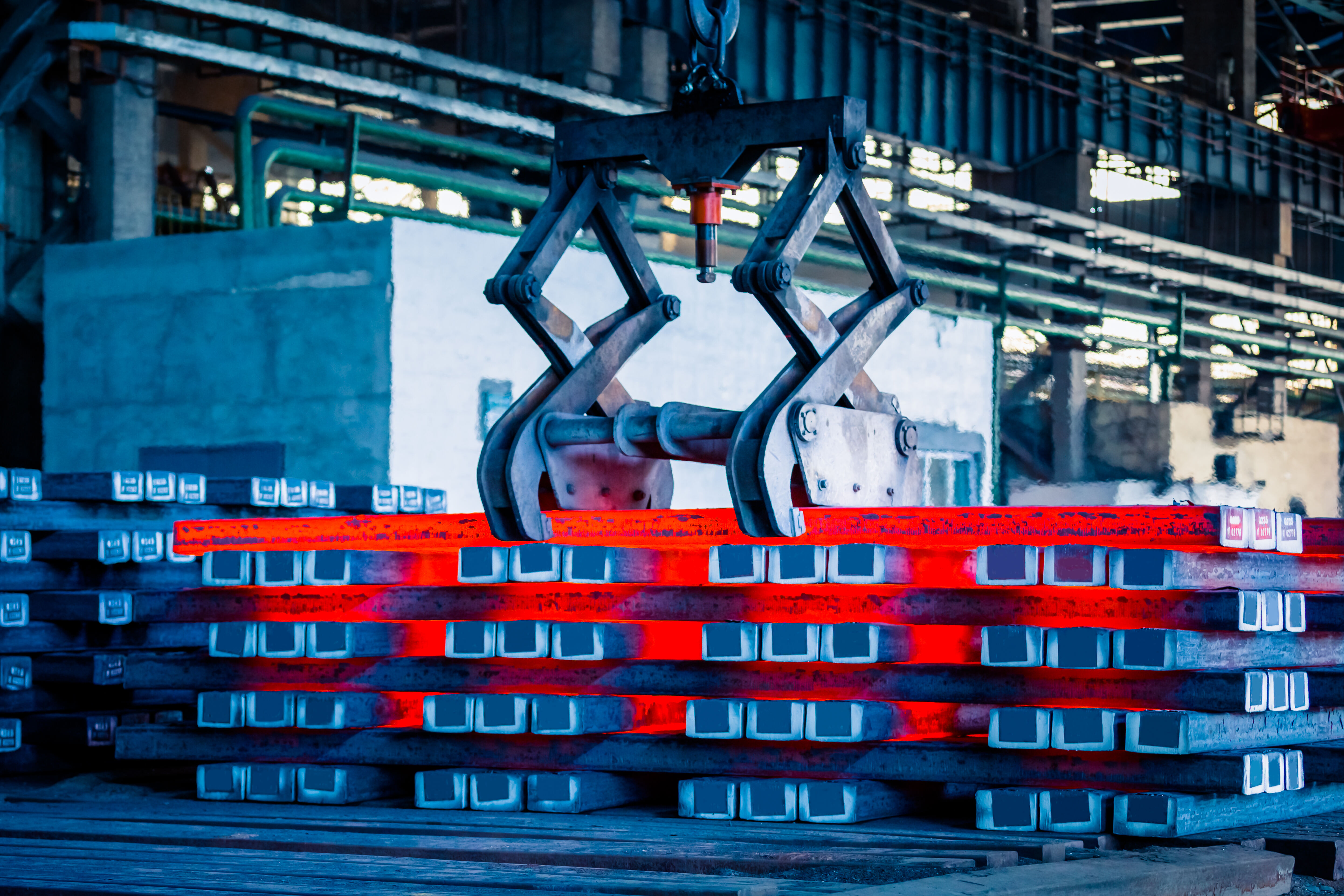
In the demanding world of pressure vessel fabrication, selecting the right steel plate supplier is a critical decision that directly impacts product quality, safety compliance, and long-term operational reliability. Pressure vessels operate under extreme conditions involving high pressures, fluctuating temperatures, and corrosive environments, requiring steel plates with exceptional mechanical properties, proven chemical composition, and certified quality standards. A premium steel plate supplier distinguishes itself not only through material excellence but also through comprehensive technical support, rigorous testing protocols, and deep understanding of industry-specific requirements such as ASME Section VIII, PED, and national pressure equipment directives.
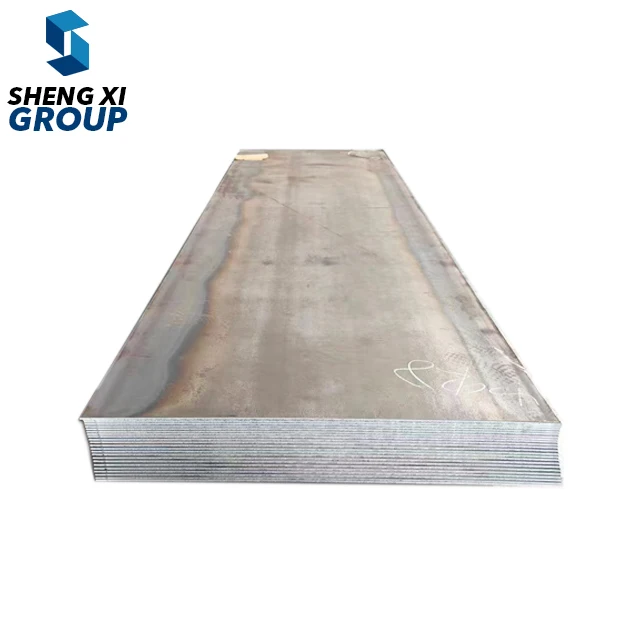
The value proposition of partnering with a premium steel plate supplier extends beyond simple material procurement. These specialized suppliers provide end-to-end solutions that encompass material selection guidance, dimensional customization, heat treatment optimization, and compliance documentation that meets the stringent requirements of pressure vessel codes worldwide. Their expertise in low-alloy steel plates with superior low-temperature impact performance, controlled rolling technology, and normalized delivery conditions ensures that fabricators receive materials optimized for critical applications. This comprehensive approach reduces fabrication risks, minimizes rejection rates, and accelerates project timelines while maintaining the highest safety standards demanded by industries such as petrochemical processing, power generation, and industrial gas storage.
Critical Material Requirements for Pressure Vessel Steel Plates
Mechanical Property Standards and Performance Criteria
Pressure vessel applications impose stringent mechanical property requirements that a qualified steel plate supplier must consistently deliver. Tensile strength, yield strength, and elongation values must conform to specifications such as ASTM A516, ASTM A537, or EN 10028 standards depending on the vessel design parameters. The steel plate supplier must provide certified mill test reports documenting these properties across the entire plate thickness, ensuring uniformity and predictability during fabrication processes like forming, welding, and heat treatment. Premium suppliers maintain strict quality control systems that verify mechanical properties through comprehensive testing protocols including tensile testing, hardness measurement, and impact testing at specified temperatures.
Low-temperature impact performance represents a particularly critical requirement for pressure vessels operating in cold climates or handling cryogenic fluids. A reliable steel plate supplier specializing in pressure vessel materials offers low-alloy steel plates with guaranteed Charpy V-notch impact energy values at temperatures ranging from -20°C to -60°C or lower. This performance characteristic prevents brittle fracture under thermal cycling conditions and ensures vessel integrity during emergency depressurization scenarios. The chemical composition control, including carefully balanced manganese, nickel, and microalloying elements, combined with controlled rolling or normalizing heat treatment, enables these superior low-temperature properties that distinguish premium materials from commodity grade steel.
Chemical Composition Control and Traceability
The chemical composition of steel plates for pressure vessel fabrication directly influences weldability, corrosion resistance, and mechanical property stability. A premium steel plate supplier implements rigorous composition control throughout the steelmaking process, ensuring carbon equivalent values remain within specified limits to facilitate welding without preheating or with minimal preheat requirements. Phosphorus and sulfur content must be strictly controlled to prevent hot cracking during welding and to ensure adequate notch toughness in the heat-affected zone. Suppliers providing materials for sour service applications must demonstrate compliance with NACE MR0175 requirements, controlling hardness levels and hydrogen-induced cracking susceptibility.
Traceability systems maintained by professional steel plate suppliers enable complete documentation from heat number through final delivery, linking each plate to specific melting records, processing parameters, and quality test results. This traceability becomes essential during pressure vessel certification processes and future maintenance activities. Advanced suppliers provide digital documentation systems that allow fabricators to access complete material genealogy information electronically, streamlining quality assurance procedures and regulatory compliance verification. The ability to trace material properties back to steelmaking parameters provides confidence in long-term performance and supports root cause analysis in the unlikely event of service issues.
Dimensional Tolerance and Surface Quality Standards
Pressure vessel fabrication demands precise dimensional control and superior surface quality from steel plates to minimize fabrication costs and ensure weld quality. A qualified steel plate supplier delivers materials within tight thickness tolerances, typically within ±0.3mm for plates up to 20mm thick, enabling accurate fit-up during assembly and reducing the need for extensive surface preparation. Flatness specifications must meet or exceed industry standards to facilitate efficient plate forming operations and minimize distortion during welding. Premium suppliers employ advanced plate leveling equipment and inspection systems to verify dimensional conformance before shipment.
Surface quality significantly impacts welding performance and corrosion resistance in pressure vessel applications. The steel plate supplier must deliver materials free from surface defects such as laminations, seams, slivers, and excessive scale that could compromise weld integrity or create stress concentration points. Ultrasonic testing performed according to ASTM A435 or equivalent standards verifies internal soundness and detects subsurface discontinuities that might propagate under cyclic loading conditions. Surface preparation levels, whether mill scale, blast cleaned, or primed, should be specified according to end-use requirements, with premium suppliers offering customized surface treatment options that reduce downstream processing costs for fabricators.
Quality Assurance and Testing Protocols
Third-Party Certification and Regulatory Compliance
A distinguished steel plate supplier maintains comprehensive third-party certifications that validate quality management systems and material conformance. ISO 9001 certification demonstrates systematic quality control, while pressure equipment specific certifications such as PED Module H or ASME certification for material manufacturers provide additional assurance of regulatory compliance. These certifications require regular audits by independent organizations, ensuring that quality systems remain current and effective. Fabricators benefit from reduced inspection burdens and streamlined approval processes when sourcing from certified suppliers, as many jurisdictions and end users recognize these third-party validations.
Regulatory compliance extends beyond quality certifications to encompass material testing and documentation requirements specified by pressure vessel codes. The steel plate supplier must provide mill test certificates conforming to EN 10204 Type 3.1 or 3.2 standards, documenting all required tests performed by the manufacturer and verified by independent inspection agencies when specified. These certificates must include complete chemical analysis, mechanical property test results, heat treatment details, and any special tests required by the applicable code such as through-thickness properties for Category 3 or 4 service or special cleanliness requirements for hydrogen service. Premium suppliers maintain relationships with recognized inspection agencies worldwide, facilitating witness testing and expedited documentation when project schedules demand rapid material delivery.
Advanced Testing Capabilities and Quality Documentation
Beyond standard mill testing, premium steel plate suppliers offer advanced testing capabilities that address specific pressure vessel application requirements. Through-thickness tensile testing verifies properties in the short transverse direction, critical for vessels with thick-wall construction or attachments subject to through-thickness stresses. Fracture toughness testing using CTOD or J-integral methodologies provides quantitative data for fitness-for-service evaluations and defect tolerance assessments. Hydrogen-induced cracking testing according to NACE TM0284 ensures material suitability for sour service environments common in oil and gas applications. These specialized tests require sophisticated laboratory equipment and experienced metallurgical personnel that distinguish premium suppliers from commodity material distributors.
Documentation systems provided by professional steel plate suppliers extend beyond basic mill test reports to include comprehensive quality dossiers that support pressure vessel certification and lifetime maintenance. These dossiers compile all relevant material data including steelmaking records, processing parameters, inspection reports, and test certificates in organized formats that facilitate regulatory submissions and customer quality reviews. Digital documentation platforms enable secure access to material records throughout the vessel lifecycle, supporting periodic inspections, fitness-for-service assessments, and remaining life calculations. The investment in comprehensive documentation systems reflects a supplier's commitment to long-term customer success rather than transactional material sales.
Process Control and Continuous Improvement Programs
Leading steel plate suppliers implement statistical process control systems that monitor critical quality parameters throughout manufacturing operations. These systems track chemical composition trends, mechanical property distributions, and dimensional conformance data to identify process variations before they result in nonconforming material. Control charts and capability analyses demonstrate process stability and enable proactive adjustments that maintain consistent quality. Fabricators benefit from this process discipline through reduced material variability, improved weldability consistency, and fewer fabrication delays due to material quality issues. The transparency of sharing process capability data builds confidence in long-term supply relationships.
Continuous improvement programs distinguish premium steel plate suppliers through their commitment to advancing material performance and customer value. These programs incorporate customer feedback, failure analysis findings, and emerging industry requirements to drive material development initiatives. Investment in research partnerships with academic institutions and industry consortia enables suppliers to introduce innovative steel grades with enhanced properties such as improved weldability, higher strength-to-weight ratios, or superior corrosion resistance. Fabricators partnering with innovation-focused suppliers gain early access to advanced materials that provide competitive advantages in demanding pressure vessel applications while benefiting from technical support during material qualification and implementation phases.
Technical Support and Application Engineering Services
Material Selection Guidance for Specific Applications
The expertise of a premium steel plate supplier extends beyond material supply to encompass comprehensive material selection guidance tailored to specific pressure vessel applications. Experienced application engineers analyze operating conditions including design pressure, temperature range, contained fluids, and cyclic loading patterns to recommend optimal steel grades and specifications. This consultation process considers both code compliance requirements and practical fabrication considerations such as weldability, formability, and post-weld heat treatment requirements. The supplier's knowledge of material performance in similar applications provides valuable insights that help fabricators avoid costly specification errors and optimize vessel designs for manufacturability and lifecycle cost.
Material selection guidance becomes particularly valuable for specialized applications such as high-temperature creep service, hydrogen service, or corrosive environments where material performance significantly impacts vessel reliability and maintenance costs. The steel plate supplier's familiarity with industry-specific requirements in sectors such as ammonia synthesis, hydrocarbon processing, or nuclear power generation enables recommendations that balance initial material cost against long-term performance considerations. Technical discussions often reveal opportunities to optimize plate thickness selections, reduce weight through higher strength grades, or improve fabrication efficiency through materials with superior forming characteristics, delivering value beyond basic material cost comparisons.
Welding Procedure Development Support
Successful pressure vessel fabrication requires optimized welding procedures that ensure joint integrity while maintaining productivity. A collaborative steel plate supplier provides detailed welding consumable recommendations, preheat and interpass temperature guidance, and post-weld heat treatment parameters based on material chemistry and thickness. Many premium suppliers maintain welding laboratories where procedure qualification testing can be performed, generating documented evidence of weldability and joint properties that satisfy code requirements. This technical support accelerates fabrication startups and reduces the risk of weld-related defects that could delay vessel completion or compromise service performance.
Advanced suppliers offer access to welding engineers who can review fabrication procedures, witness critical weld qualifications, and troubleshoot welding issues that arise during production. This expertise proves particularly valuable when fabricating complex geometries, thick-section joints, or dissimilar material combinations where standard procedures may require modification. The supplier's understanding of how their specific steel chemistry and microstructure respond to various welding processes enables practical recommendations that balance productivity with quality requirements. Documentation of welding procedure recommendations and qualification results becomes part of the comprehensive technical package that supports pressure vessel certification and builds fabricator confidence in material performance.
Failure Analysis and Corrective Action Support
Although rare when premium materials are properly applied, material-related issues occasionally arise during fabrication or service. A committed steel plate supplier provides failure analysis support to investigate root causes and implement corrective actions. Metallurgical examination of failed components, review of processing records, and comparison with specification requirements help determine whether material deficiencies, fabrication practices, or service conditions contributed to the failure. This collaborative approach ensures accurate problem diagnosis and prevents recurrence through appropriate corrective measures.
The value of failure analysis support extends beyond immediate problem resolution to encompass lessons learned that improve future material selections and fabrication practices. Suppliers who invest in understanding failure mechanisms and sharing findings with customers demonstrate commitment to continuous improvement and long-term partnership. Documentation of investigations and corrective actions provides evidence of due diligence that may be required during regulatory inquiries or liability assessments. The willingness to transparently address issues and implement improvements distinguishes premium steel plate suppliers from vendors who simply fulfill purchase orders without ongoing technical engagement.
Supply Chain Reliability and Logistics Capabilities
Inventory Management and Delivery Flexibility
Pressure vessel fabrication projects often operate under tight schedules that require reliable material availability and delivery. A premium steel plate supplier maintains strategic inventory positions of commonly specified grades and thicknesses, enabling rapid fulfillment of urgent requirements without the extended lead times associated with mill-direct procurement. Sophisticated inventory management systems track material aging, rotation schedules, and market demand patterns to optimize stock levels while ensuring material freshness and traceability. This inventory investment represents a significant commitment that provides fabricators with supply security and scheduling flexibility.
Delivery flexibility encompasses more than inventory availability to include customized cutting services, special packaging requirements, and coordinated shipping schedules that align with fabrication workflows. Progressive steel plate suppliers offer value-added services such as plasma or oxy-fuel cutting to customer drawings, edge preparation for welding, and protective coatings that reduce handling and preparation time at the fabrication facility. Just-in-time delivery coordination minimizes on-site storage requirements and working capital tied up in raw materials. These logistics capabilities become particularly valuable for large projects requiring phased material deliveries or fabricators with limited storage capacity who need precise delivery timing to support production schedules.
Global Sourcing and Quality Consistency
Many pressure vessel fabricators serve global markets requiring material sourcing flexibility and consistent quality regardless of supply origin. An established steel plate supplier maintains relationships with multiple qualified mills across different regions, enabling supply continuity during market disruptions, capacity constraints, or regional availability issues. The supplier's quality control systems ensure that material from any approved source meets identical specifications and performance standards, eliminating quality variability that could compromise fabrication processes or vessel certification. This multi-source capability provides supply chain resilience that protects fabricators from production interruptions due to mill outages, trade restrictions, or transportation disruptions.
Quality consistency across global sources requires rigorous mill qualification processes and ongoing performance monitoring. Premium steel plate suppliers implement supplier approval procedures that verify manufacturing capabilities, quality systems, and testing facilities before adding mills to approved supplier lists. Regular audits and performance scorecards track quality metrics, delivery reliability, and responsiveness to ensure that approved sources maintain qualification standards. Material from all sources undergoes receiving inspection to verify dimensional accuracy, surface quality, and documentation completeness before acceptance into inventory. This multi-layered quality assurance approach ensures that fabricators receive consistent material regardless of mill origin, simplifying procedure qualifications and maintaining predictable fabrication outcomes.
Sustainability and Environmental Compliance
Modern pressure vessel projects increasingly require documentation of material environmental impact and supplier sustainability practices. Forward-thinking steel plate suppliers provide environmental product declarations quantifying carbon footprints, recycled content, and energy consumption associated with material production. These declarations support green building certifications, corporate sustainability reporting, and environmental compliance requirements in regulated industries. Suppliers investing in low-carbon steelmaking technologies, renewable energy utilization, and waste reduction initiatives help fabricators meet sustainability goals while maintaining material performance standards.
Environmental compliance extends to responsible sourcing practices including conflict mineral avoidance, responsible mining certifications, and ethical labor standards throughout the supply chain. Premium suppliers implement due diligence systems that verify raw material origins and monitor supplier social responsibility performance. This transparency enables fabricators to satisfy customer inquiries regarding supply chain ethics and supports corporate social responsibility commitments. The increasing importance of sustainability considerations in material procurement decisions makes supplier environmental performance a differentiating factor beyond traditional quality and price metrics.
Long-Term Partnership Value and Industry Expertise
Market Intelligence and Material Availability Forecasting
A strategic steel plate supplier provides valuable market intelligence regarding raw material trends, mill capacity utilization, and pricing dynamics that impact project economics and scheduling. Early visibility into potential supply constraints, lead time extensions, or significant price movements enables fabricators to adjust procurement strategies, lock in favorable pricing, or identify alternative specifications that maintain availability. Suppliers with deep industry relationships and market monitoring capabilities offer insights that help fabricators navigate volatile market conditions and competitive bidding environments more effectively than those purchasing reactively based on immediate requirements.
Material availability forecasting becomes particularly critical for large pressure vessel projects with extended fabrication schedules and significant material volumes. Collaborative planning between fabricator and supplier ensures material reservation, staged delivery coordination, and contingency planning for potential supply disruptions. Premium suppliers commit capacity allocations for strategic customers and provide transparent communication regarding market conditions that might impact material costs or delivery schedules. This proactive approach prevents project delays, budget overruns, and last-minute specification compromises that could compromise vessel performance or certification timelines.
Industry Network and Regulatory Knowledge
Experienced steel plate suppliers maintain extensive industry networks encompassing code committees, trade associations, research organizations, and end-user groups that provide early insight into evolving requirements and emerging best practices. This network engagement enables suppliers to anticipate specification changes, contribute to code development activities, and share practical implementation guidance with fabricator customers. Participation in industry forums facilitates knowledge exchange regarding material performance experiences, failure investigations, and application successes that inform future material selections and specification decisions. Fabricators benefit from this industry engagement through access to expert perspectives and advance preparation for regulatory changes.
Regulatory knowledge distinguishes premium steel plate suppliers through their understanding of jurisdiction-specific requirements, approval processes, and documentation standards. International pressure vessel projects often encounter varying code interpretations, material acceptance criteria, and certification procedures across different countries and end-user specifications. A knowledgeable supplier navigates these complexities by providing materials with appropriate approvals, preparing documentation in required formats, and advising on specification harmonization opportunities. This regulatory expertise reduces fabricator compliance burdens and accelerates project approvals, particularly for first-time international work or entry into new market sectors with unfamiliar regulatory frameworks.
Innovation Collaboration and Custom Material Development
The most valuable supplier relationships extend beyond transactional material purchases to encompass innovation collaboration that advances both parties' competitive capabilities. Progressive steel plate suppliers engage fabricator customers in joint development programs targeting specific application challenges such as weight reduction through higher strength materials, improved fatigue resistance for cyclic service, or enhanced corrosion resistance for aggressive environments. These collaborations leverage the supplier's metallurgical expertise and mill relationships combined with the fabricator's application knowledge and performance feedback to develop optimized solutions not available through standard material catalogs.
Custom material development initiatives demonstrate long-term partnership commitment and mutual investment in competitive advantage. Suppliers willing to undertake material qualification testing, code approval processes, and performance validation programs provide fabricators with differentiated capabilities that win challenging projects and command premium pricing. The intellectual property and performance data generated through these collaborations create barriers to entry for competitors while strengthening the supplier-fabricator relationship through shared success. This innovation focus transforms the steel plate supplier role from commodity vendor to strategic technology partner contributing directly to fabricator profitability and market position.
FAQ
What certifications should a pressure vessel steel plate supplier maintain?
A qualified pressure vessel steel plate supplier should maintain ISO 9001 quality management certification as a baseline requirement, demonstrating systematic quality control processes. For pressure equipment specific applications, PED Module H certification or equivalent regional pressure equipment certifications verify compliance with regulatory requirements. ASME certification for material manufacturers provides additional qualification for vessels built to ASME Boiler and Pressure Vessel Code requirements. Third-party inspection agency approvals from organizations such as Lloyd's Register, Bureau Veritas, or TÜV enable witness testing and independent verification of material conformance. These certifications collectively ensure that the supplier operates under rigorous quality systems and can provide documentation that satisfies regulatory authorities and end-user specifications worldwide.
How does low-temperature impact performance affect pressure vessel material selection?
Low-temperature impact performance, typically measured through Charpy V-notch testing, indicates a steel's resistance to brittle fracture at reduced temperatures. Pressure vessels operating in cold climates, containing refrigerated products, or subject to rapid depressurization require guaranteed impact energy values at specified test temperatures to prevent catastrophic failure. A premium steel plate supplier offers low-alloy steel grades with controlled chemistry and optimized heat treatment that maintain ductility at temperatures as low as -60°C or below depending on specification. The supplier should provide certified impact test results at the design minimum temperature, conducted on specimens from actual production materials rather than qualification testing alone. This performance characteristic becomes critical for vessel integrity and must be verified through proper testing protocols documented in mill test certificates.
What lead times should be expected when ordering pressure vessel steel plates?
Lead times for pressure vessel steel plates vary significantly based on material availability, specification complexity, and order volume. Standard grades and thicknesses stocked by the steel plate supplier can often be delivered within one to two weeks, particularly for smaller quantities and common specifications. Mill-direct orders for non-stock items or large quantities typically require eight to sixteen weeks depending on mill production schedules, heat treatment requirements, and testing protocols. Complex specifications requiring special chemistry control, extensive testing, or third-party witness testing may extend lead times to twenty weeks or more. Premium suppliers with strategic inventory programs and mill relationships can often compress these timelines for urgent requirements, though expediting fees may apply. Early engagement with the supplier during project planning phases enables accurate lead time forecasting and material reservation when necessary to support fabrication schedules.
How can fabricators verify steel plate quality upon receipt?
Upon receiving steel plates from a supplier, fabricators should implement receiving inspection procedures that verify material conformance before releasing materials to production. Visual inspection should identify surface defects, dimensional accuracy, and proper material identification markings. Mill test certificate review confirms that documented chemical composition, mechanical properties, and test results meet specification requirements and correspond to the delivered material through heat number verification. Dimensional measurements verify thickness, width, and length tolerances using calibrated instruments. When specification requires, positive material identification testing using portable spectrometers confirms chemistry compliance. Ultrasonic testing spot checks can verify internal soundness for critical applications. Discrepancies between certified properties and delivered material or missing documentation should be immediately reported to the steel plate supplier for resolution before fabrication begins. Establishing clear acceptance criteria and inspection procedures prevents downstream quality issues and ensures traceability throughout the fabrication process.
Table of Contents
- Critical Material Requirements for Pressure Vessel Steel Plates
- Quality Assurance and Testing Protocols
- Technical Support and Application Engineering Services
- Supply Chain Reliability and Logistics Capabilities
- Long-Term Partnership Value and Industry Expertise
-
FAQ
- What certifications should a pressure vessel steel plate supplier maintain?
- How does low-temperature impact performance affect pressure vessel material selection?
- What lead times should be expected when ordering pressure vessel steel plates?
- How can fabricators verify steel plate quality upon receipt?