
 EN
EN
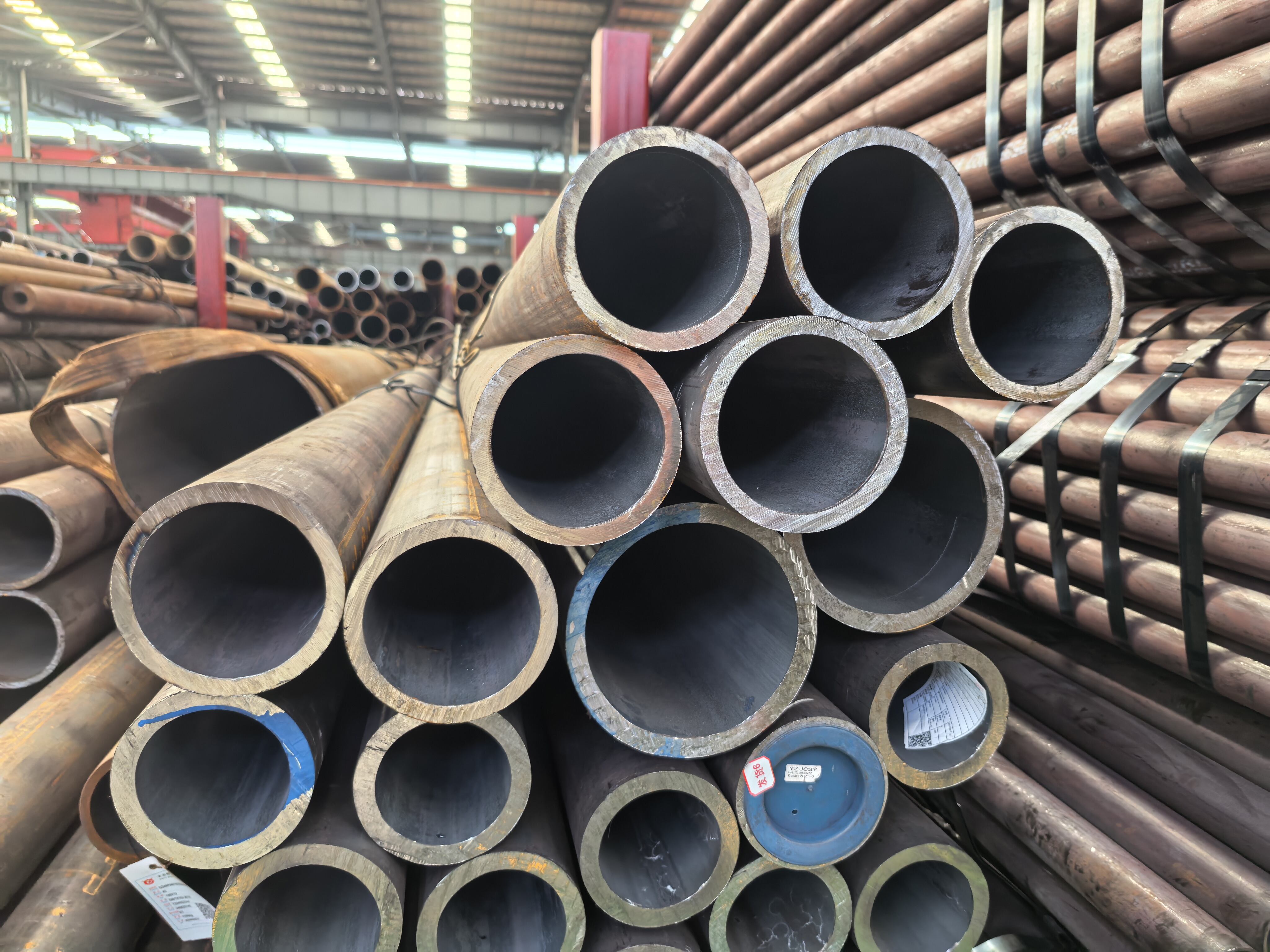
Aerospace engineering demands materials that can withstand extreme conditions while maintaining structural integrity, corrosion resistance, and reliability over decades of service. The selection of materials in this critical industry is governed not only by performance requirements but also by stringent regulatory standards and safety protocols. Among the most essential material categories employed in modern aerospace applications are stainless steel and nickel-based alloys, which have become indispensable in everything from turbine engines and airframes to fuel systems and structural components. These advanced metallic materials offer a unique combination of mechanical strength, temperature resistance, and environmental durability that conventional alloys simply cannot match in the demanding aerospace environment.
The aerospace sector has evolved considerably over the past several decades, with material science playing a pivotal role in enabling higher performance, greater fuel efficiency, and improved safety margins. Both stainless steel and nickel-based alloys have undergone continuous development to meet increasingly rigorous demands, from commercial aviation to space exploration. Understanding the specific properties, applications, and selection criteria for these materials is essential for aerospace engineers, procurement specialists, and design teams working to optimize aircraft and spacecraft performance while ensuring compliance with international aviation standards and certification requirements.
Material Properties and Performance Characteristics
Fundamental Composition and Metallurgical Structure
Stainless steel and nickel-based alloys are both iron-group metals that derive their exceptional properties from carefully controlled alloying elements and sophisticated processing techniques. Stainless steels typically contain a minimum of 10.5 percent chromium, which forms a passive oxide layer that protects the underlying metal from corrosion. In aerospace applications, austenitic stainless steels such as 304 and 316 grades are frequently specified, offering excellent formability and weldability alongside robust corrosion resistance. The austenitic crystal structure remains stable across a wide temperature range, making these grades suitable for cryogenic fuel tanks and moderate-temperature structural applications.
Nickel-based alloys, often referred to as superalloys, are engineered to maintain strength and oxidation resistance at temperatures exceeding 650 degrees Celsius. These alloys feature nickel as the primary constituent, typically comprising 40 to 75 percent of the total composition, with additions of chromium, cobalt, molybdenum, tungsten, and other elements that enhance specific properties. The gamma prime precipitate phase that forms in many nickel-based alloys provides exceptional creep resistance and high-temperature strength, enabling turbine components to operate reliably in the extreme thermal environments found in jet engines. The microstructural stability of these alloys under prolonged exposure to elevated temperatures is a defining characteristic that sets them apart from other metallic systems.
Mechanical Strength and Temperature Capabilities
The mechanical performance of stainless steel and nickel-based alloys varies significantly depending on grade, processing history, and service temperature. Precipitation-hardened stainless steels such as 17-4 PH and 15-5 PH can achieve tensile strengths exceeding 1300 megapascals through controlled heat treatment, making them suitable for landing gear components, fasteners, and high-stress structural elements. These grades combine the corrosion resistance inherent to stainless steels with strength levels approaching those of traditional aerospace aluminum alloys, while offering superior performance in corrosive environments such as coastal operations and high-humidity climates.
Nickel-based alloys demonstrate remarkable retention of mechanical properties at elevated temperatures where conventional steels would rapidly lose strength. Alloys such as Inconel 718 maintain usable strength above 700 degrees Celsius, enabling their use in turbine discs, combustor liners, and afterburner components. The creep resistance of these materials is particularly critical in rotating components subjected to sustained centrifugal loading at high temperatures. Advanced single-crystal nickel-based alloys used in turbine blades eliminate grain boundaries entirely, further enhancing creep resistance and allowing operational temperatures to approach 1100 degrees Celsius with appropriate thermal barrier coatings.
Corrosion Resistance and Environmental Durability
Aircraft and spacecraft encounter diverse and challenging environmental conditions throughout their operational lives, from salt-laden marine atmospheres to the oxidizing environment of high-altitude flight and the thermal cycling inherent in repeated takeoffs and landings. The corrosion resistance provided by stainless steel and nickel-based alloys is essential for ensuring long-term structural integrity and minimizing maintenance requirements. The chromium oxide passive film that forms spontaneously on stainless steel surfaces provides a self-healing barrier against atmospheric corrosion, with molybdenum additions in grades like 316 enhancing resistance to pitting and crevice corrosion in chloride-containing environments.
Nickel-based alloys offer superior resistance to high-temperature oxidation and hot corrosion, phenomena that become increasingly problematic as gas turbine operating temperatures rise. The protective chromia and alumina scales that form on the surface of these alloys during service prevent rapid metal wastage even under conditions of thermal cycling and mechanical stress. Some nickel-based alloys are specifically formulated to resist sulfidation and carburization, which can occur in fuel-rich combustion zones or when certain contaminants are present in the operating environment. This comprehensive environmental resistance makes these materials particularly valuable in propulsion systems where failure could have catastrophic consequences.
Critical Aerospace Applications
Propulsion System Components
The gas turbine engines that power modern aircraft represent one of the most demanding applications for high-performance materials, with components experiencing temperatures, stresses, and environmental conditions at the extreme edge of material capabilities. Nickel-based alloys dominate the hot section of these engines, where combustion gases reach temperatures exceeding 1600 degrees Celsius. Turbine blades, vanes, and discs fabricated from advanced nickel-based alloys must withstand these extreme thermal conditions while rotating at speeds that generate centrifugal stresses approaching the material's ultimate strength. The combination of thermal and mechanical loading creates a uniquely challenging environment that only stainless steel and nickel-based alloys can reliably address.
Stainless steel finds extensive use in cooler sections of the propulsion system, including fuel nozzles, manifolds, and various mounting brackets and housings. Austenitic stainless steels provide excellent fabricability for complex geometries while offering corrosion resistance to the various fuels and lubricants present in the engine environment. The fuel delivery systems in particular benefit from the combination of strength, corrosion resistance, and weldability that stainless steels provide, with seamless stainless steel tubing forming the backbone of many fuel distribution networks. These systems must operate reliably across a wide temperature range while maintaining leak-tight integrity despite vibration and thermal cycling throughout the flight envelope.
Structural and Airframe Applications
While aluminum alloys remain the predominant structural material in aircraft airframes, stainless steel and nickel-based alloys play essential roles in specific high-performance applications where aluminum's properties are insufficient. High-strength precipitation-hardened stainless steels are commonly specified for landing gear components, which must absorb tremendous impact loads during landing while resisting corrosion from hydraulic fluids, runway de-icing chemicals, and environmental exposure. The superior strength-to-weight ratio of these advanced stainless steels, combined with excellent fracture toughness, makes them ideal for safety-critical structural elements where failure is not an option.
Fasteners represent another critical application where stainless steel and nickel-based alloys demonstrate clear advantages over alternative materials. The thousands of fasteners required to assemble a modern aircraft must provide reliable clamping force while resisting corrosion, galling, and stress corrosion cracking throughout decades of service. Austenitic and precipitation-hardened stainless steel fasteners offer an excellent balance of properties for many applications, while nickel-based alloy fasteners are specified in high-temperature zones where conventional materials would lose strength or suffer excessive relaxation. The selection of appropriate fastener materials and coatings is a critical aspect of aircraft design that directly impacts long-term maintenance costs and operational safety.
Hydraulic and Fluid Systems
Aircraft hydraulic systems operate at pressures often exceeding 3000 pounds per square inch and must function reliably across temperature extremes ranging from minus 55 degrees Celsius at altitude to well above 100 degrees Celsius in engine compartments and tropical ground operations. The tubing, fittings, and valves that comprise these systems must resist both internal pressure stresses and external environmental attack while maintaining dimensional stability and leak-tight sealing. Stainless steel seamless tubing has become the standard material for hydraulic lines in aerospace applications, offering superior burst strength, excellent corrosion resistance to hydraulic fluids, and reliable performance under vibration and thermal cycling conditions that would cause premature failure in other materials.
The stainless steel and nickel-based alloys used in hydraulic and pneumatic systems must meet stringent cleanliness and surface finish requirements to prevent contamination of the fluids they contain. Any particulate contamination or surface roughness can lead to premature wear of precision valves and actuators, potentially causing system failures that compromise aircraft safety. Seamless construction eliminates the weld seam that could serve as a stress concentrator or corrosion initiation site, while electropolished or mechanically polished internal surfaces minimize particle generation and improve flow characteristics. These demanding specifications reflect the critical nature of hydraulic systems in aircraft flight control and landing gear operation.
Material Selection Considerations for Aerospace Design
Strength-to-Weight Optimization
In aerospace engineering, every gram of additional weight translates directly into reduced payload capacity, shorter range, or increased fuel consumption over the aircraft's operational lifetime. The selection between stainless steel and nickel-based alloys, or between different grades within these categories, involves careful analysis of strength-to-weight ratios in the context of specific application requirements. While titanium alloys often provide superior specific strength for room-temperature structural applications, stainless steel and nickel-based alloys become increasingly competitive when corrosion resistance, high-temperature capability, or cost considerations enter the equation.
Design engineers must evaluate not only the raw strength-to-density ratio but also how material properties change under service conditions. A material that appears optimal based on room-temperature tensile strength may prove inadequate when creep, fatigue, or environmental degradation are considered. Nickel-based alloys demonstrate relatively flat strength curves across wide temperature ranges, maintaining usable properties well above temperatures where aluminum and even titanium alloys have lost significant strength. This characteristic allows designers to reduce safety factors and optimize component geometries, potentially offsetting the higher density through more efficient structural design.
Manufacturing and Fabrication Compatibility
The manufacturability of stainless steel and nickel-based alloys significantly influences their suitability for specific aerospace components and can impact program costs and schedules as significantly as raw material performance. Austenitic stainless steels generally offer excellent formability, weldability, and machinability compared to precipitation-hardened grades and nickel-based alloys. Complex sheet metal components such as ducting, fairings, and access panels can be efficiently fabricated from austenitic stainless steels using conventional forming processes, while maintaining adequate strength and corrosion resistance for their intended applications.
Nickel-based alloys present greater manufacturing challenges due to their high strength, work-hardening characteristics, and tendency to generate excessive heat during machining operations. Specialized cutting tools, slower machining speeds, and carefully controlled heat treatment cycles are typically required to produce precision components from these materials. Investment casting and powder metallurgy techniques have become increasingly important for producing near-net-shape nickel-based alloy components, reducing the amount of difficult machining required and improving material utilization. The selection of manufacturing processes must be considered early in the design phase to ensure that component geometries are compatible with economical production methods while achieving required material properties and dimensional tolerances.
Regulatory Compliance and Certification Requirements
All materials used in aerospace applications must meet rigorous qualification and certification requirements established by regulatory authorities such as the Federal Aviation Administration and the European Union Aviation Safety Agency. Material specifications published by organizations including the Aerospace Material Specifications committee and the Society of Automotive Engineers define precise compositional limits, mechanical property requirements, and testing protocols that stainless steel and nickel-based alloys must satisfy before they can be incorporated into certified aircraft. Traceability of material pedigree from initial melt through final component installation is mandatory, ensuring that every piece of metal can be linked to documented test results and processing history.
The certification process for new alloy grades or novel processing methods can require years of testing and validation before regulatory approval is granted. This conservative approach reflects the critical nature of aerospace applications where material failures can result in loss of life and catastrophic accidents. Designers must balance the potential performance benefits of advanced stainless steel and nickel-based alloys against the time and cost required to achieve certification for new materials. In many cases, well-established alloy grades with decades of service history are preferred despite the availability of newer materials with potentially superior properties, simply because the certification pathway is shorter and the risk of unforeseen issues is minimized.
Future Trends and Advanced Development
Additive Manufacturing and Novel Processing Technologies
Additive manufacturing technologies, particularly selective laser melting and electron beam melting, are revolutionizing the way complex aerospace components are produced from stainless steel and nickel-based alloys. These processes build parts layer by layer from metal powder, enabling geometries that would be impossible or prohibitively expensive to manufacture using conventional methods. Additively manufactured nickel-based alloy components can incorporate internal cooling passages, lattice structures, and topology-optimized geometries that significantly improve performance while reducing weight. This technology is particularly valuable for turbine components and heat exchangers where complex internal features directly enhance functionality.
The microstructures produced through additive manufacturing differ significantly from those created by traditional casting or wrought processing, requiring new approaches to material qualification and property prediction. Rapid solidification and directional heat flow during the build process can create unique grain structures and precipitate distributions that affect mechanical properties and high-temperature performance. Researchers and manufacturers are developing process parameters and post-processing treatments specifically tailored to stainless steel and nickel-based alloys, seeking to optimize the balance between manufacturability, material properties, and component performance. As these technologies mature and gain regulatory acceptance, they promise to expand the design space available to aerospace engineers significantly.
Enhanced Alloy Compositions and Microstructural Engineering
Materials scientists continue to develop new grades of stainless steel and nickel-based alloys with improved combinations of strength, temperature capability, and environmental resistance. Fourth-generation nickel-based single-crystal superalloys push operational temperature limits ever higher through careful optimization of refractory element additions and innovative heat treatment protocols. These advanced materials enable incremental improvements in gas turbine efficiency that translate into measurable reductions in fuel consumption and emissions over millions of flight hours. Similarly, new stainless steel compositions with enhanced corrosion resistance and improved strength-to-weight ratios are being introduced to address specific aerospace challenges.
Computational materials science and advanced characterization techniques are accelerating the pace of alloy development by enabling researchers to predict material behavior and optimize compositions before conducting expensive physical testing. Machine learning algorithms can now analyze vast databases of material properties and processing conditions to identify promising alloy compositions and processing routes that might not be obvious through traditional empirical approaches. This computational approach, combined with rapid prototyping using additive manufacturing, is compressing development timelines and enabling more targeted optimization of stainless steel and nickel-based alloys for specific aerospace applications.
Sustainability and Lifecycle Considerations
The aerospace industry faces increasing pressure to reduce environmental impact throughout the entire lifecycle of aircraft and their components. The selection of stainless steel and nickel-based alloys must now consider not only performance characteristics but also the environmental cost of material production, component manufacturing, operational efficiency, and end-of-life recycling. Both material families offer excellent recyclability, with stainless steel and nickel-based alloys retaining their valuable alloying elements through multiple recycling cycles. This circular economy approach reduces demand for virgin raw materials and lowers the overall carbon footprint of aerospace manufacturing.
Efforts to improve fuel efficiency through weight reduction and enhanced engine performance directly leverage the capabilities of advanced stainless steel and nickel-based alloys. Higher operating temperatures enabled by improved nickel-based alloys allow more thermodynamically efficient engine cycles, reducing fuel burn per unit of thrust produced. Corrosion-resistant stainless steels extend component service life and reduce the frequency of replacement, lowering both maintenance costs and the environmental impact associated with manufacturing replacement parts. As sustainability metrics become increasingly important in aerospace procurement decisions, the lifecycle advantages of these durable, high-performance materials become more apparent and valuable.
FAQ
What are the primary differences between stainless steel and nickel-based alloys in aerospace applications?
The fundamental distinction lies in their temperature capabilities and composition focus. Stainless steels typically contain 10.5 to 30 percent chromium with iron as the primary element, offering excellent corrosion resistance and moderate strength at temperatures up to approximately 600 degrees Celsius. They excel in structural applications, hydraulic systems, and moderate-temperature environments where corrosion resistance is paramount. Nickel-based alloys feature nickel as the primary constituent and are specifically engineered for high-temperature service, maintaining strength and oxidation resistance above 650 degrees Celsius and often exceeding 1000 degrees Celsius in advanced turbine applications. While more expensive and difficult to process, nickel-based alloys enable the extreme operating conditions found in gas turbine hot sections that stainless steels simply cannot withstand.
How do aerospace engineers determine which grade of stainless steel or nickel-based alloy to specify for a particular component?
Material selection follows a systematic evaluation process that considers operational temperature, mechanical loading conditions, environmental exposure, fabrication requirements, and regulatory constraints. Engineers begin by defining the maximum service temperature and required strength levels, which immediately narrows the candidate materials. Corrosion resistance requirements further refine the selection, with specific grades chosen based on exposure to marine environments, hydraulic fluids, or combustion products. Manufacturing considerations including formability, weldability, and machinability influence whether austenitic stainless steels, precipitation-hardened stainless steels, or specific nickel-based alloy grades are most appropriate. Finally, cost analysis and certification status determine the final selection, balancing performance requirements against program budget and schedule constraints.
Why are seamless tubes preferred over welded tubes for critical aerospace fluid systems?
Seamless construction eliminates the longitudinal weld seam that represents a potential weak point in terms of both mechanical strength and corrosion resistance. In high-pressure hydraulic systems operating at 3000 pounds per square inch or higher, the weld zone could serve as a stress concentrator where fatigue cracks might initiate under cyclic loading. The weld heat-affected zone may also exhibit different corrosion characteristics than the base material, potentially creating preferential attack sites in aggressive fluid environments. Seamless stainless steel tubing provides uniform properties around the entire circumference and along the full length, ensuring consistent burst strength and fatigue resistance. The superior surface finish achievable with seamless tubing also reduces particle generation that could contaminate precision hydraulic components, making it the preferred choice for safety-critical aerospace fluid distribution systems.
What future developments in stainless steel and nickel-based alloys are expected to impact aerospace engineering most significantly?
Additive manufacturing represents the most transformative development, enabling component geometries and internal features impossible with conventional processing while potentially reducing lead times and material waste. Advanced nickel-based alloy compositions optimized specifically for additive processes are emerging, offering improved printability while maintaining the high-temperature performance required for turbine applications. Computational materials design accelerated by machine learning will likely produce optimized alloy compositions tailored to specific applications more rapidly than traditional empirical development methods. Additionally, environmentally driven innovations focused on improving recyclability, reducing critical raw material dependence, and extending component service life will influence both alloy development and component design strategies as the aerospace industry works to reduce its environmental footprint while maintaining the exceptional performance standards that stainless steel and nickel-based alloys have established.
Table of Contents
- Material Properties and Performance Characteristics
- Critical Aerospace Applications
- Material Selection Considerations for Aerospace Design
- Future Trends and Advanced Development
-
FAQ
- What are the primary differences between stainless steel and nickel-based alloys in aerospace applications?
- How do aerospace engineers determine which grade of stainless steel or nickel-based alloy to specify for a particular component?
- Why are seamless tubes preferred over welded tubes for critical aerospace fluid systems?
- What future developments in stainless steel and nickel-based alloys are expected to impact aerospace engineering most significantly?