
 EN
EN
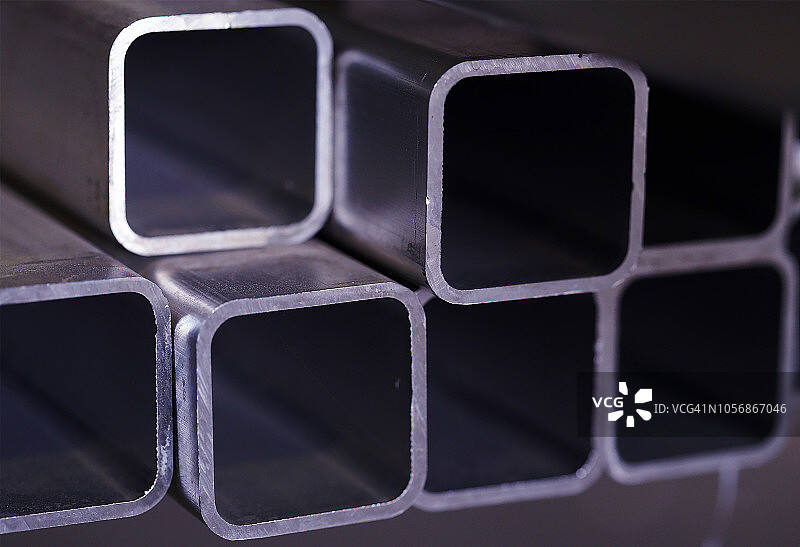
High-speed stamping operations subject molds to extreme mechanical stresses, thermal cycling, and abrasive wear that can rapidly degrade inferior materials. The selection of appropriate tool steel directly determines whether a stamping die achieves its expected production lifespan or fails prematurely, impacting both operational costs and manufacturing continuity. In environments where stamping presses cycle at rates exceeding 300 strokes per minute, the metallurgical properties of the mold material become the primary factor governing durability, dimensional stability, and resistance to catastrophic failure modes such as cracking, chipping, and excessive wear.
Manufacturers engaged in automotive component production, appliance manufacturing, and electronics enclosure fabrication increasingly recognize that tool steel selection cannot follow generalized material charts but must address the specific mechanical demands of high-speed stamping. The interplay between hardness, toughness, wear resistance, and thermal conductivity creates a complex optimization challenge where trade-offs must align with actual stamping parameters including material thickness, punch velocity, production volume, and strip material characteristics. This article examines the systematic methodology for selecting tool steel grades that maximize mold durability under high-speed stamping conditions, providing actionable criteria for matching material properties to operational requirements.
Understanding High-Speed Stamping Demands on Tool Steel
Mechanical Stress Profiles in Rapid Cycling Operations
High-speed stamping generates impact forces that differ fundamentally from conventional press operations. Each stamping cycle subjects the die surface to compressive stresses often exceeding 2000 MPa, while the rapid acceleration and deceleration phases introduce cyclic loading patterns that promote fatigue crack initiation. The tool steel must maintain structural integrity under these repetitive shock loads without experiencing plastic deformation that would compromise dimensional accuracy. Material selection must prioritize yield strength in combination with fracture toughness, as brittleness becomes a critical failure mode when dies experience thousands of impacts per hour.
The velocity component in high-speed operations introduces strain rate sensitivity that affects how tool steel responds to deformation. Materials that perform adequately under quasi-static loading may exhibit brittle behavior when subjected to the rapid loading rates characteristic of automated stamping lines. This phenomenon requires evaluation of dynamic mechanical properties rather than relying solely on hardness values obtained through standard testing. Tool steel grades with refined microstructures and controlled carbide distributions demonstrate superior resistance to impact-induced cracking compared to conventionally processed materials.
Edge retention represents another mechanical challenge in high-speed stamping dies. Punch and die cutting edges experience localized stress concentrations that can reach three times the nominal applied stress, creating conditions for microchipping and edge rounding. The tool steel must combine sufficient hardness to resist plastic flow at these stress concentration points while maintaining enough toughness to prevent brittle fracture. This balance becomes particularly critical in progressive dies where multiple forming stages occur within a single press stroke, each introducing distinct stress distributions.
Thermal Cycling and Heat Generation Considerations
Frictional heating during high-speed stamping elevates die surface temperatures significantly above ambient conditions, even when lubricants are applied. The repetitive thermal cycling between peak temperatures during stamping and cooling periods between cycles creates thermal fatigue conditions that can degrade tool steel properties over time. Materials with inadequate thermal stability experience tempering effects that reduce hardness and accelerate wear, while those lacking thermal shock resistance develop surface crack networks that propagate into the bulk material. Selection criteria must include evaluation of hot hardness retention and resistance to thermal softening at temperatures encountered during sustained production runs.
The coefficient of thermal expansion becomes operationally significant when die components heat unevenly during production. Differential expansion between heated punch surfaces and cooler backing structures introduces internal stresses that compound the mechanical stresses from stamping forces. Tool steel selections with lower thermal expansion coefficients minimize these thermally induced stresses, reducing the likelihood of dimensional distortion and premature cracking. High thermal conductivity assists in dissipating frictional heat away from critical surfaces, maintaining more uniform temperature distributions across the die assembly.
Stamping operations involving heat-treated workpiece materials or pre-heated blanks impose additional thermal demands on the die material. When stamping high-strength steels or aluminum alloys at elevated temperatures, the tool steel must resist thermal softening while maintaining wear resistance against hot workpiece materials. This requirement often necessitates selection of alloyed tool steel grades containing carbide-forming elements that remain stable at elevated temperatures, preserving hardness and wear resistance under conditions where carbon steels would rapidly degrade.
Critical Material Properties for Maximizing Mold Durability
Hardness Requirements and Wear Resistance Optimization
Surface hardness directly correlates with abrasive wear resistance in stamping dies, making it a primary selection criterion for tool steel in high-volume production environments. However, the relationship between hardness and wear performance is not linear, and excessive hardness achieved through improper heat treatment can reduce toughness to levels where impact resistance becomes compromised. Optimal hardness ranges typically fall between 58-62 HRC for punches and cutting edges, while die blocks may utilize slightly lower hardness levels of 56-60 HRC to enhance toughness in areas experiencing lower contact stresses.
Wear resistance depends not only on bulk hardness but also on the distribution and characteristics of carbides within the tool steel microstructure. Fine, uniformly distributed carbides provide superior wear resistance compared to coarse carbide networks, as they offer more consistent reinforcement without creating stress concentration sites. Tool steel grades processed through powder metallurgy or electroslag remelting exhibit refined carbide structures that deliver enhanced wear performance while maintaining adequate toughness for impact resistance. The selection process should evaluate carbide morphology alongside hardness values to ensure wear resistance aligns with durability requirements.
Adhesive wear mechanisms become prominent when stamping ductile materials such as aluminum, copper alloys, or austenitic stainless steels. These materials tend to gall and transfer onto die surfaces, creating built-up edge conditions that compromise part quality and accelerate die degradation. Tool steel selections for these applications benefit from surface treatments or coatings that reduce adhesion tendencies, but the base material must provide sufficient hardness and chemical stability to support coating adhesion and prevent substrate deformation. The combination of appropriate bulk properties with engineered surface characteristics optimizes wear resistance across different wear mechanisms.
Toughness and Fracture Resistance Under Dynamic Loading
Fracture toughness determines the ability of tool steel to resist crack propagation under the cyclic loading inherent in high-speed stamping operations. While hardness resists wear, toughness prevents catastrophic failure modes including chipping, cracking, and complete die breakage. The relationship between hardness and toughness follows an inverse trend in most tool steel grades, creating an optimization challenge where maximum wear resistance must be balanced against adequate fracture resistance. Charpy impact values provide basic toughness screening, but fracture mechanics parameters such as critical stress intensity factor offer more precise characterization for high-performance applications.
Microstructural features that enhance toughness include tempered martensite matrices with fine grain sizes and controlled retained austenite content. Retained austenite can improve toughness through transformation-induced plasticity mechanisms, though excessive levels reduce hardness and dimensional stability. Tool steel heat treatment processes that optimize tempering parameters achieve balanced microstructures where carbide size, distribution, and matrix properties collectively support both hardness and toughness requirements. Understanding these metallurgical relationships enables selection of grades and heat treatment specifications matched to specific stamping conditions.
Complex die geometries with sharp corners, thin sections, or abrupt cross-section changes create stress concentration zones particularly vulnerable to crack initiation. Tool steel selection for such geometries must prioritize toughness over maximum hardness, accepting slightly reduced wear resistance to prevent brittle fracture. Progressive die designs often incorporate multiple punches with varying cross-sectional areas, requiring careful consideration of whether uniform tool steel selection suffices or whether different sections would benefit from tailored material choices. The mechanical loading analysis should identify critical stress concentration locations that drive material selection decisions.
Tool Steel Grade Selection Methodology for Stamping Applications
Matching Material Families to Production Requirements
Cold work tool steel grades constitute the primary material family for stamping dies operating at temperatures below 200 degrees Celsius. Within this category, oil-hardening grades offer excellent dimensional stability during heat treatment, making them suitable for precision dies where minimal distortion is critical. Air-hardening grades provide deeper hardening penetration for larger die sections while maintaining good toughness, though they require careful control of cooling rates to prevent cracking. High-carbon, high-chromium tool steel varieties deliver superior wear resistance through abundant chromium carbide formation, ideal for high-volume production where wear life determines economic viability.
When stamping operations involve elevated workpiece temperatures or generate sufficient frictional heat to raise die surface temperatures above 250 degrees Celsius, hot work tool steel grades become necessary to maintain hardness and structural integrity. These materials incorporate molybdenum, tungsten, and vanadium additions that form thermally stable carbides resistant to softening at elevated temperatures. The enhanced hot hardness comes with trade-offs in maximum achievable room-temperature hardness, requiring careful evaluation of whether thermal considerations outweigh wear resistance priorities. Applications involving stamping of titanium alloys, high-strength steels, or operations with minimal cooling intervals benefit from hot work tool steel selections.
Powder metallurgy tool steel represents an advanced material category offering refined microstructures with uniformly distributed fine carbides. These materials exhibit isotropic properties with reduced segregation compared to conventionally produced ingot metallurgy grades, delivering consistent performance across large die sections. The superior carbide distribution enhances both wear resistance and toughness, though the cost premium requires justification through extended die life or critical performance requirements. High-speed stamping operations demanding maximum durability often realize economic benefits from powder metallurgy tool steel despite higher initial material costs.
Specific Grade Recommendations for Common Stamping Scenarios
For blanking and piercing operations in mild steel sheet materials, tool steel grades with balanced hardness and toughness such as D2 equivalents provide reliable performance across typical production volumes. These high-carbon, high-chromium compositions achieve working hardness levels of 58-62 HRC while maintaining sufficient impact resistance for punch applications. Die blocks supporting these punches may utilize slightly lower hardness specifications or transition to tougher grades where dimensional tolerances permit some wear in exchange for reduced fracture risk. The relatively lower cost and widespread availability of these standard grades makes them economically attractive for conventional stamping applications.
Stamping operations involving stainless steels, particularly work-hardening austenitic grades, impose severe galling and adhesive wear conditions requiring specialized tool steel selections. Grades containing higher alloy content with enhanced corrosion resistance and reduced reactivity with stainless workpiece materials demonstrate improved performance. Surface treatments including nitriding or physical vapor deposition coatings complement the base tool steel properties, though substrate hardness and stability remain critical for coating support. The combination of appropriate tool steel chemistry with engineered surface modifications optimizes die life when processing difficult-to-stamp materials.
Progressive dies incorporating multiple forming stages benefit from tool steel selections that prioritize toughness to withstand the complex, multi-directional loading patterns inherent in these die designs. Grades offering Charpy impact values exceeding 20 joules at working hardness levels provide adequate fracture resistance while maintaining wear performance. The integration of various die components including punches, forming sections, and shear edges within a single die assembly may justify using different tool steel grades optimized for specific functional requirements. This approach allows hardness optimization in high-wear zones while ensuring adequate toughness in geometrically complex or highly loaded sections.
Heat Treatment Optimization for Enhanced Die Performance
Austenitizing and Hardening Process Control
The heat treatment cycle transforms raw tool steel into its functional hardened state, with austenitizing temperature selection critically affecting final properties. Higher austenitizing temperatures dissolve more carbides into the austenite matrix, potentially increasing as-quenched hardness but also increasing grain size and retained austenite content. Lower austenitizing temperatures preserve finer grain structures and reduce distortion risk, though they may leave undissolved carbides that limit maximum achievable hardness. Tool steel selection should consider the heat treatment response characteristics of specific grades, as some compositions tolerate broader processing windows while others demand precise temperature control.
Quenching media selection affects both the hardness distribution and the residual stress state in hardened tool steel components. Oil quenching provides moderate cooling rates suitable for many tool steel grades while minimizing distortion and cracking risks compared to water quenching. Air hardening grades eliminate quench cracking concerns entirely for sections within their hardenability limits, though they may require protective atmospheres to prevent surface decarburization. Vacuum hardening offers superior surface quality and dimensional control for precision dies, justifying the process cost premium when tight tolerances must be maintained through heat treatment.
Retained austenite management influences both dimensional stability and mechanical properties in hardened tool steel. Excessive retained austenite reduces effective hardness and can transform during service, causing dimensional changes that compromise part tolerances. Cryogenic treatment following quenching converts retained austenite to martensite, though this additional process step increases treatment costs. The selection process should evaluate whether the stamping application sensitivity to dimensional variation justifies cryogenic processing or whether conventional tempering cycles provide adequate stability. High-precision progressive dies typically benefit from retained austenite minimization, while simpler die geometries may tolerate standard heat treatment approaches.
Tempering Strategies for Property Optimization
Tempering transforms brittle as-quenched martensite into tough tempered martensite while precipitating fine carbides that can enhance certain properties. Multiple tempering cycles typically improve toughness compared to single tempering treatments by promoting more complete carbide precipitation and stress relief. Tempering temperature selection determines the final hardness level, with higher temperatures producing lower hardness but enhanced toughness. The stamping application requirements dictate the optimal tempering temperature, balancing wear resistance needs against fracture resistance priorities based on actual service loading conditions.
Secondary hardening tool steel grades exhibit increased hardness during tempering at specific temperature ranges due to fine alloy carbide precipitation. These materials offer opportunities to achieve high hardness levels while benefiting from the stress relief and toughness improvements associated with elevated temperature tempering. The secondary hardening response depends on alloy content, particularly molybdenum, tungsten, and vanadium additions that form thermally stable carbides. Tool steel selections incorporating secondary hardening capability provide enhanced hot hardness for applications where die surface temperatures rise during production, maintaining wear resistance under thermal loading conditions.
Tempering parameter documentation and verification ensure consistency across multiple die components and production batches. Hardness testing following heat treatment confirms achievement of specified properties, though hardness alone does not fully characterize toughness or wear resistance. Microstructural examination through metallography provides additional verification of proper heat treatment, revealing grain size, carbide distribution, and retained austenite levels. Establishing heat treatment specifications as part of the tool steel selection process ensures that the intended material properties are reliably achieved in finished dies, translating material potential into actual performance.
Practical Implementation Considerations for Tool Steel Selection
Economic Analysis of Material Choices
Tool steel cost represents only one component of total die ownership costs, with material price differences often overshadowed by fabrication, heat treatment, and downtime expenses. Premium tool steel grades commanding higher per-kilogram prices may deliver extended die life that reduces the frequency of replacement cycles, lowering overall production costs when evaluated across the complete service life. Economic optimization requires calculating cost per stamped part rather than focusing solely on initial die material expense. High-volume production environments typically justify premium tool steel selections, while low-volume or prototype applications may accept reduced die life from economical material choices.
Die rework and refurbishment costs influence the economic comparison between standard and premium tool steel grades. Dies fabricated from materials with superior wear resistance may operate longer between reconditioning cycles, reducing the cumulative maintenance expense over the die's productive life. However, harder tool steel grades may increase grinding and machining costs during initial fabrication and subsequent rework operations. The selection process should incorporate realistic estimates of die maintenance frequency and reconditioning costs to accurately compare lifecycle economics across material alternatives.
Production interruptions due to premature die failure create indirect costs including lost production capacity, emergency tooling procurement, and potential customer delivery delays. These operational impacts often exceed the direct cost of die replacement, making reliability a critical economic factor in tool steel selection. Conservative material choices that over-specify properties relative to minimum requirements provide insurance against unexpected failures, though excessive conservatism increases costs without proportional benefit. Risk assessment based on production criticality should inform the balance between cost optimization and performance margin in tool steel selection decisions.
Quality Assurance and Material Certification
Material certification documentation verifies that supplied tool steel meets specified chemical composition and processing requirements. Reputable suppliers provide mill test reports confirming alloy content, processing history, and initial material properties. This documentation enables traceability and provides baseline information for correlating die performance with material characteristics. Stamping operations with critical quality requirements may implement incoming material inspection protocols including chemical analysis verification and ultrasonic testing for internal defects that could compromise die integrity.
Dimensional uniformity and surface condition of raw tool steel stock affect subsequent machining efficiency and final die quality. Material with excessive dimensional variation or poor surface finish increases machining time and tool wear during die fabrication. Premium tool steel suppliers often provide enhanced surface preparation and tighter dimensional tolerances that justify cost premiums through reduced machining costs and improved die surface quality. The die fabrication process capabilities should be considered when establishing material specifications, as advanced machining equipment may tolerate wider material tolerances than conventional machines.
Supplier technical support capabilities contribute value beyond the physical material, particularly when implementing unfamiliar tool steel grades or addressing performance issues. Suppliers offering heat treatment recommendations, application engineering assistance, and troubleshooting support enable more successful implementation of optimized material selections. Long-term supplier relationships facilitate knowledge transfer and continuous improvement in tool steel selection and processing practices. Evaluation criteria for tool steel procurement should include supplier technical capabilities alongside material properties and pricing to maximize the value derived from material selection decisions.
FAQ
What hardness level should stamping dies achieve to maximize durability in high-speed operations?
Optimal hardness for high-speed stamping dies typically ranges from 58 to 62 HRC for punch and cutting edge components, balancing wear resistance against fracture toughness. Die blocks and support structures often operate effectively at slightly lower hardness levels of 56 to 60 HRC, prioritizing impact resistance where contact stresses are lower. The specific hardness target should be determined by analyzing the actual stamping forces, cycle rates, and workpiece material characteristics rather than applying generic specifications. Excessive hardness increases brittleness and cracking risk, while insufficient hardness accelerates wear and dimensional loss that compromise part quality.
How does stamping speed affect tool steel selection criteria?
Higher stamping speeds increase the significance of dynamic mechanical properties including strain rate sensitivity and impact toughness compared to quasi-static strength values. Rapid loading rates can cause materials that perform adequately in conventional presses to exhibit brittle behavior, necessitating selection of tool steel grades with refined microstructures and superior fracture resistance. Increased cycle frequencies also elevate frictional heating and thermal cycling severity, making thermal stability and hot hardness more critical material characteristics. The transition from conventional to high-speed stamping operations may require upgrading from standard cold work tool steels to premium grades or even hot work compositions depending on the thermal loading magnitude.
Can the same tool steel grade be used for all components within a progressive die?
While using a single tool steel grade throughout a progressive die simplifies procurement and heat treatment processes, optimizing material selection for each functional area can enhance overall die performance and durability. Punches and cutting edges experiencing high contact stresses benefit from maximum wear resistance achievable through harder, wear-resistant grades, while forming sections and complex geometries with stress concentrations may perform better with tougher materials at slightly lower hardness. Die blocks and backing plates can utilize economical tool steel grades adequate for their lower stress exposure, reducing overall die cost without compromising performance in critical wear zones. The decision should balance the performance benefits of tailored material selection against the complexity and cost of managing multiple tool steel specifications.
What role do surface treatments play in extending stamping die life?
Surface treatments including nitriding, physical vapor deposition coatings, and chemical vapor deposition processes enhance die surface properties beyond what bulk tool steel selection alone can achieve. These treatments provide extremely hard, wear-resistant surface layers that can significantly extend die life in abrasive or galling wear environments, though their effectiveness depends on adequate substrate support from properly selected and heat-treated tool steel. Surface treatments cannot compensate for fundamental deficiencies in base material properties such as insufficient bulk hardness or poor toughness. The optimal approach combines appropriate tool steel selection with compatible surface treatments, ensuring the coating remains supported throughout the die service life and the substrate prevents catastrophic failure modes that coatings cannot address.
Table of Contents
- Understanding High-Speed Stamping Demands on Tool Steel
- Critical Material Properties for Maximizing Mold Durability
- Tool Steel Grade Selection Methodology for Stamping Applications
- Heat Treatment Optimization for Enhanced Die Performance
- Practical Implementation Considerations for Tool Steel Selection
-
FAQ
- What hardness level should stamping dies achieve to maximize durability in high-speed operations?
- How does stamping speed affect tool steel selection criteria?
- Can the same tool steel grade be used for all components within a progressive die?
- What role do surface treatments play in extending stamping die life?