
 EN
EN
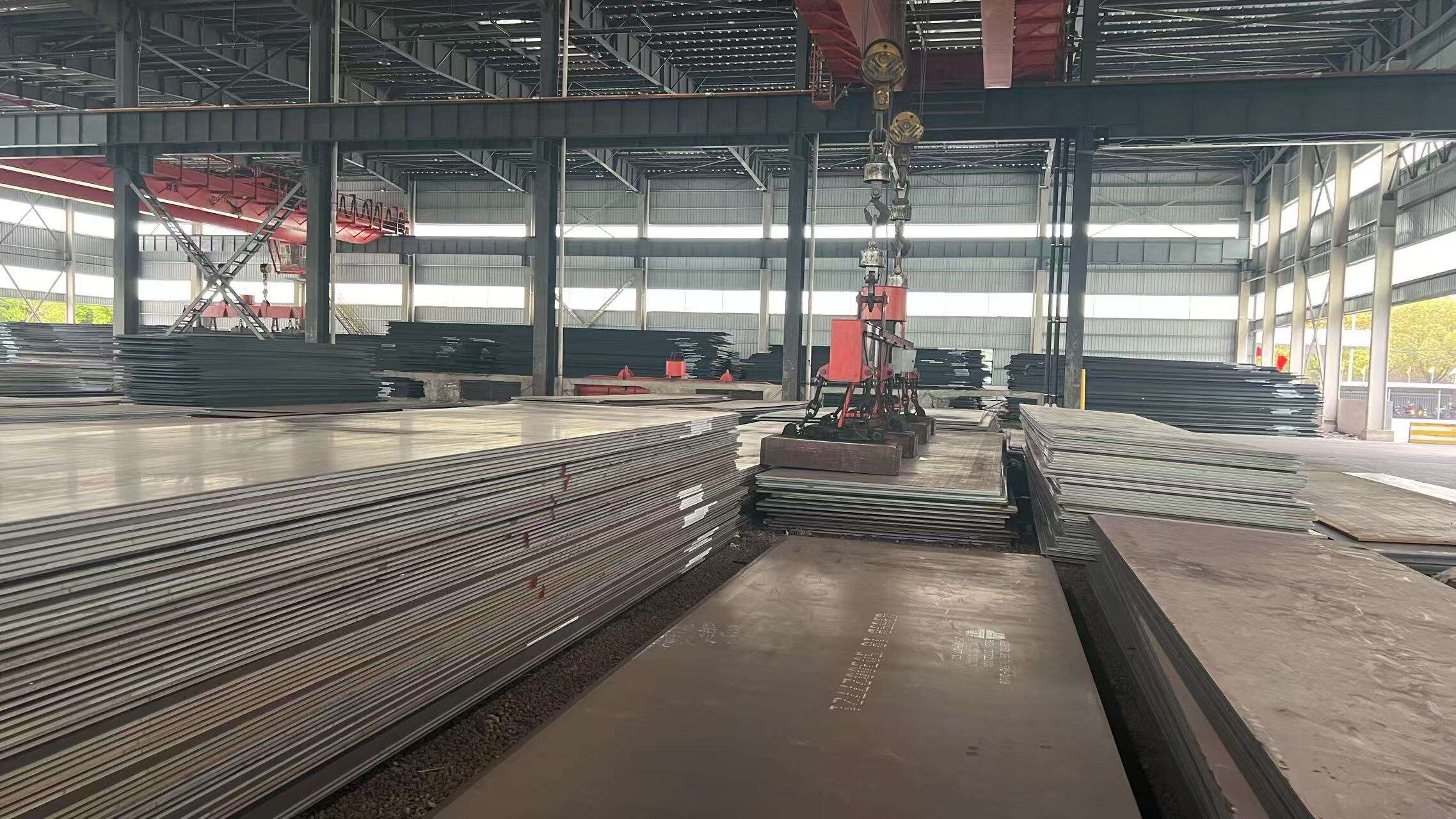
Mining equipment operates in some of the harshest industrial environments imaginable, where abrasive materials, high-impact forces, and extreme operational demands place extraordinary stress on structural components. Procuring the right wear-resistant steel plate for mining equipment is not merely a purchasing decision—it represents a strategic investment in operational efficiency, equipment longevity, and overall cost management. Organizations that approach wear-resistant steel plate procurement with a comprehensive understanding of material specifications, supplier capabilities, and application-specific requirements position themselves to maximize equipment uptime while controlling long-term maintenance expenses. The procurement process demands careful evaluation of metallurgical properties, manufacturing quality standards, and the specific wear mechanisms encountered in mining operations.
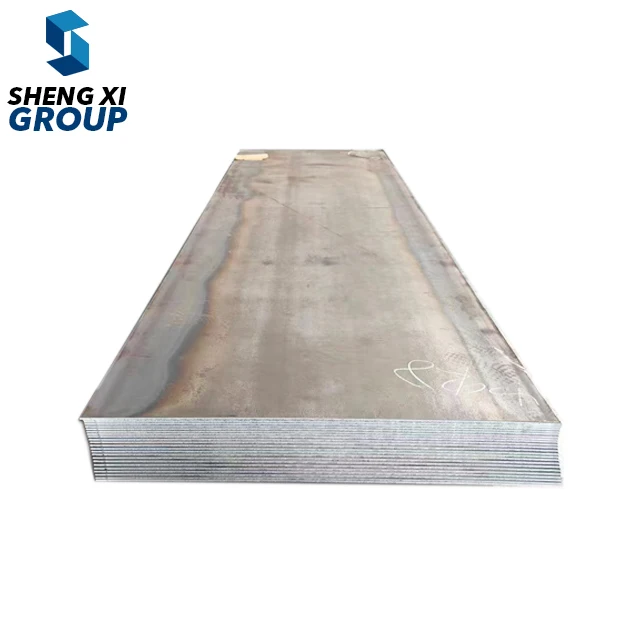
The complexity of mining equipment procurement extends beyond simple material selection to encompass supplier qualification, quality assurance protocols, delivery logistics, and post-installation performance validation. Successful procurement teams recognize that wear-resistant steel plate specifications must align precisely with the anticipated wear patterns, environmental conditions, and mechanical stresses inherent to specific mining applications. Whether sourcing material for haul truck beds, crusher liners, chute systems, or conveyor components, the procurement approach must integrate technical expertise with commercial acumen. This comprehensive guide examines the critical factors that mining operations must consider when procuring wear-resistant steel plate, from initial specification development through supplier evaluation and quality verification processes.
Understanding Wear-Resistant Steel Plate Requirements for Mining Applications
Material Hardness and Abrasion Resistance Specifications
The fundamental characteristic that defines wear-resistant steel plate performance in mining equipment is surface hardness, typically measured using the Brinell hardness scale. Mining applications generally require wear-resistant steel plate with hardness levels ranging from 400 to 600 BHN, with specific requirements determined by the intensity and type of abrasive wear expected. High-hardness grades provide superior resistance to gouging, scratching, and material loss caused by continuous contact with abrasive ores, coal, rock, and mineral aggregates. Procurement specifications must clearly define minimum hardness requirements while considering that extremely hard materials may exhibit reduced toughness and increased brittleness under impact loading conditions.
Abrasion resistance performance correlates strongly with hardness but also depends on microstructural characteristics including carbide distribution, grain size, and heat treatment processes. Modern wear-resistant steel plate typically achieves optimal abrasion resistance through controlled quenching and tempering processes that create martensitic or bainitic microstructures with uniform hardness distribution across the plate thickness. Procurement teams should specify testing protocols that verify not only surface hardness but also through-thickness hardness uniformity, particularly for plates exceeding 12mm thickness. Understanding the relationship between hardness and abrasion resistance helps procurement professionals select appropriate grades that balance wear life with other critical performance requirements.
Impact Toughness and Structural Integrity Considerations
While hardness dominates wear resistance, mining equipment components frequently experience significant impact forces that require adequate material toughness to prevent catastrophic failure. Procurement specifications for wear-resistant steel plate must address impact energy absorption capability, typically measured through Charpy V-notch testing at relevant service temperatures. Applications involving heavy rock impact, such as truck bed liners and ore chute systems, demand materials that combine high hardness with sufficient toughness to withstand repeated shock loading without cracking or spalling. This balance becomes particularly critical in cold-climate mining operations where low temperatures reduce material toughness.
The procurement process should establish minimum impact energy requirements based on actual operating conditions rather than relying solely on generic material specifications. Advanced wear-resistant steel plate formulations incorporate alloying elements such as nickel, chromium, and molybdenum to enhance toughness while maintaining hardness levels. Procurement professionals must evaluate whether suppliers provide certified test data demonstrating impact performance at anticipated service temperatures, particularly for applications in extreme environments. Specifying appropriate toughness levels prevents premature equipment failure while ensuring that wear-resistant steel plate delivers expected service life under combined abrasion and impact conditions.
Chemical Composition and Alloying Strategy
The chemical composition of wear-resistant steel plate fundamentally determines its mechanical properties, weldability, and suitability for specific mining applications. Carbon content typically ranges from 0.15% to 0.30% in modern wear plates, with higher carbon levels contributing to increased hardness but potentially reducing weldability and toughness. Procurement specifications should define acceptable ranges for key alloying elements including manganese, chromium, nickel, molybdenum, and boron, each contributing distinct metallurgical benefits. Manganese enhances hardenability and strength, chromium improves wear resistance and corrosion protection, while nickel increases toughness particularly at low temperatures.
Understanding alloying strategies enables procurement teams to evaluate whether proposed wear-resistant steel plate formulations align with application requirements and fabrication processes. Low-carbon equivalent formulations facilitate field welding and component repair, critical considerations for mining operations in remote locations with limited specialized welding capabilities. The procurement process should require suppliers to provide certified mill test reports documenting actual chemical composition for each heat or batch, enabling traceability and quality assurance. Evaluating chemical composition also helps predict material behavior during cutting, forming, and welding operations that occur during equipment fabrication and maintenance activities.
Critical Supplier Qualification and Selection Criteria
Manufacturing Process Capabilities and Quality Control Systems
Selecting qualified suppliers represents perhaps the most consequential decision in wear-resistant steel plate procurement for mining equipment. Manufacturing process capabilities directly influence material consistency, performance reliability, and dimensional accuracy. Leading suppliers employ controlled quenching and tempering processes with sophisticated temperature monitoring and cooling rate management to achieve uniform mechanical properties throughout each plate. Procurement teams should evaluate whether potential suppliers utilize modern rolling mill equipment, precision heat treatment furnaces, and automated handling systems that minimize quality variation between production batches.
Quality management systems certified to ISO 9001 or equivalent standards provide foundational assurance that suppliers maintain consistent production controls and documentation practices. However, procurement due diligence should extend beyond certification status to examine actual testing protocols, inspection frequencies, and non-conformance management procedures. Qualified suppliers conduct regular hardness testing across plate surfaces, perform chemical composition analysis for each heat, and maintain comprehensive traceability systems linking finished products to raw material sources. Site audits of supplier facilities, when feasible, reveal equipment condition, workforce expertise, and operational discipline that documentation alone cannot convey.
Technical Support and Application Engineering Resources
Beyond manufacturing capabilities, supplier selection should consider the availability of technical support services that assist with material selection, application optimization, and troubleshooting. Experienced suppliers of wear-resistant steel plate maintain engineering teams familiar with diverse mining applications who can recommend appropriate grades, thicknesses, and installation practices for specific equipment components. This expertise proves particularly valuable when addressing unusual wear patterns, evaluating alternative materials for cost optimization, or adapting specifications for new equipment designs.
Procurement professionals should assess whether suppliers provide comprehensive technical documentation including welding procedures, fabrication guidelines, and installation recommendations. The ability to consult with knowledgeable technical representatives during specification development, bid evaluation, and post-installation performance monitoring adds significant value beyond material cost considerations. Suppliers who invest in application research, field performance studies, and continuous product development demonstrate commitment to customer success that typically correlates with superior long-term partnership value. Technical support capabilities become especially critical for mining operations deploying equipment in challenging conditions where material performance directly impacts operational continuity.
Supply Chain Reliability and Delivery Performance
Mining equipment procurement schedules often drive tight timelines for component fabrication and installation, making supplier delivery reliability a critical selection factor. Evaluating potential suppliers' inventory management practices, production capacity, and logistics capabilities helps ensure wear-resistant steel plate availability aligns with project schedules. Suppliers maintaining strategic inventory positions of common grades and sizes can respond quickly to urgent requirements, while those relying exclusively on make-to-order production may introduce schedule risks during periods of high demand.
Geographic proximity and transportation logistics influence both delivery speed and total landed cost for wear-resistant steel plate procurement. Domestic suppliers may offer shorter lead times and simplified customs procedures, while international sources might provide cost advantages or access to specialized grades unavailable locally. Procurement strategies should evaluate total cost of ownership including transportation expenses, import duties, currency exchange considerations, and inventory carrying costs rather than focusing narrowly on quoted material prices. Establishing relationships with multiple qualified suppliers creates supply chain resilience that protects against production disruptions, capacity constraints, or quality issues affecting individual sources.
Specification Development and Performance Verification Protocols
Dimensional Tolerances and Surface Quality Standards
Effective wear-resistant steel plate procurement requires precise specification of dimensional requirements including thickness tolerances, flatness standards, edge condition, and surface finish. Mining equipment fabrication often involves cutting plates to complex shapes, welding assemblies, and fitting components into existing structures where dimensional accuracy directly affects installation efficiency and final fit. Standard thickness tolerances for wear-resistant steel plate typically follow industrial norms such as ASTM A6 specifications, but applications with critical clearance requirements may demand tighter controls that must be explicitly stated in procurement documents.
Surface quality considerations encompass both functional and cosmetic aspects that influence downstream processing and long-term performance. Mill scale, surface oxidation, and coating requirements affect weldability, paint adhesion, and corrosion resistance. Some mining applications benefit from shot-blasted or pickled surfaces that remove mill scale and facilitate welding or coating application. Procurement specifications should clearly define acceptable surface conditions, marking requirements for material identification and traceability, and any special packaging needs to prevent handling damage during transportation and storage. Addressing these details upfront prevents costly rework and installation delays.
Testing and Certification Requirements
Comprehensive testing protocols provide objective verification that supplied wear-resistant steel plate meets specified performance requirements. Standard procurement specifications typically require mill test certificates documenting chemical composition, mechanical properties including tensile strength and yield strength, and hardness testing results. For critical mining applications, additional testing may include impact toughness verification at specified temperatures, ultrasonic examination for internal defects, and dimensional inspection reports confirming thickness uniformity and flatness within tolerance.
Third-party inspection services offer independent verification valuable for high-value procurements or when establishing relationships with new suppliers. Procurement teams can specify that material undergo witness testing at the supplier's facility or require submission of representative samples for independent laboratory analysis before accepting full shipments. Understanding applicable industry standards such as ASTM, EN, or JIS specifications enables procurement professionals to reference established testing methodologies rather than creating custom protocols. Well-defined acceptance criteria and clear documentation requirements streamline receiving inspection processes and provide objective bases for resolving any quality disputes.
Traceability Systems and Material Documentation
Mining operations increasingly emphasize material traceability systems that link installed wear-resistant steel plate to original manufacturing documentation, enabling performance tracking and facilitating future procurement decisions. Comprehensive traceability begins with heat number marking on each plate, allowing correlation with certified mill test reports that document chemical composition and mechanical properties for specific production batches. Advanced suppliers employ automated marking systems that apply permanent identification including heat numbers, grade designations, and dimensional information directly on plate surfaces.
Procurement specifications should require suppliers to maintain detailed manufacturing records accessible for future reference, particularly when evaluating long-term performance or investigating unexpected wear patterns. Digital documentation systems enable efficient record retrieval and facilitate comparative analysis across multiple installations. Establishing clear expectations regarding documentation format, retention periods, and accessibility provisions during contract negotiation ensures critical information remains available throughout equipment service life. Robust traceability practices support continuous improvement initiatives by enabling correlation between material properties, supplier sources, and actual field performance.
Commercial Considerations and Total Cost Management
Pricing Structures and Cost Components Analysis
Understanding the cost structure of wear-resistant steel plate procurement enables more effective negotiation and budget management. Base material pricing typically reflects raw material costs, manufacturing complexity, and market conditions, with premium grades commanding higher prices due to specialized alloying and processing requirements. Beyond base prices, procurement teams must account for processing charges including cutting to size, edge preparation, surface treatment, and special packaging. Transportation costs vary significantly based on shipment weight, distance, handling requirements, and delivery schedule constraints.
Volume-based pricing discounts often apply to wear-resistant steel plate procurement, incentivizing consolidation of requirements across multiple projects or equipment units. However, procurement strategies must balance potential savings against inventory carrying costs and obsolescence risks associated with maintaining large material stocks. Strategic sourcing approaches might establish framework agreements with preferred suppliers that secure favorable pricing while maintaining flexibility regarding delivery timing and quantity adjustments. Total cost analysis should incorporate quality-related expenses including inspection costs, potential rework or rejection expenses, and the substantial indirect costs associated with equipment downtime resulting from premature component failure.
Contract Terms and Risk Allocation
Well-structured procurement contracts clearly allocate responsibilities and risks between purchasers and suppliers, establishing foundations for successful partnerships. Key contractual provisions address delivery terms using standard Incoterms that define precisely when risk and title transfer, payment terms balancing supplier cash flow needs with purchaser risk management, and warranty provisions covering material defects and performance guarantees. Mining operations should negotiate contract terms that protect against quality failures while recognizing that unrealistic warranty expectations may drive suppliers to add risk premiums increasing overall costs.
Force majeure provisions, price adjustment mechanisms, and change order procedures establish frameworks for managing unforeseen circumstances that affect either party. For long-term supply relationships or multi-phase projects, contracts might include volume commitments, price stability provisions, or performance incentives aligned with delivery reliability and quality objectives. Legal review ensures contracts comply with applicable commercial law and adequately protect organizational interests. Experienced procurement professionals recognize that balanced contracts supporting mutual success create more value than one-sided terms that may win initial concessions but undermine supplier commitment and long-term partnership viability.
Life-Cycle Cost Analysis and Value Engineering
Sophisticated procurement approaches evaluate wear-resistant steel plate alternatives using life-cycle cost analysis that extends beyond initial purchase prices to consider installation expenses, expected service life, maintenance requirements, and replacement costs. Higher-grade materials commanding premium prices often deliver superior cost-effectiveness by extending component life, reducing maintenance frequency, and minimizing production interruptions. Quantitative analysis comparing total ownership costs across candidate materials supports data-driven selection decisions that optimize long-term value rather than simply minimizing upfront expenditure.
Value engineering processes systematically examine opportunities to reduce costs while maintaining or improving performance through material substitution, design optimization, or specification refinement. Collaboration with suppliers during value engineering often identifies alternative wear-resistant steel plate grades, thickness optimizations, or fabrication method improvements that reduce total costs. However, value engineering must proceed carefully in mining applications where component failure carries severe consequences including equipment damage, production losses, and potential safety incidents. Balancing cost optimization with reliability requirements demands technical expertise and operational experience that procurement teams should actively cultivate.
Installation Planning and Post-Procurement Performance Management
Fabrication and Installation Best Practices
Successful wear-resistant steel plate procurement extends into fabrication and installation phases where improper practices can compromise material performance despite correct material selection. Cutting operations using thermal methods such as oxy-fuel or plasma cutting generate heat-affected zones along edges where material properties may differ from base metal characteristics. Procurement specifications should reference appropriate cutting procedures and may require edge preparation such as grinding to remove hardened zones before welding. Suppliers can provide fabrication guidelines specific to their wear-resistant steel plate products that address cutting, forming, welding, and drilling considerations.
Welding procedures require particular attention as high-hardness wear-resistant steel plate exhibits reduced weldability compared to conventional structural steels. Preheating requirements, maximum interpass temperatures, low-hydrogen welding consumables, and post-weld stress relief procedures must follow proven protocols to prevent cracking and ensure joint integrity. Mining operations should verify that fabrication contractors possess appropriate expertise and follow recommended practices when working with wear-resistant materials. Procurement contracts might specify that suppliers provide technical support during critical fabrication operations, particularly for initial installations with unfamiliar materials or demanding applications.
Performance Monitoring and Data-Driven Replacement Decisions
Implementing systematic performance monitoring programs generates valuable data that informs future wear-resistant steel plate procurement decisions and validates material selections. Regular inspection protocols document wear progression through thickness measurements, visual assessment of wear patterns, and evaluation for cracking or other damage modes. Tracking component service life against operational parameters including tonnage processed, material characteristics, and environmental conditions enables statistical analysis supporting optimized replacement scheduling and material selection refinement.
Data collection systems should capture sufficient detail to support comparative analysis across different wear-resistant steel plate grades, suppliers, and installation locations. Photographic documentation provides visual records useful for identifying unusual wear mechanisms or comparing performance across similar applications. Mining operations that systematically analyze performance data develop institutional knowledge regarding which materials perform optimally in specific applications, enabling continuous improvement in procurement specifications. Sharing performance feedback with suppliers creates opportunities for collaborative problem-solving and product development addressing application-specific challenges.
Supplier Relationship Management and Continuous Improvement
Long-term success in wear-resistant steel plate procurement depends significantly on cultivating productive relationships with qualified suppliers who understand mining application requirements and commit to continuous improvement. Regular performance reviews evaluating delivery reliability, quality conformance, technical support responsiveness, and commercial competitiveness provide structured feedback that drives supplier development. Mining operations that treat suppliers as strategic partners rather than transactional vendors often receive preferential treatment during capacity constraints, early access to product innovations, and enhanced technical support.
Collaborative improvement initiatives might address process optimization, cost reduction opportunities, or product development for emerging applications. Supplier involvement during equipment design phases enables early consideration of material availability, manufacturing constraints, and installation requirements that influence component specifications. Transparent communication regarding performance expectations, quality issues, and business priorities establishes mutual understanding supporting effective partnership. Procurement organizations should balance relationship development with maintaining competitive pressure through periodic market assessments and selective qualification of alternative sources that provide supply chain resilience and competitive benchmarking.
FAQ
What hardness level should I specify when procuring wear-resistant steel plate for mining equipment?
Hardness specifications for mining applications typically range from 400 to 600 BHN depending on the specific wear mechanism and impact conditions. Applications dominated by sliding abrasion such as chute liners and conveyor floors generally perform well with 400-450 BHN materials that balance wear resistance with good toughness and weldability. Heavy impact applications including truck beds and crusher components often require 500-600 BHN materials despite slightly reduced toughness. The optimal hardness selection depends on your specific operational conditions, with abrasive ore types and high-tonnage operations favoring harder grades while impact-intensive applications require careful evaluation of the hardness-toughness tradeoff.
How do I verify that supplied wear-resistant steel plate meets procurement specifications?
Verification begins with reviewing certified mill test reports that document chemical composition, mechanical properties, and hardness testing for each heat or batch. These certificates should reference recognized testing standards and include traceable heat numbers marked on the actual plates. For critical applications, consider specifying third-party witness testing at the supplier's facility or independent laboratory analysis of representative samples. Incoming inspection should verify dimensional conformance, surface quality, proper material identification marking, and correlation between marked heat numbers and provided documentation. Maintaining systematic records of supplier performance and conducting periodic audits of supplier quality systems provides ongoing assurance beyond individual shipment verification.
What factors should determine whether I source wear-resistant steel plate domestically or internationally?
The domestic versus international sourcing decision involves multiple considerations beyond simple price comparison. Lead time requirements may favor domestic suppliers who can respond quickly to urgent needs, while planned procurements with longer horizons can accommodate international shipping schedules. Total landed cost analysis should include transportation expenses, customs duties, currency exchange impacts, and inventory carrying costs. Technical support accessibility, communication effectiveness, and quality issue resolution processes often prove easier with domestic suppliers. However, international sources may offer specialized grades unavailable domestically or significant cost advantages for large-volume requirements. Supply chain risk management typically suggests qualifying both domestic and international sources to ensure continuity and maintain competitive pressure.
How frequently should I re-evaluate wear-resistant steel plate specifications for mining equipment?
Systematic specification review should occur whenever significant changes affect operating conditions, including new ore types, modified equipment configurations, or altered production volumes. Annual reviews of performance data comparing actual service life against expectations can identify opportunities for specification optimization. When premature failures occur or unexpected wear patterns emerge, immediate investigation should determine whether specification adjustments or supplier changes are warranted. Market assessments every 18-24 months help identify new material developments, alternative suppliers, or cost optimization opportunities. Establishing formal change control processes ensures that specification modifications receive appropriate technical review and stakeholder approval before implementation, maintaining consistency while enabling continuous improvement based on operational experience and technological advancement.
Table of Contents
- Understanding Wear-Resistant Steel Plate Requirements for Mining Applications
- Critical Supplier Qualification and Selection Criteria
- Specification Development and Performance Verification Protocols
- Commercial Considerations and Total Cost Management
- Installation Planning and Post-Procurement Performance Management
-
FAQ
- What hardness level should I specify when procuring wear-resistant steel plate for mining equipment?
- How do I verify that supplied wear-resistant steel plate meets procurement specifications?
- What factors should determine whether I source wear-resistant steel plate domestically or internationally?
- How frequently should I re-evaluate wear-resistant steel plate specifications for mining equipment?