
 EN
EN
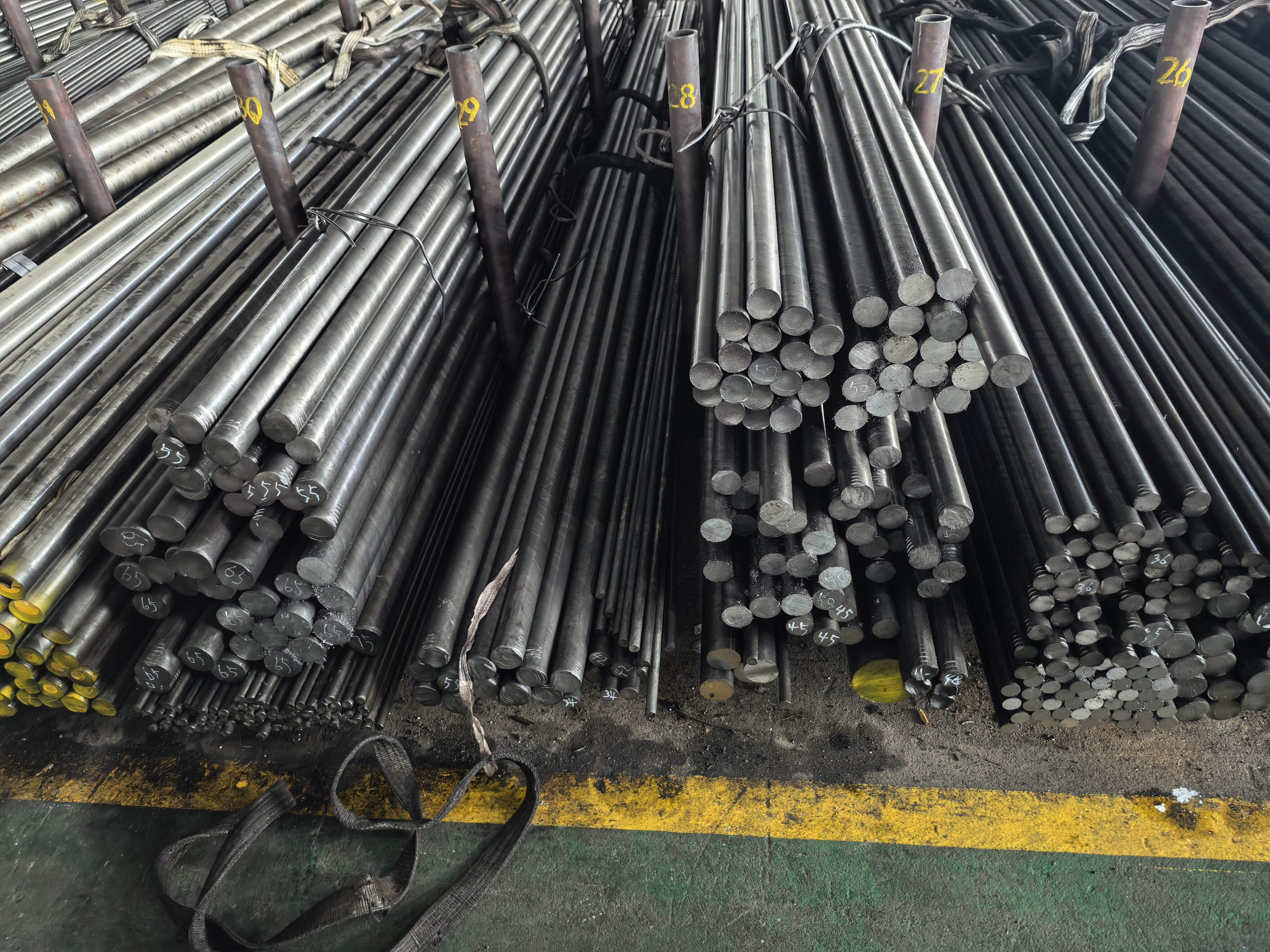
In the high-stakes environment of global power generation, the integrity of every component determines the difference between operational excellence and catastrophic failure. Among these critical components, boiler tubes serve as the frontline infrastructure that sustains combustion processes, transfers thermal energy, and maintains pressure containment under extreme conditions. The question of why boiler tubes must meet elite standards transcends regulatory compliance—it addresses fundamental safety imperatives that protect personnel, preserve capital investments, and ensure continuous energy supply to millions of consumers worldwide. When boiler tubes fail to meet rigorous material specifications, metallurgical properties, or dimensional tolerances, the consequences cascade through entire power generation systems, triggering operational disruptions, environmental hazards, and potentially devastating human losses.
The global power generation sector operates under relentless pressure to deliver reliable electricity while navigating increasingly stringent safety regulations, environmental mandates, and efficiency benchmarks. Within this demanding context, boiler tubes represent a vulnerability point where material deficiencies translate directly into systemic risks. Elite standards for boiler tubes encompass not merely dimensional accuracy or surface finish, but comprehensive requirements spanning chemical composition control, mechanical property validation, non-destructive testing protocols, and traceability documentation. These standards exist because power generation boilers operate in punishing thermal regimes—often sustaining temperatures exceeding 600 degrees Celsius and pressures surpassing 200 bar—conditions that expose any material weakness with unforgiving clarity. Understanding why elite standards matter requires examining the interconnected failure mechanisms, safety implications, and operational realities that define modern power generation infrastructure.
The Critical Role of Boiler Tubes in Power Generation Safety Infrastructure
Pressure Containment and Structural Integrity Under Extreme Operating Conditions
Boiler tubes function as pressure boundary components that must withstand sustained mechanical stresses while resisting thermal fatigue, creep deformation, and corrosion attack. In supercritical and ultra-supercritical power plants, boiler tubes experience steam pressures ranging from 180 to 300 bar combined with metal temperatures approaching the material's creep threshold. Elite standards mandate precise tensile strength specifications, yield point requirements, and elongation values because these mechanical properties directly correlate with pressure containment capability. When boiler tubes fail to meet minimum tensile strength requirements—typically ranging from 410 to 510 MPa for common alloy grades—the risk of rupture under normal operating pressure increases exponentially, potentially triggering sudden pressure releases that endanger nearby personnel and equipment.
The structural integrity of boiler tubes depends equally on dimensional accuracy, particularly wall thickness uniformity. Elite manufacturing standards require wall thickness tolerances within narrow bands, typically plus or minus 10 to 12.5 percent of nominal dimension, because localized thinning creates stress concentration points vulnerable to failure initiation. Advanced ultrasonic testing protocols mandated by elite standards detect internal defects such as laminations, inclusions, or porosity that compromise structural integrity despite meeting nominal dimensional specifications. These non-destructive examination requirements exist because hidden material discontinuities accelerate crack propagation under cyclic thermal and pressure loading, transforming minor imperfections into catastrophic failure pathways.
Thermal Energy Transfer Efficiency and Operational Performance Requirements
Beyond pressure containment, boiler tubes serve as heat transfer surfaces where combustion energy converts water into high-temperature steam. Elite standards address thermal conductivity properties, surface condition requirements, and internal cleanliness specifications because heat transfer efficiency directly impacts fuel consumption, emission profiles, and overall plant economics. When boiler tubes exhibit surface oxidation, scale formation, or internal contamination due to substandard manufacturing processes, thermal resistance increases, forcing higher combustion temperatures to achieve target steam conditions. This operational compensation accelerates tube metal temperature beyond design parameters, hastening creep damage accumulation and reducing component service life.
Material selection standards for boiler tubes reflect precise balancing of thermal conductivity against high-temperature strength retention. Carbon steel grades such as 20G provide adequate thermal transfer for lower temperature applications, while alloy compositions incorporating chromium, molybdenum, and vanadium enhance creep resistance for superheater and reheater applications. Elite material standards mandate specific alloying element ranges—for instance, 12Cr1MoV typically requires 0.90 to 1.20 percent chromium and 0.25 to 0.35 percent molybdenum—because deviations outside these controlled bands compromise either high-temperature strength or fabrication characteristics. The precision of chemical composition control directly determines whether boiler tubes can sustain design service life under intended operating conditions.
Corrosion Resistance and Long-Term Material Durability
Power generation boilers expose tubes to aggressive environments combining high-temperature oxidation, steam-side corrosion, and potential fireside attack from combustion products. Elite standards incorporate corrosion resistance requirements addressing both external and internal attack mechanisms because material loss from corrosion reduces effective wall thickness, eventually compromising pressure containment capability. On the fireside, sulfur compounds, chlorides, and vanadium pentoxide in fuel ash can initiate accelerated oxidation attack, particularly in lower furnace sections and superheater zones. Material specifications for boiler tubes must account for anticipated fuel characteristics, with higher alloy content specified for applications involving corrosive fuel compositions.
Steam-side oxidation represents another critical degradation mechanism addressed by elite material standards. At metal temperatures above 450 degrees Celsius, oxide scale forms on internal tube surfaces, with scale thickness and adherence characteristics determined by alloy composition and surface treatment. Elite manufacturing standards require controlled heat treatment processes that optimize grain structure and surface condition to minimize oxidation kinetics. Additionally, dimensional stability requirements ensure uniform wall thickness that prevents localized overheating—a primary driver of accelerated steam-side oxidation. The comprehensive approach of elite standards recognizes that corrosion protection depends not solely on alloy selection but on integrated material properties, surface preparation, and manufacturing process control.
Regulatory Frameworks and International Safety Standards Governing Boiler Tubes
ASME Boiler and Pressure Vessel Code Requirements for Material Qualification
The American Society of Mechanical Engineers Boiler and Pressure Vessel Code represents the foundational regulatory framework governing boiler tubes in power generation applications across numerous jurisdictions. Section II of the ASME Code establishes material specifications, chemical composition requirements, mechanical property criteria, and quality assurance protocols that define elite standards for pressure-retaining components. Boiler tubes must comply with specific material designations such as SA-192, SA-213, or SA-210, each imposing distinct manufacturing requirements, testing protocols, and certification documentation. These specifications exist because decades of operational experience and failure analysis have identified the precise material characteristics necessary to ensure safe operation under defined pressure and temperature conditions.
ASME Code compliance requires comprehensive material testing including tensile testing, hardness verification, flattening tests, and flaring examinations that validate mechanical properties throughout the tube wall cross-section. Elite standards mandate testing frequency based on heat lot traceability, with each production heat subjected to qualification testing before release for fabrication. Additionally, the Code requires non-destructive examination using electromagnetic, ultrasonic, or eddy current methods capable of detecting surface and subsurface defects below critical size thresholds. The multilayered testing regime reflects understanding that boiler tube integrity cannot be inferred from limited sampling—comprehensive examination across production quantities provides the statistical confidence necessary to ensure fleet-wide safety performance.
European Pressure Equipment Directive and EN Standards Integration
Within European Union jurisdictions and aligned markets, the Pressure Equipment Directive establishes essential safety requirements for boiler tubes as pressure-bearing components. Compliance requires conformity with harmonized European Norm standards such as EN 10216 for seamless steel tubes, which specify chemical composition, mechanical properties, manufacturing processes, and inspection protocols parallel to but distinct from ASME requirements. Elite standard compliance in European contexts demands not only material property verification but also comprehensive quality management system certification, design review documentation, and third-party conformity assessment by notified bodies. This regulatory structure recognizes that material excellence alone proves insufficient without robust manufacturing governance and independent verification mechanisms.
The integration of material standards with pressure equipment safety assessment procedures creates layered protection against substandard boiler tubes entering power generation supply chains. Manufacturers must demonstrate technical competency through facility audits, personnel qualification documentation, and process capability studies before receiving authorization to supply pressure equipment. Each production lot requires material certificates documenting chemical analysis results, mechanical test data, heat treatment parameters, and non-destructive examination records that enable full traceability from raw material source through final delivery. These documentation requirements support post-installation surveillance, failure investigation, and lifecycle management activities essential to maintaining long-term safety performance across global power generation fleets.
National Standards and Regional Compliance Variations
Beyond ASME and European frameworks, numerous national standards bodies maintain boiler tube specifications reflecting regional operational practices, fuel characteristics, and regulatory philosophies. Chinese standard GB 5310 establishes requirements for high-pressure boiler tubes widely specified in Asian power generation projects, with chemical composition ranges and mechanical property criteria that parallel international standards while incorporating specific provisions for local manufacturing capabilities. Japanese Industrial Standards JIS G 3461 and G 3462 define carbon steel and alloy steel tube requirements for power boilers operating throughout Asia-Pacific markets. Russian GOST standards continue to govern boiler tube procurement across former Soviet Union territories and associated trading partners.
The existence of multiple national standards frameworks creates complexity for global power generation projects sourcing boiler tubes from international suppliers. Elite standard compliance requires understanding equivalency relationships between different specification systems, recognizing that nominally similar designations may incorporate subtle differences in permissible chemistry ranges, testing requirements, or acceptance criteria. Sophisticated procurement organizations establish cross-reference matrices mapping specification equivalencies while identifying areas where direct substitution requires engineering review and approval. This attention to specification detail proves essential because boiler tube failures stemming from material non-conformance respect no regulatory boundaries—the physics of high-temperature, high-pressure operation impose universal requirements regardless of administrative frameworks.
Failure Mechanisms and Catastrophic Consequences of Substandard Boiler Tubes
Creep Rupture and Time-Dependent Deformation Failure Modes
Creep represents the progressive plastic deformation occurring in boiler tubes subjected to sustained high-temperature stress over extended service periods. When boiler tubes fail to meet elite metallurgical standards—particularly regarding grain structure control, alloying element distribution, and heat treatment parameters—creep resistance degrades, accelerating time-to-rupture under design operating conditions. Creep failures typically manifest through gradual diameter expansion followed by localized thinning and eventual rupture, often occurring at welds or bends where stress concentration amplifies deformation rates. The catastrophic nature of creep rupture stems from sudden pressure release that can propel tube fragments as projectiles while discharging high-temperature steam into occupied spaces or adjacent equipment zones.
Elite material standards address creep resistance through multiple mechanisms including alloy composition optimization, controlled manufacturing processes that refine grain structure, and mandatory creep testing that validates time-dependent strength retention. Chromium-molybdenum alloy grades specified for superheater and reheater applications demonstrate superior creep performance compared to carbon steel alternatives because chromium enhances oxide stability while molybdenum retards dislocation movement within the crystalline structure. When procurement decisions prioritize cost reduction over elite standard compliance, substituting lower-alloy compositions or accepting relaxed chemical composition tolerances, the resulting creep life reduction may not manifest immediately but accumulates silently until sudden failure occurs without warning—often years after initial installation.
Thermal Fatigue and Cyclic Loading Damage Accumulation
Modern power generation increasingly involves cycling operation responding to renewable energy integration and demand fluctuations, imposing repeated thermal transients on boiler tubes during startup, shutdown, and load change operations. Thermal fatigue damage accumulates as differential expansion between tube material and attachments generates cyclic stress reversals that initiate surface cracks propagating through wall thickness. Elite manufacturing standards address fatigue resistance through surface finish requirements, dimensional tolerance control, and heat treatment practices that minimize residual stress and optimize microstructural uniformity. When boiler tubes exhibit surface defects, geometric discontinuities, or metallurgical inconsistencies from substandard manufacturing, stress concentration factors amplify local strain ranges, accelerating crack initiation and propagation rates.
The intersection of thermal fatigue with other degradation mechanisms creates synergistic failure pathways particularly dangerous in power generation applications. Steam-side oxidation produces brittle scale layers that crack under thermal cycling, creating initiation sites for underlying metal fatigue. Fireside corrosion generates surface irregularities that concentrate thermal stress during transient operations. Elite standards recognize these interaction effects, specifying integrated material properties, surface conditions, and manufacturing quality levels that provide robust resistance against combined damage mechanisms. Failure to maintain these comprehensive standards results in premature crack development, forcing unplanned outages for tube replacement while creating latent risk of catastrophic failure during subsequent operation.
Hydrogen Damage and Embrittlement in High-Temperature Steam Environments
At elevated temperatures, atomic hydrogen generated through steam corrosion reactions can diffuse into boiler tube material, accumulating at grain boundaries, inclusions, and microstructural discontinuities. Over time, hydrogen atoms combine to form molecular hydrogen gas at internal defects, generating localized pressure that propagates cracks through mechanisms known as hydrogen-induced cracking or hydrogen embrittlement. Elite material standards mandate controlled chemistry to minimize susceptibility elements, specify inclusion shape control through steelmaking practices, and require grain structure refinement through thermomechanical processing. These metallurgical controls reduce hydrogen diffusion rates and eliminate nucleation sites where hydrogen can accumulate to critical concentrations.
The insidious nature of hydrogen damage lies in its delayed manifestation—tubes may operate satisfactorily for years before accumulated hydrogen reaches critical levels triggering sudden brittle fracture. Unlike ductile failure modes that exhibit warning through detectable deformation or leakage, hydrogen-induced cracking can produce instantaneous through-wall fracture without precursor indications. This failure characteristic makes prevention through elite material standards absolutely critical, as post-installation monitoring techniques offer limited capability to detect progressive hydrogen accumulation. Material specifications incorporating fine-grained microstructures, controlled sulfur content to prevent elongated sulfide inclusions, and appropriate heat treatment to optimize toughness properties provide primary defense against hydrogen damage mechanisms throughout extended service life.
Manufacturing Excellence and Quality Assurance Systems for Elite Boiler Tubes
Steelmaking Process Control and Chemical Composition Precision
The foundation of elite boiler tubes begins with steelmaking process control that achieves precise chemical composition within narrow specification bands while minimizing deleterious elements and inclusions. Modern electric arc furnace or basic oxygen furnace processes combined with ladle metallurgy refinement enable tight control of carbon, manganese, silicon, and critical alloying elements such as chromium and molybdenum. Elite manufacturing requires multiple spectroscopic analyses during melt processing, with final ladle composition adjusted to achieve target mid-range values rather than merely satisfying minimum requirements. This proactive composition control ensures consistent mechanical properties across production quantities and minimizes property variation between different heats of ostensibly identical material grades.
Beyond primary alloying elements, elite standards address residual element control particularly for sulfur, phosphorus, and trace elements that influence hot workability, impact toughness, and corrosion resistance. Sulfur content typically must remain below 0.025 percent to prevent hot shortness during tube piercing operations and minimize elongated sulfide inclusions that reduce transverse ductility. Phosphorus restrictions to similar levels prevent grain boundary embrittlement that degrades high-temperature toughness. Advanced steelmaking incorporating vacuum degassing or argon stirring further reduces dissolved gases, particularly hydrogen and nitrogen, which otherwise contribute to porosity formation and embrittlement phenomena. The comprehensive chemistry control embedded in elite manufacturing standards reflects understanding that boiler tube performance depends on the complete composition profile, not merely nominal alloy designation.
Seamless Tube Manufacturing and Dimensional Quality Control
Elite boiler tubes predominantly utilize seamless manufacturing processes—either rotary piercing or extrusion—that eliminate longitudinal weld seams representing potential weak points in pressure-containing structures. The seamless manufacturing route begins with solid round billets heated to forging temperature then pierced over a mandrel to create hollow shells. Subsequent hot rolling through sizing stands and pilgering or cold drawing operations achieve final dimensions with exceptional wall thickness uniformity and surface finish quality. Elite manufacturing standards mandate frequent dimensional inspection using ultrasonic or electromagnetic measurement systems that detect wall thickness variations as small as 0.1 millimeters, ensuring compliance with stringent tolerance requirements throughout production lengths.
Surface condition control represents another critical aspect of seamless tube manufacturing excellence. Elite standards specify maximum depths for surface imperfections, require removal of any detrimental scale or oxidation through pickling or mechanical descaling, and mandate final surface inspection capable of detecting linear indications exceeding 0.3 millimeters depth. Internal surface quality receives equal attention, with specifications limiting internal roughness and requiring removal of any loose scale that could obstruct flow or concentrate stress during operation. The manufacturing process sequence incorporating multiple inspection points—after piercing, after hot rolling, after heat treatment, and before final shipment—provides layered quality assurance preventing nonconforming material from entering power generation supply chains.
Heat Treatment Protocols and Metallurgical Property Optimization
Heat treatment represents the critical manufacturing step transforming raw tube material into components with optimized mechanical properties, microstructure, and residual stress state. Elite standards mandate specific heat treatment cycles including normalizing, annealing, or quenching and tempering depending on alloy grade and intended service conditions. For carbon steel boiler tubes, normalizing involves heating above the upper critical temperature followed by air cooling to achieve uniform, fine-grained ferrite-pearlite microstructure with balanced strength and ductility. Alloy steel grades often require quenching and tempering to develop tempered martensitic or bainitic structures providing superior high-temperature strength and creep resistance.
The precision of heat treatment execution directly impacts final material properties and service performance. Elite manufacturing requires computer-controlled furnaces with documented temperature uniformity within plus or minus 10 degrees Celsius across heating zones, residence time monitoring to ensure complete phase transformation, and cooling rate control to achieve target microstructures. Post-heat treatment testing including hardness surveys, microstructural examination, and mechanical property verification confirms process effectiveness before material release. Additionally, heat treatment must relieve residual stresses introduced during cold working operations, preventing distortion during subsequent fabrication and minimizing stress corrosion cracking susceptibility during service. The comprehensive heat treatment protocols mandated by elite standards transform chemically-correct tube material into components with reliable, predictable performance characteristics essential for power generation safety.
Economic and Operational Justification for Elite Standard Compliance
Lifecycle Cost Analysis and Failure Avoidance Economics
While elite standard boiler tubes command premium acquisition costs compared to commodity alternatives, comprehensive lifecycle cost analysis consistently demonstrates economic superiority through failure avoidance, extended service life, and reduced maintenance burden. A single boiler tube failure in an operating power plant triggers cascading costs including emergency shutdown, lost generation revenue during repair outages, replacement material procurement, skilled labor mobilization, and potential consequential damage to adjacent equipment. For base-load power generation units, unplanned outages can exceed $1 million per day in lost revenue and replacement power costs, dwarfing any material cost differential between elite and marginal quality boiler tubes.
Extended service life represents another compelling economic driver for elite standard compliance. Boiler tubes meeting rigorous material specifications, dimensional tolerances, and manufacturing quality requirements routinely achieve 100,000 to 200,000 operating hours before requiring replacement, while substandard alternatives may fail prematurely at 30,000 to 50,000 hours. The replacement cycle acceleration forced by marginal quality material multiplies not only direct tube costs but also associated outage expenses, installation labor, and system decontamination requirements. When amortized across realistic service life expectations, elite standard boiler tubes deliver superior cost per operating hour despite higher initial investment, making specification compliance a financially prudent decision rather than mere regulatory obligation.
Reliability Enhancement and Operational Flexibility Benefits
Power generation profitability increasingly depends on operational flexibility—the capability to start quickly, cycle efficiently, and respond to market pricing signals without incurring excessive maintenance penalties. Elite standard boiler tubes enable this operational flexibility by providing robust resistance against thermal fatigue, maintaining pressure integrity across wide load ranges, and tolerating aggressive startup and shutdown transients. Plants equipped with marginal quality boiler tubes must often impose conservative operational constraints including slow startup ramps, limited cycling frequency, and restricted turndown ratios to manage failure risk, sacrificing market responsiveness and revenue optimization opportunities.
The reliability advantage conferred by elite standard compliance extends beyond individual component performance to fleet-wide risk management. Organizations maintaining consistent material specifications across multiple facilities develop institutional knowledge regarding expected performance characteristics, appropriate inspection intervals, and predictive replacement strategies. This operational predictability enables optimized maintenance planning, strategic spare parts inventory, and coordinated outage scheduling that minimize overall fleet downtime. Conversely, mixed material quality creates uncertainty regarding relative component reliability, forcing conservative inspection frequencies and precautionary replacements that increase maintenance costs without proportional risk reduction. The operational value of standardization on elite specifications often exceeds direct material cost differentials through enhanced planning efficiency and reduced uncertainty margins.
Insurance, Liability, and Regulatory Compliance Considerations
The legal and insurance landscape surrounding power generation increasingly scrutinizes material specification compliance as evidence of due diligence in safety management. Boiler tube failures causing personnel injury, environmental release, or property damage expose plant operators to liability claims where specification compliance documentation provides critical legal protection. Elite standard adherence with comprehensive material certification, traceability documentation, and conformity assessment records demonstrates that operators exercised reasonable care in component selection and procurement, potentially limiting liability exposure in post-incident litigation.
Insurance underwriters evaluating power generation facility risk profiles explicitly consider equipment quality and maintenance practices when establishing premium rates and coverage terms. Facilities demonstrating consistent procurement of elite standard boiler tubes backed by comprehensive quality documentation may qualify for favorable premium adjustments reflecting reduced loss probability. Conversely, evidence of marginal material procurement, specification exceptions, or inadequate quality verification can trigger coverage exclusions, higher deductibles, or unfavorable policy terms. The insurance economics of elite standard compliance often offset material cost premiums through risk transfer advantages, creating financial incentive beyond direct operational benefits. As power generation regulatory frameworks worldwide adopt increasingly stringent safety requirements, elite standard compliance transitions from competitive advantage to baseline market participation requirement.
FAQ
What specific material properties make boiler tubes safe for high-pressure power generation applications?
Safe boiler tubes for high-pressure power generation require a combination of mechanical strength, high-temperature stability, and corrosion resistance properties. Minimum tensile strength typically ranges from 410 to 510 MPa depending on alloy grade, with yield strength providing adequate safety margin against operational pressure stresses. Creep strength at elevated temperatures ensures that material maintains dimensional stability throughout design service life without excessive deformation. Impact toughness properties guarantee that material retains ductility rather than failing in brittle fracture mode under upset conditions. Chemical composition precision controls these properties, with specific ranges for carbon, manganese, chromium, molybdenum, and other alloying elements established through decades of operational experience. Additionally, metallurgical properties including grain size, inclusion content, and microstructural uniformity influence both baseline strength and resistance to degradation mechanisms such as hydrogen embrittlement and thermal fatigue.
How do elite manufacturing standards differ from basic boiler tube specifications?
Elite manufacturing standards impose substantially tighter tolerances, more comprehensive testing requirements, and enhanced traceability documentation compared to basic specifications. While basic standards may accept chemistry within broad compositional ranges, elite standards target mid-range values with restricted tolerance bands ensuring consistent properties. Dimensional tolerances under elite standards typically narrow to plus or minus 10 percent for wall thickness versus 12.5 percent or wider for commodity grades. Non-destructive examination requirements intensify, with elite standards mandating 100 percent volumetric inspection using multiple testing methods capable of detecting smaller flaw sizes. Heat treatment process control becomes more rigorous, requiring documented temperature uniformity, precise time-temperature profiles, and post-treatment property verification. Quality management systems supporting elite manufacturing incorporate ISO 9001 certification, pressure equipment directive compliance, and often ASME or equivalent Code authorization demonstrating facility capability and personnel qualification. The cumulative effect creates material with predictable, reliable performance characteristics versus commodity alternatives exhibiting wider property scatter and higher defect probability.
Can visual inspection alone verify boiler tube quality and safety compliance?
Visual inspection provides valuable but insufficient verification of boiler tube quality and safety compliance. Surface examination can identify obvious defects including cracks, laps, seams, or severe corrosion that disqualify material from service. Dimensional verification using calipers or micrometers confirms nominal outside diameter and wall thickness conformance. However, critical properties including chemical composition, internal defects, grain structure, heat treatment condition, and mechanical properties remain invisible to visual examination. Subsurface laminations, inclusions, or porosity require ultrasonic or electromagnetic testing for detection. Chemistry verification demands spectrometric analysis of representative samples. Mechanical property confirmation requires destructive tensile testing, hardness surveys, and potentially impact or flattening tests. Elite standard compliance necessitates comprehensive material test reports documenting all specification requirements with traceability to specific production heats. Reliance on visual inspection alone creates unacceptable risk of accepting nonconforming material with degraded safety performance despite acceptable external appearance.
What documentation should accompany elite standard boiler tubes to ensure traceability and compliance?
Comprehensive material documentation for elite standard boiler tubes includes multiple certificate types and supporting records. Mill test certificates or material test reports document chemical composition analysis results, mechanical property test data, heat treatment parameters, dimensional inspection results, and non-destructive examination findings for each production heat. These certificates must reference applicable material specifications such as ASME SA-213, EN 10216, or GB 5310 and confirm compliance with all specified requirements. Heat number markings on physical material enable correlation between delivered tubes and certification documentation. For pressure equipment applications under European PED or ASME Code jurisdiction, additional conformity assessment documentation may include manufacturer's declaration of conformity, authorized inspector reports, or notified body certificates. Quality management system certifications including ISO 9001 and facility authorization documents demonstrate manufacturer capability. Traceability extends through the supply chain, requiring documentation linking finished tubes to raw material sources, manufacturing process records, and final inspection results. This comprehensive documentation package enables verification activities, supports failure investigation if needed, and provides legal evidence of due diligence in safety-critical component procurement.
Table of Contents
- The Critical Role of Boiler Tubes in Power Generation Safety Infrastructure
- Regulatory Frameworks and International Safety Standards Governing Boiler Tubes
- Failure Mechanisms and Catastrophic Consequences of Substandard Boiler Tubes
- Manufacturing Excellence and Quality Assurance Systems for Elite Boiler Tubes
- Economic and Operational Justification for Elite Standard Compliance
-
FAQ
- What specific material properties make boiler tubes safe for high-pressure power generation applications?
- How do elite manufacturing standards differ from basic boiler tube specifications?
- Can visual inspection alone verify boiler tube quality and safety compliance?
- What documentation should accompany elite standard boiler tubes to ensure traceability and compliance?