
 EN
EN
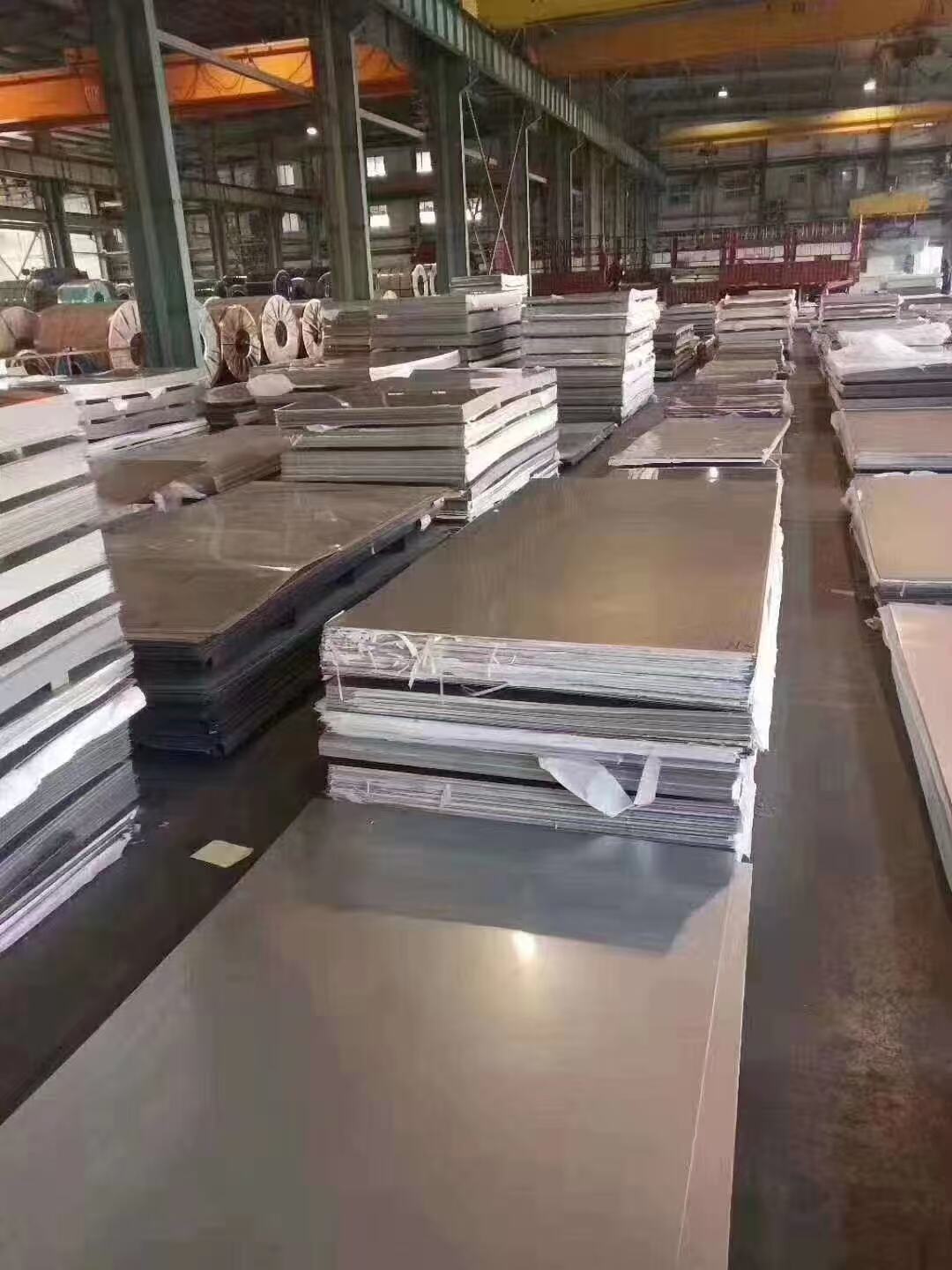
Precision mold making stands as one of the most demanding applications in modern manufacturing, where dimensional accuracy, surface finish quality, and consistent repeatability define success or failure. The materials used to fabricate these molds directly determine their performance, longevity, and economic viability. Among the spectrum of available alloys, high speed steel and tool steel have emerged as indispensable choices for manufacturers seeking to achieve tight tolerances while maintaining cost-effectiveness across extended production cycles. These specialized steel grades deliver a combination of hardness, toughness, wear resistance, and thermal stability that cannot be replicated by conventional carbon steels or less sophisticated alloy compositions. Understanding why high speed steel and tool steel occupy this critical position requires examining the unique metallurgical properties that enable them to withstand the extreme mechanical and thermal stresses inherent in precision molding operations.
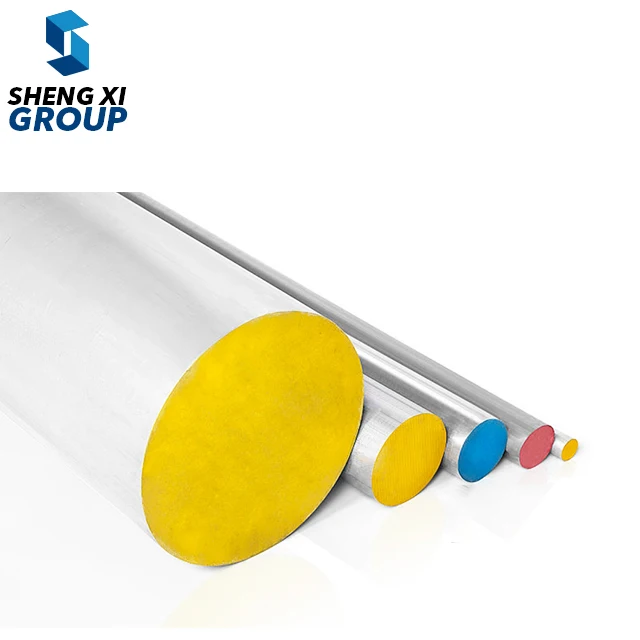
The fundamental reason these steel grades prove essential lies in their engineered microstructure, which balances competing demands that would compromise lesser materials. Precision mold making involves not only shaping complex geometries but maintaining those exact dimensions through thousands or even millions of molding cycles under varying temperature conditions and contact pressures. High speed steel and tool steel achieve this performance through carefully controlled alloying additions—chromium, molybdenum, vanadium, tungsten, and cobalt—that form stable carbides within the steel matrix. These carbides resist abrasive wear while the tempered martensitic matrix provides the necessary toughness to prevent catastrophic fracture. This article explores the specific reasons why these materials have become irreplaceable in precision mold applications, examining their metallurgical advantages, practical performance characteristics, economic implications, and application-specific requirements that separate them from alternative material choices.
Metallurgical Foundation Enabling Precision Performance
Carbide Formation and Distribution Patterns
The essential nature of high speed steel and tool steel in precision mold making originates from their distinctive carbide structures formed during manufacturing and heat treatment processes. Unlike simple carbon steels where cementite represents the primary carbide phase, these specialized grades develop complex carbides including vanadium carbide, chromium carbide, molybdenum carbide, and tungsten carbide depending on alloy composition. These carbides exhibit exceptional hardness values ranging from 1500 to 3000 Vickers, significantly harder than the surrounding steel matrix. During precision mold operations, these hard carbide particles resist the micro-cutting and plowing actions that occur at mold cavity surfaces during material flow, preventing dimensional drift that would accumulate across production runs. The uniform distribution of fine carbides throughout high speed steel and tool steel creates consistent wear resistance across the entire mold surface rather than localized hard spots that could create surface irregularities.
The carbide network in these steels also provides thermal stability crucial for maintaining dimensional precision during temperature fluctuations common in molding cycles. Standard carbon steels begin losing hardness at relatively modest temperatures around 200 degrees Celsius, but the stable carbides in high speed steel and tool steel maintain their integrity and wear resistance at substantially higher temperatures. This thermal stability prevents softening of the mold surface during injection or compression molding operations where cyclic heating occurs. For precision applications requiring tolerances within microns, any thermal softening would allow accelerated wear and progressive dimensional changes that compromise part quality. The carbide structure effectively anchors the mechanical properties across the temperature range encountered in typical molding environments, ensuring consistent mold cavity dimensions throughout extended production campaigns.
Martensitic Matrix Providing Toughness Balance
While carbide hardness provides wear resistance, the martensitic matrix surrounding these carbides delivers the toughness necessary to prevent brittle failure in precision molds subjected to mechanical stresses. High speed steel and tool steel undergo carefully controlled heat treatment processes that transform the austenitic structure into tempered martensite with precisely engineered properties. This tempered martensitic structure exhibits substantially higher fracture toughness compared to untempered martensite or other hardened structures, allowing molds to absorb impact loads and thermal shock without cracking. Precision mold applications often involve complex geometries with thin sections, sharp corners, and intricate details where stress concentrations develop during use. The tough martensitic matrix distributes these stresses and prevents crack initiation that would propagate through purely hard but brittle materials.
The balance between hardness and toughness in high speed steel and tool steel can be precisely controlled through tempering temperature selection, allowing mold makers to optimize properties for specific applications. Higher tempering temperatures increase toughness while slightly reducing hardness, whereas lower tempering temperatures maximize hardness while accepting reduced toughness. This adjustability represents a critical advantage for precision mold making where different applications present different dominant failure mechanisms. Molds for abrasive-filled materials may prioritize maximum hardness, while molds with complex geometries subjected to thermal cycling may require enhanced toughness. The metallurgical flexibility inherent in high speed steel and tool steel enables this application-specific optimization that cannot be achieved with simpler steel grades lacking their sophisticated microstructural engineering.
Alloying Elements Creating Synergistic Effects
The specific alloying elements in high speed steel and tool steel work synergistically to create performance characteristics exceeding what any single element could provide independently. Chromium additions improve corrosion resistance and contribute to carbide formation while also enhancing hardenability, allowing through-hardening of larger mold sections without reliance on surface treatments. Molybdenum and tungsten provide secondary hardening during tempering, actually increasing hardness at elevated tempering temperatures rather than simply resisting softening. This secondary hardening phenomenon enables achievement of optimal toughness through higher tempering temperatures while maintaining the hardness levels necessary for wear resistance. Vanadium forms extremely hard and stable vanadium carbides that remain intact even during high-temperature exposure, providing persistent wear resistance throughout the service life of precision molds.
The synergistic interaction of these elements in high speed steel and tool steel creates a performance envelope unavailable from binary or simple alloy systems. Cobalt additions in some high speed steel grades further enhance hot hardness and red hardness, maintaining cutting edge stability at temperatures where other steels would soften. For precision mold applications involving elevated temperature exposure, these cobalt-bearing grades maintain dimensional stability under conditions that would cause dimensional changes in simpler tool steels. The careful balance of alloying elements represents decades of metallurgical development specifically targeting the demanding requirements of precision tooling applications, explaining why these specialized grades command premium pricing yet remain economically justified through superior performance and extended service life.
Practical Performance Advantages in Molding Operations
Dimensional Stability Across Production Cycles
The most immediately recognizable benefit of high speed steel and tool steel in precision mold making manifests as superior dimensional stability throughout extended production runs. Precision molding operations for medical devices, optical components, micro-mechanical assemblies, and high-tolerance industrial parts demand that mold cavities maintain their exact dimensions across thousands or millions of cycles. Even microscopic wear accumulation translating to mere microns of dimensional change can render produced parts non-conforming to specifications. High speed steel and tool steel resist this progressive wear through their hard carbide networks that maintain surface integrity under the sliding contact, abrasive particle interaction, and chemical exposure occurring during repeated molding cycles. Comparative testing consistently demonstrates wear rates an order of magnitude lower than achievable with conventional tool steels when properly selected and heat treated for specific molding conditions.
This dimensional stability extends beyond simple wear resistance to include resistance to plastic deformation under the contact pressures developed during injection molding or compression molding operations. High speed steel and tool steel maintain their yield strength and resistance to plastic flow at the elevated temperatures encountered during molding, preventing the gradual deformation that softer materials experience under sustained loading. Mold cavities fabricated from inadequate materials may initially produce conforming parts but gradually deform over time as the surface yields microscopically under repeated pressure cycles. The combination of wear resistance and deformation resistance in high speed steel and tool steel ensures that the precise dimensions machined into the mold remain stable, delivering consistent part dimensions from the first production cycle through the end of the mold's economic life.
Surface Finish Retention Ensuring Part Quality
Beyond dimensional accuracy, precision molding applications frequently require specific surface finish characteristics that must be maintained consistently across production. Optical components demand mirror-polished surfaces free from microscopic scratches or texture variations. Medical components require defined surface roughness parameters for biocompatibility and cleaning protocols. Consumer products depend on aesthetic surface appearance for market acceptance. High speed steel and tool steel excel at retaining polished or textured surface finishes throughout production because their hard carbide structure resists the micro-scratching and surface degradation that occurs during material flow across mold surfaces. Softer mold materials quickly develop surface roughness as abrasive particles in molding compounds or simply the friction of material flow creates progressive surface damage.
The ability of high speed steel and tool steel to maintain surface finish directly impacts production economics by extending the interval between mold refurbishment operations. Precision molds represent substantial capital investments, and any production interruption for mold removal, re-polishing, and re-qualification creates direct costs and opportunity costs from lost production capacity. Molds fabricated from these specialized steel grades maintain their surface finish specifications substantially longer than alternatives, reducing refurbishment frequency and maximizing productive uptime. For high-volume precision molding operations, this extended surface finish retention translates directly to lower per-part costs despite the higher initial material cost of high speed steel and tool steel compared to simpler grades. The total cost of ownership calculation consistently favors these premium materials when surface finish retention constitutes a critical performance parameter.
Thermal Cycling Resistance Preventing Fatigue Failure
Precision molding operations subject molds to repetitive thermal cycling as hot material enters the cavity during each molding cycle, followed by cooling before part ejection. This thermal cycling creates alternating thermal expansion and contraction that induces cyclic stresses in mold materials, potentially leading to thermal fatigue cracking after extended service. High speed steel and tool steel demonstrate superior resistance to thermal fatigue compared to many alternative mold materials because their tempered martensitic structure accommodates these cyclic stresses without accumulating damage. The toughness inherent in properly heat-treated high speed steel and tool steel prevents the initiation and propagation of thermal fatigue cracks that would eventually compromise mold integrity and part quality.
This thermal cycling resistance proves particularly essential for precision molds with complex geometries featuring varying section thicknesses, sharp internal corners, or intricate details. These geometric features create stress concentrations during thermal cycling where crack initiation becomes likely in materials with inadequate toughness or thermal stability. High speed steel and tool steel accommodate these stress concentrations through their balanced microstructure, preventing premature failure and extending mold service life. For precision applications where mold fabrication costs are substantial due to complex machining and finishing operations, the thermal fatigue resistance of these materials protects the capital investment and ensures reliable production over the intended service life. This reliability factor contributes significantly to their essential status in precision mold making where unexpected mold failure creates cascading business impacts beyond simple replacement costs.
Economic Justification Despite Premium Material Costs
Total Cost Analysis Across Mold Service Life
Although high speed steel and tool steel command significantly higher per-kilogram costs compared to conventional carbon steels or basic alloy steels, comprehensive total cost analysis consistently demonstrates their economic superiority for precision molding applications. The true cost of mold ownership encompasses far more than raw material expense, including machining costs, heat treatment costs, surface finishing costs, maintenance frequency, production uptime, part quality consistency, and ultimate service life before replacement becomes necessary. High speed steel and tool steel favorably impact virtually every element of this total cost equation despite their premium material pricing. Their superior machinability in the annealed condition reduces fabrication time and tool wear during initial mold construction. Their predictable and stable heat treatment response minimizes distortion and the need for post-hardening correction operations.
The extended service life enabled by high speed steel and tool steel represents the most significant economic advantage in many precision molding scenarios. A mold that produces twice as many conforming parts before requiring refurbishment or replacement effectively reduces per-part tooling cost by half, overwhelming the higher initial material cost. For precision applications requiring tight tolerances and superior surface finishes, the extended maintenance intervals achievable with these materials translate to higher equipment utilization rates and lower labor costs for mold handling and changeovers. When production planners account for all cost elements rather than focusing narrowly on material purchase price, high speed steel and tool steel frequently emerge as the most economical choice despite their premium positioning in material catalogs.
Risk Mitigation Through Predictable Performance
The essential nature of high speed steel and tool steel extends beyond measurable performance advantages to encompass risk mitigation through predictable and consistent behavior. Precision molding operations for critical applications cannot tolerate unexpected mold failures that interrupt production schedules, compromise part quality, or necessitate emergency tooling expenditures. High speed steel and tool steel have been extensively characterized through decades of industrial application, with well-documented property databases, established heat treatment protocols, and proven performance records across diverse molding applications. This predictability allows mold designers and production engineers to confidently specify these materials knowing their behavior will conform to expectations based on composition and processing parameters.
Alternative materials offering lower initial costs often introduce performance uncertainties that create business risks exceeding any material cost savings. Unproven alloys may exhibit batch-to-batch variability, unexpected wear patterns, or sensitivity to processing parameters that compromise mold performance. For precision applications where part quality directly impacts product functionality, safety, or regulatory compliance, the predictable performance of high speed steel and tool steel provides risk mitigation value that justifies their premium positioning. Manufacturing organizations operating under quality management systems and rigorous supplier qualification requirements particularly value this predictability, as it simplifies process validation and reduces the technical risk associated with mold procurement and qualification activities.
Competitive Advantage Through Superior Part Quality
Companies producing precision molded components compete on part quality, dimensional consistency, and delivery reliability rather than simply on price in many market segments. High speed steel and tool steel enable achievement of quality levels that create competitive differentiation and support premium pricing for produced components. When precision molded parts consistently meet tight tolerance specifications without sorting or secondary operations, manufacturers reduce scrap costs, eliminate inspection bottlenecks, and accelerate delivery cycles. These operational advantages translate to competitive positioning that justifies investment in premium mold materials. The superior dimensional stability and surface finish retention of high speed steel and tool steel directly enable production of parts that meet demanding customer specifications while maintaining the process capability indices required for critical applications.
This quality-driven competitive advantage particularly applies in industries where part performance demands exceed commodity standards—medical devices, aerospace components, precision instruments, and advanced consumer electronics. In these markets, customers specify tight tolerances and superior surface finishes because part functionality depends on these characteristics. Manufacturers capable of reliably delivering conforming parts gain preferred supplier status and access to premium pricing opportunities. High speed steel and tool steel function as enabling technologies that make this competitive positioning achievable, transforming from simple material purchases into strategic investments supporting business-level competitive strategy. This strategic value dimension reinforces their essential status in precision mold making beyond their immediate technical advantages.
Application-Specific Selection Criteria and Considerations
Matching Steel Grade to Molding Process Requirements
While high speed steel and tool steel as broad categories demonstrate essential characteristics for precision mold making, selecting the optimal specific grade within these categories requires careful analysis of application requirements. Different molding processes—injection molding, compression molding, transfer molding, blow molding—create different stress states, temperature exposures, and wear mechanisms that favor particular steel compositions. High speed steel grades with elevated tungsten and cobalt content excel in applications involving sustained elevated temperature exposure, maintaining hardness and wear resistance under hot molding conditions. Tool steel grades with higher chromium content provide superior corrosion resistance when molding materials that generate corrosive byproducts or when mold storage environments present corrosion risks.
The molding material itself significantly influences optimal steel selection within the high speed steel and tool steel families. Glass-filled polymers create highly abrasive conditions favoring maximum carbide content and hardness, while unfilled engineering polymers may permit slightly lower hardness grades that offer enhanced toughness for complex geometries. Reactive molding compounds that generate heat during curing benefit from steel grades with maximum thermal conductivity to facilitate heat removal and minimize thermal gradients. Precision mold designers must evaluate these application-specific factors rather than defaulting to arbitrary steel selections, ensuring that the chosen grade within the high speed steel and tool steel categories optimally matches the actual service conditions the mold will experience. This tailored selection approach maximizes performance while potentially identifying opportunities for cost optimization through appropriate grade selection rather than over-specification.
Heat Treatment Optimization for Precision Applications
The essential performance characteristics of high speed steel and tool steel only manifest when proper heat treatment protocols convert the annealed microstructure into the hardened and tempered condition optimized for mold service. Heat treatment represents far more than a commodity service, instead constituting a critical value-adding process that determines ultimate mold performance. Austenitizing temperature selection influences carbide dissolution and grain size, directly impacting toughness and wear resistance. Quenching rate and quenching medium affect transformation behavior and residual stress development, influencing distortion and dimensional stability. Tempering temperature and tempering cycles control the hardness-toughness balance while potentially inducing secondary hardening in high speed steel grades.
Precision mold applications demand heat treatment protocols developed specifically for the selected steel grade and the intended service conditions rather than generic treatments. Specialized heat treaters experienced with high speed steel and tool steel understand the nuances of different grades and can recommend optimized treatments for specific applications. Pre-heating stages, controlled heating rates, appropriate atmosphere control, and precise temperature uniformity all contribute to achieving target properties while minimizing distortion. Post-hardening treatments including deep freezing to transform retained austenite or stress relieving to reduce residual stresses may be beneficial for particular precision applications. The sophisticated metallurgy underlying high speed steel and tool steel performance requires equally sophisticated heat treatment practices to realize the full potential of these premium materials in precision mold making applications.
Surface Treatment Augmentation Strategies
While high speed steel and tool steel provide excellent baseline properties for precision mold making, various surface treatment technologies can further enhance performance in specific applications. Physical vapor deposition coatings including titanium nitride, chromium nitride, and various multilayer architectures increase surface hardness by factors of two to three while reducing friction coefficients. These coatings extend wear resistance and potentially enable successful molding of particularly abrasive or corrosive materials. Nitriding treatments diffuse nitrogen into the steel surface, creating extremely hard iron nitride and alloy nitride compounds that enhance wear resistance and fatigue strength. For precision molds requiring maximum service life under severe conditions, combining the inherent advantages of high speed steel and tool steel with appropriate surface treatments creates synergistic performance exceeding what either approach delivers independently.
Surface treatment selection requires understanding the specific failure mechanisms limiting mold life in particular applications. Adhesive wear mechanisms respond favorably to low-friction coatings, while abrasive wear benefits from maximum surface hardness regardless of friction coefficient. Corrosion-related deterioration requires barrier coatings or surface treatments enhancing corrosion resistance. For precision applications where dimensional changes from surface treatments could compromise tolerances, treatment processes must be carefully controlled or final finishing operations performed post-treatment. The integration of high speed steel and tool steel substrates with advanced surface treatments represents an area of ongoing development in precision mold technology, with emerging coating systems and treatment processes continuously expanding the performance envelope achievable in demanding applications. This technological progression reinforces rather than diminishes the essential role of these specialized steel substrates, as surface treatments require tough, dimensionally stable base materials to perform effectively.
Future Developments and Continuing Relevance
Powder Metallurgy Advancing Steel Capabilities
Emerging powder metallurgy manufacturing routes for high speed steel and tool steel promise enhanced performance characteristics that extend their essential role in precision mold making into increasingly demanding applications. Conventional ingot metallurgy creates carbide segregation patterns that limit achievable properties, whereas powder metallurgy enables uniform carbide distribution and permits alloy compositions impractical through conventional melting routes. These powder metallurgy grades exhibit superior transverse properties, enhanced toughness, and more consistent performance across large sections. For precision molds requiring ultimate property combinations or large dimensions where conventional grades show property variations, powder metallurgy high speed steel and tool steel provide solutions previously unattainable.
The continued development of powder metallurgy processing demonstrates the ongoing relevance and evolution of high speed steel and tool steel rather than their obsolescence. As precision molding applications push toward smaller features, tighter tolerances, and more challenging materials, the performance envelope must expand correspondingly. Powder metallurgy manufacturing addresses this requirement through metallurgical refinement rather than wholesale replacement with alternative material systems. This evolutionary pathway ensures that high speed steel and tool steel will remain essential for precision mold making even as application requirements intensify, with manufacturing technology advancing to meet emerging demands while preserving the fundamental metallurgical advantages that established these materials as industry standards.
Integration with Advanced Manufacturing Technologies
The rise of advanced manufacturing technologies including additive manufacturing, hybrid machining processes, and advanced surface finishing techniques creates new opportunities for high speed steel and tool steel in precision mold applications. Additive manufacturing of tool steels enables production of molds with conformal cooling channels and optimized thermal management impossible through conventional machining, potentially enhancing productivity while maintaining the essential material properties these steels provide. Hybrid processes combining additive and subtractive manufacturing allow building near-net-shape preforms from tool steel powders followed by precision machining to final dimensions, reducing material waste and fabrication time while preserving dimensional accuracy.
These advanced manufacturing approaches depend on the fundamental material characteristics of high speed steel and tool steel rather than replacing them. The thermal stability, wear resistance, and toughness that make these steels essential for precision molds remain equally essential regardless of manufacturing route. Advanced manufacturing technologies actually increase the performance potential extractable from these materials by enabling geometric optimizations and feature integrations previously impractical. This synergy between advanced materials and advanced manufacturing reinforces the continuing relevance of high speed steel and tool steel, positioning them as enabling materials for next-generation precision molding capabilities rather than legacy materials facing obsolescence. Manufacturing engineers developing future precision molding solutions will continue relying on the essential characteristics these specialized steels provide, applied through increasingly sophisticated design and manufacturing approaches.
Sustainability Considerations Supporting Long-Life Materials
Growing emphasis on manufacturing sustainability and circular economy principles paradoxically strengthens the position of premium materials like high speed steel and tool steel despite their higher embodied energy compared to simpler steels. Sustainability analysis increasingly recognizes that material longevity and lifecycle performance matter more than initial resource intensity when evaluating environmental impact. High speed steel and tool steel enable extended mold service life with reduced maintenance frequency, translating to lower total material consumption across the useful life of molding equipment. Their superior performance reduces scrap generation from out-of-tolerance parts, improving material efficiency in production operations. Their predictable properties facilitate repair and refurbishment rather than premature disposal.
This lifecycle perspective positions high speed steel and tool steel favorably within emerging sustainability frameworks that account for total environmental impact rather than focusing narrowly on initial material selection. Precision mold making applications particularly benefit from this lifecycle analysis approach because mold longevity directly impacts the environmental efficiency of subsequent production operations. A mold that reliably produces conforming parts for extended periods maximizes the return on the environmental investment in mold fabrication while minimizing ongoing environmental burdens from replacement tooling production and scrap disposal. As manufacturing organizations adopt comprehensive sustainability metrics and lifecycle assessment methodologies, the essential role of high speed steel and tool steel in precision applications becomes reinforced through environmental as well as technical and economic justification. This multi-dimensional value proposition ensures their continuing relevance as manufacturing sustainability requirements intensify alongside technical performance demands.
FAQ
What makes high speed steel and tool steel superior to regular carbon steel for precision molds?
High speed steel and tool steel contain carefully balanced alloying elements including chromium, molybdenum, vanadium, and tungsten that form stable carbides throughout the steel matrix. These carbides provide hardness levels and wear resistance far exceeding what carbon steel can achieve, while the tempered martensitic structure delivers necessary toughness to prevent brittle failure. Carbon steel lacks the thermal stability required for molding operations, softening at relatively low temperatures and wearing rapidly under the contact pressures and sliding conditions in mold cavities. The sophisticated microstructure of high speed steel and tool steel maintains dimensional stability and surface finish across thousands of molding cycles where carbon steel would quickly deteriorate, making them essential for precision applications demanding tight tolerances and consistent part quality.
How do I select between different high speed steel and tool steel grades for my specific molding application?
Grade selection requires analyzing your specific molding conditions including process type, molding material characteristics, operating temperatures, required surface finish, and geometric complexity. Applications involving abrasive-filled materials benefit from maximum hardness grades with high carbide content, while complex geometries with stress concentrations require enhanced toughness grades. Elevated temperature molding favors high speed steel grades with cobalt additions that maintain hot hardness, whereas room temperature processes may permit conventional tool steel grades. Consult with experienced mold makers or material suppliers who can match grade characteristics to your specific requirements, considering factors like corrosion exposure, thermal cycling severity, and expected production volume. Proper grade selection optimizes performance while potentially reducing costs compared to arbitrary specification of premium grades where simpler alternatives would perform adequately.
Can surface treatments eliminate the need for high speed steel or tool steel in precision molds?
Surface treatments including coatings and diffusion treatments enhance mold performance but cannot replace the fundamental substrate properties that high speed steel and tool steel provide. Coatings require tough, dimensionally stable substrates to function effectively—applying hard coatings to soft substrates creates systems where the coating cracks due to substrate deformation under load. The through-hardness and toughness of properly heat-treated high speed steel and tool steel provide the necessary substrate properties supporting surface treatment performance. Additionally, any coating wear-through or damage exposes the underlying substrate, and only substrates with inherent wear resistance continue performing adequately after coating failure. Surface treatments should be viewed as performance enhancements applied to already-capable base materials rather than as substitutes allowing use of inferior substrates in demanding precision molding applications.
How does the higher cost of high speed steel and tool steel affect overall mold economics?
Comprehensive economic analysis consistently demonstrates favorable total cost of ownership for high speed steel and tool steel despite premium material pricing. Material cost represents only one component of total mold cost, with machining labor, heat treatment, finishing, and maintenance constituting significant additional elements. The extended service life these materials provide reduces per-part tooling cost by spreading the initial investment across more production cycles. Their dimensional stability minimizes scrap from out-of-tolerance parts and reduces inspection requirements. Their predictable performance reduces business risk from unexpected mold failures interrupting production. For precision applications requiring frequent mold refurbishment when using inferior materials, the extended maintenance intervals enabled by high speed steel and tool steel create substantial cost savings exceeding their material premium. Organizations performing total cost analysis rather than focusing narrowly on material purchase price consistently find these premium materials economically justified for precision molding applications.
Table of Contents
- Metallurgical Foundation Enabling Precision Performance
- Practical Performance Advantages in Molding Operations
- Economic Justification Despite Premium Material Costs
- Application-Specific Selection Criteria and Considerations
- Future Developments and Continuing Relevance
-
FAQ
- What makes high speed steel and tool steel superior to regular carbon steel for precision molds?
- How do I select between different high speed steel and tool steel grades for my specific molding application?
- Can surface treatments eliminate the need for high speed steel or tool steel in precision molds?
- How does the higher cost of high speed steel and tool steel affect overall mold economics?