
 EN
EN

The automotive industry faces an unprecedented convergence of regulatory pressures, environmental imperatives, and consumer demands that collectively drive the urgent need for lightweighting strategies. At the heart of this engineering transformation lies high strength steel, a material that has fundamentally reshaped vehicle design philosophy over the past two decades. Unlike conventional mild steels that dominated automotive manufacturing throughout the twentieth century, high strength steel offers a compelling value proposition: the ability to reduce vehicle mass while simultaneously maintaining or even enhancing structural integrity, crashworthiness, and occupant safety. This dual capability addresses what was once considered an irreconcilable engineering paradox—the simultaneous reduction of weight and improvement of safety performance.
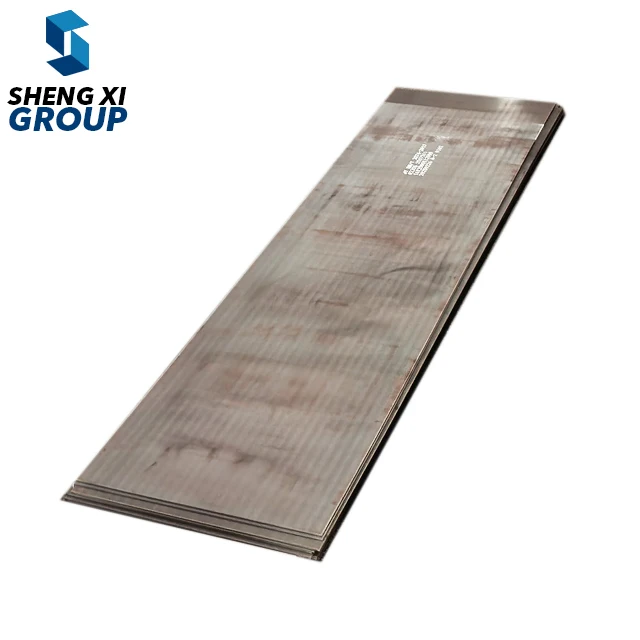
The preference for high strength steel in automotive lightweighting stems from a convergence of metallurgical advancement, economic viability, and manufacturing compatibility that no alternative material system currently matches across all dimensions. While aluminum alloys, carbon fiber composites, and magnesium components have carved out specific application niches, high strength steel remains the backbone material for body-in-white structures, safety-critical components, and chassis systems in virtually every vehicle segment from compact cars to heavy-duty trucks. This article examines the technical, economic, and practical reasons why high strength steel has emerged as the dominant solution for automotive lightweighting, exploring the material science foundations, manufacturing advantages, cost-performance dynamics, and real-world application considerations that drive engineering decisions across the global automotive supply chain.
The Material Science Foundation Behind High Strength Steel's Lightweighting Capability
Advanced Metallurgical Mechanisms That Enable Strength Enhancement
The fundamental advantage of high strength steel lies in its ability to achieve yield strengths ranging from 300 MPa to over 1500 MPa through controlled microstructural engineering, compared to conventional mild steels that typically exhibit yield strengths below 250 MPa. This strength enhancement derives from multiple metallurgical mechanisms including grain refinement, solid solution strengthening, precipitation hardening, and transformation-induced plasticity. Modern high strength steel grades employ sophisticated alloying strategies that introduce elements such as manganese, silicon, chromium, and molybdenum in precisely controlled quantities to manipulate phase transformations during cooling and create fine-grained microstructures with optimal combinations of strength and ductility. The resulting material properties allow automotive engineers to specify thinner gauge sections that deliver equivalent or superior structural performance compared to thicker mild steel components, directly translating metallurgical advancement into mass reduction opportunities.
The development of advanced high strength steel families has expanded the designer's material palette to include dual-phase steels, transformation-induced plasticity steels, complex-phase steels, and martensitic grades, each offering distinct combinations of strength, formability, and energy absorption characteristics. Dual-phase steels combine a ferritic matrix with controlled fractions of martensite islands to achieve excellent work hardening rates and crash energy absorption, making them ideal for structural reinforcements and door intrusion beams. Transformation-induced plasticity steels leverage metastable austenite that transforms to martensite during deformation, providing exceptional combinations of strength and elongation that facilitate complex forming operations while maintaining high structural performance in service. This metallurgical diversity enables component-specific material optimization throughout the vehicle structure, allowing engineers to match high strength steel grades to local loading conditions, forming requirements, and joining constraints in ways that maximize lightweighting potential while ensuring manufacturability and durability.
The Strength-to-Weight Ratio Advantage in Structural Applications
The core engineering principle that makes high strength steel effective for lightweighting is the direct relationship between material yield strength and required section thickness for a given structural loading scenario. When a component must resist bending moments, the required section modulus is inversely proportional to the allowable stress, which directly correlates with material yield strength. Doubling the yield strength of the material theoretically allows halving the section thickness while maintaining equivalent bending stiffness, though practical considerations including buckling behavior, local crippling, and manufacturing constraints typically result in mass reductions in the range of thirty to forty percent rather than the theoretical fifty percent. This fundamental structural mechanics relationship explains why high strength steel enables substantial mass reduction in body structure components including A-pillars, B-pillars, roof rails, door beams, and floor cross-members where bending and torsional loads dominate the design requirements.
In crashworthiness applications, high strength steel demonstrates additional advantages related to energy absorption capacity and intrusion resistance. The energy absorbed during plastic deformation is proportional to both the flow stress of the material and the volume of material undergoing plastic strain, creating a complex optimization space where higher strength materials can sometimes absorb more total energy in thinner sections compared to lower strength materials in thicker sections. Advanced high strength steel grades with carefully engineered work hardening characteristics provide excellent specific energy absorption, measured in joules per kilogram, making them particularly valuable in crush zones, bumper beams, and side impact structures where occupant protection depends on controlled energy dissipation. The ability to reduce component mass while maintaining or improving crash performance represents a unique capability that differentiates high strength steel from many alternative lightweighting materials that sacrifice either strength or energy absorption when mass is reduced.
Manufacturing Compatibility and Production Economics
Integration with Established Automotive Manufacturing Infrastructure
One of the most compelling reasons for the widespread adoption of high strength steel in automotive lightweighting programs is its fundamental compatibility with existing stamping, welding, assembly, and coating processes that represent hundreds of billions of dollars in installed manufacturing infrastructure across the global automotive industry. Unlike aluminum or carbon fiber composites that require wholesale changes to production equipment, tooling materials, joining technologies, and worker training programs, high strength steel can generally be processed using modified versions of conventional steel manufacturing methods. Stamping presses require upgrades to higher tonnage capacities and may need servo-drive systems to optimize forming cycles, but the basic press architecture, die materials, and transfer systems remain applicable. This evolutionary rather than revolutionary manufacturing transition dramatically reduces the capital investment required to implement lightweighting programs and shortens the timeline from material selection to production implementation.
The joining and assembly advantages of high strength steel are particularly significant in high-volume automotive production environments where cycle times, process robustness, and quality consistency directly impact manufacturing economics. Resistance spot welding, the dominant joining method in automotive body shops with typical cycle times under two seconds per weld, remains applicable to most high strength steel grades with appropriate adjustments to welding parameters including current, force, and electrode materials. Newer ultra-high strength steel grades may require supplementary joining methods such as laser welding, adhesive bonding, or mechanical fastening, but these technologies can be selectively deployed in specific areas rather than requiring complete replacement of the joining infrastructure. The electrocoating and paint baking processes that provide corrosion protection and surface finish remain fully compatible with high strength steel, avoiding the galvanic corrosion concerns that arise when joining dissimilar metals like steel and aluminum in body structures.
Cost-Performance Dynamics Across the Vehicle Lifecycle
The economic case for high strength steel in automotive lightweighting extends beyond raw material costs to encompass tooling investments, manufacturing complexity, repair costs, and total lifecycle economics. While high strength steel commands a price premium over conventional mild steel, typically ranging from twenty to eighty percent depending on grade and strength level, this premium remains substantially lower than the two-to-three times multiplier for aluminum sheet and the ten-to-twenty times multiplier for carbon fiber composites. When the cost premium is evaluated on a mass-saved basis rather than a simple per-kilogram comparison, high strength steel frequently emerges as the most cost-effective lightweighting solution, particularly for structural components where the material cost represents a relatively small fraction of total component cost including forming, joining, and assembly operations.
The total cost of ownership analysis must also consider repair and insurance implications that increasingly influence material selection decisions. High strength steel components can generally be repaired using conventional body shop equipment and methods, whereas aluminum structures may require specialized welding equipment, training, and procedures that increase repair costs and limit the availability of qualified repair facilities. The insurance industry has recognized these repair cost differences through premium adjustments that can offset some of the fuel economy benefits associated with lightweighting if the chosen material strategy significantly increases repair complexity. Additionally, the residual value and recyclability of high strength steel vehicles remains excellent, as the material can be efficiently recovered through existing steel recycling infrastructure and reprocessed without the challenging separation and sorting requirements associated with mixed-material vehicle structures. These lifecycle economic considerations often favor high strength steel when decision-makers adopt comprehensive cost models that extend beyond initial manufacturing expenses.
Performance Attributes That Address Critical Automotive Requirements
Crashworthiness and Occupant Safety Performance
The regulatory environment surrounding automotive safety has intensified substantially over the past two decades, with testing protocols from organizations including the Insurance Institute for Highway Safety, the National Highway Traffic Safety Administration, and Euro NCAP becoming progressively more stringent and expanding to cover additional crash scenarios including small overlap frontal impacts, oblique pole impacts, and far-side occupant protection. High strength steel has proven uniquely capable of meeting these evolving safety requirements while simultaneously enabling mass reduction, a combination that alternative lightweight materials struggle to match. The strategic deployment of high strength steel in safety cages, door intrusion beams, and crush zone structures creates optimized load paths that manage crash energy through controlled deformation while maintaining survival space integrity around occupants.
The energy absorption characteristics of advanced high strength steel grades provide design flexibility that proves invaluable when optimizing crash performance across the diverse loading conditions represented by modern safety test protocols. Dual-phase and complex-phase steels with high work hardening exponents absorb substantial energy during progressive crushing while maintaining structural integrity, making them ideal for longitudinal rails and cross-members in frontal crush zones. Ultra-high strength martensitic steels with yield strengths exceeding 1000 MPa provide intrusion resistance in B-pillars and door beams, preventing passenger compartment deformation during side impacts. The ability to specify different high strength steel grades within a single body structure, matching material properties to local loading conditions, enables weight-efficient safety optimization that would be difficult to achieve with a single alternative material throughout the structure. This strategic material placement, often termed materials engineering or tailored properties approach, represents a sophisticated lightweighting methodology that leverages the full spectrum of high strength steel capabilities.
Fatigue Resistance and Durability in Service Conditions
Automotive components must withstand millions of loading cycles over typical vehicle lifetimes spanning ten to fifteen years and 150,000 to 250,000 miles of operation across diverse environmental conditions including temperature extremes, corrosive road salts, and mechanical impacts from road irregularities. High strength steel demonstrates excellent fatigue resistance when properly designed and manufactured, with endurance limits that scale approximately with tensile strength for most microstructures and loading conditions. This fatigue performance proves particularly valuable in chassis and suspension components where cyclic stresses from road inputs create demanding durability requirements. The combination of high static strength and proportional fatigue strength allows designers to reduce section sizes while maintaining the fatigue life necessary for warranty compliance and long-term reliability.
The corrosion resistance of high strength steel has improved substantially through advances in coating technologies and the development of inherently corrosion-resistant grades. Hot-dip galvanized and galvannealed coatings provide excellent sacrificial protection against corrosion initiation, while newer barrier coatings including zinc-magnesium and zinc-aluminum-magnesium systems offer enhanced protection in aggressive environments. Some advanced high strength steel grades incorporate alloying elements that improve intrinsic corrosion resistance, reducing dependence on coating thickness and enabling thinner, lighter coating layers without compromising durability. The proven long-term corrosion performance of high strength steel in production vehicles contrasts favorably with concerns about galvanic corrosion in multi-material structures and the potential for hidden corrosion damage in aluminum components where surface appearance may not reflect underlying degradation. This durability confidence supports residual value retention and enhances the total lifecycle value proposition of high strength steel lightweighting strategies.
Application Versatility Across Vehicle Architectures and Segments
Body-in-White Structural Optimization
The body-in-white structure represents the primary mass reduction opportunity in most lightweighting programs, typically accounting for twenty to twenty-five percent of total vehicle mass in conventional designs and offering substantial leverage for overall vehicle mass reduction. High strength steel has become the predominant material for body-in-white lightweighting because it addresses the multiple competing requirements including torsional stiffness for handling precision, bending stiffness for ride quality, local strength for attachment loads, crash energy management, noise and vibration isolation, and manufacturing feasibility. The successful application of high strength steel in body structures requires integrated design approaches that consider material selection, section geometry, component consolidation, and load path optimization as interconnected elements of a comprehensive lightweighting strategy rather than simple material substitution exercises.
Modern body-in-white structures increasingly employ tailored blank and tube technologies that create components with spatially varying thickness and strength distributions optimized for local loading and forming requirements. Laser-welded blanks combine multiple high strength steel grades and thicknesses into single stampings that position material precisely where structural demands dictate, eliminating excess mass in lightly loaded areas while providing reinforcement in critical zones. Hydroformed tubes with varying wall thickness and cross-sectional geometry create efficient structural members for A-pillars, B-pillars, and roof rails that offer superior bending and torsional stiffness compared to stamped and welded assemblies. These advanced manufacturing approaches amplify the lightweighting potential of high strength steel by enabling geometry optimization that complements the material property advantages, creating synergistic mass reduction that exceeds what either material substitution or geometry optimization could achieve independently.
Chassis and Suspension Component Applications
Chassis and suspension systems present distinct lightweighting challenges related to unsprung mass reduction, fatigue durability, and dynamic performance requirements that influence vehicle handling, ride quality, and tire wear characteristics. High strength steel has enabled significant mass reduction in these applications through the development of optimized cross-sections, hollow structural elements, and advanced forming processes that create geometry-efficient components. Suspension control arms, knuckles, and subframes increasingly utilize high strength steel with yield strengths in the 500 to 800 MPa range, enabling wall thickness reductions and section consolidation that reduce component mass by twenty to thirty-five percent compared to conventional mild steel designs while maintaining the stiffness and fatigue life required for durability compliance.
The unsprung mass reduction enabled by high strength steel in wheels, brake components, and suspension elements delivers performance benefits that extend beyond simple weight reduction. Lower unsprung mass improves tire contact patch control over irregular road surfaces, enhancing both ride comfort and handling precision while reducing dynamic loads transmitted to body structure and occupants. High strength steel wheels with optimized spoke geometries and rim sections can reduce wheel mass by fifteen to twenty percent compared to conventional steel wheels while maintaining the impact resistance and fatigue durability required for wheel applications, offering a cost-effective alternative to aluminum wheels in many vehicle segments. The combination of static weight reduction and dynamic performance improvement makes chassis lightweighting with high strength steel particularly valuable in vehicle programs where handling refinement and ride quality represent key competitive differentiators.
Comparative Advantages in Multi-Material Lightweighting Strategies
Integration Complexity in Mixed-Material Structures
While multi-material vehicle structures that combine high strength steel, aluminum, magnesium, and composites can theoretically achieve greater mass reduction than single-material approaches, the practical implementation challenges associated with joining dissimilar materials, managing galvanic corrosion, accommodating differential thermal expansion, and maintaining manufacturing efficiency often limit the realized benefits. High strength steel offers integration advantages when serving as the primary structural material in multi-material strategies, providing a stable platform for selective use of alternative materials in applications where their specific properties justify the added complexity and cost. The compatibility of high strength steel with conventional joining methods facilitates robust connections to aluminum closures, composite floor panels, or magnesium instrument panel beams without requiring exotic joining technologies or complex isolation strategies.
The galvanic corrosion concerns that arise when dissimilar metals contact in the presence of an electrolyte represent a significant engineering challenge in multi-material structures, requiring careful attention to material selection, coating integrity, and isolation details to prevent accelerated degradation at interfaces. High strength steel's compatibility with established coating systems and the availability of pre-coated materials with excellent barrier protection simplifies corrosion management compared to strategies that place bare aluminum or magnesium in direct contact with steel components. The repair and recycling implications of multi-material structures also favor strategies that use high strength steel as the primary material, as body shops and recycling facilities are equipped to handle predominantly steel structures with selective use of alternative materials, whereas extensively mixed-material designs create sorting and processing challenges that increase lifecycle costs and environmental impacts.
Technology Maturity and Supply Chain Readiness
The global supply chain for high strength steel has achieved a level of maturity, capacity, and geographic distribution that no alternative lightweight material currently matches, providing automotive manufacturers with supply security, pricing stability, and sourcing flexibility that influence material selection decisions. Major steel producers across North America, Europe, and Asia have invested billions of dollars in advanced high strength steel production capacity, creating competitive supply markets with multiple qualified sources for most grades and specifications. This supply chain depth contrasts sharply with the concentrated, capacity-constrained supply situations that characterize aluminum automotive sheet and carbon fiber materials, where limited supplier options and periodic allocation scenarios create supply risk and pricing volatility.
The technical support infrastructure surrounding high strength steel includes extensive forming simulation capabilities, joining process development resources, and corrosion testing databases that accelerate new vehicle programs and reduce development risk. Steel suppliers provide detailed material characterization data, forming limit curves, and application engineering support that enable accurate prediction of manufacturing feasibility during the design phase, reducing the prototype iterations and tooling modifications that increase program costs and delay market introduction. The accumulated experience base across hundreds of production vehicle programs using high strength steel provides confidence in long-term durability, crash performance, and manufacturing quality that emerging alternative materials cannot yet demonstrate. This technology maturity reduces both technical risk and program timing uncertainty, factors that weigh heavily in material selection decisions for automotive programs where development costs reach into hundreds of millions of dollars and schedule delays carry severe competitive penalties.
FAQ
What makes high strength steel more effective than aluminum for automotive lightweighting?
High strength steel offers superior strength-to-cost ratios, compatibility with existing manufacturing infrastructure, excellent crashworthiness and energy absorption characteristics, and lower total lifecycle costs compared to aluminum. While aluminum provides better strength-to-weight ratios in absolute terms, high strength steel achieves comparable mass reduction in structural applications while maintaining manufacturing efficiency, repair simplicity, and economic viability that make it preferable for high-volume production across most vehicle segments.
How much weight reduction can be achieved by switching from mild steel to high strength steel in automotive structures?
Weight reduction potential varies by component geometry and loading conditions, but typical body structure applications achieve mass reductions of twenty-five to forty percent when substituting advanced high strength steel for conventional mild steel. Strategic optimization using multiple high strength steel grades tailored to local requirements can achieve total body-in-white mass reductions of fifteen to twenty percent, contributing to overall vehicle mass reductions of eight to twelve percent depending on the extent of high strength steel application throughout the vehicle structure.
Does high strength steel require special welding or joining methods that increase manufacturing costs?
Most high strength steel grades can be joined using conventional resistance spot welding with modifications to welding parameters including increased current, force, and weld time, and potentially upgraded electrode materials. Some ultra-high strength grades benefit from supplementary joining methods including laser welding, adhesive bonding, or self-piercing rivets, but these technologies can be selectively applied in critical areas rather than replacing the entire joining infrastructure. The incremental joining cost increases are generally modest compared to the wholesale process changes required for aluminum or composite structures.
What are the main challenges in working with high strength steel for automotive applications?
The primary challenges include increased springback during forming that requires compensation in die design, higher forming loads that necessitate press upgrades, potential for edge cracking in some grades that requires careful blank development and forming strategies, and the need for optimized welding parameters to ensure joint quality. Additionally, some ultra-high strength grades exhibit limited formability that restricts their use to relatively simple geometries or requires hot stamping processes. However, continuous metallurgical development has progressively improved the formability of advanced high strength steel grades, expanding their application range and reducing manufacturing constraints.
Table of Contents
- The Material Science Foundation Behind High Strength Steel's Lightweighting Capability
- Manufacturing Compatibility and Production Economics
- Performance Attributes That Address Critical Automotive Requirements
- Application Versatility Across Vehicle Architectures and Segments
- Comparative Advantages in Multi-Material Lightweighting Strategies
-
FAQ
- What makes high strength steel more effective than aluminum for automotive lightweighting?
- How much weight reduction can be achieved by switching from mild steel to high strength steel in automotive structures?
- Does high strength steel require special welding or joining methods that increase manufacturing costs?
- What are the main challenges in working with high strength steel for automotive applications?