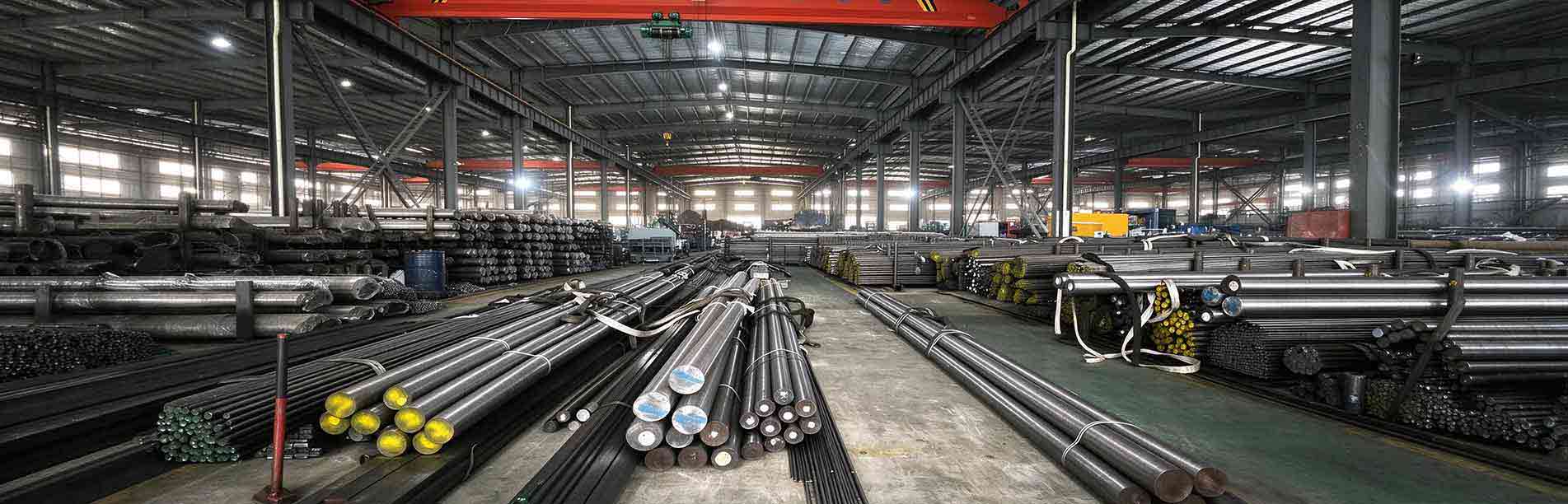
Type 316 and 316L are molybdenum-bearing austenitic stainless steels. The addition of molybdenum provides significantly better corrosion resistance than Type 304, especially against chloride pitting and crevice attack. The low carbon 316L grade minimizes carbide precipitation during welding, retaining full corrosion resistance in welded assemblies. 316 / 316L stainless steel plate suits chemical reactors, marine structures, food processing equipment, heat exchangers and architectural components where long-term corrosion performance is required.
We supply 316/316L plate in hot rolled and cold rolled conditions, with a range of surface finishes to match fabrication needs. The plate can be sheared, cut, bent, welded and formed into custom equipment components. Our team supports cut-to-size services for small or bulk orders. All plates comply with ASTM A240 standards with mill test documentation.
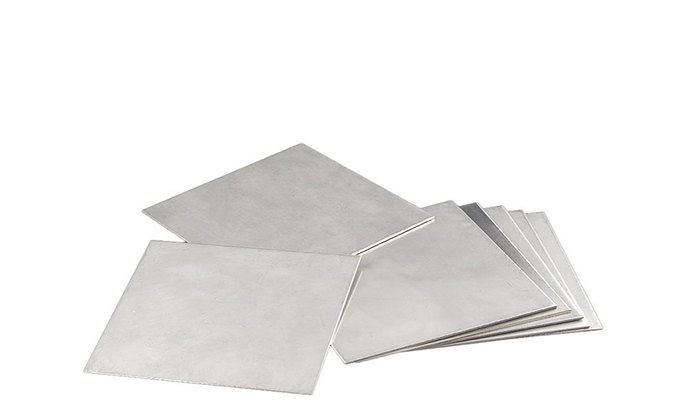
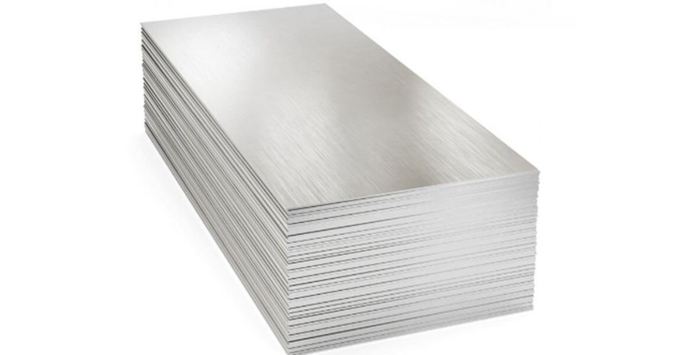
01 Molybdenum Alloyed Austenitic Steel — ASTM A240 grade with 2–3% molybdenum for enhanced chloride corrosion resistance over 304 stainless.
02 Low Carbon 316L Option — 316L limits carbon to 0.030% maximum to resist intergranular corrosion after welding.
03 Pitting and Crevice Corrosion Resistance — Molybdenum improves resistance to localized attack in brackish water, seawater and chemical solutions.
04 Excellent Formability and Weldability — Responds well to cold forming, bending, deep drawing and all standard fusion welding processes.
05 Multiple Surface Finishes — Available in No.1 hot rolled, 2B cold rolled, BA, brushed and polished finishes for different end uses.
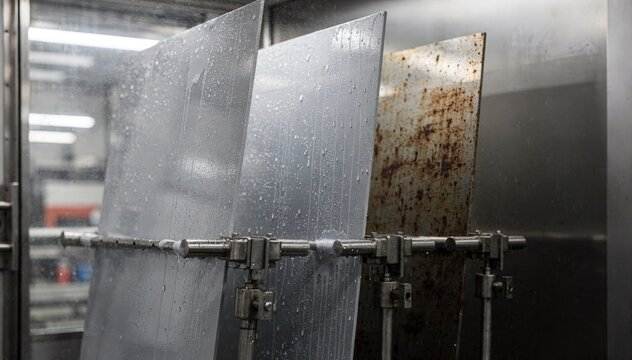
01 Standard Industrial Corrosion Grade — The most widely specified molybdenum austenitic stainless steel for general corrosive service worldwide.
02 Dual Certified Material — Commonly supplied as dual certified 316/316L to meet both standard and low carbon project specifications.
03 Multi-Standard Global Compatibility — Recognized as UNS S31600/S31603, EN 1.4401/1.4404 and JIS SUS316/SUS316L for international substitution.
04 Broad Service Temperature Range — Performs reliably from cryogenic temperatures up to approximately 870°C for continuous elevated temperature service.
316 / 316L stainless steel plates can be cut to required sizes and dimensions according to customer specifications or project drawings.
Different surface finishes can be supplied according to application requirements, including No.1, 2B, BA, brushed and polished.
Processing services such as shearing, bending, laser cutting, punching and surface finishing can be arranged upon request.
Products are packed for international transportation with flexible delivery support for global buyers.
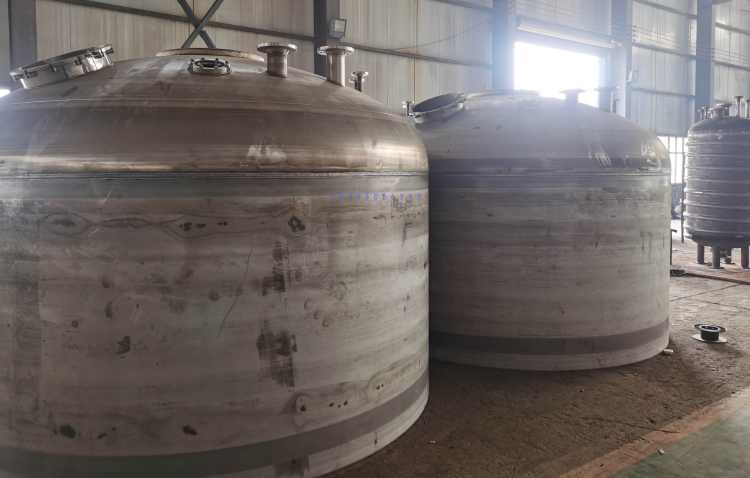
Chemical and Pharmaceutical Equipment
316/316L plate fabricated into reactor vessels, storage tanks, process piping and agitators for corrosive chemical, pharmaceutical and petrochemical production.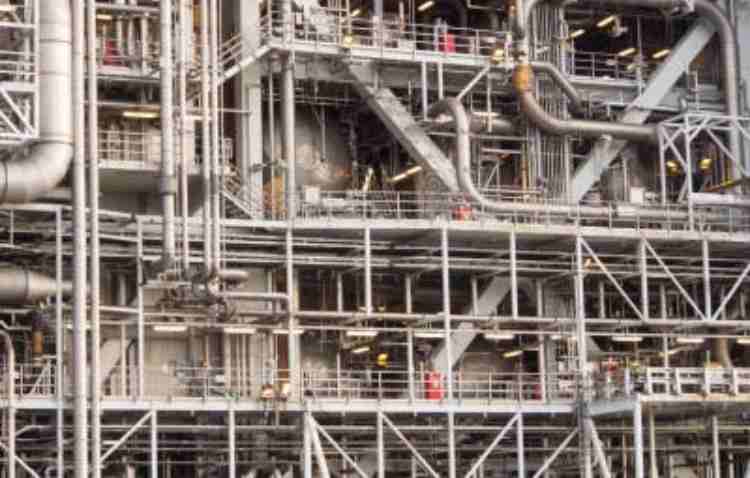
Marine and Offshore Structures
Plate used for ship components, offshore platform decking, seawater piping systems and coastal structural parts exposed to saltwater and atmospheric corrosion.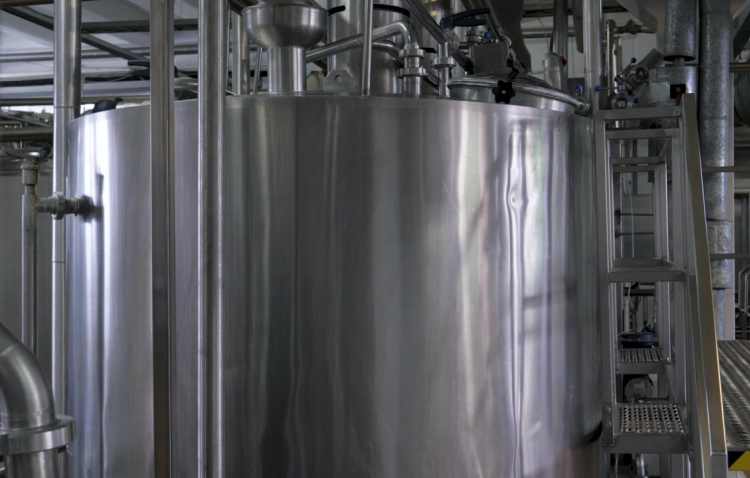
Food and Beverage Processing
Sanitary finish 316L plate manufactured into processing tanks, conveyor lines and food contact equipment for dairy, brewery, beverage and pharmaceutical manufacturing.|
Item |
Typical Information |
|
Product Name |
316 / 316L Stainless Steel Plate |
|
Equivalent Grades |
UNS S31600 / S31603 / EN 1.4401 / 1.4404 / JIS SUS316 / SUS316L |
|
Product Form |
Hot rolled plate, cold rolled sheet, cut piece |
|
Standard Reference |
ASTM A240 / EN 10088-2 or customer specification |
|
Supply Condition |
Annealed, pickled, cold rolled with various surface finishes |
|
Application |
Chemical equipment, marine structures, food processing, heat exchangers |
|
Property |
306 |
316 |
|
Tensile Strength (min) |
515 MPa |
485 MPa |
|
0.2% Yield Strength (min) |
205 MPa |
170 MPa |
|
Elongation (min) |
40% |
40% |
|
Hardness (max) |
217 HBW / 95 HRB |
217 HBW / 95 HRB |
|
Type |
C |
Si |
Mn |
Cr |
Ni |
Mo |
P |
S |
|
316 |
≤0.080 |
≤0.75 |
≤2.00 |
16.00–18.00 |
10.00–14.00 |
2.00–3.00 |
≤0.045 |
≤0.030 |
|
316L |
≤0.030 |
≤0.75 |
≤2.00 |
16.00–18.00 |
10.00–14.00 |
2.00–3.00 |
≤0.045 |
≤0.030 |
Q: What is the main difference between 316 and 316L stainless steel?
A: The core difference is carbon content. 316 has a maximum carbon of 0.080%, while 316L limits carbon to 0.030%. The low carbon content of 316L reduces the risk of intergranular corrosion after welding, making it preferred for welded structures.
Q: How does 316/316L compare with 304 stainless steel in corrosion resistance?
A: With 2–3% molybdenum addition, 316/316L offers significantly better resistance to pitting and crevice corrosion in chloride environments than 304. It is the standard upgrade for seawater, chemical and brackish water service where 304 would corrode prematurely.
Q: What surface finishes are available for 316/316L plates?
A: Common finishes include No.1 hot rolled pickled finish for heavy industrial use, 2B cold rolled smooth finish for general fabrication, as well as BA, brushed and polished finishes for sanitary and decorative applications.
Q: Can 316/316L stainless steel plate be welded and cold formed?
A: Yes. 316/316L has excellent weldability with TIG, MIG and submerged arc welding processes, and 316L retains corrosion resistance after welding without post-weld annealing. It also performs well in bending, deep drawing and stamping operations.
Q: What is the minimum order quantity for this product?
A: The minimum order quantity usually depends on current stock availability. For regular stock sizes, 50KG is acceptable, and we also support small sample orders for material testing.