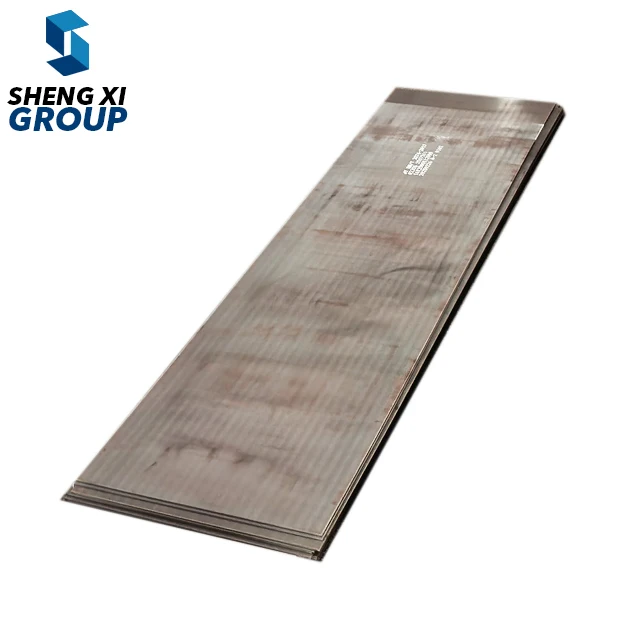
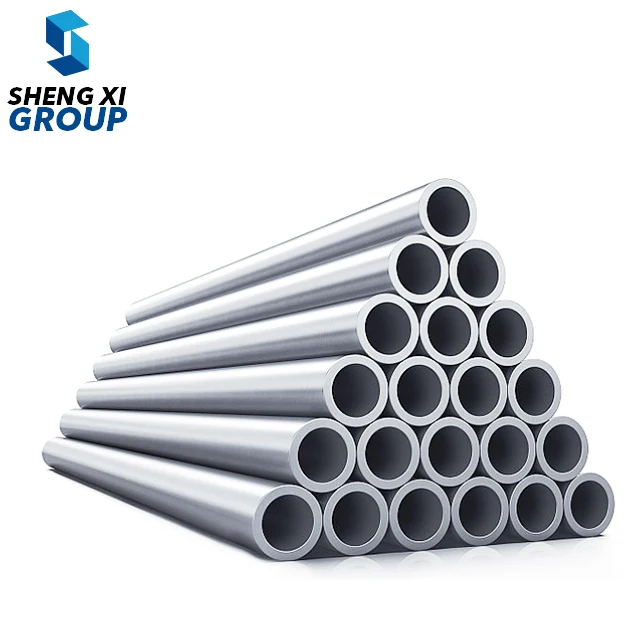
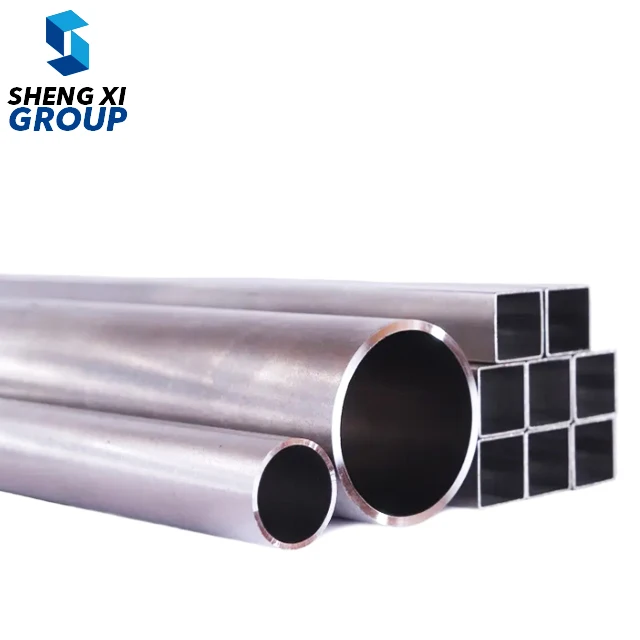
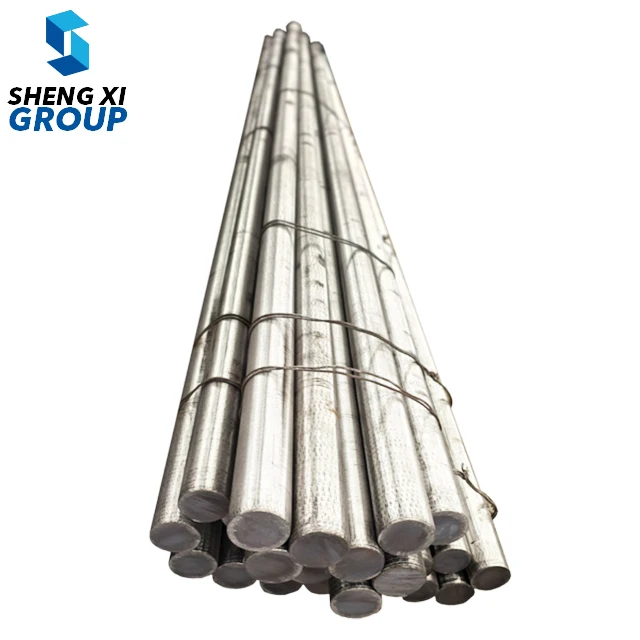
High-Performance Roller Bearing Steel: Superior Quality Steel Solutions for Industrial Applications

All Categories

roller bearing steel

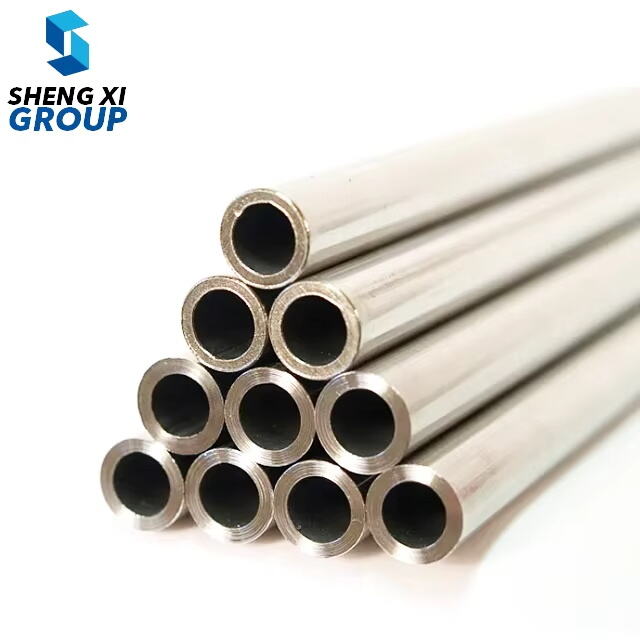
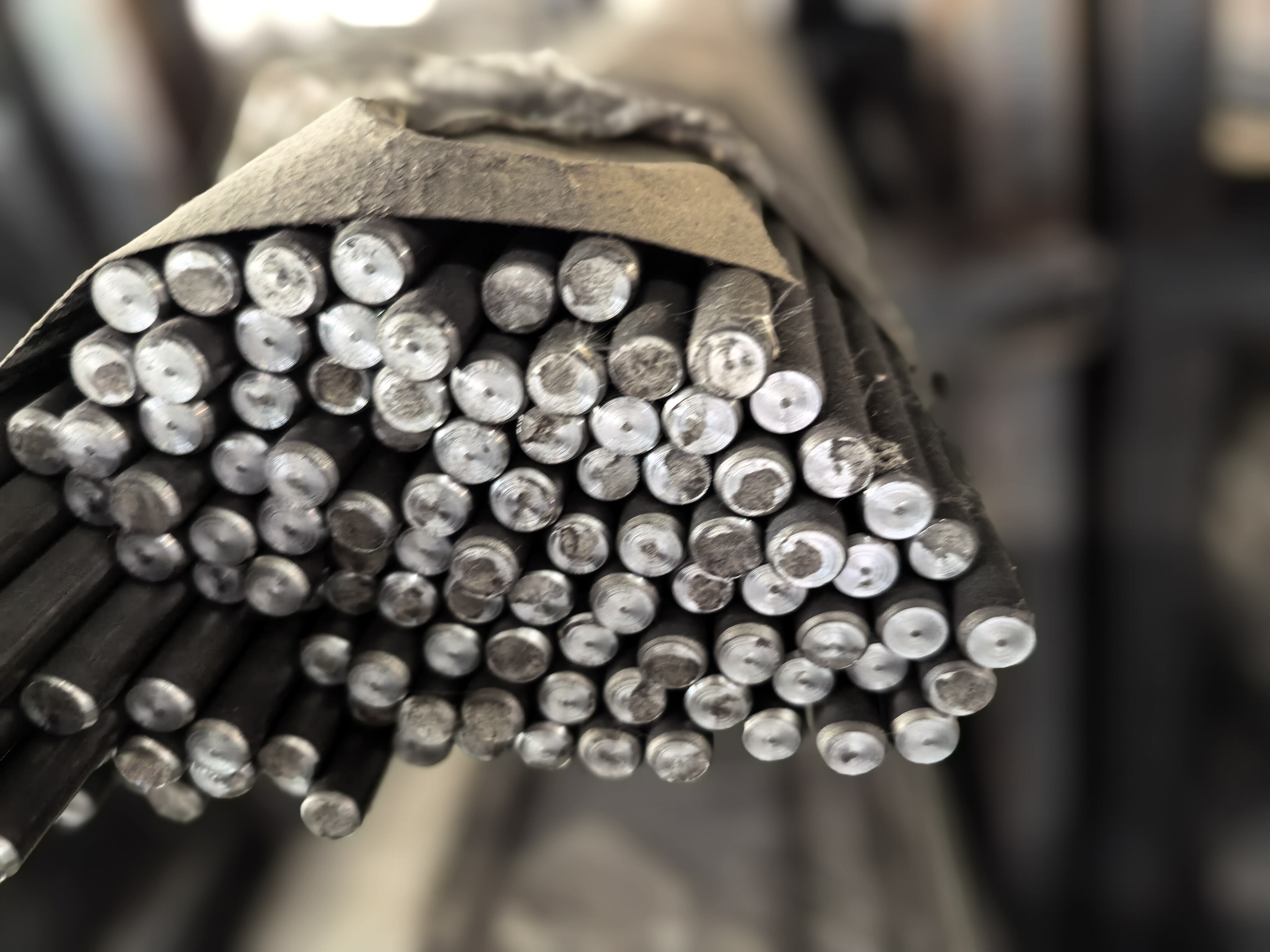
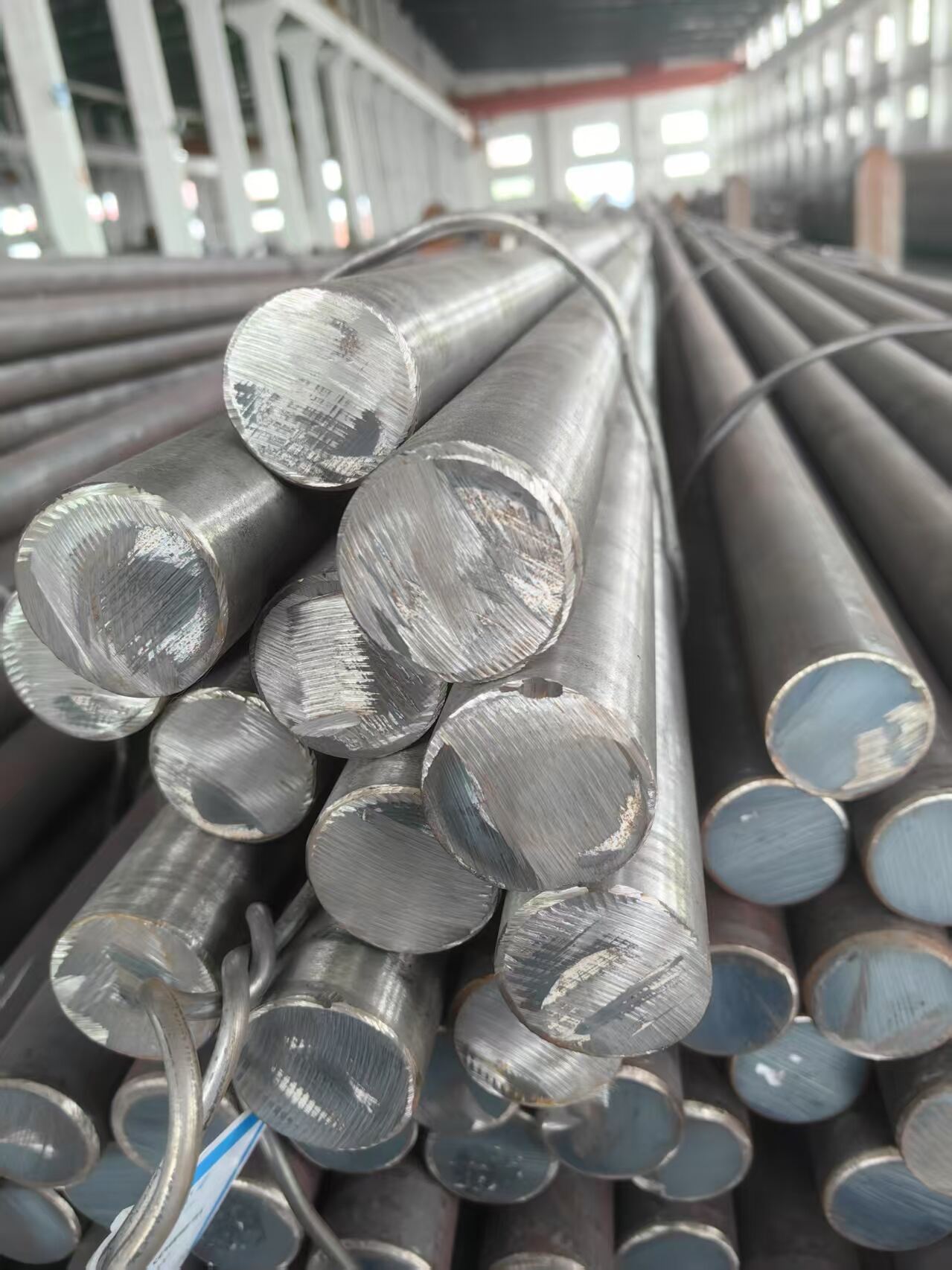
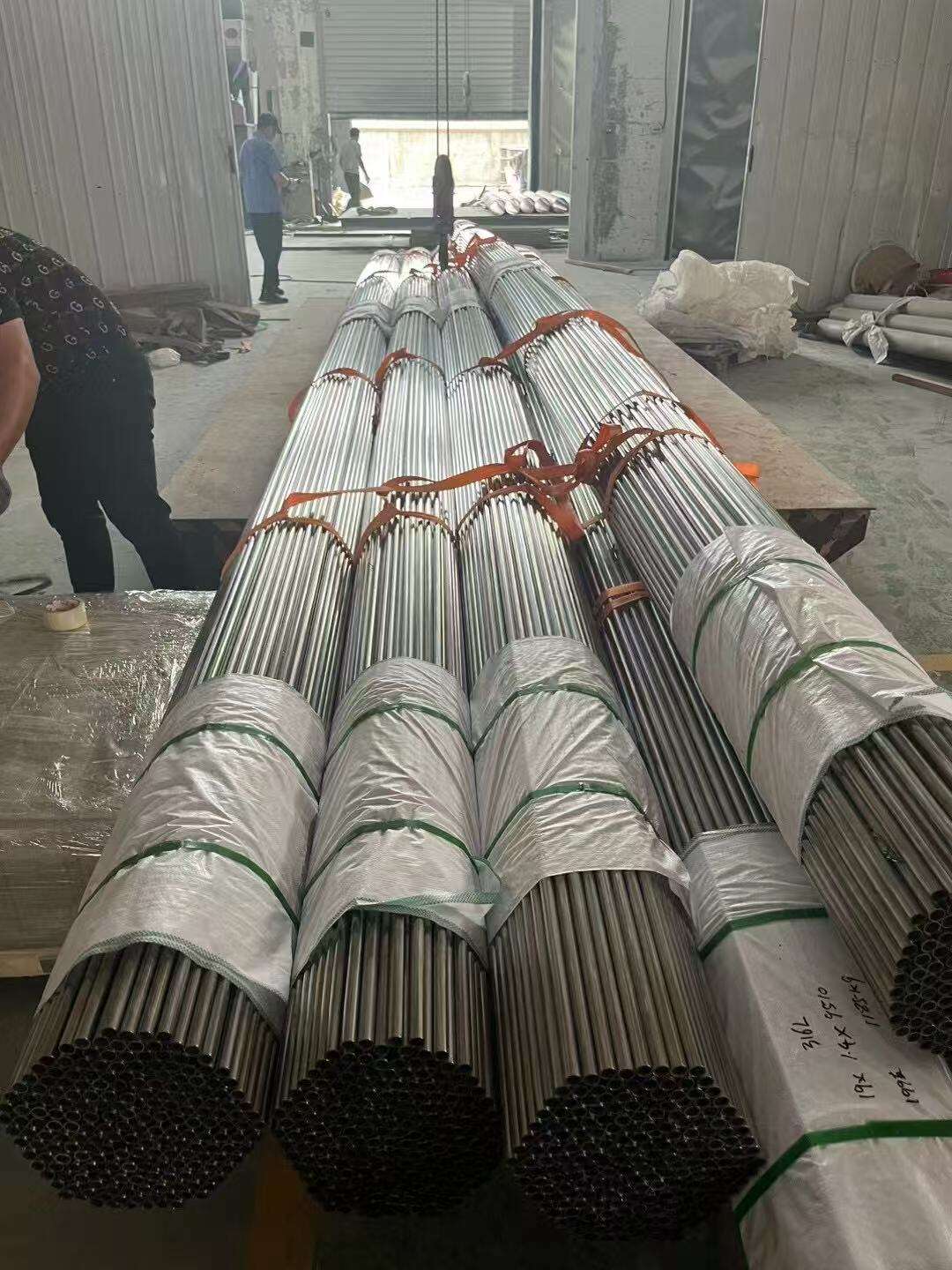
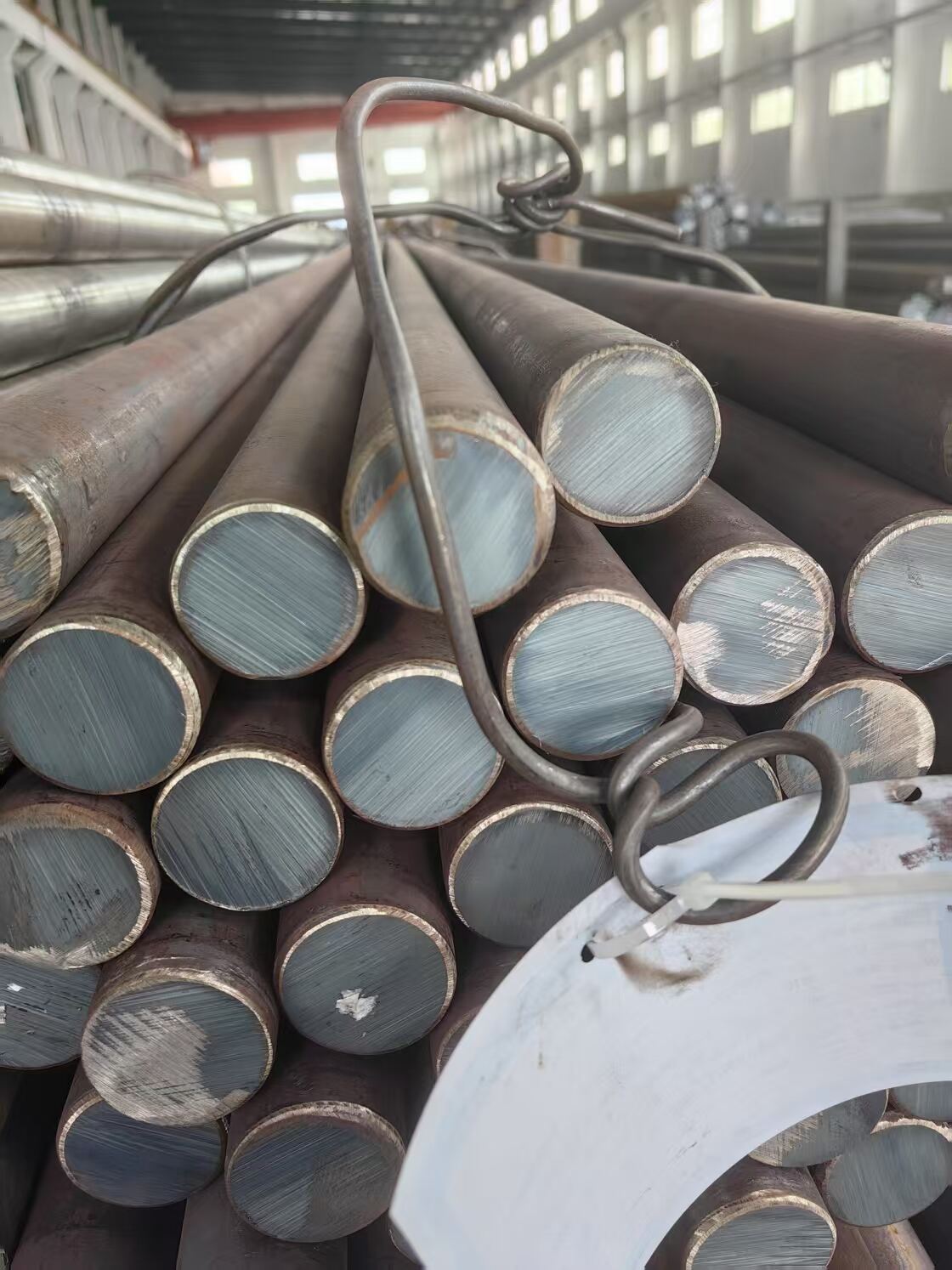
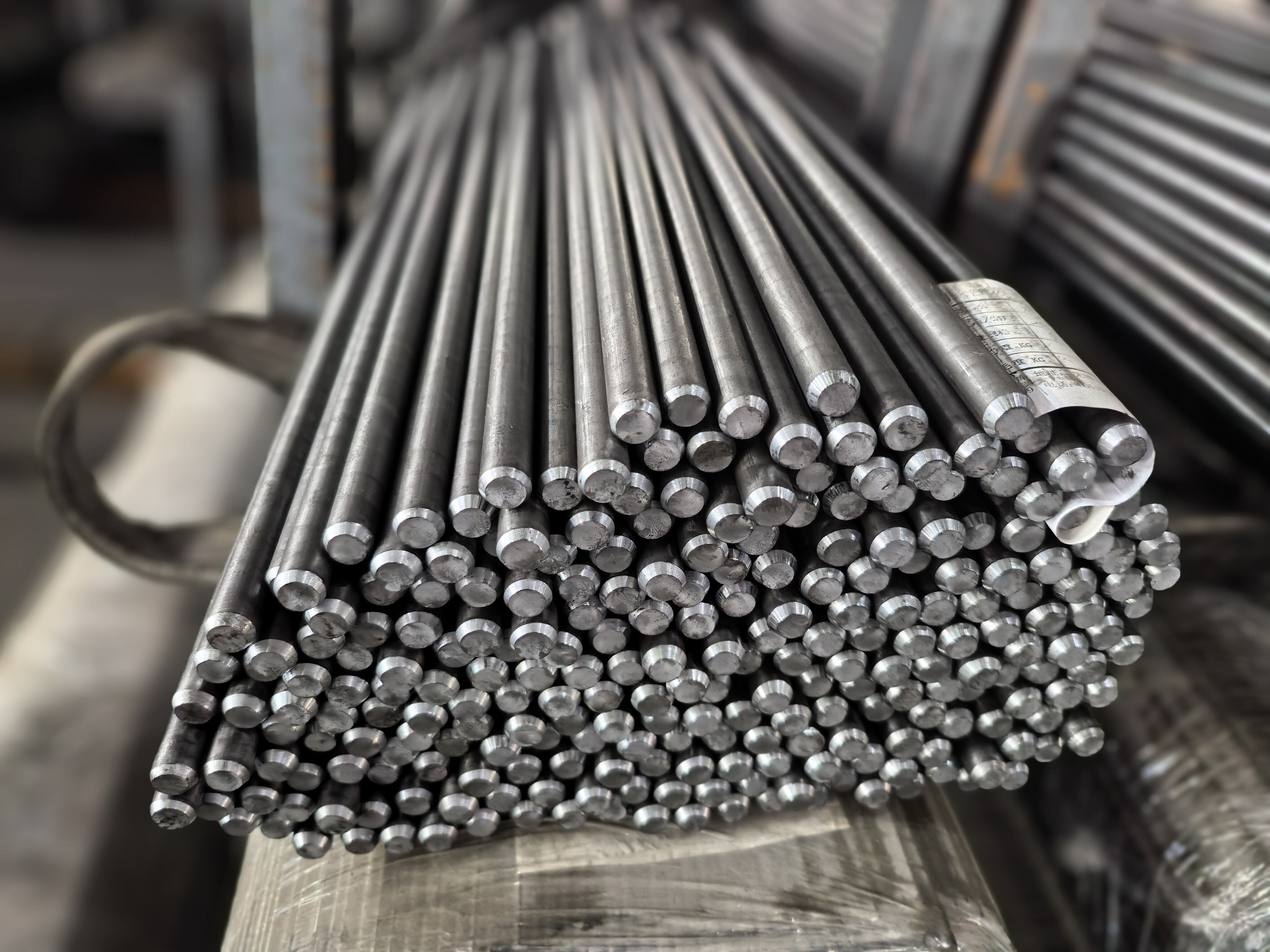
Roller bearing steel represents a specialized category of high-performance steel alloys specifically engineered to meet the demanding requirements of modern bearing applications. This advanced metallurgical material forms the foundation of countless mechanical systems across industries, from automotive transmissions to industrial machinery. Roller bearing steel combines exceptional hardness, durability, and fatigue resistance to ensure reliable operation under extreme conditions. The primary function of roller bearing steel centers on providing smooth rotational movement while supporting radial and axial loads. Through precise manufacturing processes, this steel achieves uniform grain structure and optimal chemical composition, typically containing chromium, carbon, and other alloying elements that enhance its mechanical properties. The technological features of roller bearing steel include superior wear resistance, dimensional stability, and excellent surface finish capabilities. These characteristics enable bearings to maintain tight tolerances throughout their operational lifetime. The steel undergoes specialized heat treatment processes including hardening, tempering, and stress relieving to achieve the desired hardness levels typically ranging from 58 to 65 HRC. Applications for roller bearing steel span numerous sectors including automotive, aerospace, manufacturing, energy production, and transportation systems. In automotive applications, this steel enables smooth engine operation, transmission functionality, and wheel hub performance. Industrial machinery relies on roller bearing steel for conveyor systems, pumps, compressors, and production equipment. The aerospace industry demands the highest quality roller bearing steel for aircraft engines, landing gear systems, and control mechanisms. Wind turbines utilize specialized roller bearing steel to withstand extreme weather conditions and continuous operation. Railroad applications depend on this steel for locomotive engines, wheel assemblies, and track systems. The versatility of roller bearing steel makes it indispensable for modern mechanical engineering solutions across diverse operational environments and loading conditions.

Popular Products

Roller bearing steel delivers numerous practical benefits that directly translate into cost savings and improved performance for customers across various industries. The superior durability of this material significantly extends bearing service life, reducing maintenance frequency and associated downtime costs. Businesses experience fewer unexpected equipment failures when utilizing high-quality roller bearing steel components, leading to improved production efficiency and reduced operational disruptions. The exceptional load-carrying capacity of roller bearing steel allows machinery to handle heavier workloads without compromising performance, enabling companies to maximize their equipment utilization and productivity. This increased load capacity translates into more versatile equipment that can adapt to changing operational requirements without costly upgrades. The low friction characteristics of properly manufactured roller bearing steel reduce energy consumption in rotating machinery, resulting in lower electricity bills and improved environmental sustainability. Companies using equipment with quality roller bearing steel components often report measurable reductions in their energy costs over time. The dimensional stability of roller bearing steel ensures consistent performance throughout temperature fluctuations and varying operational conditions, providing reliable operation in challenging environments. This stability eliminates the need for frequent recalibration and adjustment, saving valuable technician time and reducing maintenance expenses. The corrosion resistance properties of modern roller bearing steel formulations protect against environmental degradation, extending component life in harsh conditions such as marine environments or chemical processing facilities. This resistance reduces replacement costs and minimizes inventory requirements for spare parts. The precision manufacturing capabilities enabled by roller bearing steel allow for tighter tolerances and smoother operation, resulting in reduced vibration and noise levels in machinery. This improvement enhances workplace conditions and may help companies meet noise regulations more easily. The recyclability of roller bearing steel supports sustainable manufacturing practices, allowing companies to reduce their environmental impact while potentially recovering value from end-of-life components. The consistent quality and predictable performance characteristics of roller bearing steel enable better maintenance planning and inventory management, helping businesses optimize their operational strategies and reduce unexpected costs associated with equipment failures.

Tips And Tricks

How to Heat Treat Bearing Steel

08

Jul

How to Heat Treat Bearing Steel

Fundamentals of Heat Treating Bearing Steel Composition Requirements for Bearing Steel What makes bearing steel work so well comes down to its composition, which needs to hit certain performance benchmarks for durability. The main ingredients mixed...
View More
Strength and Durability of Alloy Steel

08

Jul

Strength and Durability of Alloy Steel

What is Alloy Steel? Alloy steel, integral to various industrial applications, is fundamentally a mixture of iron enhanced with key elements such as carbon, manganese, chromium, and nickel. Each of these elements plays a specific role in augmenting ...
View More
Application fields of tool steel

27

Nov

Application fields of tool steel

Understanding the Versatility of Modern Tool Steel Tool steel represents one of the most versatile and robust materials in modern manufacturing and industrial applications. This specialized form of steel, characterized by its exceptional hardness, re...
View More
How to balance wear resistance and toughness in die steel?‌

31

Oct

How to balance wear resistance and toughness in die steel?‌

Achieving Optimal Properties in Tool Steel Manufacturing The delicate balance between wear resistance and toughness represents one of the most critical challenges in die steel production. Engineers and metallurgists constantly strive to achieve this ...
View More

Get a Free Quote

Our representative will contact you soon.
Email
Name
Company Name
Message
0/1000

roller bearing steel

Exceptional Fatigue Resistance for Extended Service Life

Exceptional Fatigue Resistance for Extended Service Life

The exceptional fatigue resistance of roller bearing steel stands as one of its most valuable characteristics, directly impacting the longevity and reliability of bearing applications across all industries. This superior fatigue resistance results from the carefully controlled metallurgical structure achieved through advanced steelmaking processes and precise heat treatment protocols. The steel's ability to withstand millions of load cycles without developing cracks or surface degradation ensures that bearings maintain their operational integrity throughout extended service periods. This characteristic becomes particularly crucial in applications where bearings experience constant rotational stress, such as automotive wheel hubs, industrial motor shafts, and wind turbine assemblies. The fatigue resistance of roller bearing steel stems from its refined grain structure and optimal carbide distribution, which effectively distribute stress concentrations and prevent crack initiation. Modern roller bearing steel formulations incorporate advanced alloying techniques that enhance the material's ability to resist subsurface fatigue, a common failure mode that can lead to catastrophic bearing failure. The economic benefits of this exceptional fatigue resistance extend far beyond the initial material cost, as customers experience significantly reduced maintenance expenses, fewer unexpected downtime events, and extended equipment service intervals. Industries such as mining, construction, and heavy manufacturing particularly benefit from this characteristic, as their equipment operates under severe loading conditions where fatigue resistance directly correlates with operational profitability. The predictable service life enabled by superior fatigue resistance allows maintenance teams to develop more accurate preventive maintenance schedules, optimizing resource allocation and reducing emergency repair costs. Additionally, the confidence in long-term performance provided by roller bearing steel with exceptional fatigue resistance enables engineers to design more efficient systems with reduced safety factors, resulting in lighter, more cost-effective machinery without compromising reliability.
Superior Surface Quality and Dimensional Precision

Superior Surface Quality and Dimensional Precision

The superior surface quality and dimensional precision achievable with roller bearing steel represent fundamental advantages that directly impact bearing performance, efficiency, and service life. This exceptional surface quality results from the steel's uniform composition and fine grain structure, which enable precise machining and grinding operations that produce mirror-like finishes with minimal surface irregularities. The ability to achieve extremely smooth surfaces, typically measured in microinches of roughness, reduces friction between rolling elements and raceways, leading to lower operating temperatures and reduced wear rates. This surface quality advantage becomes particularly important in high-speed applications where even minor surface imperfections can generate vibrations, noise, and premature failure. The dimensional precision capabilities of roller bearing steel allow manufacturers to maintain tolerances measured in micrometers, ensuring proper fit and function within bearing assemblies. This precision directly translates into improved load distribution, reduced stress concentrations, and enhanced overall bearing performance. The material's stability during heat treatment processes ensures that dimensional accuracy remains consistent throughout manufacturing, reducing rejection rates and improving production efficiency. Customers benefit from this superior surface quality and precision through reduced maintenance requirements, as smoother surfaces generate less wear debris and require less frequent lubrication changes. The improved efficiency resulting from reduced friction translates into lower energy consumption, particularly important in applications with multiple bearing installations such as conveyor systems or production machinery. The precision achievable with roller bearing steel also enables the use of tighter clearances in bearing assemblies, improving stiffness and positioning accuracy in machine tools and precision equipment. Industries requiring high-precision motion control, such as robotics, semiconductor manufacturing, and optical equipment, particularly value these characteristics. The consistent surface quality also facilitates better lubrication film formation, ensuring adequate separation between contact surfaces and extending bearing life even under challenging operating conditions.
Exceptional Temperature Stability and Thermal Performance

Exceptional Temperature Stability and Thermal Performance

The exceptional temperature stability and thermal performance of roller bearing steel provide crucial advantages for applications operating under varying thermal conditions or elevated temperatures. This thermal stability results from the steel's carefully balanced chemical composition and controlled microstructure, which resist dimensional changes and maintain mechanical properties across wide temperature ranges. The material's ability to retain hardness and strength at elevated temperatures ensures consistent bearing performance in applications such as automotive engines, industrial furnaces, and high-speed machinery where operating temperatures can exceed normal ambient conditions. The low thermal expansion coefficient of roller bearing steel minimizes clearance changes within bearing assemblies during temperature fluctuations, maintaining proper preload settings and preventing excessive stress or looseness that could lead to premature failure. This stability becomes particularly valuable in precision applications where maintaining tight tolerances is critical for proper operation. The thermal conductivity properties of roller bearing steel facilitate efficient heat dissipation, preventing localized hot spots that could cause thermal distortion or metallurgical changes in the bearing structure. This heat management capability extends bearing life and maintains performance consistency even under high-speed or heavy-load conditions that generate significant heat. Customers operating equipment in extreme environments, such as desert mining operations, arctic transportation systems, or high-temperature manufacturing processes, particularly benefit from this thermal stability. The material's resistance to thermal stress cracking ensures reliable operation through repeated heating and cooling cycles, common in intermittent-duty applications or equipment subject to environmental temperature variations. The predictable thermal behavior of roller bearing steel enables engineers to design bearing installations with appropriate clearances and preloads that remain optimal throughout the expected temperature range, improving overall system reliability. Industries such as aerospace, power generation, and steel production rely heavily on this thermal performance to maintain equipment availability and safety under challenging operating conditions where temperature variations are unavoidable.
High-Performance Roller Bearing Steel: Superior Quality Steel Solutions for Industrial Applications

Get a Free Quote

Our representative will contact you soon.
Email
Name
Company Name
Message
0/1000