
 EN
EN
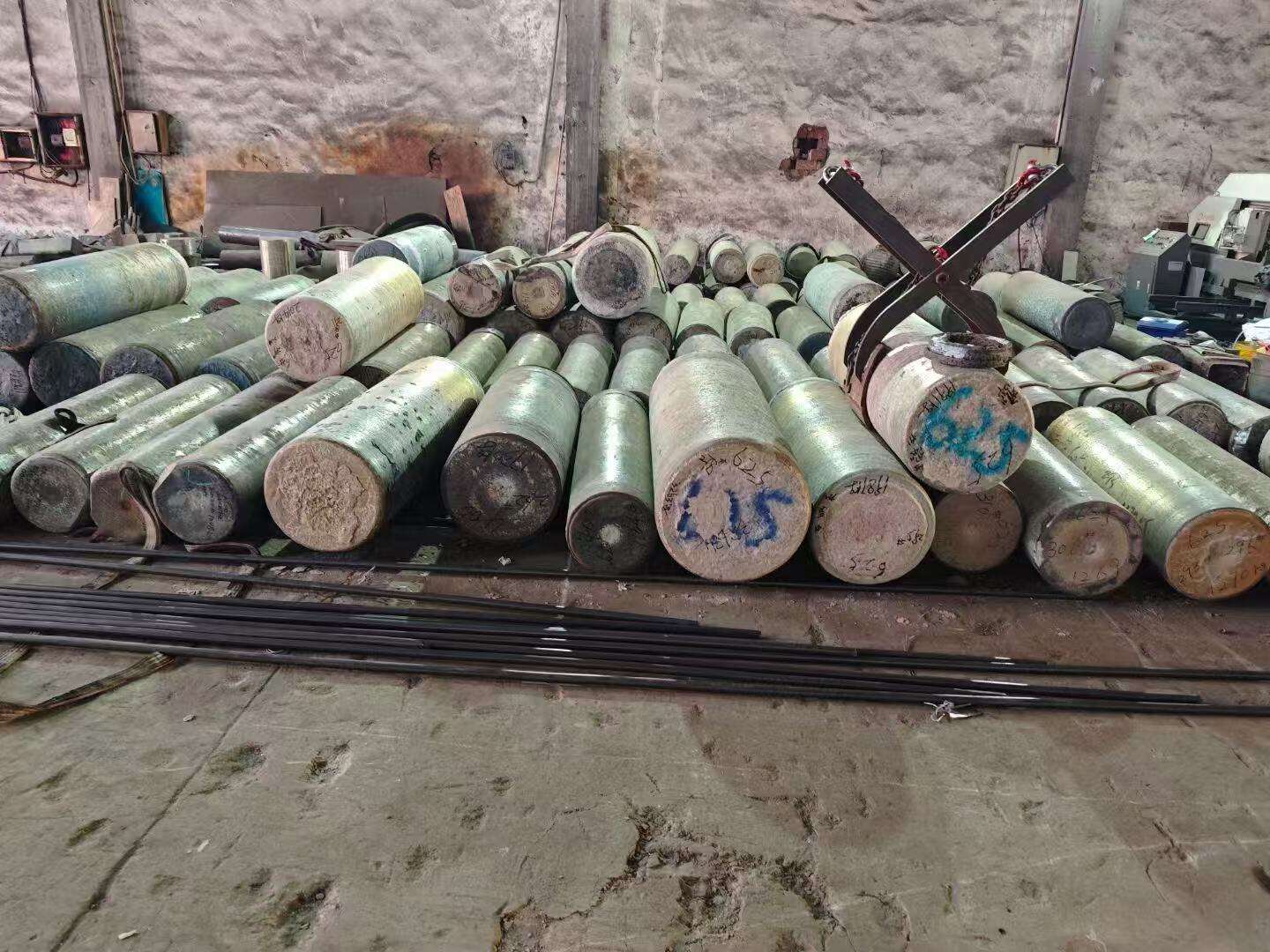
Modern energy infrastructure relies heavily on materials that can withstand extreme environmental conditions while maintaining structural integrity over decades of operation. High-strength special steel has emerged as a cornerstone material in both wind power and nuclear energy applications, where safety, durability, and performance are non-negotiable requirements. These specialized steel grades offer exceptional mechanical properties, including superior tensile strength, excellent corrosion resistance, and remarkable low-temperature impact resistance that make them ideally suited for critical energy sector applications.
The energy sector's transition toward renewable sources and advanced nuclear technologies has created unprecedented demand for materials that combine strength with reliability. High-strength special steel grades such as S420ML, S460NL, and SM520B represent the pinnacle of metallurgical engineering, offering unique combinations of properties that enable safe and efficient energy generation. These materials undergo rigorous testing and quality control processes to ensure they meet the stringent requirements of energy infrastructure projects worldwide.
Wind Power Industry Applications
Tower Construction and Structural Components
Wind turbine towers represent one of the most demanding applications for high-strength special steel in the renewable energy sector. These massive structures must support multi-ton nacelles and rotor assemblies while withstanding constant wind loads, vibrations, and environmental stresses. The steel used in tower construction requires exceptional yield strength to minimize wall thickness while maintaining structural integrity under extreme loading conditions.
High-strength special steel grades provide the ideal solution for wind tower applications due to their superior strength-to-weight ratio. This characteristic allows engineers to design taller towers with reduced material consumption, leading to improved energy capture efficiency and lower transportation costs. The excellent weldability of these special steel grades ensures reliable joining of tower sections, creating seamless structures capable of withstanding decades of operational stress.
Modern wind farms often utilize towers exceeding 100 meters in height, requiring materials that maintain their properties under varying temperature conditions. High-strength special steel exhibits stable mechanical properties across wide temperature ranges, ensuring consistent performance from arctic installations to desert environments. This temperature stability is crucial for maintaining tower structural integrity regardless of geographic location or seasonal variations.
Nacelle and Hub Components
The nacelle housing and rotor hub assembly represent critical components where material failure could result in catastrophic consequences. These components must withstand enormous rotational forces, dynamic loads, and environmental exposure while maintaining precise dimensional stability. High-strength special steel provides the combination of toughness and fatigue resistance necessary for these demanding applications.
Manufacturing nacelle components from high-strength special steel allows for weight reduction without compromising structural integrity. This weight reduction is particularly important in wind turbine design, as lighter nacelles reduce tower loading and enable the use of smaller foundation systems. The excellent machinability of these steel grades facilitates the production of complex geometries required for optimal aerodynamic performance and mechanical functionality.
Rotor hubs manufactured from high-strength special steel exhibit exceptional fatigue resistance under the cyclic loading conditions inherent in wind turbine operation. The material's ability to withstand millions of stress cycles without crack initiation or propagation ensures long-term reliability and reduces maintenance requirements throughout the turbine's operational lifespan.
Nuclear Energy Sector Applications
Reactor Pressure Vessel Construction
Nuclear reactor pressure vessels represent perhaps the most critical application of high-strength special steel in the energy sector. These massive components must contain radioactive materials under extreme pressure and temperature conditions while maintaining absolute structural integrity throughout their operational lifetime. The steel used in pressure vessel construction undergoes extensive testing and certification to meet nuclear safety standards.
The unique properties of high-strength special steel make it ideal for nuclear applications where radiation resistance, low-temperature toughness, and long-term stability are essential. These materials exhibit minimal changes in mechanical properties under neutron irradiation, ensuring consistent performance throughout the reactor's operational life. The high-strength special steel used in nuclear applications undergoes rigorous quality control processes to eliminate impurities and ensure homogeneous microstructures.
Reactor pressure vessels require materials with exceptional fracture toughness to prevent brittle failure under emergency cooling conditions. High-strength special steel grades demonstrate superior impact resistance at low temperatures, providing an additional safety margin for nuclear power plant operations. This property is particularly important for reactors operating in cold climates or during emergency shutdown scenarios where rapid temperature changes occur.
Steam Generator and Heat Exchanger Systems
Steam generators and heat exchangers in nuclear power plants operate under corrosive conditions with high temperatures and pressures, requiring materials that combine strength with exceptional corrosion resistance. High-strength special steel grades used in these applications undergo specialized heat treatments to optimize their microstructure for long-term performance in harsh environments.
The excellent thermal conductivity and dimensional stability of high-strength special steel make it ideal for heat exchanger tube construction. These components must maintain precise dimensions and surface integrity over decades of operation to ensure efficient heat transfer and prevent coolant leakage. The material's resistance to stress corrosion cracking provides additional reliability in chloride-containing environments.
Steam generator shells constructed from high-strength special steel exhibit superior resistance to thermal fatigue and corrosion-assisted cracking. These properties are essential for components that experience frequent thermal cycling during plant startup and shutdown operations. The material's ability to maintain its properties under radiation exposure ensures long-term reliability in nuclear environments.
Material Properties and Performance Characteristics
Mechanical Strength and Toughness
High-strength special steel derives its exceptional performance from carefully controlled chemical compositions and advanced metallurgical processing techniques. These materials typically exhibit yield strengths exceeding 420 MPa while maintaining excellent ductility and impact toughness. The combination of high strength and toughness results from optimized microstructures containing fine-grained ferrite-pearlite or bainitic phases.
The tensile properties of high-strength special steel are maintained across wide temperature ranges, ensuring consistent performance in applications experiencing thermal cycling. This temperature stability results from careful alloying and heat treatment practices that minimize microstructural changes during service exposure. The material's excellent notch toughness provides resistance to crack propagation under dynamic loading conditions.
Fatigue resistance represents a critical property for high-strength special steel used in rotating machinery and cyclic loading applications. These materials demonstrate superior endurance limits and crack growth resistance compared to conventional structural steels. The fine grain structure and controlled inclusion content contribute to enhanced fatigue performance under high-cycle loading conditions.
Corrosion Resistance and Environmental Durability
Environmental durability is paramount for energy infrastructure materials that must perform reliably for decades without significant maintenance. High-strength special steel exhibits excellent resistance to atmospheric corrosion through the formation of protective oxide layers and careful control of surface chemistry. This corrosion resistance is enhanced through appropriate coating systems and cathodic protection where necessary.
The material's resistance to stress corrosion cracking makes it suitable for applications in marine environments and industrial atmospheres containing chlorides or other aggressive species. High-strength special steel maintains its structural integrity under combined mechanical and environmental loading conditions that would cause failure in conventional materials.
Low-temperature impact resistance ensures that high-strength special steel maintains its toughness properties even in arctic environments or during emergency cooling scenarios. This characteristic is particularly important for wind turbines installed in cold climates and nuclear reactors designed to withstand loss-of-coolant accidents.
Manufacturing and Quality Control Processes
Steel Production and Processing
The production of high-strength special steel requires sophisticated steelmaking processes that ensure chemical homogeneity and microstructural control. Electric arc furnace melting followed by secondary refining processes removes impurities and adjusts chemical composition to precise specifications. Vacuum degassing and argon stirring eliminate dissolved gases and promote uniform chemical distribution throughout the steel.
Controlled rolling processes optimize the microstructure of high-strength special steel by refining grain size and promoting favorable phase transformations. Thermomechanical controlled processing combines controlled deformation with precise temperature control to achieve desired mechanical properties without additional heat treatment. This processing technique enhances both strength and toughness while maintaining excellent weldability.
Accelerated cooling following hot rolling allows for fine-grained microstructures that contribute to superior mechanical properties. The cooling rate and final temperature are carefully controlled to achieve optimal balance between strength and toughness. Quality control during production includes continuous monitoring of chemical composition, temperature, and processing parameters.
Testing and Certification Requirements
High-strength special steel used in critical energy applications undergoes extensive testing to verify compliance with international standards and specifications. Mechanical testing includes tensile tests, impact tests, hardness measurements, and fatigue testing to ensure properties meet design requirements. Non-destructive testing methods such as ultrasonic inspection detect internal defects that could compromise structural integrity.
Chemical analysis verifies that alloying elements and impurity levels meet specification requirements for high-strength special steel grades. Advanced analytical techniques including optical emission spectroscopy and X-ray fluorescence provide rapid and accurate compositional analysis. Trace element control is particularly important for nuclear applications where certain elements could affect radiation resistance.
Microstructural examination using optical and electron microscopy confirms that grain size, phase distribution, and inclusion content meet quality standards. These examinations provide insight into the material's processing history and predict long-term performance characteristics. Documentation and traceability systems ensure complete material pedigree for critical applications.
Future Developments and Innovations
Advanced Steel Grades and Compositions
Research and development efforts continue to advance high-strength special steel technology through innovative alloying strategies and processing techniques. Next-generation steel grades aim to combine even higher strength levels with improved toughness and environmental resistance. Microalloying with elements such as titanium, niobium, and vanadium enables precipitation strengthening while maintaining excellent weldability.
Advanced high-strength special steel grades incorporate nano-scale precipitation particles that provide strengthening without compromising ductility. These materials offer potential for further weight reduction in energy infrastructure applications while maintaining safety margins. Computational modeling assists in optimizing alloy compositions and predicting long-term performance characteristics.
Smart steel technologies integrate sensors and monitoring systems directly into high-strength special steel components to provide real-time performance data. These innovations enable predictive maintenance strategies and optimize component lifecycles. Integration of health monitoring systems with advanced materials represents the future of intelligent energy infrastructure.
Sustainable Production and Recycling
Environmental considerations drive innovations in high-strength special steel production toward more sustainable manufacturing processes. Electric arc furnace technology utilizing recycled steel reduces energy consumption and carbon emissions compared to traditional blast furnace routes. Advanced recycling techniques recover valuable alloying elements from end-of-life components.
Life cycle assessment methodologies evaluate the environmental impact of high-strength special steel throughout its entire service life. These assessments guide material selection decisions and identify opportunities for environmental improvement. Sustainable production practices include energy-efficient melting processes and waste heat recovery systems.
Circular economy principles applied to high-strength special steel emphasize design for recyclability and material recovery. End-of-life wind turbines and decommissioned nuclear components provide sources of high-quality scrap steel for reprocessing into new products. This approach reduces raw material consumption and environmental impact while maintaining material quality.
FAQ
What makes high-strength special steel different from conventional structural steel
High-strength special steel differs from conventional structural steel through its enhanced chemical composition, controlled processing, and superior mechanical properties. These steels contain carefully balanced alloying elements and undergo specialized heat treatments to achieve higher strength levels while maintaining excellent toughness and weldability. The result is a material that can withstand more demanding service conditions than standard structural grades.
How does high-strength special steel perform in extreme weather conditions
High-strength special steel demonstrates exceptional performance across extreme temperature ranges, from arctic conditions to high-temperature environments. The material maintains its mechanical properties and dimensional stability under thermal cycling conditions common in energy applications. Advanced grades exhibit superior low-temperature impact resistance and thermal fatigue resistance, ensuring reliable performance regardless of environmental conditions.
What quality standards apply to high-strength special steel for energy applications
High-strength special steel for energy applications must comply with strict international standards including ASTM, EN, and JIS specifications. Nuclear applications require additional certification under nuclear quality assurance programs such as ASME Section III. Quality control includes comprehensive testing for mechanical properties, chemical composition, and microstructural characteristics, with full documentation and traceability requirements.
How long can high-strength special steel components last in service
High-strength special steel components in energy applications are designed for service lives exceeding 40-60 years with proper maintenance and monitoring. The material's excellent fatigue resistance and environmental durability enable extended operational periods without significant degradation. Regular inspection and preventive maintenance programs ensure optimal performance throughout the design life, with many components capable of life extension through refurbishment techniques.
Table of Contents
- Wind Power Industry Applications
- Nuclear Energy Sector Applications
- Material Properties and Performance Characteristics
- Manufacturing and Quality Control Processes
- Future Developments and Innovations
-
FAQ
- What makes high-strength special steel different from conventional structural steel
- How does high-strength special steel perform in extreme weather conditions
- What quality standards apply to high-strength special steel for energy applications
- How long can high-strength special steel components last in service