
 EN
EN
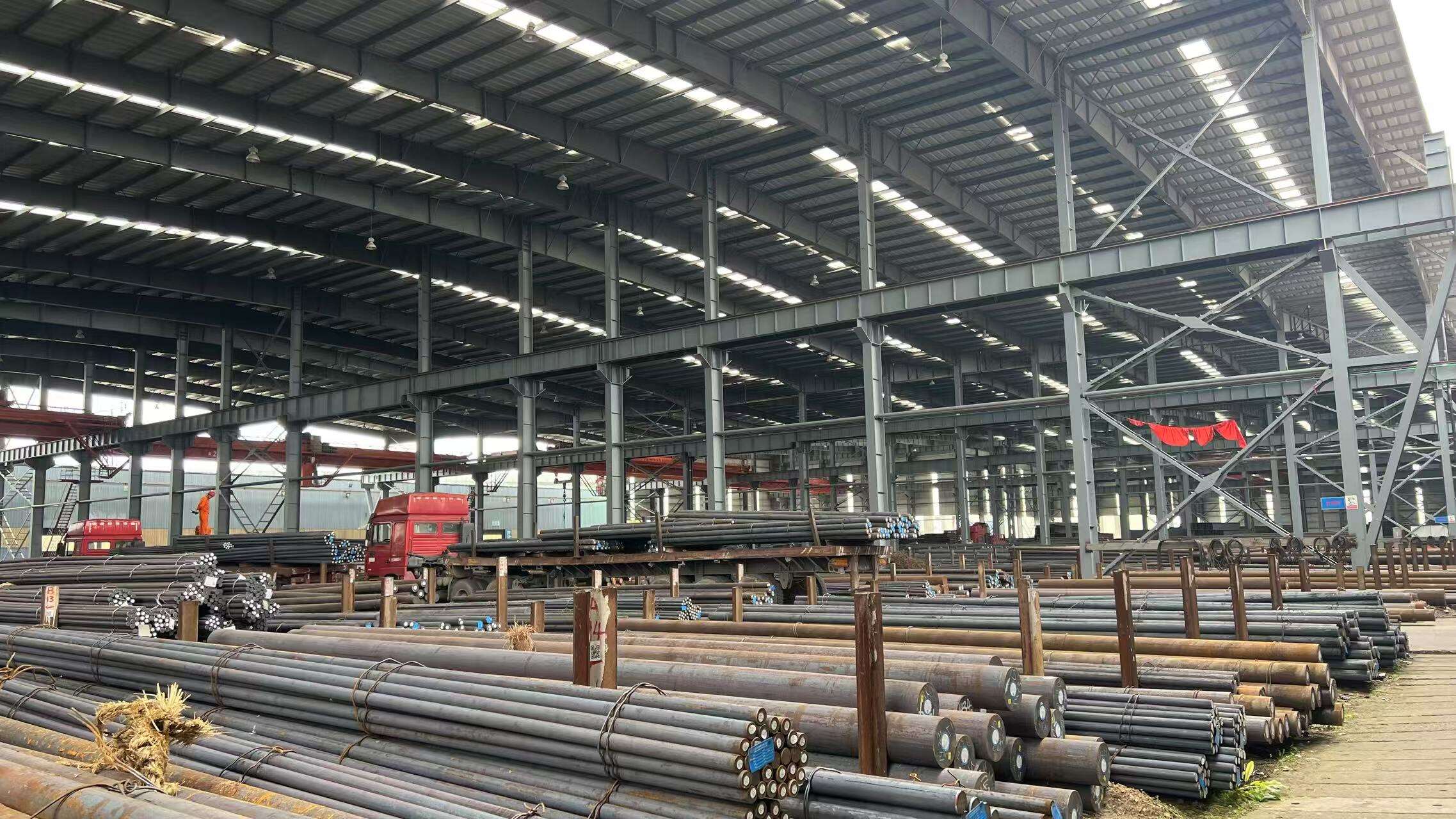
Achieving Optimal Properties in Tool Steel Manufacturing
The delicate balance between wear resistance and toughness represents one of the most critical challenges in die steel production. Engineers and metallurgists constantly strive to achieve this optimal equilibrium, as it directly impacts the performance and longevity of industrial tools and dies. Modern manufacturing demands have made this balance increasingly important, with industries requiring die steel that can withstand intense pressure while maintaining structural integrity.
Die steel applications span across numerous industries, from automotive manufacturing to aerospace components. The material must resist wear from repeated use while remaining tough enough to prevent catastrophic failure. Understanding how to achieve this balance requires deep knowledge of metallurgical principles and practical application techniques.
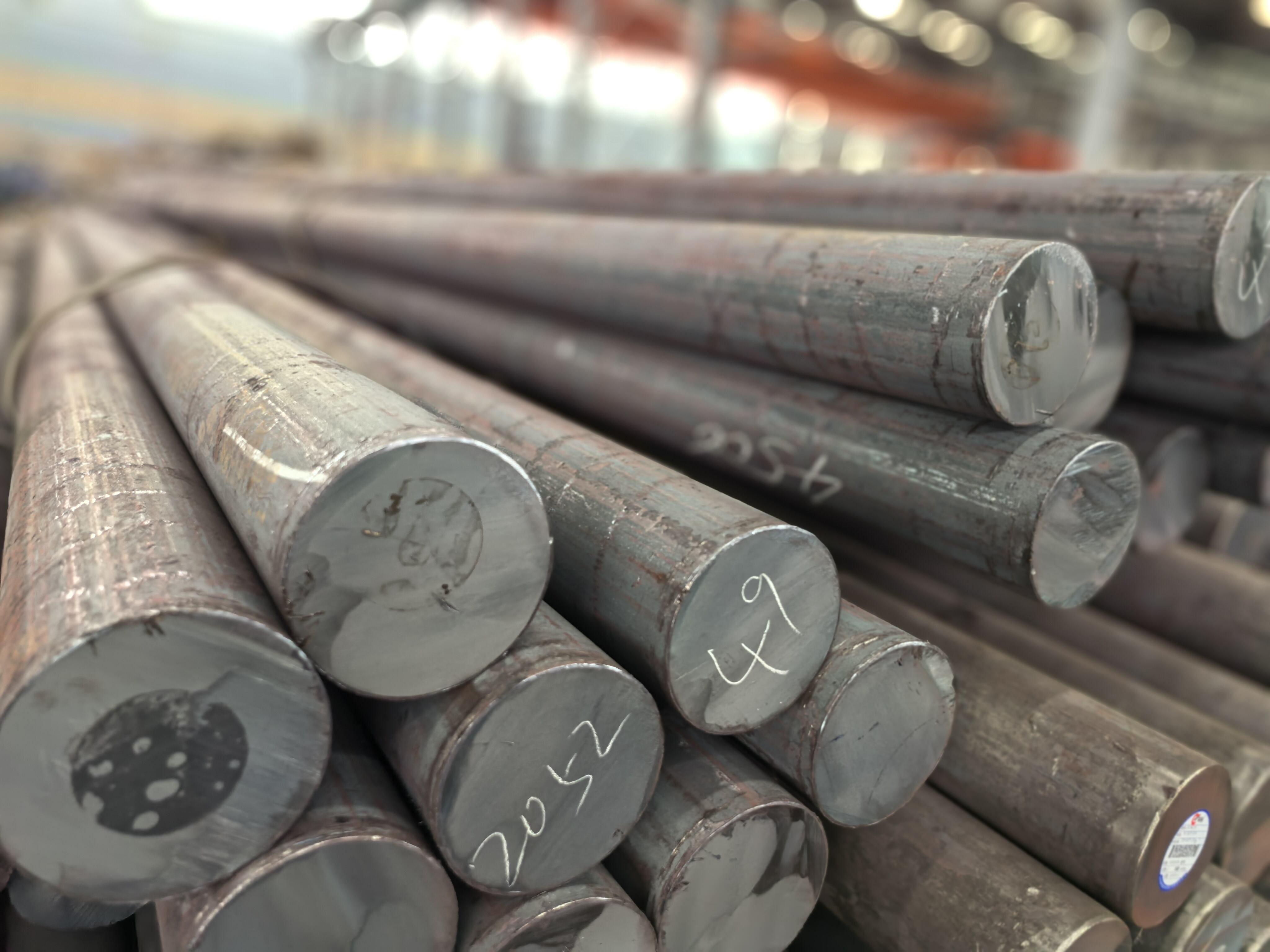
Fundamental Properties of High-Performance Die Steel
Chemical Composition and Its Impact
The chemical makeup of die steel plays a crucial role in determining its final properties. Carbon content typically ranges between 0.5% and 2.5%, with higher carbon levels generally increasing wear resistance but potentially reducing toughness. Alloying elements such as chromium, molybdenum, and vanadium contribute to the formation of hard carbides, enhancing wear resistance while maintaining structural stability.
Modern die steel formulations often incorporate precise combinations of these elements to achieve specific property profiles. For instance, increased chromium content can improve both wear resistance and corrosion resistance, while controlled amounts of vanadium can help maintain fine grain structure and enhance overall toughness.
Microstructural Considerations
The microstructure of die steel significantly influences its performance characteristics. A uniform distribution of carbides within the matrix provides optimal wear resistance, while the matrix itself must maintain sufficient toughness to prevent cracking. Heat treatment processes can be fine-tuned to achieve the desired microstructural balance, with carefully controlled cooling rates playing a vital role.
Advanced microscopy techniques now allow manufacturers to analyze and optimize microstructural development during production. This enables precise control over carbide size, distribution, and matrix properties, leading to more consistent and reliable die steel products.
Heat Treatment Strategies for Optimal Balance
Austenitizing and Quenching Protocols
Proper austenitizing temperature selection is crucial for dissolving carbides and achieving the desired final properties in die steel. Higher temperatures generally promote better carbide dissolution but may lead to excessive grain growth. The quenching process must be carefully controlled to prevent distortion while achieving the required hardness.
Modern vacuum heat treatment systems offer precise control over these parameters, allowing for optimal results. Computer-controlled processes can maintain exact temperature profiles and cooling rates, ensuring consistency across production batches.
Tempering Techniques and Multiple Cycles
Multiple tempering cycles often prove essential in achieving the optimal balance between wear resistance and toughness in die steel. Each tempering cycle allows for stress relief and microstructural refinement while maintaining necessary hardness levels. The temperature and duration of each cycle must be carefully selected based on the specific grade and application requirements.
Advanced tempering protocols may include specialized steps such as deep freezing between cycles to ensure complete transformation of retained austenite, further enhancing stability and performance.
Surface Treatment and Coating Solutions
Advanced Nitriding Processes
Surface treatment through nitriding can significantly enhance the wear resistance of die steel while maintaining core toughness. Plasma nitriding, in particular, offers excellent control over case depth and surface properties. The process creates a hard, wear-resistant layer while leaving the core material's toughness unaffected.
Modern nitriding techniques allow for precise control over the compound layer thickness and composition, optimizing surface properties for specific applications. Temperature control during the process prevents unwanted softening of the base material.
PVD and CVD Coating Applications
Physical Vapor Deposition (PVD) and Chemical Vapor Deposition (CVD) coatings provide additional options for enhancing die steel performance. These thin, hard coatings can dramatically improve wear resistance while the base material maintains its toughness. Multi-layer coating systems can be designed to address specific wear mechanisms while providing excellent adhesion.
Recent developments in coating technology have led to new formulations that offer improved performance and longer service life. The selection of coating type and thickness must be carefully matched to the application requirements and base material properties.
Maintenance and Performance Optimization
Monitoring and Preventive Care
Regular monitoring of die steel tools helps identify wear patterns and potential issues before they become critical. Surface inspection techniques, including advanced optical and electronic methods, can detect early signs of wear or fatigue. This information enables proactive maintenance scheduling and optimization of operating parameters.
Implementing proper maintenance protocols extends die life while ensuring consistent performance. Regular cleaning, lubrication, and inspection procedures help maintain the balance between wear resistance and toughness throughout the tool's service life.
Performance Analysis and Feedback
Collecting and analyzing performance data provides valuable insights for optimizing die steel applications. Tracking wear patterns, failure modes, and service life helps refine material selection and processing parameters for future applications. This feedback loop is essential for continuous improvement in die steel performance.
Modern data collection and analysis tools enable more sophisticated understanding of die steel behavior under actual operating conditions, leading to better-informed decisions in material selection and processing.
Frequently Asked Questions
What causes premature die steel failure?
Premature die steel failure typically results from improper heat treatment, misaligned loading conditions, or inadequate maintenance procedures. Excessive stress concentration, poor surface finish, and inappropriate material selection for the specific application can also contribute to early failure.
How does carbon content affect die steel performance?
Carbon content directly influences the balance between wear resistance and toughness in die steel. Higher carbon levels generally increase hardness and wear resistance but may reduce toughness. The optimal carbon content depends on specific application requirements and must be balanced with other alloying elements.
What role do heat treatment temperatures play in die steel properties?
Heat treatment temperatures significantly impact die steel properties by affecting carbide dissolution, grain size, and phase transformations. Proper temperature selection and control during austenitizing, quenching, and tempering are crucial for achieving the desired balance between wear resistance and toughness.