
 EN
EN
Understanding the Critical Role of Temperature Transitions in Alloy Steel Performance
The ductile-brittle transition temperature represents a crucial parameter in alloy steel manufacturing and application. This fundamental property determines the temperature range where steel transforms from exhibiting ductile behavior to becoming dangerously brittle. For engineers and materials scientists, mastering the regulation of this transition point is essential for ensuring structural integrity and safety across diverse applications.
The relationship between temperature and mechanical behavior in alloy steel has far-reaching implications across industries. From construction projects in extreme environments to critical infrastructure components, understanding and controlling the ductile-brittle transition temperature can mean the difference between reliable performance and catastrophic failure.
Metallurgical Factors Affecting Transition Temperature
Chemical Composition and Alloying Elements
The chemical makeup of alloy steel plays a pivotal role in determining its ductile-brittle transition temperature. Elements like nickel and manganese can significantly lower the transition temperature, improving low-temperature toughness. Conversely, elements such as phosphorus and sulfur tend to raise the transition point, making the steel more susceptible to brittle behavior.
Modern metallurgists carefully balance alloying elements to achieve optimal transition temperatures. For instance, adding 2-4% nickel can lower the ductile-brittle transition temperature by several dozen degrees, making the steel suitable for cryogenic applications. The synergistic effects between different alloying elements must be considered to achieve desired properties.
Grain Size and Microstructure
The microstructural characteristics of alloy steel significantly influence its transition behavior. Finer grain sizes generally result in lower ductile-brittle transition temperatures, while coarser grains tend to raise it. Through controlled cooling rates and proper heat treatment processes, manufacturers can optimize grain size distribution.
Advanced processing techniques like normalized rolling and controlled cooling can produce refined grain structures that enhance low-temperature toughness. These methods help create uniform microstructures that maintain ductility across broader temperature ranges.
Processing Techniques for Temperature Control
Heat Treatment Protocols
Proper heat treatment procedures are essential for regulating the ductile-brittle transition temperature. Normalizing treatments help achieve uniform grain size and eliminate internal stresses that could affect transition behavior. Quenching and tempering processes must be carefully controlled to optimize mechanical properties while maintaining desired transition characteristics.
The cooling rate during heat treatment particularly impacts the final microstructure and, consequently, the transition temperature. Slower cooling rates generally produce more uniform structures with better low-temperature properties, though this must be balanced against other desired mechanical properties.
Deformation Processing
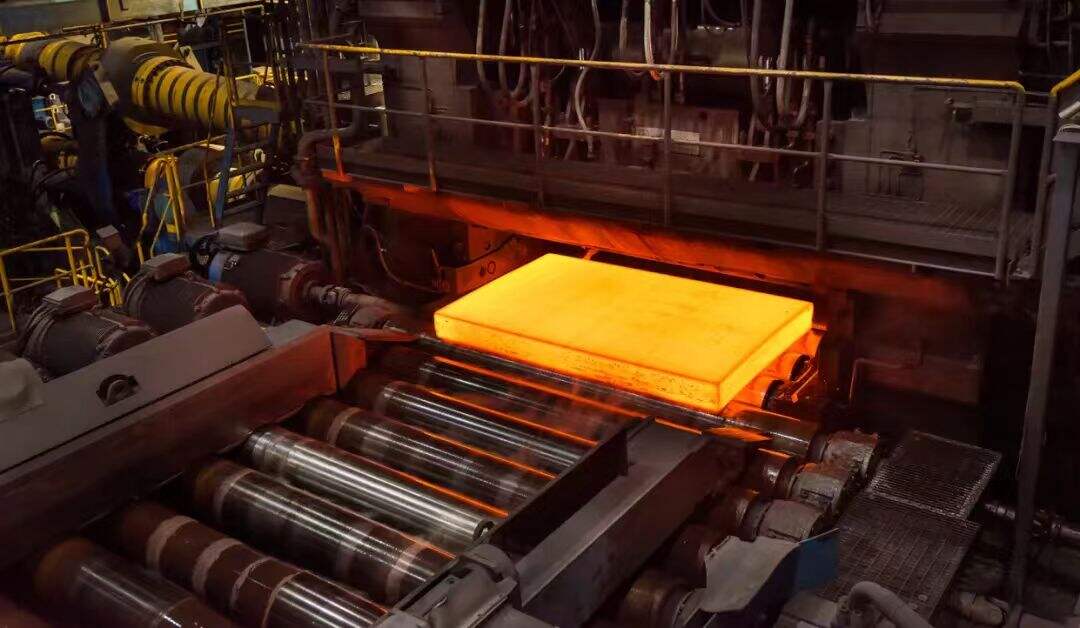
Mechanical working of alloy steel through processes like rolling and forging can significantly influence its transition temperature. These operations, when properly controlled, can refine grain structure and improve overall toughness. The amount of reduction and working temperature must be carefully monitored to achieve optimal results.
Modern thermomechanical processing combines deformation with precise temperature control to achieve specific microstructural features. This approach allows for better regulation of the ductile-brittle transition temperature while maintaining other essential mechanical properties.
Environmental Considerations and Applications
Service Temperature Requirements
Understanding the operating environment is crucial when selecting and treating alloy steel. The expected service temperature range must be well below the ductile-brittle transition temperature to ensure safe operation. This is particularly important in applications like offshore structures, pressure vessels, and arctic equipment.
Engineers must incorporate appropriate safety margins when designing with alloy steel, considering potential temperature fluctuations and their impact on material behavior. Regular monitoring and assessment of components operating near their transition temperature is essential for maintaining structural integrity.
Environmental Factors and Aging Effects
Long-term exposure to various environmental conditions can affect the ductile-brittle transition temperature of alloy steel. Factors such as radiation exposure, thermal cycling, and chemical environment can all influence transition behavior over time. Understanding these effects is crucial for predicting and maintaining long-term performance.
Implementing appropriate protective measures and monitoring systems helps maintain the desired transition temperature characteristics throughout the service life of alloy steel components. Regular assessment of material properties may be necessary for critical applications.
Testing and Quality Control Methods
Impact Testing Procedures
Accurate measurement of the ductile-brittle transition temperature requires specialized testing procedures. Charpy V-notch impact testing across a range of temperatures provides crucial data for determining transition behavior. The results help validate processing parameters and ensure material quality.
Modern testing facilities employ automated systems for precise temperature control and impact energy measurement. This enables reliable determination of transition temperatures and helps maintain consistency in production quality.
Quality Assurance Protocols
Comprehensive quality control programs are essential for maintaining consistent ductile-brittle transition temperatures in alloy steel production. This includes regular testing of production batches, monitoring of processing parameters, and verification of final properties.
Documentation and traceability systems help ensure that all materials meet specified requirements for transition temperature characteristics. This is particularly important for critical applications where failure could have severe consequences.
Frequently Asked Questions
How does grain size affect the ductile-brittle transition temperature?
Grain size has a significant inverse relationship with the ductile-brittle transition temperature. Finer grains generally result in lower transition temperatures and improved toughness. This is because smaller grains provide more barriers to crack propagation and allow for better distribution of stress throughout the material.
What role do alloying elements play in controlling transition temperature?
Alloying elements can either raise or lower the ductile-brittle transition temperature. Nickel and manganese typically lower it, while elements like phosphorus and sulfur tend to raise it. The precise control of alloying elements is crucial for achieving desired transition temperature characteristics.
How can heat treatment optimize transition temperature?
Heat treatment affects transition temperature through its influence on microstructure and grain size. Proper normalizing, quenching, and tempering procedures can help achieve optimal transition temperatures by controlling grain growth and phase transformations. The cooling rate during heat treatment is particularly important for achieving desired properties.