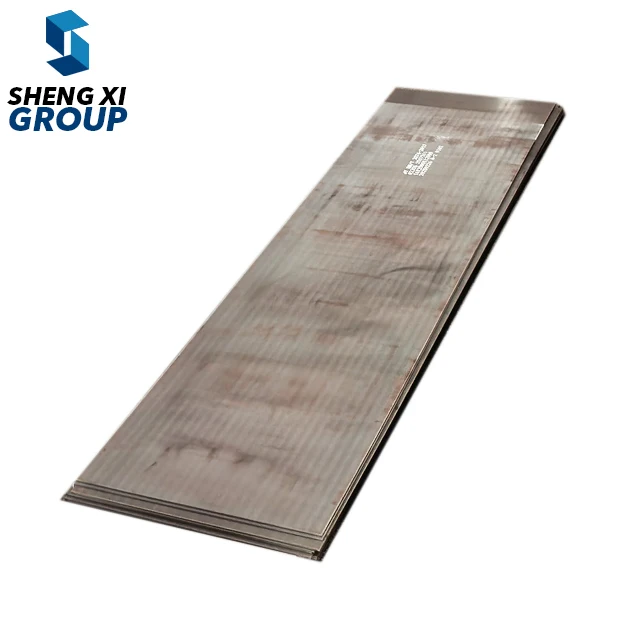
High Strength Steel Plate: Superior Performance, Enhanced Durability & Versatile Applications

All Categories

high strength steel plate

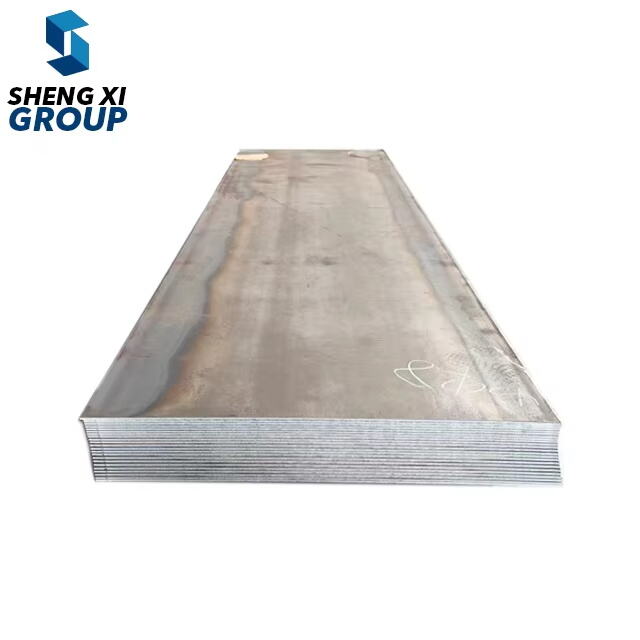
High strength steel plate represents a revolutionary advancement in metallurgical engineering, delivering exceptional mechanical properties that surpass conventional steel materials. This specialized steel product combines superior tensile strength, enhanced durability, and remarkable resistance to deformation under extreme conditions. High strength steel plate achieves its outstanding performance through advanced manufacturing processes, including controlled rolling, quenching, and tempering techniques that optimize the material's microstructure. The technological features of high strength steel plate include yield strengths ranging from 355 MPa to over 1100 MPa, excellent weldability characteristics, and superior impact toughness even at low temperatures. These plates maintain consistent mechanical properties across varying thicknesses, ensuring reliable performance in demanding applications. The manufacturing process incorporates precise chemical composition control, utilizing alloying elements such as manganese, chromium, nickel, and molybdenum to achieve desired strength levels. High strength steel plate demonstrates exceptional fatigue resistance, making it ideal for cyclically loaded structures. Its fine-grained microstructure contributes to improved toughness and ductility while maintaining high strength characteristics. Applications for high strength steel plate span multiple industries, including construction of high-rise buildings, bridges, offshore platforms, pressure vessels, heavy machinery, mining equipment, and military vehicles. In construction applications, these plates enable architects and engineers to design lighter structures without compromising safety or performance. The marine industry utilizes high strength steel plate for shipbuilding, where weight reduction directly impacts fuel efficiency and cargo capacity. Manufacturing sectors benefit from the material's ability to withstand heavy loads and harsh operating conditions, extending equipment lifespan and reducing maintenance requirements. High strength steel plate also finds extensive use in crane manufacturing, wind turbine towers, and pipeline construction where structural integrity remains paramount.


New Product Recommendations

High strength steel plate offers numerous compelling advantages that make it the preferred choice for demanding structural applications across various industries. The primary benefit lies in its exceptional strength-to-weight ratio, allowing engineers to design structures that are both lighter and stronger than those built with conventional materials. This weight reduction translates directly into cost savings during transportation, installation, and foundation requirements. Projects utilizing high strength steel plate often require smaller foundation systems due to reduced structural weight, resulting in significant construction cost reductions. The superior mechanical properties enable thinner cross-sections while maintaining required load-bearing capacity, optimizing material usage and reducing overall project costs. High strength steel plate demonstrates excellent weldability, allowing fabricators to join sections efficiently without compromising structural integrity. This characteristic streamlines manufacturing processes and reduces production time, leading to faster project completion and lower labor costs. The material's enhanced corrosion resistance extends service life significantly, particularly when proper protective coatings are applied. This longevity reduces maintenance frequency and associated costs over the structure's operational lifetime. High strength steel plate maintains consistent performance across wide temperature ranges, ensuring reliability in extreme environmental conditions from arctic installations to desert operations. Its superior fatigue resistance makes it ideal for applications involving repetitive loading, such as bridges, cranes, and heavy machinery components. The material's predictable behavior under stress allows engineers to design with confidence, reducing safety factors and optimizing structural efficiency. Manufacturing flexibility represents another key advantage, as high strength steel plate can be formed, machined, and fabricated using standard metalworking techniques. This compatibility with existing manufacturing infrastructure minimizes the need for specialized equipment or training. The availability of various grades allows designers to select optimal strength levels for specific applications, balancing performance requirements with cost considerations. High strength steel plate also supports sustainable construction practices by enabling material reduction and extended service life, contributing to reduced environmental impact throughout the project lifecycle. Its recyclability ensures that end-of-life materials can be reprocessed into new steel products, supporting circular economy principles.

Tips And Tricks

How to Heat Treat Bearing Steel

08

Jul

How to Heat Treat Bearing Steel

Fundamentals of Heat Treating Bearing Steel Composition Requirements for Bearing Steel What makes bearing steel work so well comes down to its composition, which needs to hit certain performance benchmarks for durability. The main ingredients mixed...
View More
Strength and Durability of Alloy Steel

08

Jul

Strength and Durability of Alloy Steel

What is Alloy Steel? Alloy steel, integral to various industrial applications, is fundamentally a mixture of iron enhanced with key elements such as carbon, manganese, chromium, and nickel. Each of these elements plays a specific role in augmenting ...
View More
Top Industrial Applications for Cr-Mo Steel

27

Aug

Top Industrial Applications for Cr-Mo Steel

Understanding the Role of Cr-Mo Steel in Industry The industrial sector consistently demands materials that combine strength, durability, and resistance to extreme environments. Cr-Mo Steel has emerged as a preferred alloy across industries because o...
View More
Best Practices for Using High Speed Steel

27

Aug

Best Practices for Using High Speed Steel

Maximizing Performance with High Speed Steel Tools High speed steel has revolutionized modern machining operations, offering exceptional hardness and heat resistance that makes it indispensable in manufacturing and metalworking. Understanding how to ...
View More

Get a Free Quote

Our representative will contact you soon.
Email
Name
Company Name
Message
0/1000

high strength steel plate

Superior Load-Bearing Capacity with Reduced Material Thickness

Superior Load-Bearing Capacity with Reduced Material Thickness

High strength steel plate revolutionizes structural design by delivering exceptional load-bearing capacity while requiring significantly less material thickness compared to conventional steel alternatives. This remarkable characteristic stems from the advanced metallurgical processes used in manufacturing, which create a refined microstructure that maximizes strength properties. The enhanced yield strength of high strength steel plate, typically ranging from 355 MPa to over 1100 MPa, allows engineers to specify thinner sections that meet or exceed the performance of much thicker conventional steel plates. This thickness reduction provides multiple cascading benefits that impact project economics and structural performance. Reduced material thickness directly translates to weight savings, which becomes particularly advantageous in applications where weight is a critical design factor, such as mobile equipment, aerospace components, and high-rise construction. The lighter weight reduces transportation costs, as more material can be shipped per load, and installation becomes more efficient with reduced crane capacity requirements and simplified handling procedures. From a structural engineering perspective, the reduced self-weight allows for more efficient foundation designs, as the supporting structure needs to accommodate less dead load. This efficiency often enables cost savings in foundation materials and excavation requirements. High strength steel plate maintains excellent formability despite its increased strength, allowing fabricators to create complex shapes and configurations without compromising material properties. The consistent mechanical properties across the plate thickness ensure uniform performance, eliminating concerns about strength variations that might occur with thicker conventional materials. This uniformity is particularly important in critical applications where structural integrity cannot be compromised. The reduced thickness also improves heat transfer characteristics, which can be beneficial in applications requiring thermal management. Additionally, welding operations become more efficient with thinner sections, as they require less heat input and filler material, resulting in faster fabrication times and reduced welding costs. The combination of superior strength and reduced thickness makes high strength steel plate an optimal choice for weight-sensitive applications while maintaining the structural integrity required for demanding operational conditions.
Enhanced Durability and Extended Service Life Performance

Enhanced Durability and Extended Service Life Performance

High strength steel plate delivers exceptional durability characteristics that significantly extend service life compared to conventional steel materials, providing long-term value and reduced lifecycle costs for critical applications. The enhanced durability results from advanced manufacturing processes that optimize the material's microstructure, creating a more uniform and refined grain structure that resists various forms of degradation. This superior microstructure contributes to improved resistance against fatigue failure, which is particularly important in applications subjected to cyclic loading conditions such as bridges, cranes, and heavy machinery components. The fatigue resistance of high strength steel plate often exceeds that of conventional materials by 20-30 percent, directly translating to extended operational life and reduced maintenance requirements. Corrosion resistance represents another critical aspect of the enhanced durability profile. While high strength steel plate requires appropriate protective measures like any steel product, its refined composition and microstructure provide better baseline resistance to environmental degradation. When combined with proper coating systems, high strength steel plate demonstrates superior long-term performance in harsh environments, including marine applications, industrial facilities, and outdoor structures exposed to varying weather conditions. The material's ability to maintain its mechanical properties over extended periods ensures consistent structural performance throughout the service life. Temperature stability is another key durability feature, as high strength steel plate maintains its strength characteristics across wider temperature ranges compared to conventional alternatives. This stability is crucial for applications in extreme environments, from arctic installations where temperatures drop well below freezing to industrial applications involving elevated operating temperatures. The material's resistance to brittle fracture at low temperatures makes it particularly suitable for cold climate applications where conventional steels might become prone to sudden failure. Impact resistance remains high throughout the service life, ensuring that the structure can withstand unexpected loads or environmental conditions without catastrophic failure. The consistent performance over time reduces the need for frequent inspections and maintenance interventions, lowering operational costs and minimizing downtime. This reliability is particularly valuable in critical infrastructure applications where failure could have significant economic or safety implications. The extended service life also supports sustainability objectives by reducing the frequency of replacement and associated material consumption, contributing to more environmentally responsible construction practices.
Versatile Manufacturing Compatibility and Design Flexibility

Versatile Manufacturing Compatibility and Design Flexibility

High strength steel plate offers remarkable manufacturing compatibility and design flexibility that enables engineers and fabricators to create innovative solutions while utilizing existing production infrastructure and established fabrication techniques. This versatility stems from the careful balance achieved during the manufacturing process, where strength enhancement does not compromise the material's workability or processing characteristics. The excellent formability of high strength steel plate allows it to be shaped, bent, and formed using conventional metalworking equipment, eliminating the need for specialized machinery or extensive process modifications. This compatibility reduces implementation barriers and allows manufacturers to adopt high strength steel plate without significant capital investment in new equipment. Cold forming operations, including bending, rolling, and stamping, can be performed effectively with appropriate consideration for the material's enhanced strength properties. The predictable forming behavior ensures consistent results and reduces waste from forming operations gone wrong. Hot forming capabilities remain excellent, allowing for complex shape creation when required by specific design applications. Welding represents a critical aspect of manufacturing compatibility, and high strength steel plate demonstrates superior weldability compared to many high-strength alternatives. Standard welding procedures can be adapted for use with high strength steel plate, though some modifications to welding parameters may be necessary to optimize joint properties. The material's good weldability reduces the risk of cracking or other weld defects, ensuring reliable joint performance. Pre-heating requirements are typically minimal, and post-weld heat treatment is often unnecessary, streamlining the fabrication process. Machining operations proceed smoothly with high strength steel plate when appropriate cutting tools and parameters are employed. The material machines to excellent surface finishes and maintains dimensional stability during machining operations. Drilling, milling, turning, and other conventional machining processes can be performed effectively, allowing for precise fabrication of complex components. The design flexibility offered by high strength steel plate enables engineers to optimize structures for specific performance requirements while considering aesthetic and functional considerations. Architects can specify thinner sections that provide cleaner lines and more open spaces while maintaining structural integrity. The material's consistent properties allow for innovative design approaches that might not be feasible with conventional materials. Multi-grade design concepts become practical, where different strength grades can be used within a single structure to optimize performance and cost. This flexibility supports value engineering efforts and enables designers to create more efficient and cost-effective solutions. The availability of various surface finishes and coating compatibility further enhances design options, allowing high strength steel plate to meet both functional and aesthetic requirements in architectural applications.
High Strength Steel Plate: Superior Performance, Enhanced Durability & Versatile Applications

Get a Free Quote

Our representative will contact you soon.
Email
Name
Company Name
Message
0/1000