Ultra High Strength Steel: Advanced Materials for Superior Performance and Durability

All Categories

ultra high strength steel

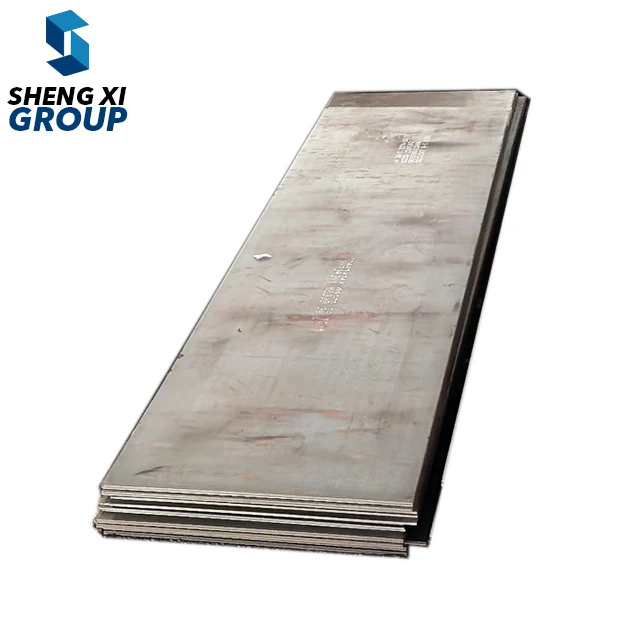
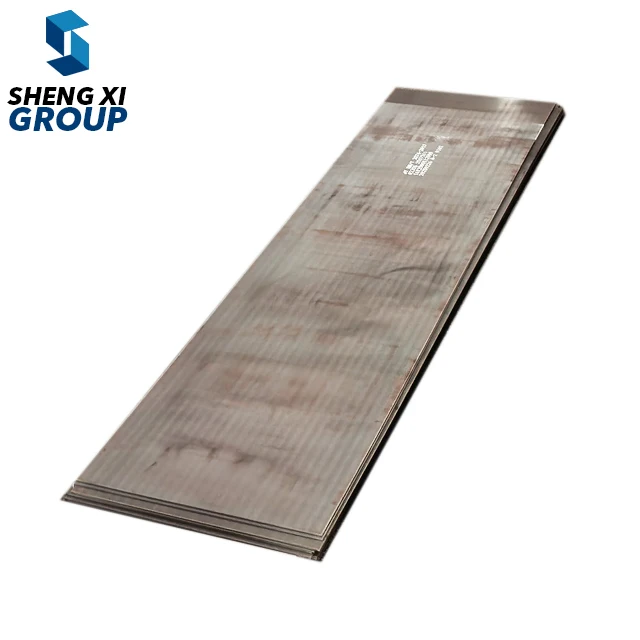
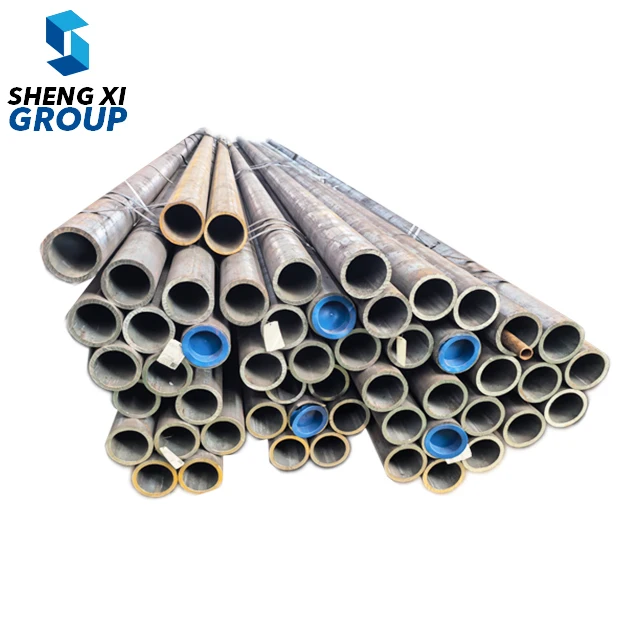
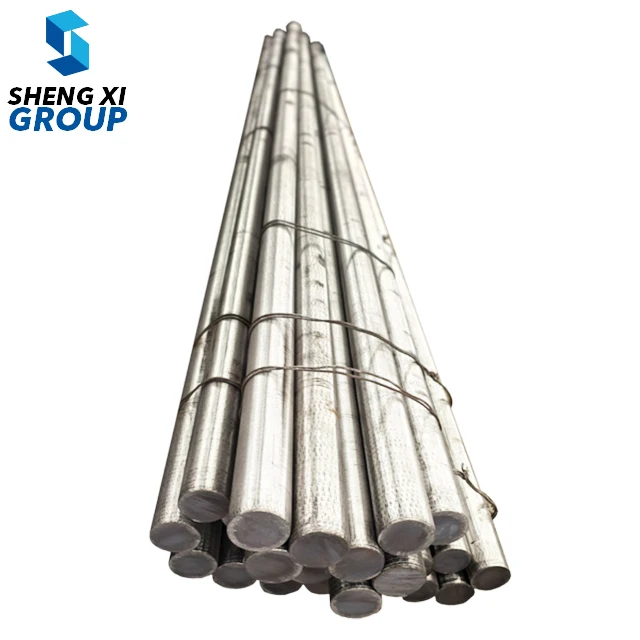
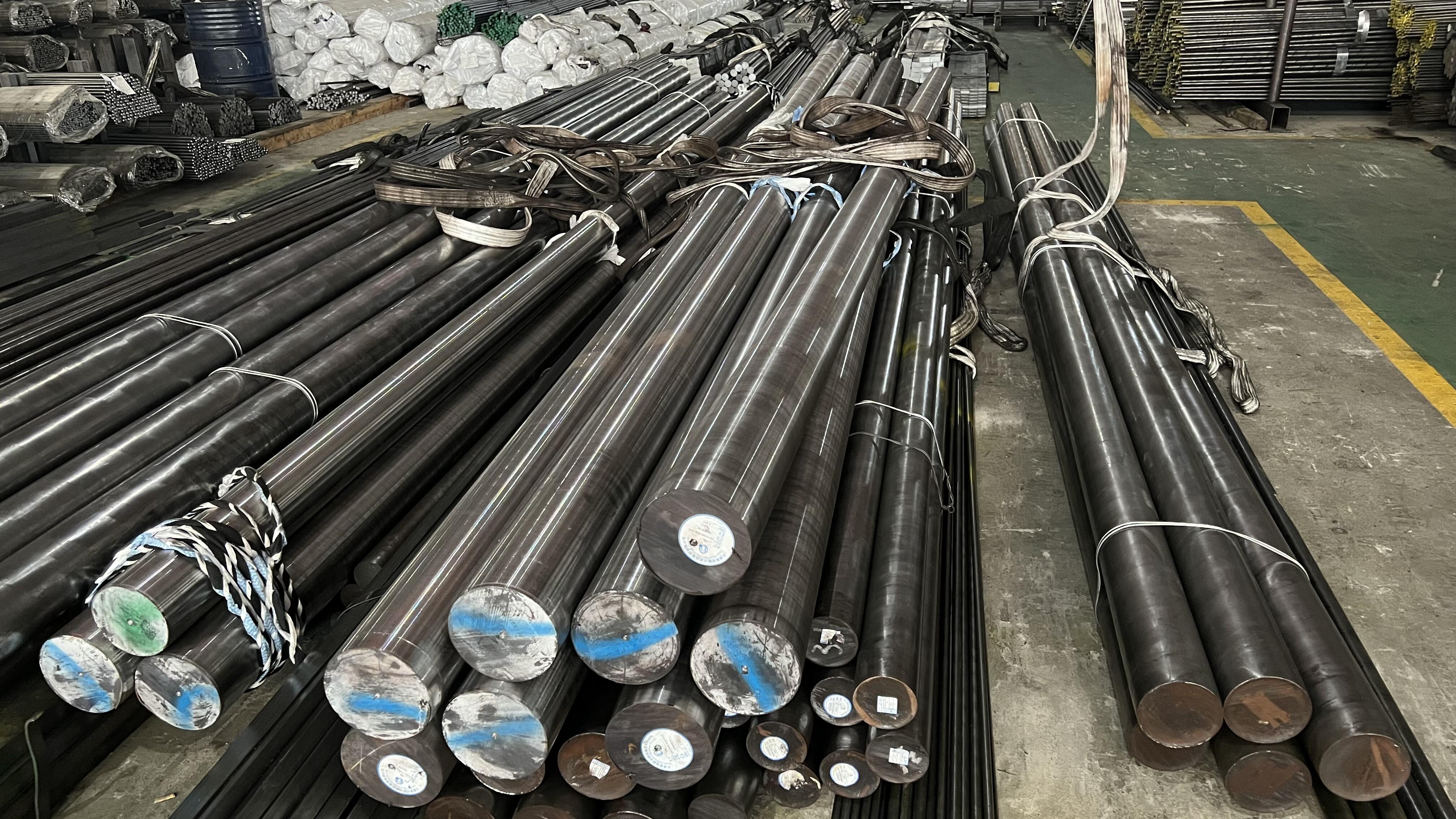
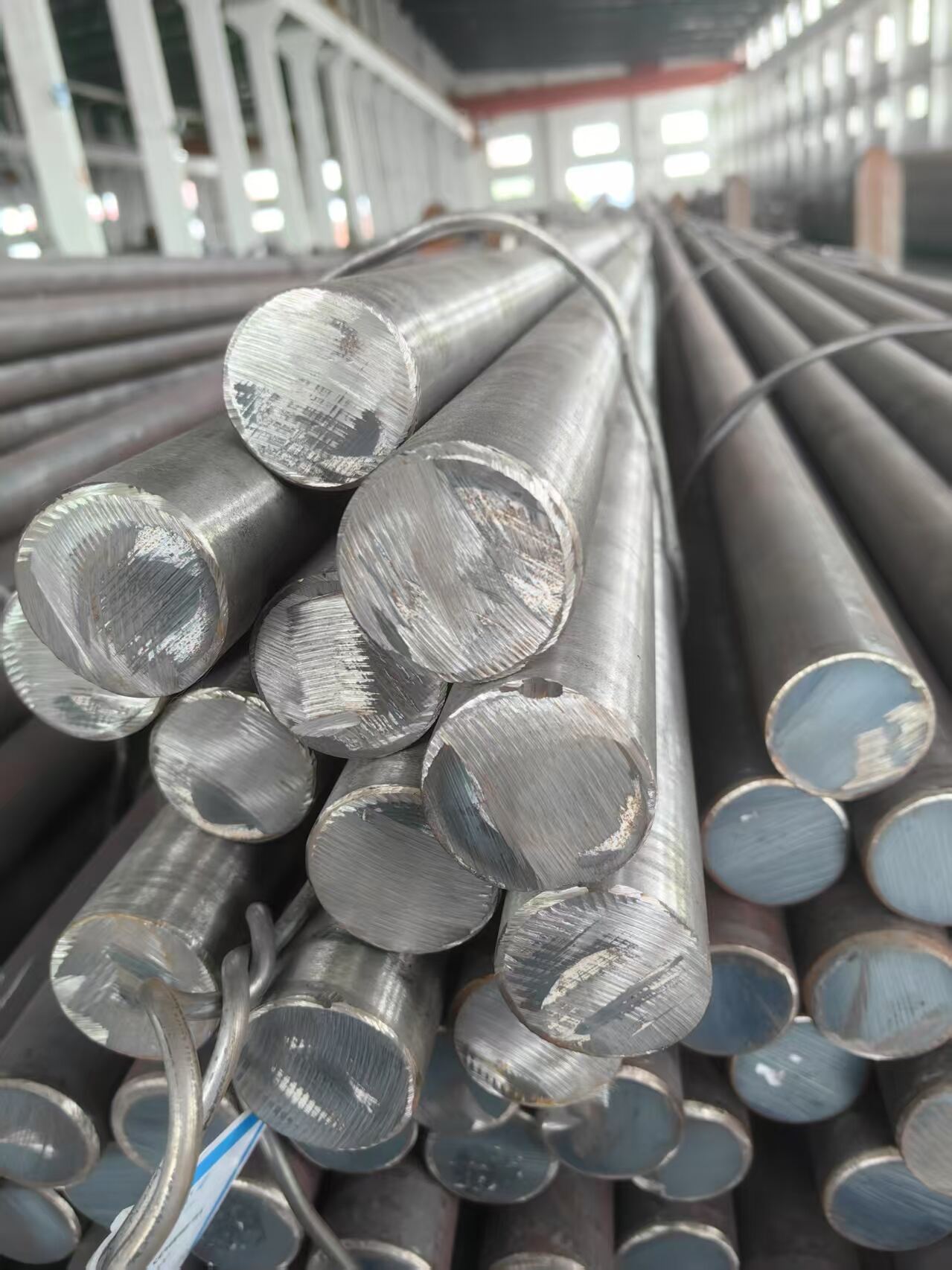
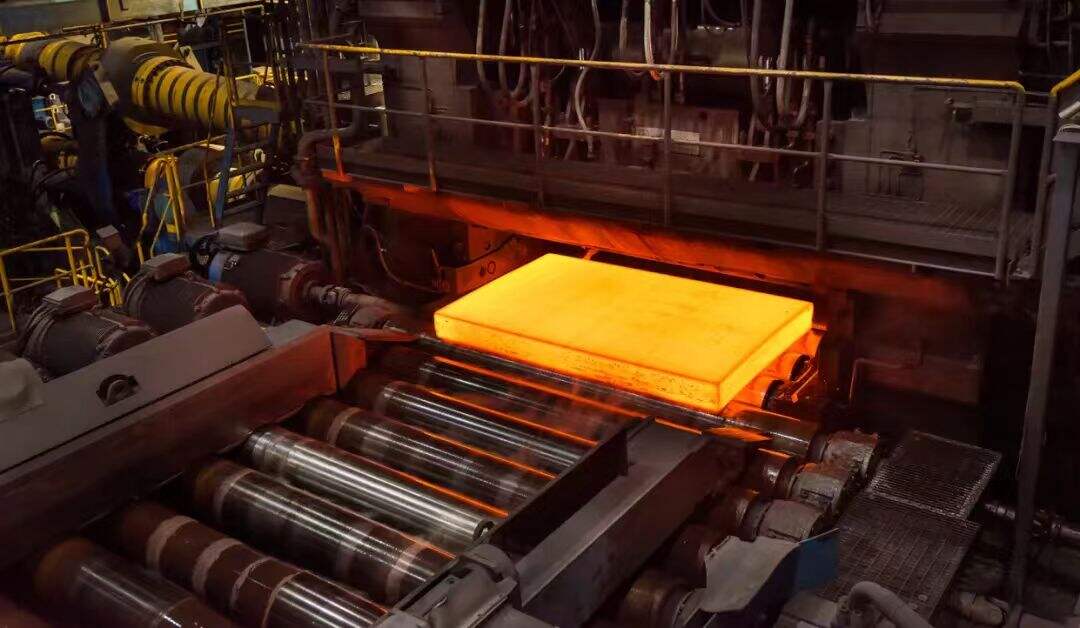
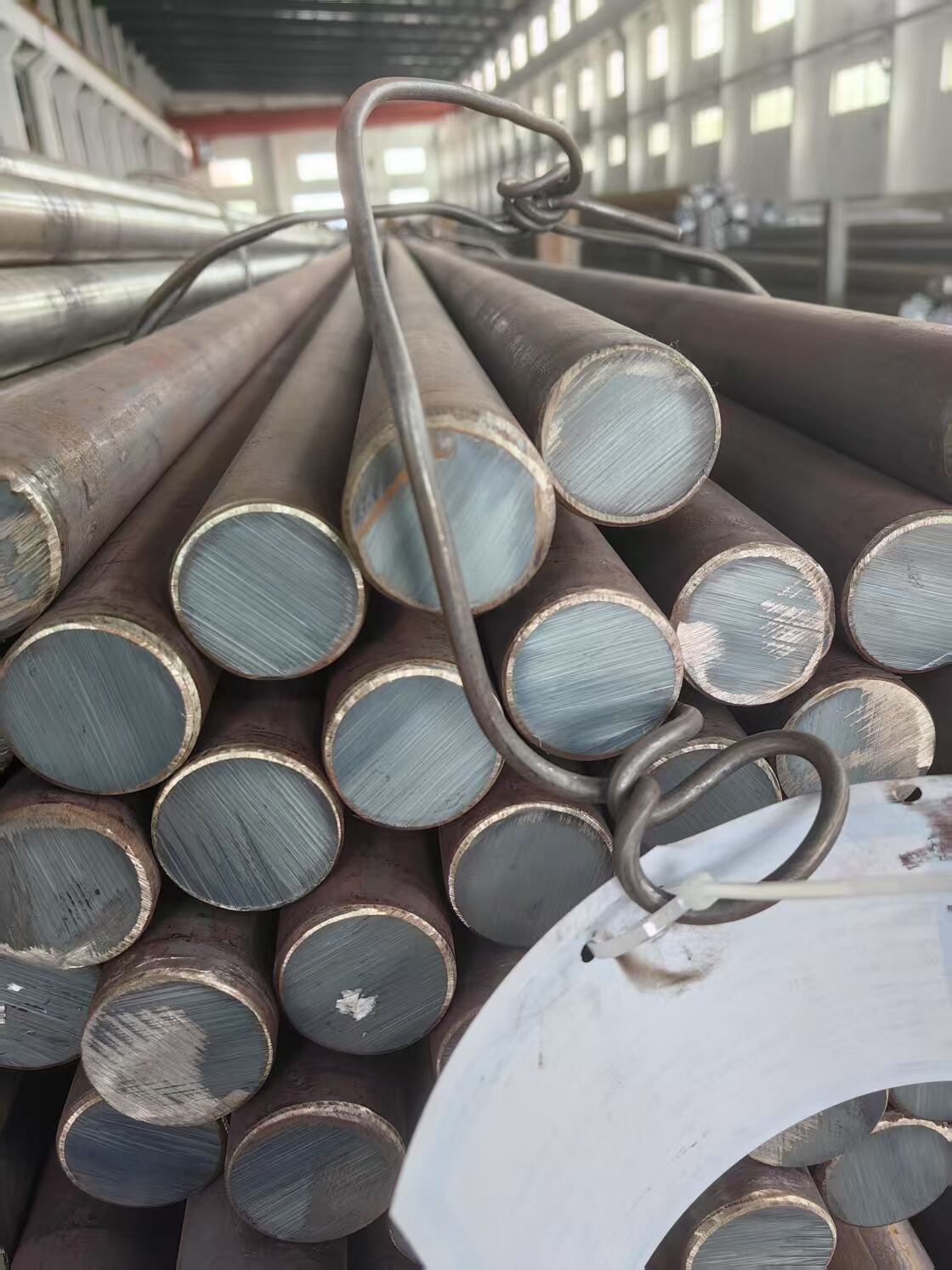
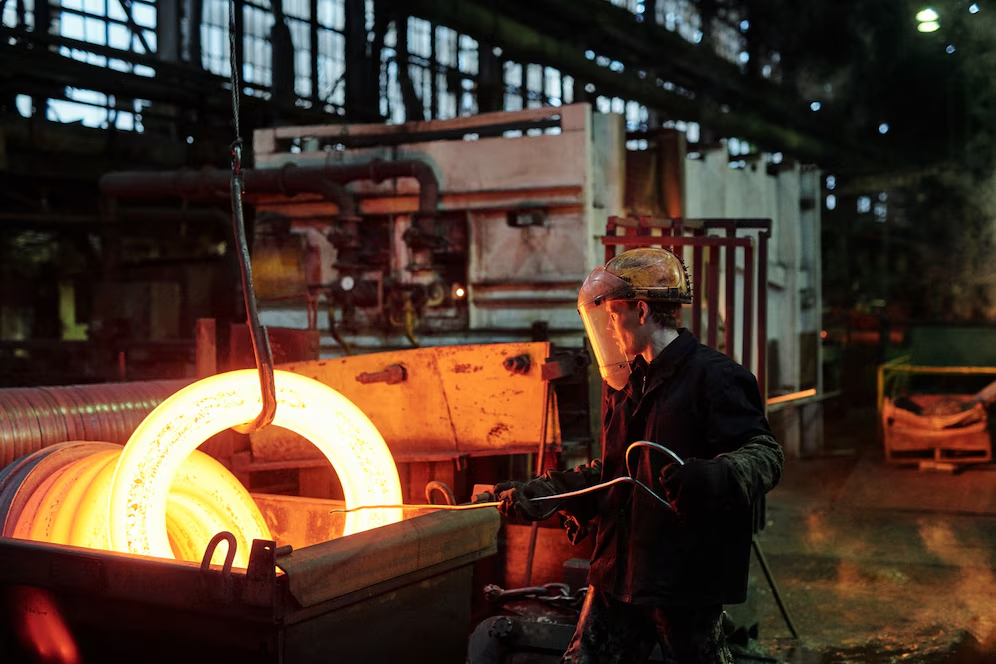
Ultra high strength steel represents a revolutionary advancement in metallurgical engineering, designed to deliver exceptional performance in the most demanding industrial applications. This specialized material achieves tensile strengths exceeding 1000 MPa, making it significantly stronger than conventional steel grades while maintaining excellent formability and weldability characteristics. The development of ultra high strength steel stems from sophisticated alloying techniques and advanced heat treatment processes that create optimized microstructures capable of withstanding extreme mechanical stresses. Manufacturing industries worldwide rely on ultra high strength steel for critical components where weight reduction and structural integrity are paramount concerns. The material exhibits remarkable fatigue resistance, ensuring long-term reliability under cyclic loading conditions that would compromise standard steel alternatives. Key technological features include enhanced carbon content management, precise microalloying with elements like niobium and titanium, and controlled cooling processes that promote fine grain structures. These innovations result in superior mechanical properties including high yield strength, excellent impact toughness, and improved corrosion resistance compared to traditional steel grades. Ultra high strength steel finds extensive applications across automotive manufacturing, aerospace engineering, construction projects, and heavy machinery production. In automotive applications, this material enables manufacturers to create lighter vehicle frames while maintaining crash safety standards and fuel efficiency requirements. The aerospace sector utilizes ultra high strength steel for landing gear components, engine mounts, and structural elements where weight savings translate directly into operational cost reductions. Construction applications benefit from reduced material volumes while achieving identical or superior load-bearing capabilities. The material's exceptional strength-to-weight ratio makes it ideal for offshore drilling platforms, wind turbine towers, and bridge construction projects where environmental durability and structural performance are critical success factors.

New Product Releases

Ultra high strength steel delivers transformative benefits that directly impact operational efficiency and cost-effectiveness across multiple industries. The primary advantage lies in its exceptional strength-to-weight ratio, allowing engineers to design components that weigh significantly less while maintaining or exceeding performance requirements. This weight reduction translates into substantial fuel savings for transportation applications, reduced foundation requirements for construction projects, and improved handling characteristics for manufacturing equipment. The material's superior durability extends service life dramatically compared to conventional alternatives, reducing replacement costs and minimizing maintenance downtime. Ultra high strength steel demonstrates excellent resistance to fatigue failure, a critical factor in applications involving repetitive stress cycles such as automotive suspension components, aircraft landing gear, and industrial machinery. The enhanced corrosion resistance properties reduce the need for protective coatings and surface treatments, simplifying manufacturing processes while lowering long-term maintenance expenses. Manufacturers benefit from improved formability characteristics that enable complex geometries and tight tolerances without compromising structural integrity. The material's excellent weldability facilitates efficient joining processes using standard welding techniques, reducing fabrication time and specialized equipment requirements. Ultra high strength steel supports lean manufacturing principles by enabling single-piece solutions where multiple components were previously required, reducing assembly complexity and potential failure points. The material's thermal stability ensures consistent performance across wide temperature ranges, making it suitable for applications in extreme environments from Arctic conditions to high-temperature industrial processes. Cost benefits extend beyond material savings to include reduced shipping expenses due to lighter components, lower energy consumption during transportation, and decreased storage space requirements. The superior mechanical properties enable thinner wall sections and reduced cross-sectional areas while maintaining load-bearing capacity, optimizing material utilization and reducing waste. Quality control becomes more predictable with ultra high strength steel due to consistent manufacturing processes and reliable performance characteristics, reducing inspection requirements and improving production efficiency. These combined advantages position ultra high strength steel as a strategic material choice for forward-thinking companies seeking competitive advantages through advanced engineering solutions.

Tips And Tricks

Best Practices for Using High Speed Steel

27

Aug

Best Practices for Using High Speed Steel

Maximizing Performance with High Speed Steel Tools High speed steel has revolutionized modern machining operations, offering exceptional hardness and heat resistance that makes it indispensable in manufacturing and metalworking. Understanding how to ...
View More
Application fields of high-strength steel

22

Sep

Application fields of high-strength steel

The Evolution of Advanced Steel Technology High-strength steel has revolutionized modern manufacturing and construction, offering unprecedented combinations of durability, weight savings, and cost-effectiveness. As industries push the boundaries of m...
View More
How to select appropriate high-temperature alloys

22

Sep

How to select appropriate high-temperature alloys

Understanding the Critical Role of Heat-Resistant Materials in Modern Industry High-temperature alloys represent a crucial category of engineering materials that enable numerous industrial processes and applications where standard metals would fail. ...
View More
Solution paths for insufficient core hardness in die steel?‌

31

Oct

Solution paths for insufficient core hardness in die steel?‌

Understanding Core Hardness Challenges in Modern Die Steel Manufacturing Core hardness represents a critical quality parameter in die steel production that directly impacts tool performance and longevity. When manufacturers encounter insufficient cor...
View More

Get a Free Quote

Our representative will contact you soon.
Email
Name
Company Name
Message
0/1000

ultra high strength steel

Exceptional Strength-to-Weight Performance Revolution

Exceptional Strength-to-Weight Performance Revolution

The most compelling advantage of ultra high strength steel lies in its revolutionary strength-to-weight performance that fundamentally transforms design possibilities across industries. This advanced material achieves tensile strengths exceeding 1000 MPa while maintaining relatively low density, creating opportunities for dramatic weight reductions without sacrificing structural integrity. Engineers can design components that are 20-40% lighter than conventional steel alternatives while meeting identical or superior performance specifications. This weight reduction creates cascading benefits throughout entire systems, from reduced fuel consumption in vehicles to lower foundation requirements in construction applications. The automotive industry particularly benefits from this characteristic, as lighter vehicle structures improve fuel efficiency, reduce emissions, and enhance handling dynamics while maintaining crash safety standards. In aerospace applications, every pound of weight saved translates into significant operational cost reductions over the aircraft's service life, making ultra high strength steel an economically compelling choice for critical components. The material's exceptional strength properties enable engineers to use thinner wall sections and reduced cross-sectional areas, optimizing material utilization and reducing manufacturing costs. This efficiency extends to transportation and logistics, where lighter components reduce shipping expenses and enable larger quantities per shipment. Manufacturing equipment benefits from improved ergonomics and reduced operator fatigue when components are lighter yet maintain full functional capabilities. The strength-to-weight advantage also enables innovative design approaches previously impossible with conventional materials, opening new possibilities for product development and competitive differentiation. Construction projects utilize this benefit to span greater distances with fewer support structures, reducing material costs and construction complexity. The combination of high strength and reduced weight creates synergistic effects that improve overall system performance while reducing total cost of ownership throughout the component's operational life.
Superior Durability and Extended Service Life

Superior Durability and Extended Service Life

Ultra high strength steel delivers exceptional durability characteristics that significantly extend component service life and reduce total cost of ownership. The material's advanced metallurgical structure provides superior resistance to fatigue failure, stress corrosion cracking, and environmental degradation compared to conventional steel grades. This enhanced durability translates into longer replacement intervals, reduced maintenance requirements, and improved operational reliability across demanding applications. The material's excellent fatigue resistance stems from its refined grain structure and optimized chemical composition, enabling components to withstand millions of stress cycles without failure. This characteristic proves particularly valuable in automotive suspension systems, aircraft landing gear, and industrial machinery where repetitive loading occurs throughout the component's operational life. Ultra high strength steel demonstrates remarkable resistance to harsh environmental conditions including temperature extremes, corrosive atmospheres, and abrasive environments that rapidly degrade conventional materials. The superior corrosion resistance reduces the need for protective coatings and surface treatments, simplifying manufacturing processes while lowering long-term maintenance costs. Components manufactured from ultra high strength steel maintain their mechanical properties and dimensional stability over extended periods, ensuring consistent performance throughout their service life. This reliability reduces unexpected failures and associated downtime costs, particularly critical in industrial applications where equipment failures can halt entire production lines. The material's thermal stability ensures consistent performance across wide temperature ranges, from sub-zero Arctic conditions to elevated temperatures in industrial processes. This versatility eliminates the need for material substitutions in applications with varying operational environments. The enhanced durability characteristics enable manufacturers to offer extended warranties and service agreements, creating competitive advantages and customer confidence. Quality assurance becomes more predictable with ultra high strength steel due to its consistent performance characteristics and resistance to degradation modes that affect conventional materials. These durability benefits compound over time, making ultra high strength steel increasingly cost-effective compared to alternatives that require frequent replacement or extensive maintenance procedures.
Advanced Manufacturing Flexibility and Cost Efficiency

Advanced Manufacturing Flexibility and Cost Efficiency

Ultra high strength steel offers remarkable manufacturing flexibility that enables efficient production processes while reducing overall manufacturing costs and complexity. The material's excellent formability characteristics allow manufacturers to create complex geometries and achieve tight tolerances using standard forming equipment, eliminating the need for specialized tooling or exotic manufacturing processes. This formability advantage enables single-piece solutions where multiple components were previously required, reducing assembly complexity, potential failure points, and manufacturing time. The material's superior weldability facilitates efficient joining processes using conventional welding techniques, reducing the need for specialized equipment or exotic filler materials. Manufacturers can implement standard quality control procedures and inspection methods, streamlining production workflows and reducing training requirements for production personnel. Ultra high strength steel supports lean manufacturing principles by enabling design optimization that reduces part count, simplifies assembly procedures, and minimizes inventory requirements. The material's consistent properties and predictable behavior during manufacturing processes reduce scrap rates and improve first-pass quality yields. Machining characteristics of ultra high strength steel enable efficient material removal operations while maintaining excellent surface finish quality and dimensional accuracy. This machinability reduces tooling costs and extends cutting tool life compared to other high-strength alternatives. The material's stability during heat treatment and forming operations ensures reproducible results and reduces the need for extensive process control measures. Manufacturers benefit from reduced cycle times due to the material's ability to achieve final properties through simplified processing steps. Cost efficiency extends beyond direct material costs to include reduced energy consumption during manufacturing, lower tooling wear rates, and decreased inspection requirements. The material's compatibility with existing manufacturing infrastructure eliminates capital equipment investments while enabling performance improvements. Quality control becomes more straightforward with ultra high strength steel due to its predictable response to manufacturing processes and consistent mechanical properties. These manufacturing advantages enable companies to improve productivity, reduce production costs, and accelerate time-to-market for new products while maintaining superior quality standards and performance characteristics.
Ultra High Strength Steel: Advanced Materials for Superior Performance and Durability

Get a Free Quote

Our representative will contact you soon.
Email
Name
Company Name
Message
0/1000