
 EN
EN
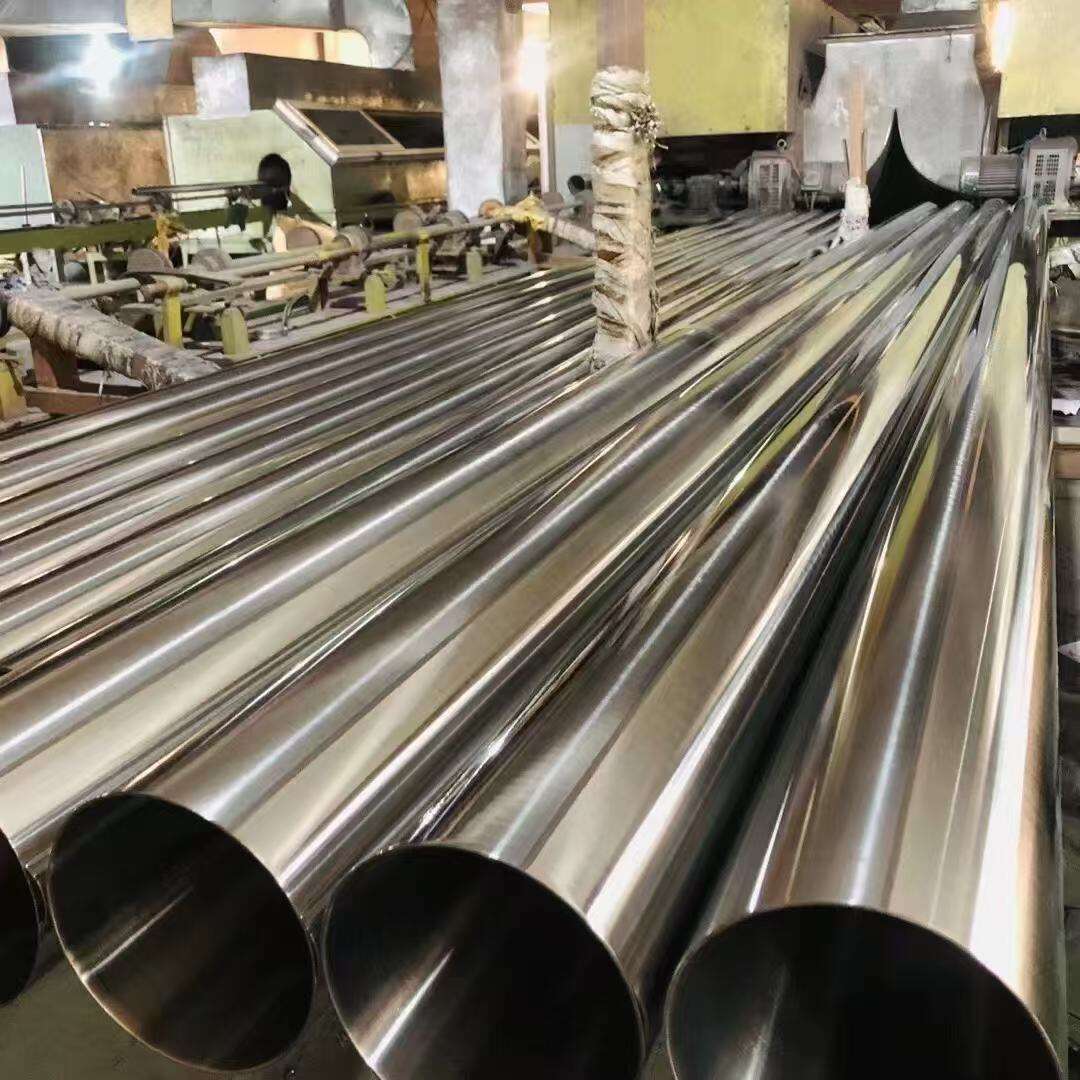
Understanding the Versatility of Modern Tool Steel
Tool steel represents one of the most versatile and robust materials in modern manufacturing and industrial applications. This specialized form of steel, characterized by its exceptional hardness, resistance to deformation, and ability to maintain strength at elevated temperatures, has become indispensable across numerous industries. From precision cutting instruments to heavy-duty industrial machinery, tool steel continues to shape the way we manufacture and build in the 21st century.
The remarkable properties of tool steel stem from its carefully controlled composition, which typically includes carbon and various alloying elements such as tungsten, chromium, vanadium, and molybdenum. These elements work together to create a material that can withstand extreme pressure, temperature, and wear while maintaining dimensional stability – characteristics that make it irreplaceable in many applications.
Manufacturing and Machining Applications
Cutting Tools and Equipment
In the manufacturing sector, tool steel plays a crucial role in creating cutting implements that form the backbone of production processes. High-speed tool steel varieties excel in applications such as drill bits, milling cutters, and lathe tools. These components must maintain their sharp edges and structural integrity even under continuous high-speed operation and elevated temperatures.
The automotive and aerospace industries particularly rely on tool steel cutting tools for precision machining of engine components, structural elements, and specialized parts. The material's ability to resist wear and maintain dimensional accuracy ensures consistent quality in mass production environments.
Forming and Shaping Dies
Tool steel's exceptional strength and wear resistance make it ideal for manufacturing dies used in metal forming processes. Stamping dies, forming dies, and extrusion dies all benefit from tool steel's ability to maintain shape under extreme pressure and repeated use. These tools are essential in producing everything from automotive body panels to aluminum window frames.
The material's thermal stability is particularly valuable in hot working applications, where dies must maintain their integrity while forming heated materials. This characteristic has revolutionized the efficiency of metal forming processes across various industries.

Construction and Infrastructure
Heavy Equipment Components
The construction industry relies heavily on tool steel for critical components in heavy machinery and equipment. Excavator teeth, bulldozer blades, and crushing equipment all utilize tool steel to withstand the intense wear and impact associated with construction activities. The material's durability significantly reduces maintenance requirements and extends equipment life spans.
Mining operations similarly benefit from tool steel's resilience, employing it in drill bits, crusher parts, and various cutting tools used in mineral extraction. The material's ability to maintain performance under extreme conditions makes it invaluable in these demanding applications.
Structural Components
In infrastructure projects, tool steel finds applications in specialized structural elements that require exceptional strength and wear resistance. Bridge bearings, industrial fasteners, and high-stress connection components often incorporate tool steel to ensure long-term reliability and safety.
The material's resistance to deformation and fatigue makes it particularly suitable for applications where structural integrity is paramount, such as in high-rise buildings and transportation infrastructure.
Energy Sector Applications
Power Generation Equipment
The energy sector employs tool steel in various critical components of power generation equipment. Turbine parts, generator components, and specialized fittings all benefit from the material's ability to maintain strength and stability under high temperatures and continuous operation.
Renewable energy installations, particularly wind turbines, utilize tool steel in gearbox components and other mechanical elements that must withstand constant stress and movement. The material's durability contributes significantly to the reliability and longevity of these sustainable energy systems.
Oil and Gas Industry
In oil and gas extraction, tool steel plays a vital role in drilling equipment, valves, and various downhole tools. The material's resistance to corrosion and ability to maintain performance under extreme pressures and temperatures makes it essential for deep-well drilling operations.
The petrochemical processing industry also relies on tool steel for various components in refineries and processing plants, where the material's chemical resistance and structural integrity are crucial for safe and efficient operations.
Consumer and Commercial Products
Professional Cutting Tools
The culinary industry depends on tool steel for high-quality kitchen knives and professional cutting implements. The material's ability to maintain a sharp edge while resisting corrosion makes it ideal for both commercial and professional kitchen applications.
Woodworking tools, such as chisels, plane blades, and saw blades, also benefit from tool steel's properties. These tools require exceptional hardness and edge retention for precise and efficient woodworking operations.
Precision Instruments
Tool steel finds applications in precision measuring instruments and calibration tools where dimensional stability and wear resistance are crucial. Micrometers, calipers, and various gauges utilize tool steel components to maintain accuracy over extended periods of use.
The medical industry also employs tool steel in surgical instruments and specialized medical tools, where the material's sterility and durability are essential for reliable healthcare delivery.
Frequently Asked Questions
What makes tool steel different from regular steel?
Tool steel differs from regular steel primarily in its composition and heat treatment. It contains higher amounts of carbon and alloying elements, resulting in superior hardness, wear resistance, and the ability to maintain strength at elevated temperatures. These properties make it ideal for tools and high-stress applications.
How long does tool steel typically last in industrial applications?
The lifespan of tool steel components varies significantly depending on the specific application, operating conditions, and maintenance practices. In well-maintained industrial applications, tool steel parts can last anywhere from several months to many years. Regular maintenance and proper use can substantially extend their service life.
Can tool steel be recycled?
Yes, tool steel is fully recyclable and often retains its value in the recycling stream due to its high alloy content. The recycling process involves remelting the material and potentially adjusting its composition to create new tool steel products, contributing to sustainable manufacturing practices.