
 EN
EN
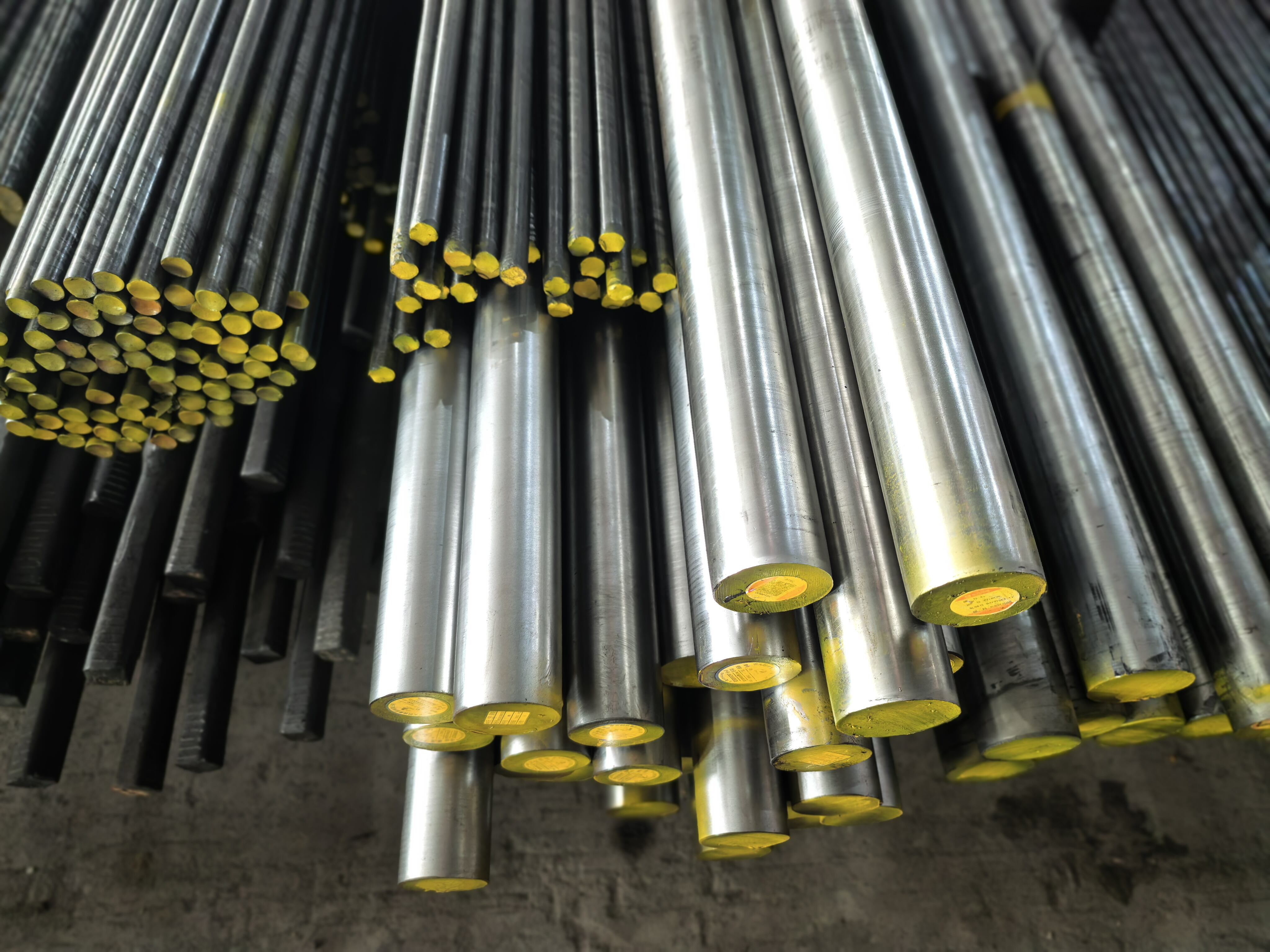
Understanding Modern High-Speed Tool Steel Classifications
High-speed tool steel represents one of the most significant innovations in metalworking, fundamentally transforming manufacturing capabilities across industries. These specialized steel alloys maintain their hardness and cutting ability even at elevated temperatures, making them invaluable for high-speed machining operations. The development of high-speed tool steel has enabled faster production rates, improved precision, and enhanced tool longevity in industrial applications.
While the basic concept remains consistent, various categories of high-speed tool steel have emerged to meet specific manufacturing demands. Each type offers unique properties and advantages, making the selection process crucial for optimal performance. Understanding these categories helps manufacturers and engineers make informed decisions about tooling choices for their specific applications.
Molybdenum-Based High-Speed Tool Steel Series
M-Series Composition and Properties
The M-series represents a substantial portion of high-speed tool steel production worldwide. These steels contain significant amounts of molybdenum as their primary alloy element, typically ranging from 5% to 10%. The molybdenum content contributes to excellent red hardness, wear resistance, and toughness. M2, the most widely used grade, contains approximately 6% molybdenum, 4% chromium, and 2% vanadium.
M-series high-speed tool steel grades demonstrate remarkable stability during heat treatment, resulting in minimal dimensional changes. This characteristic makes them particularly suitable for precision tooling applications where maintaining exact dimensions is crucial. Additionally, their balanced composition provides good grindability, making tool maintenance and resharpening more manageable.
Applications and Performance Characteristics
M-series tools excel in general-purpose cutting applications, particularly in environments where moderate speeds and feeds are employed. They perform exceptionally well in milling cutters, drill bits, and taps. The combination of wear resistance and toughness makes them suitable for interrupted cutting operations where impact resistance is essential.
These steels maintain their cutting edge at temperatures up to 1,100°F (593°C), making them ideal for continuous production environments. Their versatility and cost-effectiveness have established them as the standard choice for many manufacturing operations.
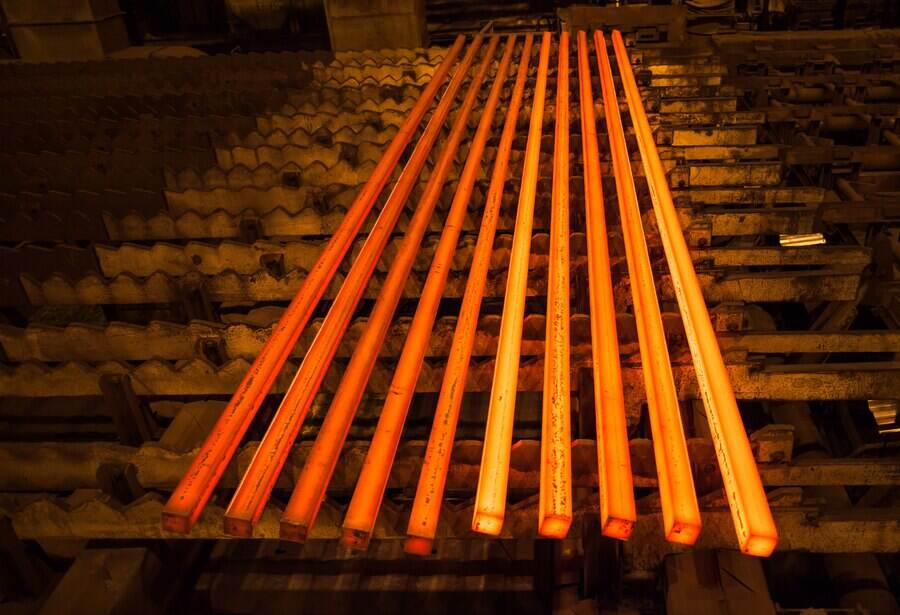
Tungsten-Based High-Speed Tool Steel Series
T-Series Composition and Characteristics
T-series high-speed tool steel grades feature tungsten as their primary alloying element, with contents typically ranging from 12% to 18%. These steels also contain chromium, vanadium, and sometimes cobalt to enhance their performance characteristics. The high tungsten content provides exceptional hot hardness and wear resistance, particularly at elevated cutting temperatures.
The distinctive feature of T-series steels is their ability to maintain hardness at higher temperatures compared to M-series grades. This property makes them particularly valuable in applications involving high-speed cutting of difficult-to-machine materials where significant heat generation occurs.
Specialized Applications and Benefits
T-series high-speed tool steel finds its niche in heavy-duty cutting operations and applications requiring maximum hot hardness. These tools excel in high-speed turning operations, especially when machining hardened steels and other challenging materials. Their superior wear resistance makes them ideal for continuous cutting operations where tool changes need to be minimized.
While generally more expensive than M-series alternatives, T-series tools often justify their cost through extended tool life and improved productivity in demanding applications. They are particularly valued in aerospace and automotive manufacturing, where precision and reliability are paramount.
Advanced Powder Metallurgy High-Speed Steel
Manufacturing Process and Advantages
Powder metallurgy (PM) high-speed tool steel represents the cutting edge of tool steel technology. This manufacturing process involves atomizing molten steel into fine powder particles, which are then consolidated under high pressure and temperature. The result is a material with exceptionally uniform carbide distribution and minimal segregation.
The PM process allows for higher alloy content than conventional manufacturing methods, leading to enhanced performance characteristics. These steels exhibit superior wear resistance, toughness, and grindability compared to their conventionally produced counterparts.
Performance in Modern Manufacturing
PM high-speed tool steel excels in applications requiring exceptional wear resistance and toughness. The uniform microstructure results in more predictable performance and longer tool life. These materials are particularly valuable in automated manufacturing environments where consistent tool performance is essential for maintaining production efficiency.
While PM grades command premium prices, their superior performance characteristics often result in lower overall production costs through reduced downtime and fewer tool changes. They represent the future of high-speed tool steel technology, especially in high-precision and high-volume manufacturing operations.
Specialty Grades and Custom Formulations
Cobalt-Enhanced Varieties
Cobalt-enhanced high-speed tool steel grades represent a specialized category designed for extreme cutting conditions. These materials typically contain 5% to 12% cobalt in addition to their base composition. The cobalt addition significantly improves hot hardness and wear resistance, making these grades suitable for machining particularly difficult materials.
These premium grades maintain their cutting edge at temperatures exceeding 1,200°F (649°C), offering superior performance in high-speed cutting operations. While their cost is higher, they provide unmatched performance in specific applications where standard grades prove inadequate.
Application-Specific Developments
The evolution of manufacturing technology has led to the development of application-specific high-speed tool steel grades. These custom formulations are tailored to meet particular industry requirements, such as micro-machining tools for electronics manufacturing or specialized cutting tools for advanced composite materials.
These specialized grades often incorporate unique combinations of alloying elements to achieve specific performance characteristics. The ongoing development of new grades continues to expand the capabilities of high-speed machining operations across various industries.
Frequently Asked Questions
What makes high-speed tool steel different from regular tool steel?
High-speed tool steel contains higher amounts of alloying elements and undergoes specialized heat treatment processes that allow it to maintain hardness and cutting ability at elevated temperatures. This characteristic enables tools to operate at higher speeds without losing their edge, unlike regular tool steel which softens more readily at high temperatures.
How do you choose between M-series and T-series high-speed tool steel?
The choice between M-series and T-series depends primarily on the application requirements. M-series is generally more cost-effective and suitable for general-purpose applications, while T-series offers superior hot hardness and wear resistance, making it ideal for high-temperature applications and difficult-to-machine materials.
What are the advantages of powder metallurgy high-speed tool steel?
Powder metallurgy high-speed tool steel offers superior uniformity in carbide distribution, higher alloy content potential, and better overall performance characteristics. These properties result in longer tool life, more consistent performance, and better wear resistance compared to conventionally produced high-speed tool steel.