High Strength Steel Grades: Advanced Materials for Superior Performance and Manufacturing Excellence

All Categories

high strength steel grades

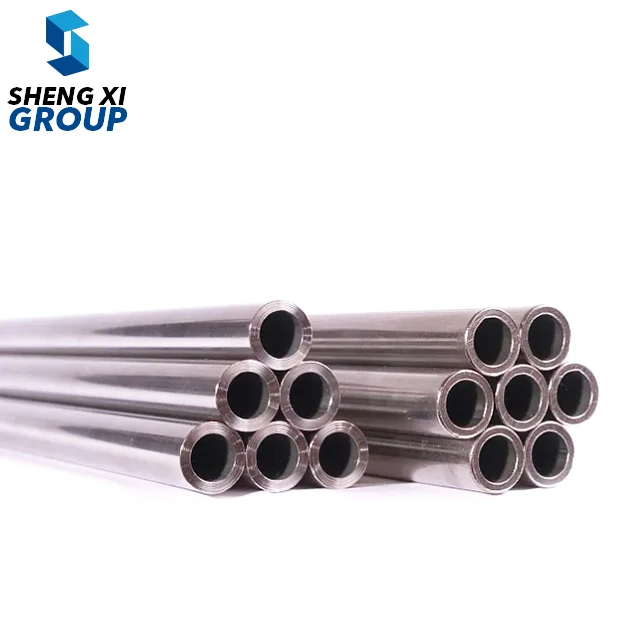
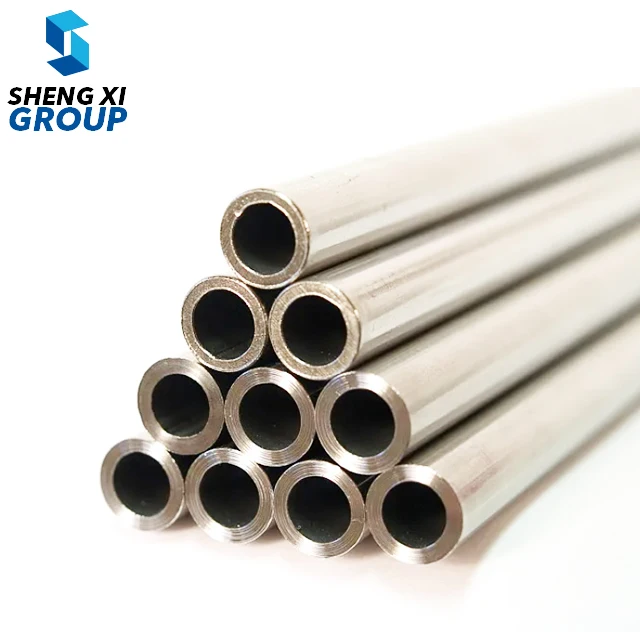
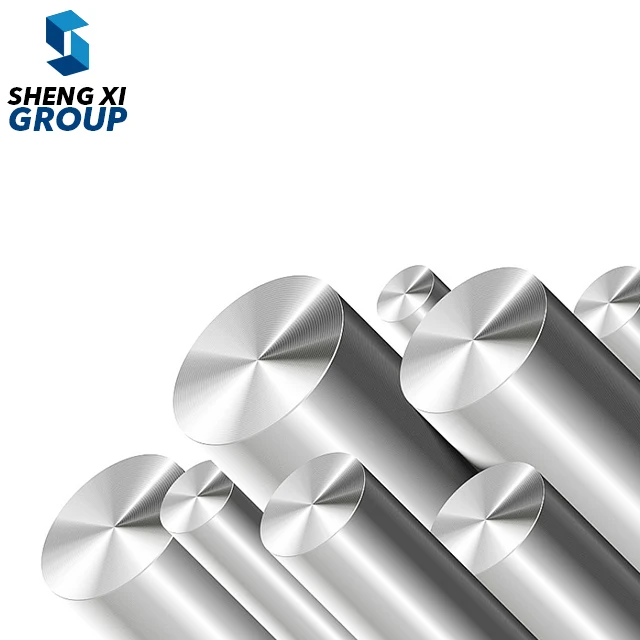
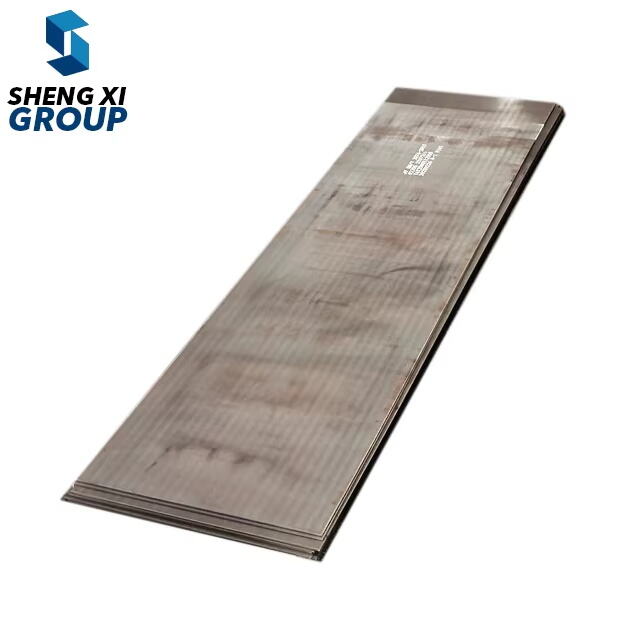
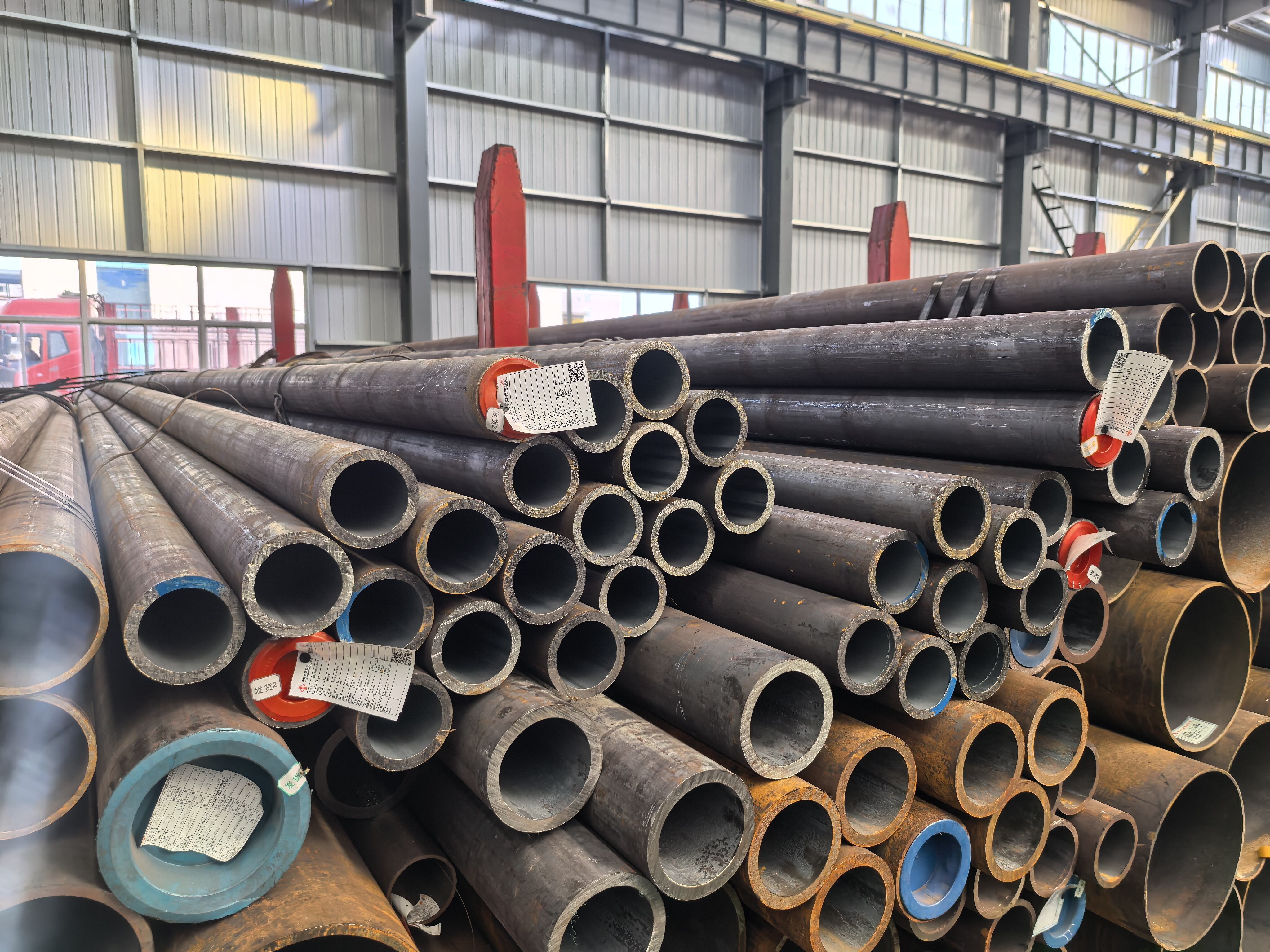
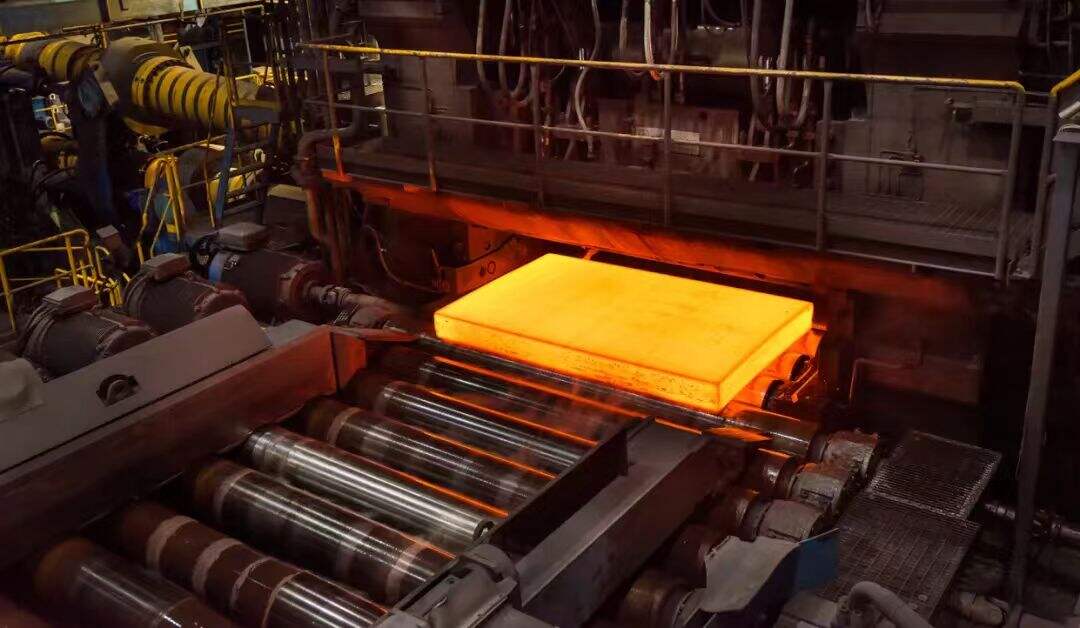
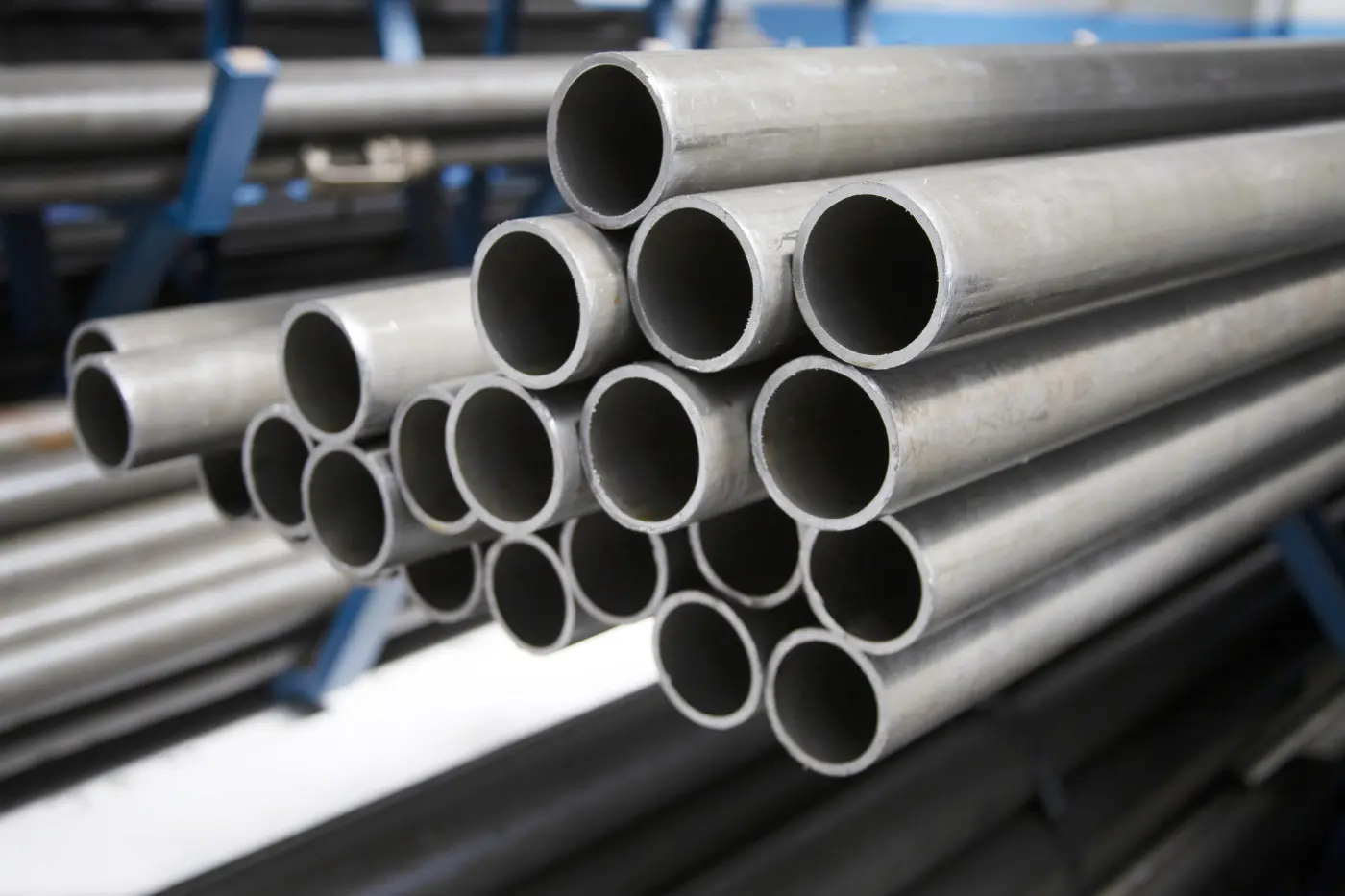
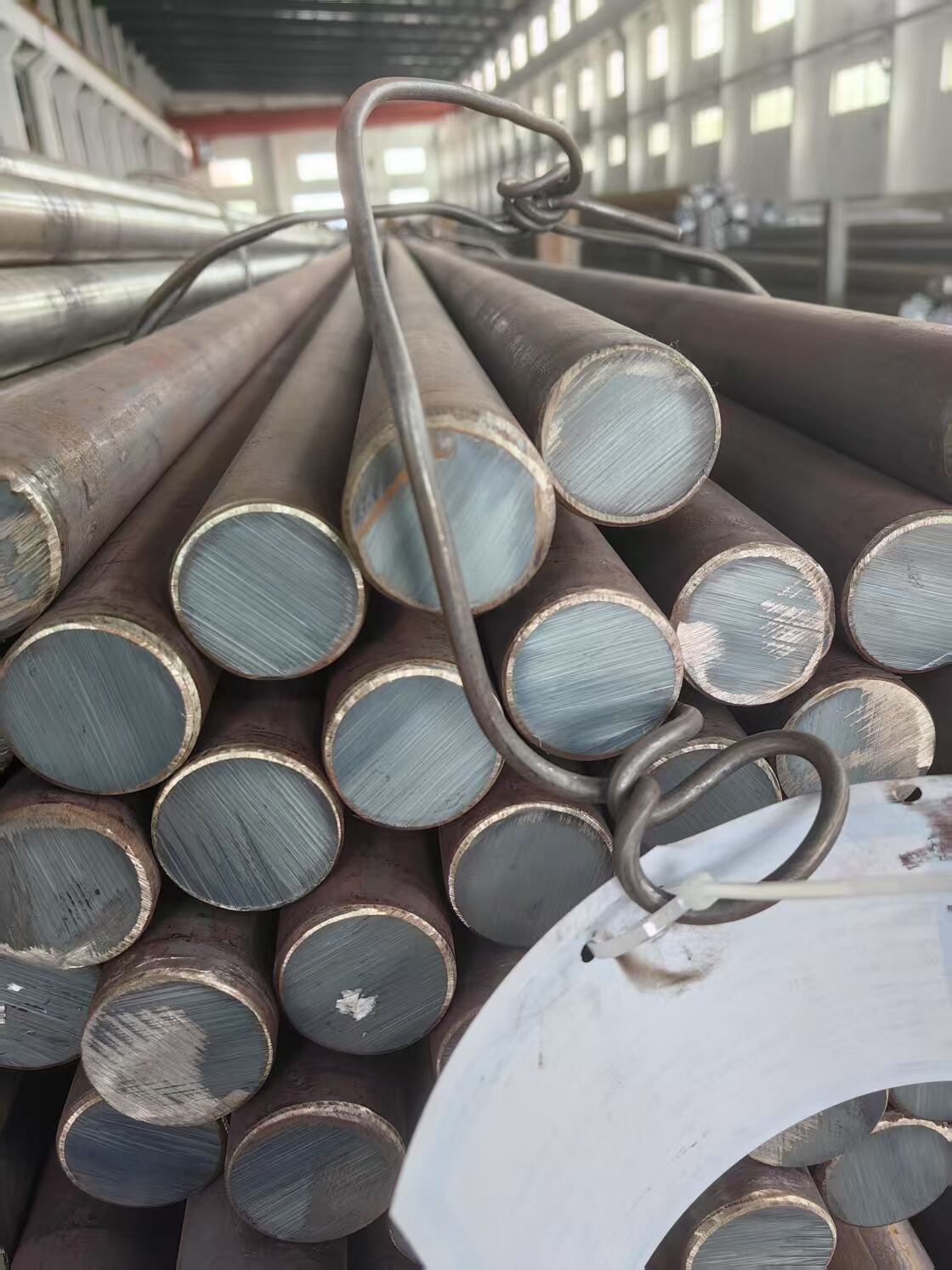
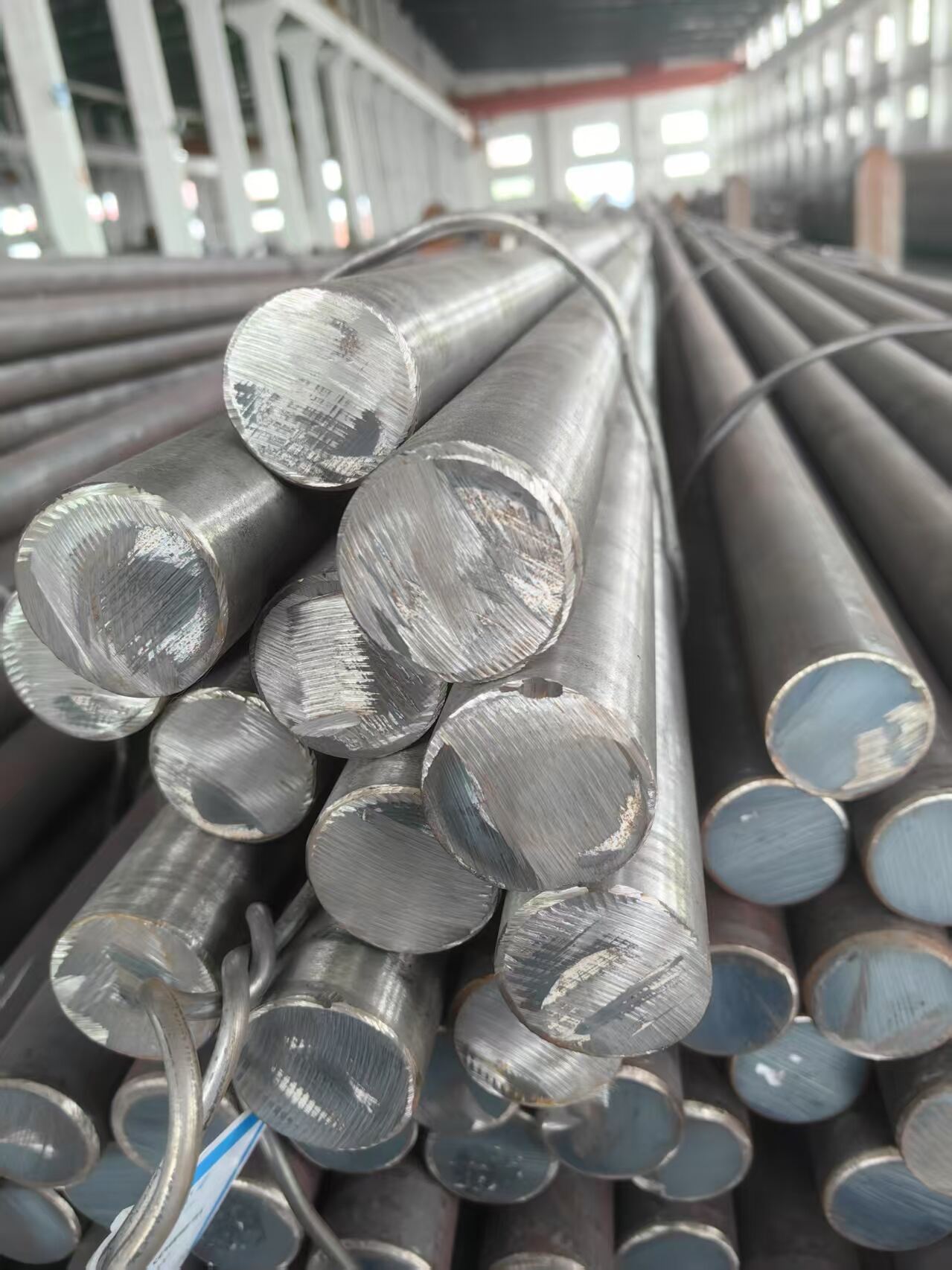
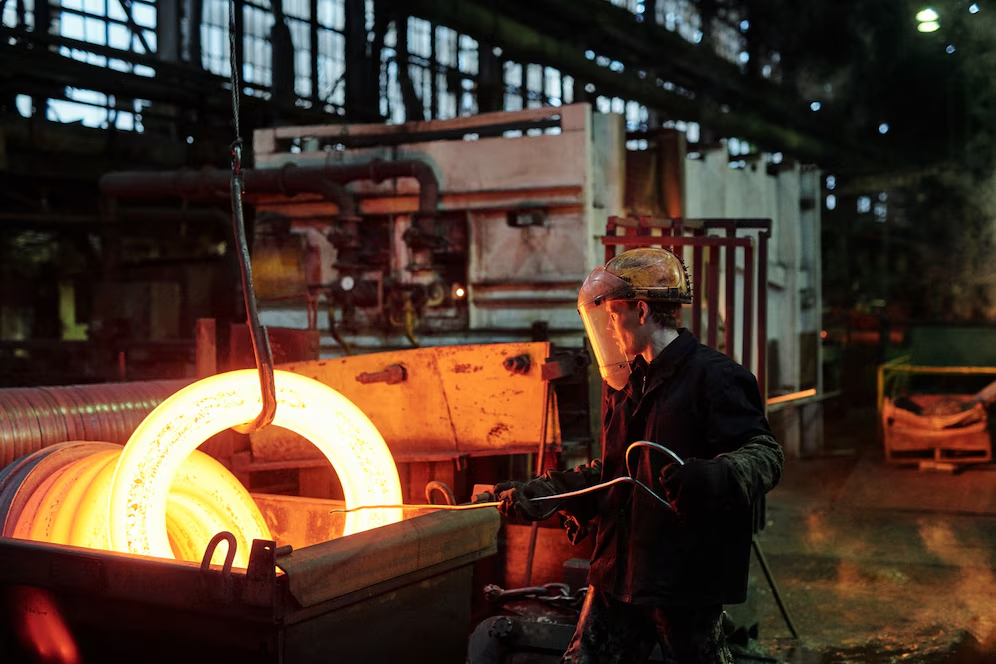
High strength steel grades represent a revolutionary advancement in metallurgical engineering, delivering exceptional mechanical properties that surpass conventional steel materials. These specialized steel alloys are engineered through precise chemical composition control and advanced heat treatment processes to achieve superior tensile strength, yield strength, and durability characteristics. The main functions of high strength steel grades encompass structural reinforcement, weight reduction capabilities, and enhanced performance under extreme loading conditions. These materials typically exhibit tensile strengths ranging from 550 MPa to over 1500 MPa, making them ideal for applications requiring exceptional load-bearing capacity while maintaining dimensional stability. The technological features of high strength steel grades include refined grain structures achieved through controlled rolling and cooling processes, optimized alloying elements such as manganese, silicon, and micro-alloying additions like niobium and titanium. These metallurgical innovations result in improved weldability, formability, and resistance to environmental factors. Manufacturing processes incorporate advanced techniques including quenching and tempering, thermomechanical controlled processing, and precise chemical composition management to ensure consistent quality and performance characteristics. Applications for high strength steel grades span across automotive manufacturing, construction engineering, offshore drilling platforms, heavy machinery production, and aerospace components. In automotive sectors, these materials enable manufacturers to reduce vehicle weight while maintaining crash safety standards and structural integrity. Construction applications leverage the enhanced load-bearing capabilities for high-rise buildings, bridges, and infrastructure projects where weight optimization and structural performance are critical. The versatility of high strength steel grades allows engineers to design more efficient structures with reduced material consumption, contributing to cost savings and environmental sustainability while delivering superior performance characteristics that meet demanding industrial requirements.

New Product Releases

High strength steel grades deliver transformative benefits that revolutionize manufacturing and construction processes across multiple industries. The primary advantage lies in exceptional strength-to-weight ratios, enabling engineers to design lighter structures without compromising structural integrity or safety margins. This weight reduction translates directly into fuel efficiency improvements for automotive applications and reduced foundation requirements for construction projects, generating substantial cost savings throughout product lifecycles. Enhanced durability characteristics of high strength steel grades provide extended service life compared to conventional materials, reducing maintenance requirements and replacement frequencies. This longevity factor delivers significant economic benefits through decreased downtime, lower maintenance costs, and improved return on investment for industrial equipment and infrastructure projects. The superior corrosion resistance properties inherent in many high strength steel grades minimize degradation in harsh environmental conditions, particularly valuable for marine applications, chemical processing facilities, and outdoor structures exposed to weather extremes. Manufacturing efficiency gains represent another crucial advantage, as these materials often require fewer processing steps and reduced material volumes to achieve desired performance specifications. This streamlined production approach reduces manufacturing costs, energy consumption, and waste generation while accelerating project completion timelines. Improved formability and weldability characteristics of modern high strength steel grades facilitate complex geometric designs and intricate fabrication processes previously challenging with traditional materials. These properties enable manufacturers to create innovative product designs while maintaining production efficiency and quality consistency. Safety enhancements constitute a critical benefit, particularly in automotive crash protection systems and structural applications where impact resistance and energy absorption capabilities are paramount. High strength steel grades provide superior protection during collision events while enabling thinner cross-sections that maximize interior space utilization. Environmental sustainability benefits emerge from reduced material consumption requirements and extended product lifecycles, contributing to lower carbon footprints and resource conservation. The recyclability of high strength steel grades ensures circular economy principles while maintaining material properties through multiple recycling cycles, supporting long-term environmental stewardship objectives across diverse industrial applications.

Practical Tips

How to Heat Treat Bearing Steel

08

Jul

How to Heat Treat Bearing Steel

Fundamentals of Heat Treating Bearing Steel Composition Requirements for Bearing Steel What makes bearing steel work so well comes down to its composition, which needs to hit certain performance benchmarks for durability. The main ingredients mixed...
View More
What Is Cr-Mo Steel and Why It Matters

27

Aug

What Is Cr-Mo Steel and Why It Matters

Understanding the Revolutionary Alloy That Powers Modern Industry In the evolving landscape of metallurgy, Cr-Mo steel stands as a testament to human innovation in material science. This remarkable alloy, combining chromium and molybdenum with steel,...
View More
Is material fatigue the main cause of cracking in hot-work die steel?‌

31

Oct

Is material fatigue the main cause of cracking in hot-work die steel?‌

Understanding the Complex Nature of Hot-Work Die Steel Failures In the world of industrial manufacturing, hot-work die steel plays a crucial role in shaping and forming metals at elevated temperatures. While material fatigue is often cited as a prima...
View More
Can PM high-speed steel eliminate segregation defects?

31

Oct

Can PM high-speed steel eliminate segregation defects?

Understanding the Revolutionary Impact of Powder Metallurgy in High-Speed Steel Production The metallurgical industry has witnessed a significant transformation with the advent of powder metallurgy (PM) technology in high-speed steel manufacturing. P...
View More

Get a Free Quote

Our representative will contact you soon.
Email
Name
Company Name
Message
0/1000

high strength steel grades

Exceptional Strength and Durability Performance

Exceptional Strength and Durability Performance

High strength steel grades demonstrate remarkable mechanical properties that fundamentally transform structural engineering possibilities and manufacturing capabilities. These advanced materials achieve tensile strengths exceeding conventional steel by 200-400 percent while maintaining excellent ductility and toughness characteristics essential for demanding applications. The enhanced strength properties result from sophisticated metallurgical processes including controlled rolling, accelerated cooling, and precise alloying element additions that refine grain structures and optimize precipitation hardening mechanisms. This superior strength enables engineers to reduce material thickness and weight while maintaining or improving load-bearing capacity, creating opportunities for innovative design solutions previously impossible with traditional materials. The durability aspects of high strength steel grades extend far beyond basic strength measurements, encompassing fatigue resistance, impact toughness, and long-term dimensional stability under cyclic loading conditions. These materials demonstrate exceptional performance in applications subjected to repetitive stress cycles, vibration, and dynamic loading scenarios common in automotive components, machinery parts, and infrastructure elements. Laboratory testing confirms that high strength steel grades maintain structural integrity through millions of loading cycles without crack initiation or propagation, ensuring reliable performance throughout extended service periods. Corrosion resistance properties integrated into many high strength steel grades provide additional durability benefits, particularly valuable in marine environments, chemical processing applications, and outdoor installations where environmental exposure threatens material integrity. Advanced coating compatibility and surface treatment options further enhance durability characteristics, allowing customization for specific environmental conditions and performance requirements. The combination of exceptional strength and durability properties enables manufacturers to offer extended warranty periods, reduce maintenance schedules, and improve customer satisfaction through reliable product performance that exceeds traditional material capabilities across diverse industrial applications.
Advanced Manufacturing Flexibility and Efficiency

Advanced Manufacturing Flexibility and Efficiency

High strength steel grades offer unprecedented manufacturing flexibility that revolutionizes production processes and enables innovative design implementations across multiple industries. These advanced materials demonstrate exceptional formability characteristics despite their enhanced strength properties, allowing manufacturers to create complex geometries, deep draws, and intricate shapes through conventional forming processes including stamping, rolling, bending, and hydroforming operations. The improved formability results from carefully controlled microstructural development during steel production, incorporating specific alloying elements and processing parameters that optimize strain distribution and prevent localized necking during forming operations. This manufacturing versatility enables automotive manufacturers to produce lightweight body panels with complex contours while maintaining dimensional accuracy and surface quality requirements essential for modern vehicle aesthetics and aerodynamic performance. Welding capabilities of high strength steel grades have been significantly enhanced through advanced metallurgical design, incorporating controlled carbon equivalent values and optimized hardenability characteristics that minimize heat-affected zone degradation and ensure consistent joint properties. Modern high strength steel grades accommodate various welding processes including resistance spot welding, laser welding, and arc welding techniques while maintaining base material strength characteristics in weld zones. This weldability improvement eliminates the need for post-weld heat treatment in many applications, reducing production cycle times and manufacturing costs while ensuring structural integrity throughout assembled components. Processing efficiency gains emerge from reduced material handling requirements, fewer manufacturing steps, and improved dimensional stability during fabrication processes. The consistent mechanical properties and predictable behavior of high strength steel grades enable manufacturers to optimize production parameters, reduce quality control testing, and minimize scrap rates through improved process reliability. These efficiency improvements translate directly into cost savings, reduced energy consumption, and accelerated production schedules that enhance competitiveness in fast-paced manufacturing environments while maintaining strict quality standards and performance specifications.
Comprehensive Cost-Effectiveness and Environmental Benefits

Comprehensive Cost-Effectiveness and Environmental Benefits

High strength steel grades deliver comprehensive cost-effectiveness that extends beyond initial material costs to encompass total lifecycle value propositions benefiting manufacturers, end users, and environmental sustainability objectives. The economic advantages begin with material utilization efficiency, as these advanced steels enable significant weight reduction while maintaining or improving performance characteristics compared to conventional materials. This weight optimization translates into reduced raw material consumption, lower transportation costs, and decreased energy requirements throughout manufacturing and service life cycles. In automotive applications, weight reduction directly improves fuel efficiency, reducing operational costs for vehicle owners while meeting increasingly stringent emissions regulations and corporate average fuel economy standards. Construction and infrastructure projects benefit from reduced foundation requirements, simplified transportation logistics, and accelerated installation procedures enabled by lighter structural elements without compromising load-bearing capacity or safety margins. Long-term cost benefits emerge from extended service life characteristics inherent in high strength steel grades, including superior fatigue resistance, enhanced corrosion protection, and improved dimensional stability under service loading conditions. These durability factors reduce maintenance requirements, extend replacement intervals, and minimize lifecycle costs through reliable performance over extended operational periods. Maintenance cost reductions prove particularly valuable in applications where downtime expenses exceed material costs, such as industrial equipment, transportation infrastructure, and energy production facilities where operational continuity directly impacts revenue generation. Environmental benefits of high strength steel grades align with sustainability objectives through reduced material consumption, lower energy requirements during production and transportation, and enhanced recyclability characteristics that support circular economy principles. The manufacturing processes for these advanced materials often incorporate energy-efficient production techniques and reduced emissions compared to alternative high-performance materials, contributing to lower carbon footprints throughout supply chains. Recyclability advantages ensure that high strength steel grades maintain their valuable properties through multiple recycling cycles, reducing waste generation and supporting resource conservation objectives while providing end-of-life value recovery that offsets initial investment costs and demonstrates responsible environmental stewardship across industrial applications.
High Strength Steel Grades: Advanced Materials for Superior Performance and Manufacturing Excellence

Get a Free Quote

Our representative will contact you soon.
Email
Name
Company Name
Message
0/1000