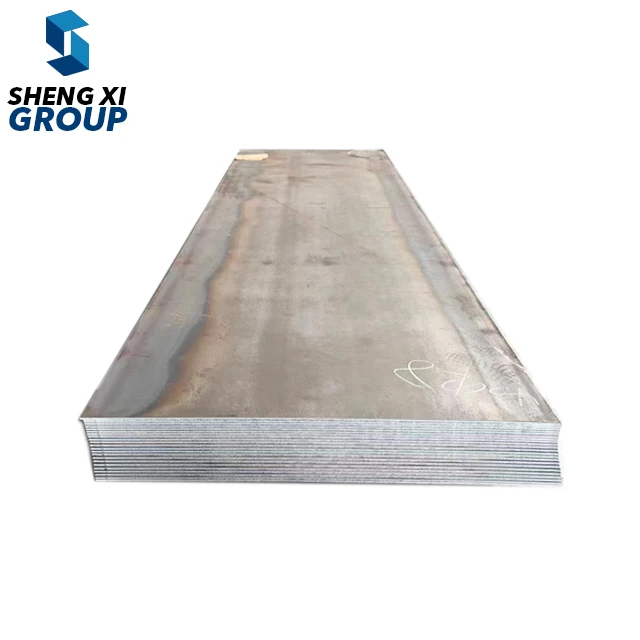
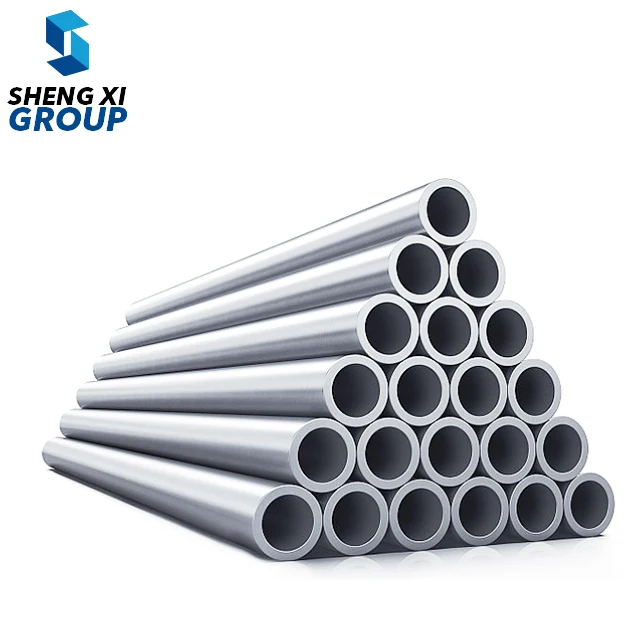
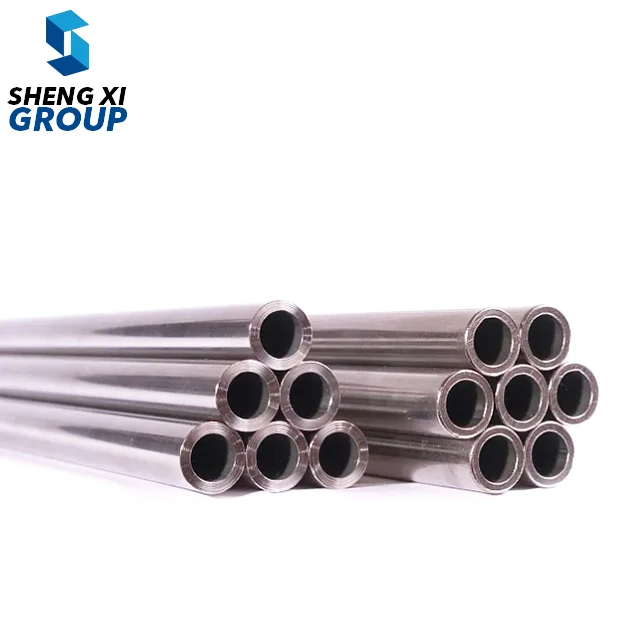
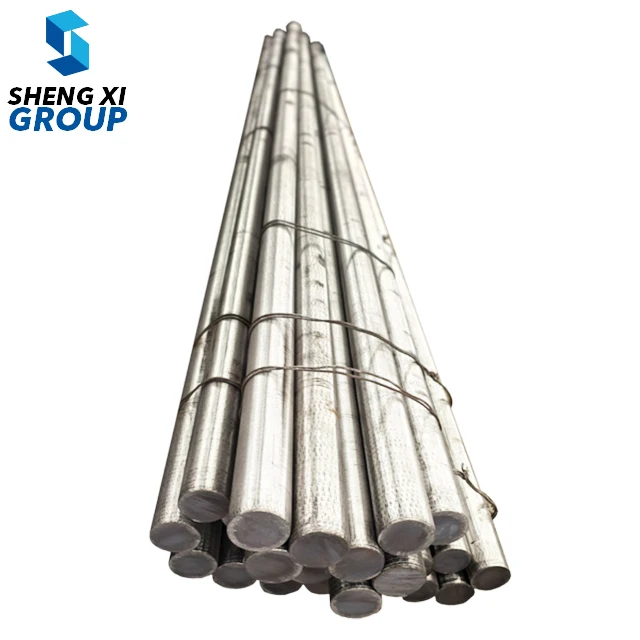
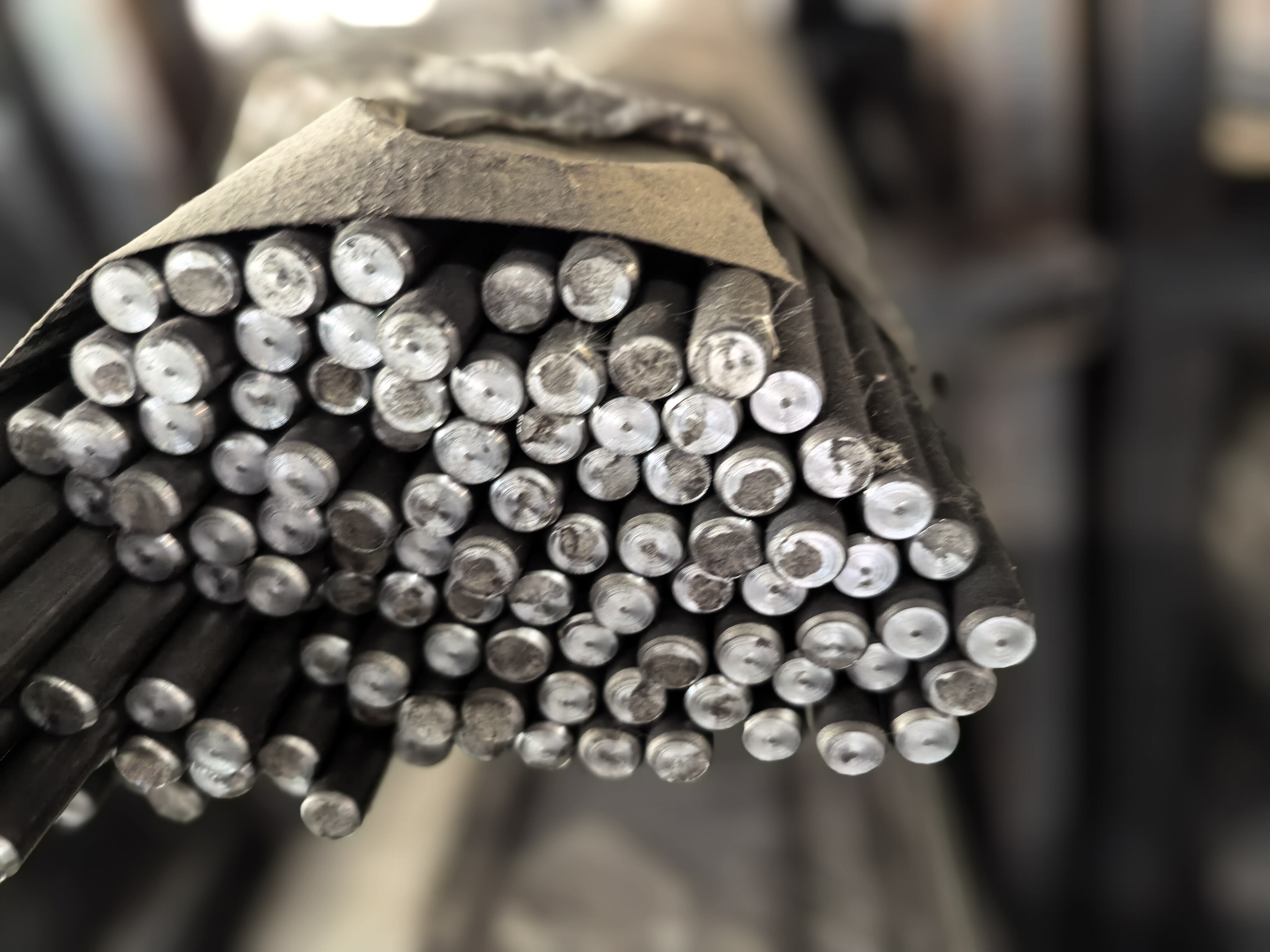
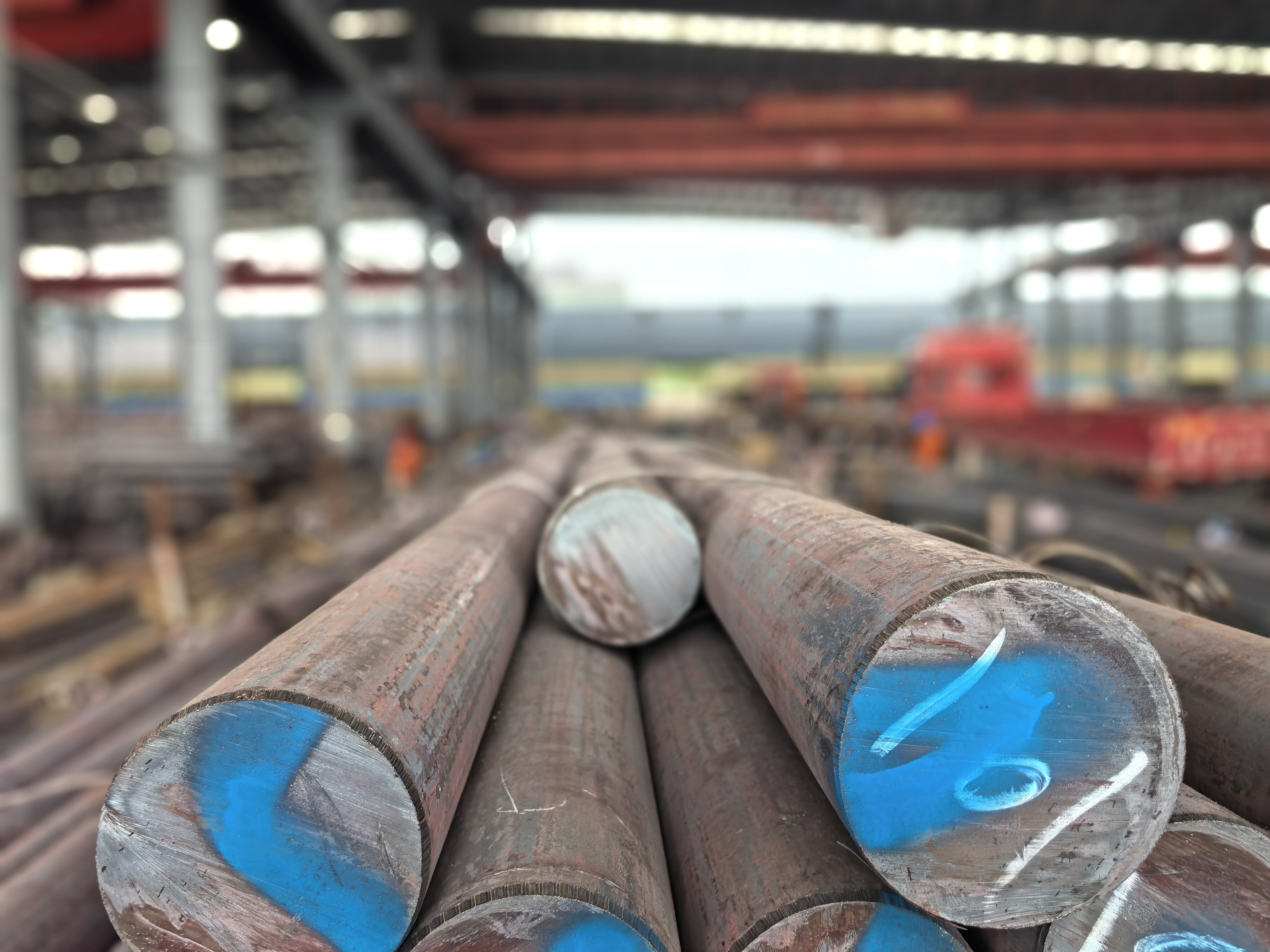
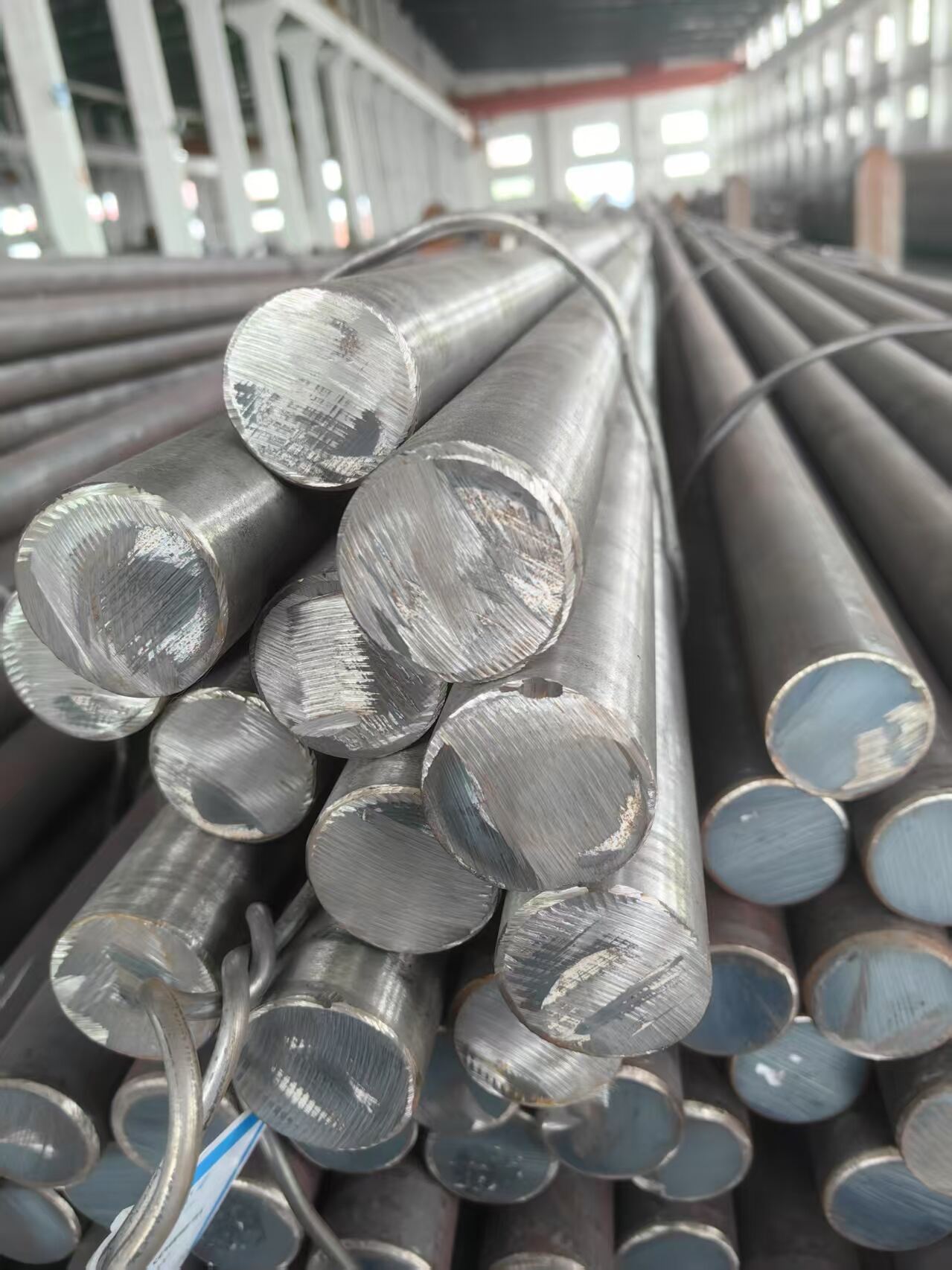
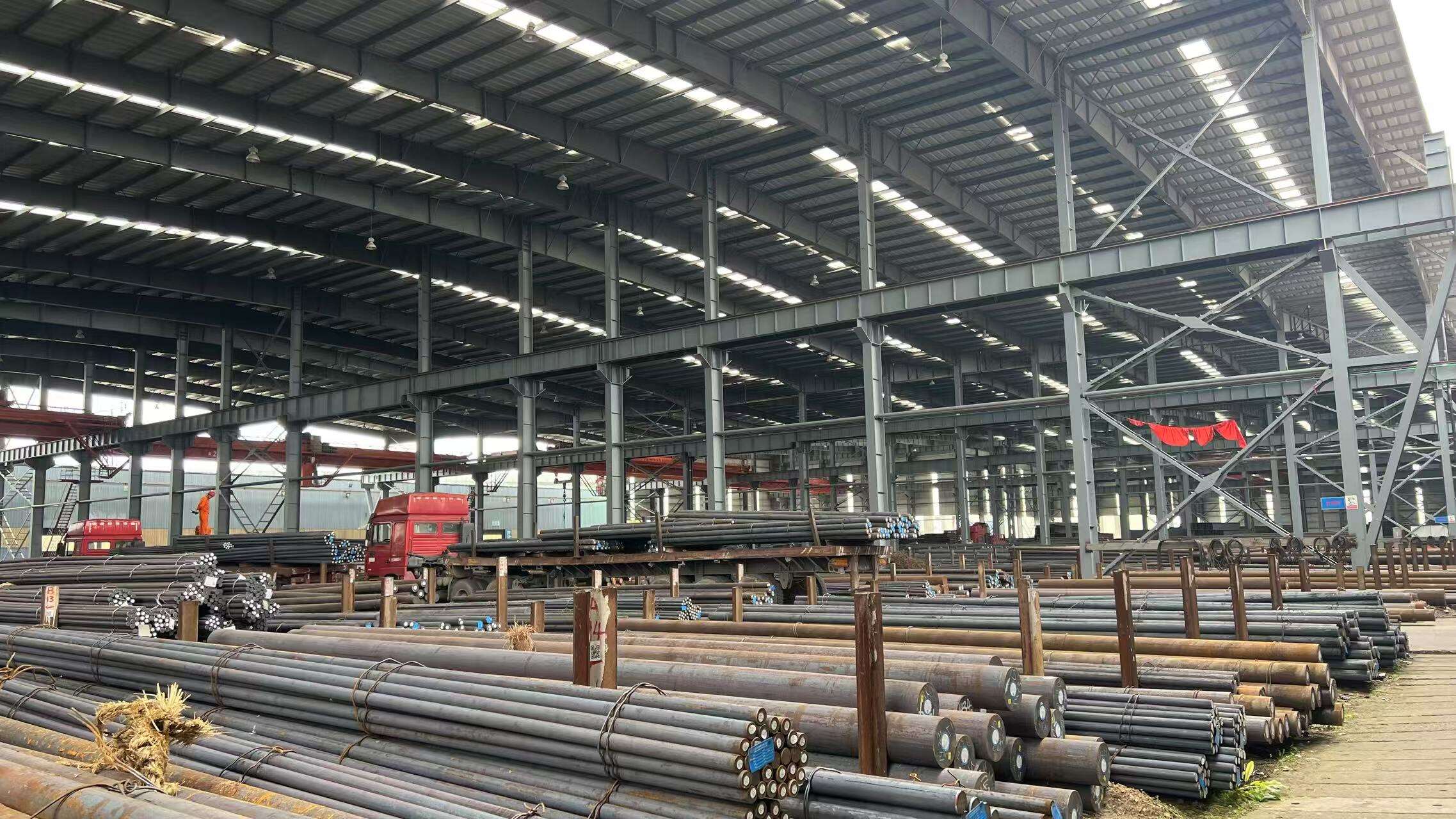
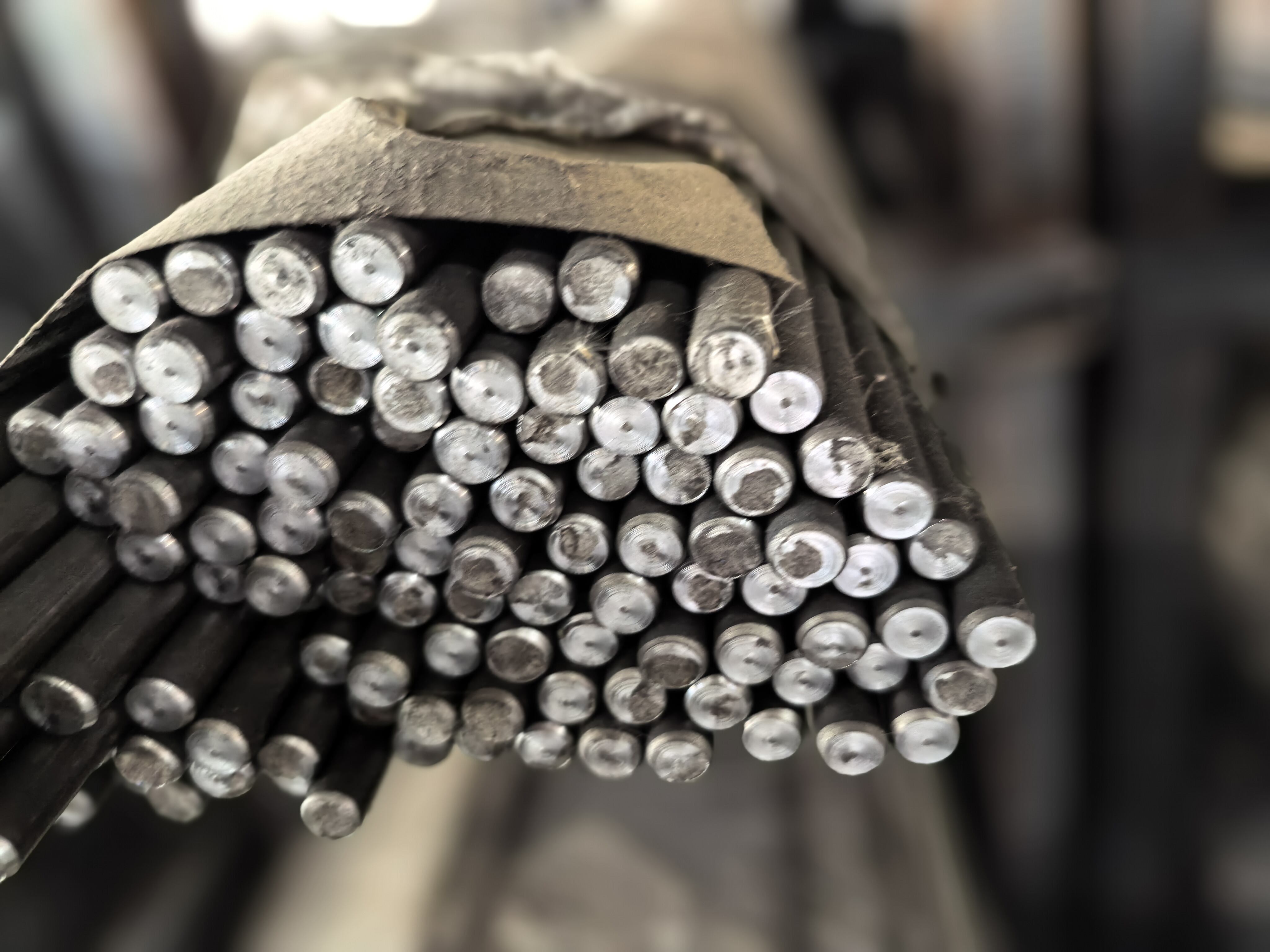
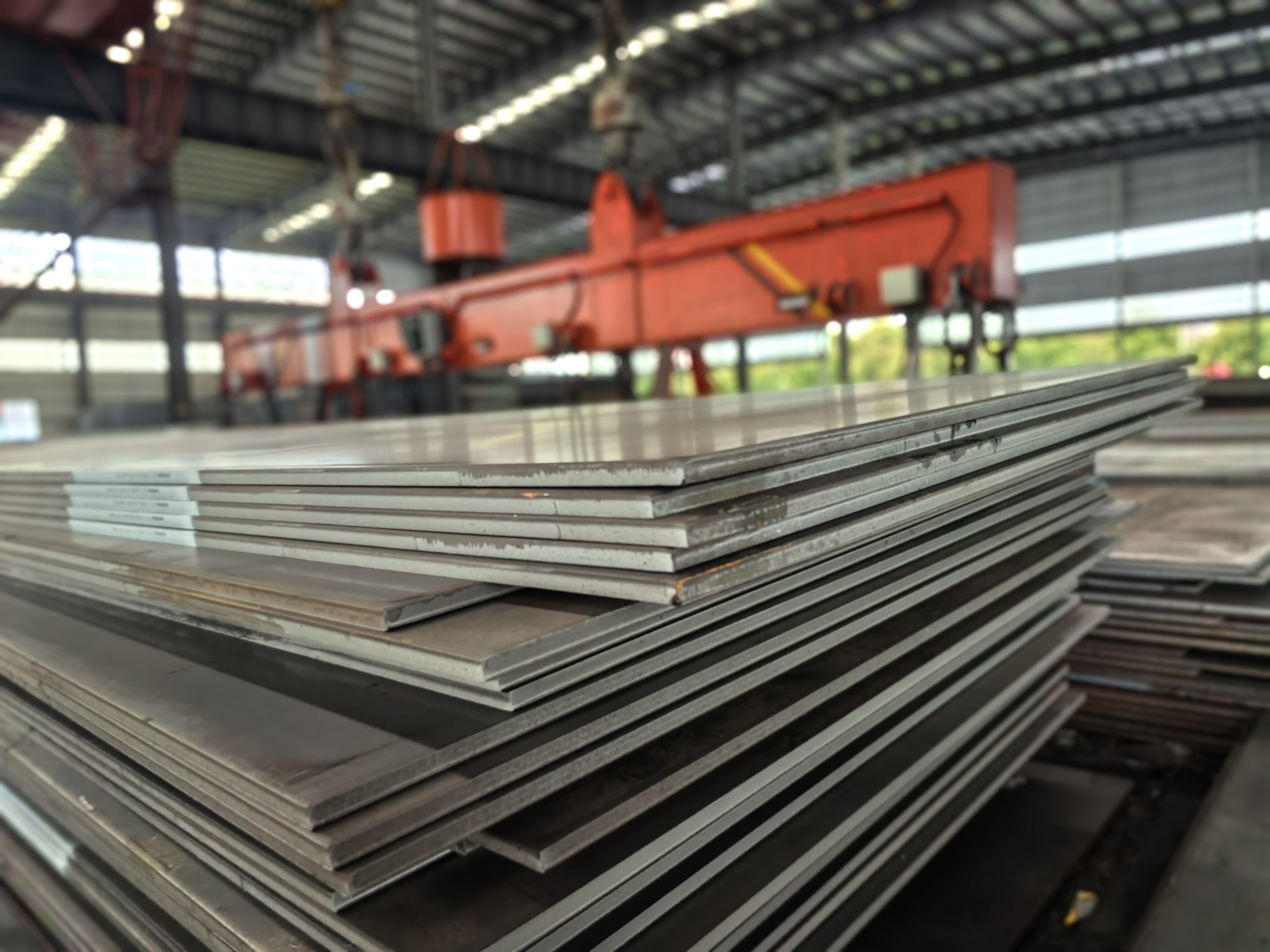
Advanced High Strength Steel: Superior Performance Materials for Modern Manufacturing

All Categories

advanced high strength steel

Advanced high strength steel represents a revolutionary breakthrough in metallurgical engineering, combining exceptional mechanical properties with versatility across multiple industrial sectors. This cutting-edge material achieves tensile strengths ranging from 550 to 1500 MPa, significantly outperforming conventional steel grades while maintaining excellent formability and weldability characteristics. The primary function of advanced high strength steel centers on providing superior structural integrity in applications where weight reduction and enhanced performance are critical requirements. These materials incorporate sophisticated alloying elements and precise manufacturing processes to deliver optimal strength-to-weight ratios that meet demanding engineering specifications. The technological features of advanced high strength steel include microstructural refinement through controlled cooling processes, strategic addition of elements like manganese, silicon, and aluminum, and advanced thermomechanical processing techniques. These steels exhibit remarkable crash energy absorption capabilities, making them ideal for safety-critical components in automotive manufacturing. The material demonstrates excellent cold forming properties, allowing manufacturers to create complex geometries without compromising structural integrity. Heat treatment processes can further enhance mechanical properties, enabling customization for specific application requirements. Applications span across automotive body panels, chassis components, construction frameworks, energy infrastructure, and aerospace components. In automotive manufacturing, advanced high strength steel enables production of lighter vehicles with improved fuel efficiency while maintaining superior occupant protection during impact events. Construction industries utilize these materials for high-rise buildings, bridges, and offshore structures where environmental resistance and load-bearing capacity are paramount. The energy sector employs advanced high strength steel in wind turbine towers, oil drilling equipment, and pipeline systems. Manufacturing processes for advanced high strength steel incorporate precise temperature control, optimized chemical composition, and innovative rolling techniques. These materials support sustainable manufacturing practices by reducing material consumption while enhancing product durability and performance longevity across diverse industrial applications.


New Products

Advanced high strength steel delivers exceptional economic benefits through material optimization and performance enhancement across manufacturing operations. The primary advantage lies in significant weight reduction capabilities, allowing manufacturers to decrease material usage by up to 30 percent while maintaining equivalent or superior structural performance compared to conventional steel grades. This weight reduction translates directly into cost savings through reduced transportation expenses, lower fuel consumption in automotive applications, and decreased foundation requirements in construction projects. The enhanced strength properties enable thinner section designs, reducing raw material consumption and associated production costs. Manufacturing processes benefit from improved formability characteristics, allowing complex shape creation without secondary operations or additional tooling investments. Advanced high strength steel exhibits superior fatigue resistance, extending component service life and reducing maintenance requirements across industrial applications. The material demonstrates excellent corrosion resistance properties, minimizing protective coating requirements and reducing long-term maintenance costs. Welding characteristics remain favorable despite increased strength levels, ensuring compatibility with existing manufacturing infrastructure and processes. Quality consistency proves superior to traditional materials, reducing reject rates and improving production efficiency metrics. The enhanced crash energy absorption properties provide significant safety advantages in automotive applications, potentially reducing insurance costs and improving vehicle safety ratings. Construction applications benefit from reduced structural member sizes while maintaining load-bearing capacity, enabling more efficient space utilization and architectural flexibility. Processing advantages include reduced spring-back effects during forming operations, improving dimensional accuracy and reducing secondary finishing requirements. Environmental benefits emerge through improved recyclability and reduced carbon footprint during production cycles. The material supports sustainable manufacturing initiatives by enabling lighter structures that require less energy for transportation and installation. Durability advantages extend product lifecycles, reducing replacement frequency and associated disposal costs. Performance consistency across temperature ranges ensures reliable operation in diverse environmental conditions, reducing field failure rates and warranty claims. Manufacturing efficiency improvements result from predictable material behavior during processing operations, enabling optimized production scheduling and reduced quality control requirements.

Practical Tips

The Advantages of High Strength Steel

27

Aug

The Advantages of High Strength Steel

Understanding the Revolution in Modern Steel Manufacturing High strength steel has emerged as a cornerstone material in modern engineering and construction, fundamentally transforming how we build everything from skyscrapers to automobiles. This rema...
View More
Best Practices for Using High Speed Steel

27

Aug

Best Practices for Using High Speed Steel

Maximizing Performance with High Speed Steel Tools High speed steel has revolutionized modern machining operations, offering exceptional hardness and heat resistance that makes it indispensable in manufacturing and metalworking. Understanding how to ...
View More
Application fields of high-strength steel

22

Sep

Application fields of high-strength steel

The Evolution of Advanced Steel Technology High-strength steel has revolutionized modern manufacturing and construction, offering unprecedented combinations of durability, weight savings, and cost-effectiveness. As industries push the boundaries of m...
View More
How to balance wear resistance and toughness in die steel?‌

31

Oct

How to balance wear resistance and toughness in die steel?‌

Achieving Optimal Properties in Tool Steel Manufacturing The delicate balance between wear resistance and toughness represents one of the most critical challenges in die steel production. Engineers and metallurgists constantly strive to achieve this ...
View More

Get a Free Quote

Our representative will contact you soon.
Email
Name
Company Name
Message
0/1000

advanced high strength steel

Exceptional Strength-to-Weight Performance Optimization

Exceptional Strength-to-Weight Performance Optimization

Advanced high strength steel delivers unparalleled strength-to-weight performance that revolutionizes design possibilities across multiple industries. This remarkable characteristic stems from sophisticated metallurgical processes that achieve tensile strengths exceeding 1000 MPa while maintaining density similar to conventional steel grades. The significance of this performance optimization extends far beyond simple material substitution, enabling engineers to redesign components for maximum efficiency and functionality. In automotive applications, this translates to body panels that provide superior crash protection while reducing overall vehicle weight by significant percentages. The enhanced strength characteristics allow manufacturers to utilize thinner gauge materials without compromising structural integrity, resulting in substantial material cost reductions and improved fuel economy performance. Construction industries benefit through reduced structural member requirements, enabling more efficient building designs with increased usable space and reduced foundation loads. The weight optimization capabilities prove particularly valuable in aerospace applications where every gram of weight reduction contributes to improved fuel efficiency and payload capacity. Manufacturing processes benefit from the predictable mechanical properties that enable precise engineering calculations and optimized component designs. The strength-to-weight advantages support sustainable manufacturing initiatives by reducing material consumption while enhancing product performance and durability. Quality control processes become more efficient due to consistent material properties that reduce variability in manufacturing outcomes. Testing protocols demonstrate superior performance under cyclic loading conditions, ensuring reliable operation in demanding service environments. The enhanced strength characteristics enable innovative design approaches that were previously impossible with conventional materials. Engineering teams can implement more aggressive weight reduction strategies while maintaining safety margins and performance requirements. Cost analysis reveals significant lifecycle savings through reduced material usage, improved fuel efficiency, and extended component service life. The optimization benefits extend to transportation and handling operations, where reduced component weights decrease logistics costs and improve installation efficiency across diverse applications.
Superior Formability and Manufacturing Flexibility

Superior Formability and Manufacturing Flexibility

Advanced high strength steel exhibits exceptional formability characteristics that enable complex geometries and intricate designs while maintaining structural integrity throughout manufacturing processes. This superior formability results from carefully controlled microstructural development during production, creating materials that resist cracking, tearing, and dimensional distortion during forming operations. The manufacturing flexibility provided by these materials allows producers to create sophisticated component shapes using conventional forming equipment, eliminating the need for specialized tooling or complex multi-stage processes. Deep drawing operations benefit significantly from the enhanced ductility properties, enabling the production of complex automotive body panels and appliance components with minimal spring-back effects. The material demonstrates excellent bendability characteristics, allowing tight radius formations without surface defects or structural weakening. Stamping operations achieve superior dimensional accuracy due to predictable material flow patterns and reduced elastic recovery effects. The enhanced formability extends to roll forming processes, where consistent material properties ensure uniform cross-sectional dimensions and improved surface quality. Welding compatibility remains excellent despite increased strength levels, supporting efficient assembly processes and joint integrity requirements. The flexibility advantages enable manufacturers to optimize production sequences, reducing processing steps and associated labor costs. Quality outcomes improve through reduced reject rates and enhanced dimensional consistency across production runs. Tool wear decreases due to improved material flow characteristics and reduced forming forces required for equivalent deformation levels. Secondary processing operations become more efficient as the material maintains favorable properties throughout the manufacturing cycle. The formability benefits support just-in-time manufacturing strategies by enabling rapid tooling changeovers and flexible production scheduling. Design engineers gain increased freedom to optimize component geometries for functional requirements without manufacturing constraints. Cost efficiency improves through reduced scrap rates and enhanced material utilization across forming operations. The manufacturing flexibility supports customization capabilities, enabling producers to respond quickly to market demands and customer specifications while maintaining quality standards and delivery schedules.
Enhanced Durability and Lifecycle Performance

Enhanced Durability and Lifecycle Performance

Advanced high strength steel provides exceptional durability and lifecycle performance characteristics that deliver long-term value through superior resistance to fatigue, corrosion, and environmental degradation. This enhanced durability stems from optimized chemical composition and controlled manufacturing processes that create materials with superior grain structure and reduced susceptibility to stress concentration effects. The fatigue resistance properties significantly exceed conventional steel grades, enabling components to withstand millions of stress cycles without crack initiation or propagation. Corrosion resistance improvements result from strategic alloying additions and surface treatments that provide protection in harsh environmental conditions. The enhanced durability translates directly into extended service life, reducing replacement frequency and associated maintenance costs across industrial applications. Automotive components benefit from improved crash energy absorption and structural integrity retention throughout vehicle lifecycles. Construction applications demonstrate superior weathering resistance and maintained load-bearing capacity under cyclic loading conditions. The material exhibits excellent temperature stability, maintaining mechanical properties across wide temperature ranges without degradation or embrittlement effects. Impact resistance characteristics exceed conventional materials, providing superior performance in applications subject to dynamic loading conditions. The durability advantages extend to manufacturing equipment and tooling, where enhanced wear resistance reduces maintenance requirements and improves production efficiency. Lifecycle cost analysis reveals significant savings through reduced replacement intervals, decreased maintenance requirements, and improved operational reliability. Environmental resistance properties ensure consistent performance in marine, industrial, and outdoor applications where exposure to corrosive substances and extreme weather conditions occur. The enhanced durability supports sustainable manufacturing practices by extending product lifecycles and reducing material consumption over time. Quality assurance testing demonstrates superior performance retention under accelerated aging conditions, ensuring reliable operation throughout intended service periods. Warranty cost reductions result from decreased field failure rates and improved product reliability metrics. The lifecycle performance benefits enable manufacturers to offer extended warranty periods and improved customer satisfaction levels. Design optimization opportunities emerge from predictable long-term performance characteristics that enable more aggressive design approaches while maintaining safety margins and reliability requirements.
Advanced High Strength Steel: Superior Performance Materials for Modern Manufacturing

Get a Free Quote

Our representative will contact you soon.
Email
Name
Company Name
Message
0/1000