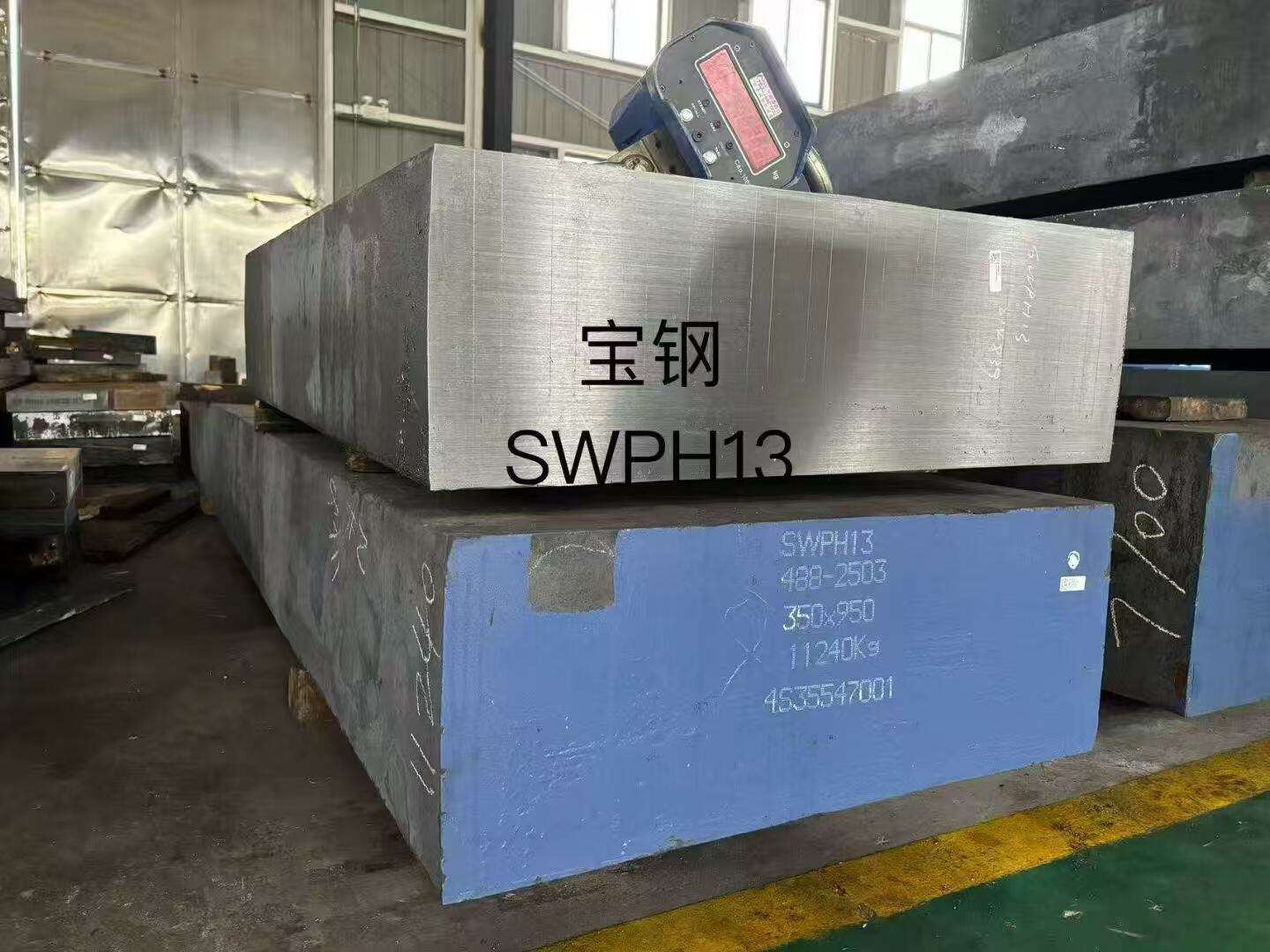
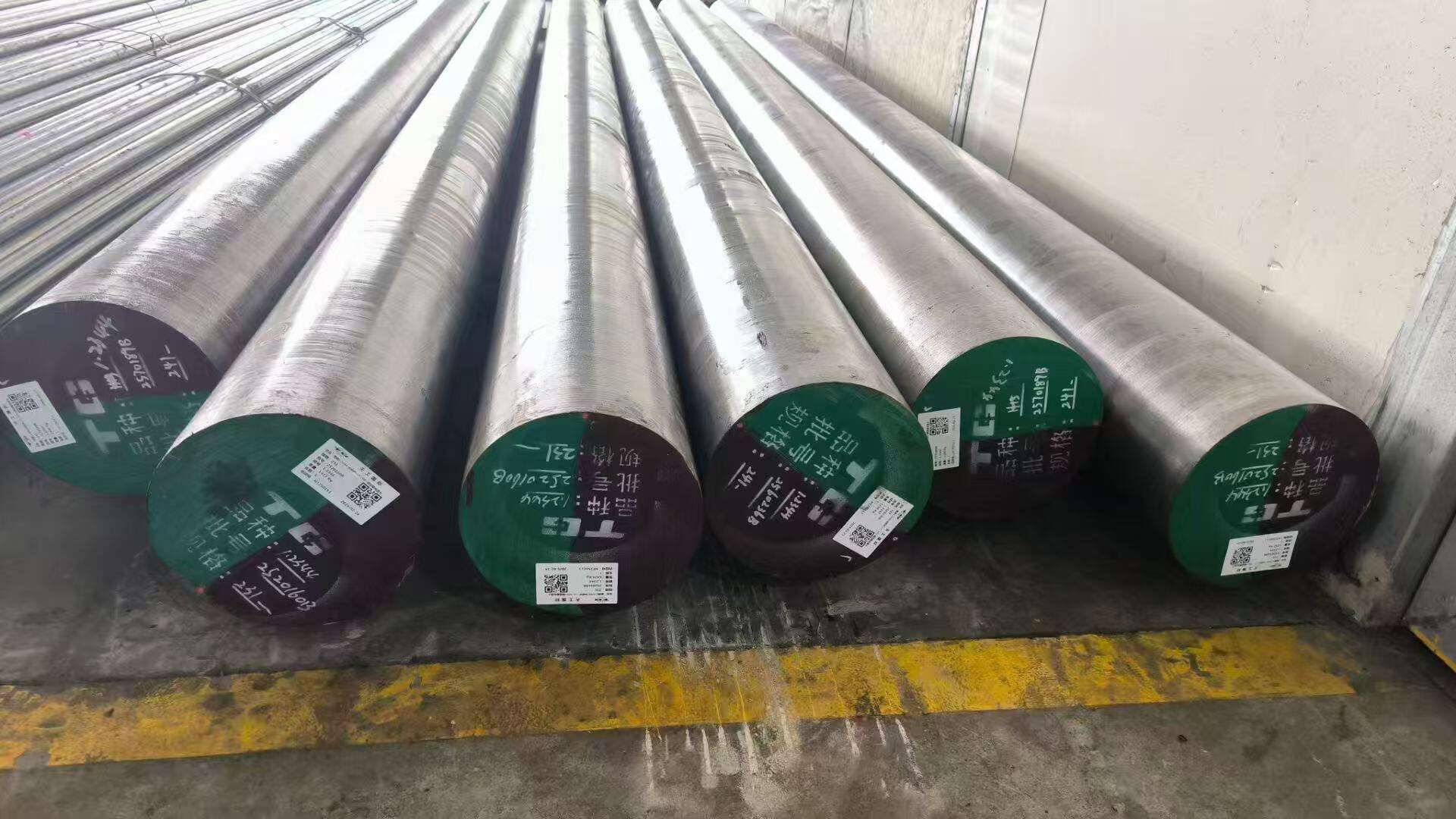
S7 Tool Steel: Superior Shock-Resistant Steel for Industrial Applications

All Categories

s7 tool steel

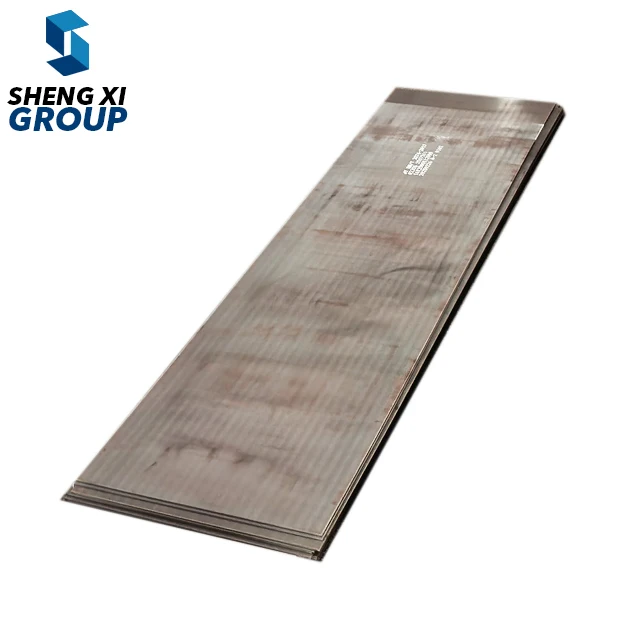
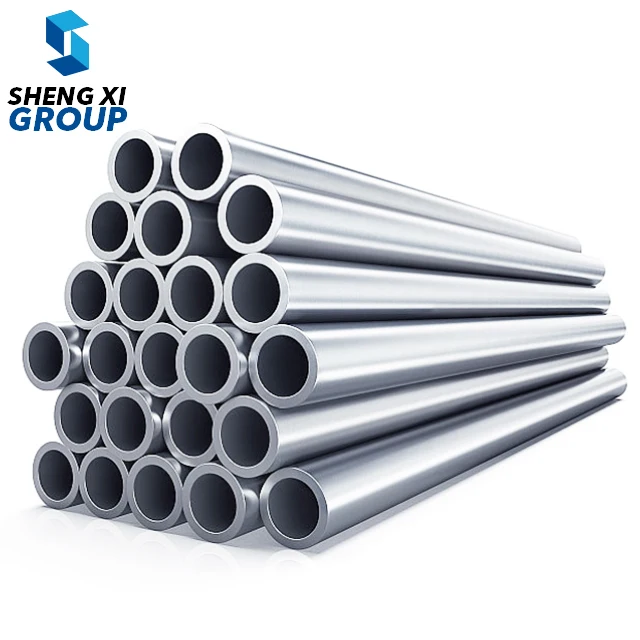
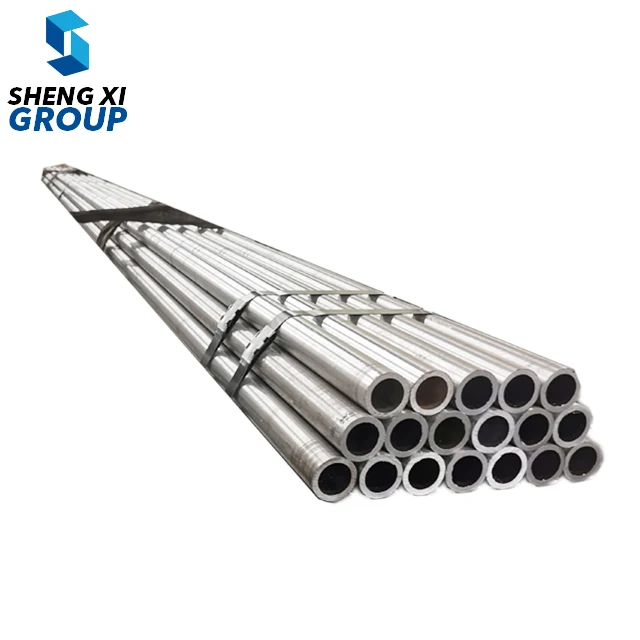
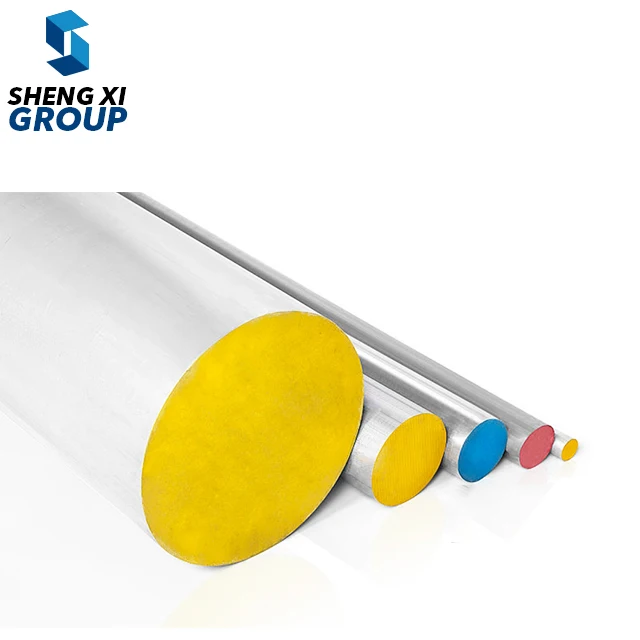
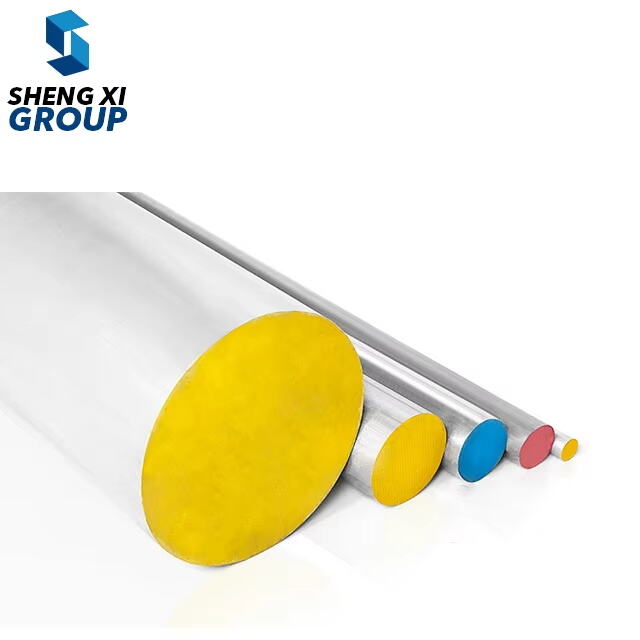
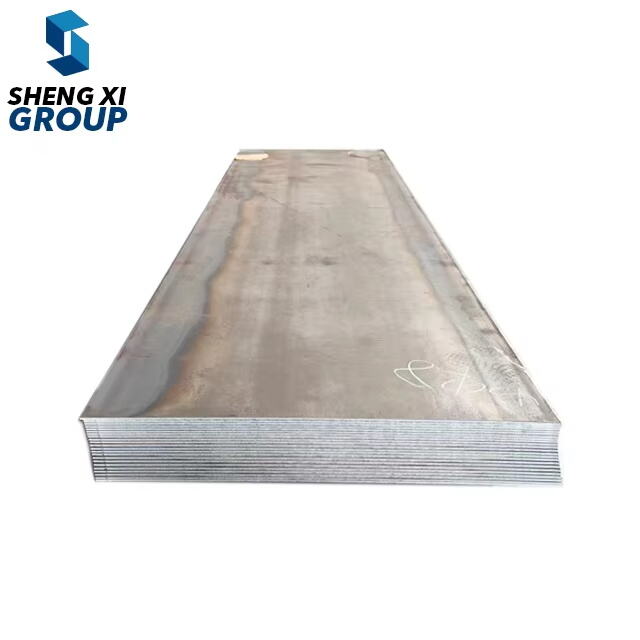
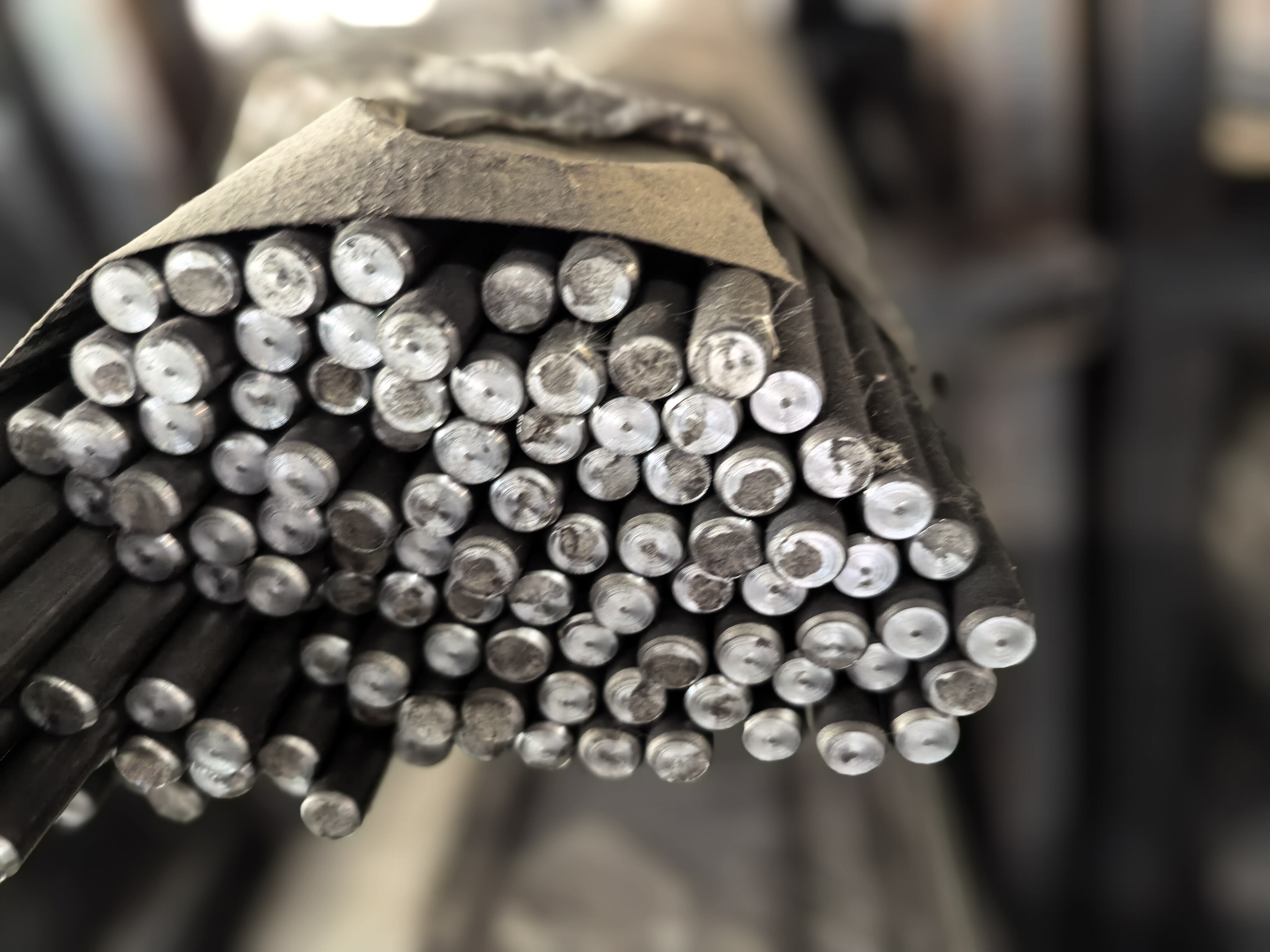
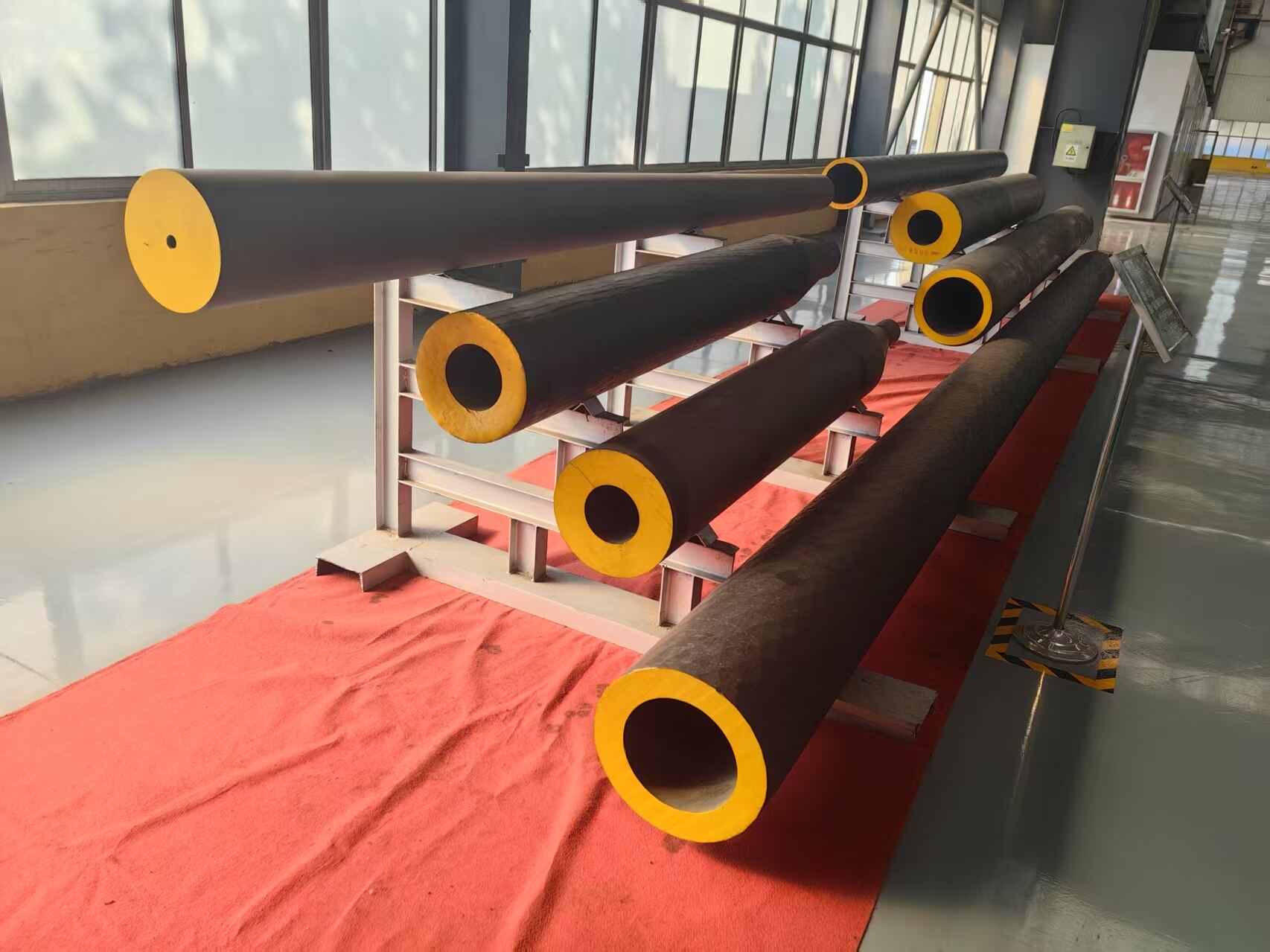
S7 tool steel represents a premium air-hardening shock-resistant tool steel that has earned widespread recognition in manufacturing and industrial applications. This versatile alloy belongs to the shock-resistant category of tool steels, specifically designed to withstand high-impact conditions while maintaining dimensional stability and superior performance characteristics. The composition of s7 tool steel typically includes chromium, molybdenum, and carbon as primary alloying elements, which contribute to its exceptional mechanical properties and heat treatment response. Manufacturing professionals rely on s7 tool steel for applications requiring both toughness and wear resistance, making it an ideal choice for demanding industrial environments. The steel's unique metallurgical structure allows it to maintain hardness levels while exhibiting remarkable shock absorption capabilities. S7 tool steel demonstrates excellent machinability in the annealed condition, enabling efficient production processes and cost-effective manufacturing. The material's air-hardening characteristics eliminate the need for complex quenching procedures, reducing production time and minimizing distortion risks during heat treatment. Industries spanning automotive, aerospace, construction, and general manufacturing have adopted s7 tool steel for various tooling applications due to its reliable performance and consistent quality. The steel's balanced composition ensures predictable heat treatment results, making it suitable for both small-scale and large-scale production requirements. Quality control measures during s7 tool steel production guarantee consistent chemical composition and mechanical properties across different batches. The material exhibits superior performance in applications involving repeated impact loading, cyclic stress conditions, and dynamic loading scenarios. Modern manufacturing techniques have enhanced the availability and quality of s7 tool steel, making it accessible for diverse industrial applications while maintaining competitive pricing structures.

New Products

S7 tool steel delivers exceptional shock resistance that surpasses many conventional tool steel grades, providing manufacturers with reliable performance in high-impact applications. This superior shock resistance translates to extended tool life and reduced replacement costs, directly benefiting operational budgets and production efficiency. The air-hardening capability of s7 tool steel eliminates complex quenching requirements, simplifying heat treatment processes and reducing the risk of cracking or distortion during hardening procedures. This characteristic enables manufacturers to achieve consistent hardness levels without specialized equipment or complex cooling systems. The balanced toughness-to-hardness ratio in s7 tool steel provides optimal performance for applications requiring both cutting ability and impact resistance. Users benefit from tools that maintain sharp edges while withstanding shock loading conditions that would damage inferior materials. Excellent machinability in the annealed state allows for efficient production of complex geometries and intricate tool designs. This feature reduces machining time, tool wear on cutting equipment, and overall production costs. The dimensional stability of s7 tool steel during heat treatment minimizes post-processing requirements and ensures tight tolerance maintenance. This reliability reduces scrap rates and rework costs while improving product quality consistency. Superior fatigue resistance enables s7 tool steel components to withstand millions of stress cycles without failure, making it ideal for high-volume production environments. The material's consistent performance under cyclic loading conditions provides predictable service life and maintenance scheduling benefits. Versatile application range allows manufacturers to standardize on s7 tool steel for multiple tooling needs, reducing inventory complexity and purchasing costs. The steel's broad temperature operating range maintains performance characteristics across various working environments. Cost-effectiveness emerges through extended service life, reduced downtime, and minimal maintenance requirements compared to alternative materials. The combination of durability, performance, and reasonable initial cost creates favorable total cost of ownership calculations for industrial users. Quality assurance standards ensure consistent material properties, reducing variability in manufacturing processes and improving production predictability.

Practical Tips

How to Heat Treat Bearing Steel

08

Jul

How to Heat Treat Bearing Steel

Fundamentals of Heat Treating Bearing Steel Composition Requirements for Bearing Steel What makes bearing steel work so well comes down to its composition, which needs to hit certain performance benchmarks for durability. The main ingredients mixed...
View More
Strength and Durability of Alloy Steel

08

Jul

Strength and Durability of Alloy Steel

What is Alloy Steel? Alloy steel, integral to various industrial applications, is fundamentally a mixture of iron enhanced with key elements such as carbon, manganese, chromium, and nickel. Each of these elements plays a specific role in augmenting ...
View More
The Advantages of High Strength Steel

27

Aug

The Advantages of High Strength Steel

Understanding the Revolution in Modern Steel Manufacturing High strength steel has emerged as a cornerstone material in modern engineering and construction, fundamentally transforming how we build everything from skyscrapers to automobiles. This rema...
View More
Solution paths for insufficient core hardness in die steel?‌

31

Oct

Solution paths for insufficient core hardness in die steel?‌

Understanding Core Hardness Challenges in Modern Die Steel Manufacturing Core hardness represents a critical quality parameter in die steel production that directly impacts tool performance and longevity. When manufacturers encounter insufficient cor...
View More

Get a Free Quote

Our representative will contact you soon.
Email
Name
Company Name
Message
0/1000

s7 tool steel

Exceptional Shock Resistance and Impact Performance

Exceptional Shock Resistance and Impact Performance

S7 tool steel stands out in the metalworking industry primarily due to its extraordinary shock resistance capabilities, which fundamentally differentiate it from standard carbon steels and many other tool steel grades. This remarkable characteristic stems from the carefully balanced chemical composition that includes chromium, molybdenum, and precise carbon content, creating a metallurgical structure optimized for impact absorption. The shock resistance of s7 tool steel enables it to withstand sudden force applications, repeated hammering, and dynamic loading conditions without fracturing or developing stress cracks. Manufacturing operations benefit significantly from this property, particularly in applications involving stamping dies, forming tools, punches, and chisels where impact forces are inevitable. The material's ability to absorb and dissipate energy during impact events prevents catastrophic failure and extends operational life considerably compared to brittle alternatives. Industries utilizing heavy-duty equipment and high-speed operations find s7 tool steel indispensable for maintaining productivity and reducing unexpected downtime. The shock resistance translates directly into economic advantages through reduced tool replacement frequency, decreased maintenance costs, and improved production continuity. Quality control testing demonstrates that s7 tool steel consistently outperforms competing materials in Charpy impact tests and dynamic loading scenarios. The steel's microstructure remains stable under shock loading, preventing the formation of micro-cracks that typically lead to premature failure in less resilient materials. This stability ensures predictable performance throughout the tool's service life, enabling accurate maintenance scheduling and inventory planning. Construction and demolition industries particularly value s7 tool steel for applications involving concrete breaking, rock crushing, and heavy-duty cutting operations where shock resistance is paramount for operational success.
Air-Hardening Properties with Superior Heat Treatment Response

Air-Hardening Properties with Superior Heat Treatment Response

The air-hardening characteristic of s7 tool steel represents a significant technological advancement that simplifies manufacturing processes while delivering consistent metallurgical results. Unlike conventional tool steels requiring oil or water quenching, s7 tool steel achieves full hardness through controlled air cooling, eliminating the complexities and risks associated with rapid quenching procedures. This unique property results from the alloy's chemical composition, which promotes the formation of martensite during air cooling from austenitizing temperatures. Manufacturers benefit tremendously from this characteristic as it reduces equipment requirements, eliminates quenchant costs, and minimizes environmental concerns related to quenching media disposal. The air-hardening process significantly reduces distortion risks compared to liquid quenching methods, enabling the production of precision components with minimal post-heat treatment machining. This dimensional stability proves particularly valuable for complex geometries, thin sections, and components requiring tight tolerances where distortion control is critical. The predictable heat treatment response of s7 tool steel allows for precise hardness control across different section thicknesses, ensuring uniform properties throughout the component. Quality assurance becomes more straightforward with air-hardening characteristics, as the cooling rate variations have less impact on final properties compared to quench-sensitive grades. The reduced thermal stress during air cooling minimizes internal stress development, contributing to improved fatigue resistance and crack resistance in service. Manufacturing facilities benefit from simplified heat treatment protocols, reduced energy consumption, and improved safety conditions by eliminating hazardous quenching operations. The consistent hardening response enables batch processing of multiple components with confidence in achieving uniform properties. Research and development efforts have optimized the air-hardening capabilities of s7 tool steel to ensure reliable transformation across various section sizes and component geometries, making it suitable for both light and heavy-duty applications.
Versatile Application Range with Outstanding Machinability

Versatile Application Range with Outstanding Machinability

S7 tool steel demonstrates remarkable versatility across diverse industrial applications while maintaining excellent machinability characteristics that facilitate efficient production processes. The material's balanced composition creates an optimal combination of workability in the annealed condition and performance capability after heat treatment, making it suitable for an extensive range of manufacturing requirements. In the annealed state, s7 tool steel exhibits superior machinability compared to many high-performance alternatives, allowing for rapid material removal, excellent surface finish quality, and extended cutting tool life during manufacturing operations. This machinability advantage translates directly into reduced production costs through decreased cycle times, lower tooling consumption, and improved dimensional accuracy. The steel's consistent structure enables predictable machining characteristics across different batches, facilitating production planning and quality control procedures. Complex geometries, intricate details, and precision features can be efficiently machined without excessive tool wear or surface quality concerns. Manufacturing facilities appreciate the ability to use standard cutting tools and conventional machining parameters when working with s7 tool steel, eliminating the need for specialized equipment or exotic tooling solutions. The material's response to various machining operations, including turning, milling, drilling, and grinding, remains consistently favorable throughout different hardness ranges. Post-heat treatment machining operations benefit from the steel's uniform hardness distribution and predictable cutting characteristics, enabling finish machining with maintained dimensional precision. The versatility of s7 tool steel extends across industries including automotive manufacturing for stamping dies, aerospace applications for forming tools, construction equipment components, and general industrial tooling requirements. Each application benefits from the material's ability to maintain performance while accommodating diverse operating conditions, stress patterns, and environmental factors. Research indicates that s7 tool steel performs effectively in temperature ranges from sub-zero conditions to elevated operating temperatures, expanding its application potential across varied industrial environments and seasonal operating conditions.

S7 Tool Steel: Superior Shock-Resistant Steel for Industrial Applications

Get a Free Quote

Our representative will contact you soon.
Email
Name
Company Name
Message
0/1000