
 EN
EN
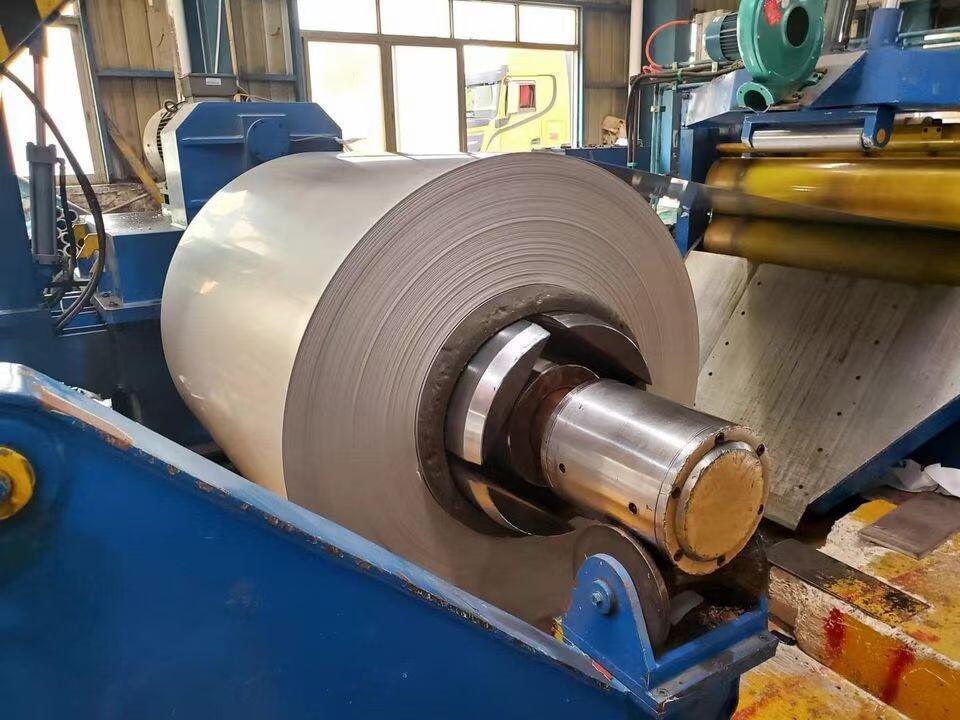
In today's competitive manufacturing landscape, precision and reliability are paramount for achieving superior product performance. Custom special steel has emerged as a critical material solution for industries demanding exceptional mechanical properties, durability, and specialized characteristics. Unlike standard steel grades, custom special steel is engineered to meet specific application requirements, offering manufacturers unprecedented control over material properties and performance outcomes. This specialized approach to steel production enables companies to optimize their manufacturing processes while ensuring consistent quality and enhanced operational efficiency.
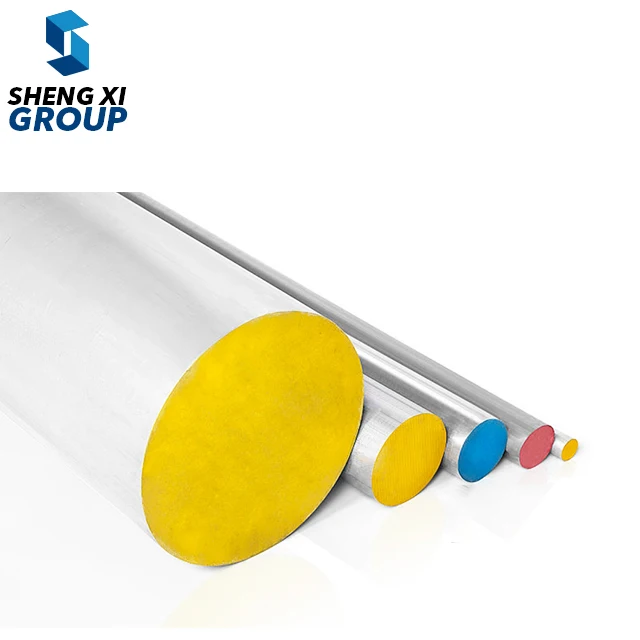
Superior Material Properties and Performance Characteristics
Enhanced Hardness and Wear Resistance
Custom special steel delivers exceptional hardness levels that significantly exceed conventional steel materials, making it ideal for applications requiring superior wear resistance. The controlled composition and specialized heat treatment processes allow manufacturers to achieve precise hardness values tailored to specific operational demands. This enhanced hardness directly translates to extended component lifespan, reduced maintenance requirements, and improved overall equipment reliability.
The wear resistance properties of custom special steel are particularly valuable in high-stress environments where components face constant friction and abrasion. Advanced alloying techniques and precise carbon content control enable the creation of materials that maintain their integrity under extreme operating conditions. These characteristics make custom special steel an optimal choice for cutting tools, dies, and precision machinery components that demand consistent performance over extended periods.
Exceptional Toughness and Impact Resistance
The toughness characteristics of custom special steel provide manufacturers with materials capable of withstanding sudden impacts and dynamic loading conditions without failure. Through careful control of grain structure and alloying elements, these specialized steels exhibit remarkable resistance to crack propagation and brittle fracture. This exceptional toughness ensures reliable performance in applications where mechanical shock and vibration are common concerns.
Impact resistance becomes particularly crucial in manufacturing environments where components must endure repetitive stress cycles and sudden load variations. Custom special steel formulations are designed to absorb and distribute energy effectively, preventing catastrophic failures that could result in costly downtime and safety hazards. The balanced combination of hardness and toughness achieves optimal performance characteristics that standard materials cannot match.
Precision Manufacturing Applications and Industry Benefits
Tool and Die Manufacturing Excellence
The tool and die industry represents one of the most demanding applications for custom special steel, where precision tolerances and consistent performance are essential for successful operations. These specialized materials enable the production of cutting tools, forming dies, and precision instruments that maintain their dimensional accuracy throughout extended production runs. The superior edge retention and thermal stability of custom special steel ensure consistent part quality and reduced tool replacement frequency.
Manufacturing operations benefit significantly from the predictable performance characteristics that custom special steel provides in tooling applications. The ability to specify exact material properties allows engineers to design tools that optimize production efficiency while minimizing waste and rework. This precision approach to material selection results in improved product quality, enhanced production throughput, and reduced overall manufacturing costs.
Aerospace and Automotive Component Manufacturing
Aerospace and automotive industries rely heavily on custom special steel for critical components that must perform reliably under extreme conditions. The stringent safety requirements and performance standards in these sectors demand materials with verified mechanical properties and consistent quality characteristics. Custom special steel formulations are developed to meet specific industry standards while providing the necessary strength-to-weight ratios and corrosion resistance properties.
The precision manufacturing capabilities enabled by custom special steel allow these industries to produce components with tight tolerances and complex geometries. Advanced metallurgical processes ensure that material properties remain consistent throughout the entire component, eliminating weak points that could lead to premature failure. This reliability factor is particularly important for safety-critical applications where component failure could have catastrophic consequences.
Cost-Effectiveness and Long-Term Value Proposition
Reduced Maintenance and Replacement Costs
The superior durability characteristics of custom special steel translate directly into significant cost savings through reduced maintenance requirements and extended component service life. While the initial material cost may be higher than standard steel grades, the long-term economic benefits far outweigh the upfront investment. Components manufactured from custom special steel typically demonstrate service lives that are two to three times longer than those made from conventional materials.
Manufacturing facilities experience substantial operational cost reductions when implementing custom special steel in their production processes. The decreased frequency of component replacement reduces inventory requirements, minimizes production interruptions, and lowers labor costs associated with maintenance activities. These cumulative savings contribute to improved profitability and enhanced competitive positioning in the marketplace.
Enhanced Production Efficiency and Quality Consistency
Custom special steel enables manufacturers to achieve higher production rates while maintaining consistent quality standards throughout the manufacturing process. The predictable material behavior and stable performance characteristics allow for optimized machining parameters and reduced setup times. This efficiency improvement directly impacts production capacity and overall equipment effectiveness metrics.
Quality consistency represents another significant economic advantage of custom special steel implementation. The controlled material properties ensure that manufactured components meet specifications consistently, reducing scrap rates and rework requirements. This improved quality consistency enhances customer satisfaction and reduces warranty-related costs, contributing to stronger business relationships and repeat sales opportunities.
Advanced Manufacturing Processes and Quality Control
Precision Heat Treatment and Material Optimization
The manufacturing process for custom special steel involves sophisticated heat treatment procedures that precisely control material microstructure and mechanical properties. These advanced processes enable manufacturers to achieve specific hardness profiles, residual stress patterns, and dimensional stability characteristics that are impossible to obtain with standard materials. The precise control over thermal processing parameters ensures consistent material properties throughout the entire production batch.
Quality control measures throughout the custom special steel manufacturing process guarantee that final products meet or exceed specified requirements. Advanced testing methods including metallographic analysis, mechanical property verification, and dimensional inspection ensure that every component conforms to established standards. This comprehensive approach to quality assurance provides manufacturers with confidence in material performance and reliability.
Chemical Composition Control and Alloy Optimization
The chemical composition of custom special steel is carefully engineered to achieve optimal balance between various mechanical properties and performance characteristics. Advanced metallurgical techniques allow for precise control of alloying elements, carbon content, and impurity levels to create materials with specific property profiles. This level of control enables the development of steels that excel in particular applications while maintaining overall structural integrity.
Alloy optimization processes involve extensive research and development efforts to identify the most effective combinations of elements for specific manufacturing applications. The resulting custom special steel formulations provide manufacturers with materials that are precisely tailored to their operational requirements, eliminating the compromises associated with standard material grades. This optimization approach ensures maximum performance while minimizing material waste and processing costs.
Industry Standards and Certification Requirements
International Quality Standards Compliance
Custom special steel manufacturers must adhere to stringent international quality standards that govern material properties, testing procedures, and certification requirements. These standards ensure that custom special steel products meet globally recognized performance criteria and provide manufacturers with materials that can be used in international markets. Compliance with standards such as ISO 9001, ASTM, and JIS demonstrates the commitment to quality and reliability that customers expect.
The certification process for custom special steel involves comprehensive testing and documentation that verifies material properties and manufacturing processes. This thorough approach to quality assurance provides manufacturers with traceable documentation that supports their own quality systems and customer requirements. The availability of certified materials simplifies the procurement process and reduces the time required for material qualification in critical applications.
Traceability and Documentation Systems
Advanced traceability systems ensure that every batch of custom special steel can be tracked from raw material procurement through final product delivery. This comprehensive documentation provides manufacturers with detailed information about material properties, processing history, and quality test results. The ability to trace materials throughout the supply chain enhances quality control capabilities and supports rapid response to any quality issues that may arise.
Documentation systems for custom special steel include detailed material certificates, test reports, and processing records that provide complete transparency in material characteristics and performance capabilities. This level of documentation supports manufacturers in their own quality assurance programs and provides customers with confidence in material reliability. The comprehensive record-keeping also facilitates continuous improvement efforts and helps identify opportunities for process optimization.
Environmental Considerations and Sustainability Factors
Resource Efficiency and Material Optimization
Custom special steel production emphasizes resource efficiency through optimized material utilization and reduced waste generation. The precise control over material properties eliminates the need for over-specification, allowing manufacturers to use exactly the right amount of alloying elements required for specific applications. This targeted approach reduces raw material consumption and minimizes environmental impact while maintaining superior performance characteristics.
The extended service life of components manufactured from custom special steel contributes significantly to sustainability goals by reducing the frequency of replacement and associated material consumption. The superior durability characteristics mean that fewer resources are required over the component lifecycle, resulting in lower overall environmental impact. This sustainability advantage becomes increasingly important as manufacturers seek to reduce their carbon footprint and meet environmental regulatory requirements.
Recycling and End-of-Life Considerations
Custom special steel maintains excellent recyclability characteristics that support circular economy principles and sustainable manufacturing practices. The high-value alloying elements used in these specialized materials can be recovered and reused in future steel production, minimizing waste and conserving natural resources. This recyclability factor provides manufacturers with an environmentally responsible material choice that aligns with sustainability objectives.
End-of-life considerations for custom special steel components include established recycling processes that recover valuable materials while minimizing environmental impact. The steel industry's well-developed recycling infrastructure ensures that custom special steel components can be processed efficiently when they reach the end of their service life. This comprehensive approach to material lifecycle management supports sustainable manufacturing practices and reduces the overall environmental footprint of precision manufacturing operations.
FAQ
What makes custom special steel different from standard steel grades
Custom special steel differs from standard grades through its precisely controlled chemical composition, specialized heat treatment processes, and tailored mechanical properties designed for specific applications. Unlike standard steels that offer general-purpose characteristics, custom special steel is engineered to meet exact performance requirements including specific hardness levels, wear resistance, and toughness characteristics. The manufacturing process involves advanced metallurgical techniques that ensure consistent properties throughout the material, providing manufacturers with predictable performance and reliability.
How does custom special steel improve manufacturing efficiency
Custom special steel improves manufacturing efficiency through enhanced tool life, reduced maintenance requirements, and consistent performance characteristics that enable optimized production parameters. The superior material properties allow for higher cutting speeds, extended tool service life, and reduced downtime associated with tool changes and equipment maintenance. Additionally, the predictable material behavior enables manufacturers to optimize machining parameters and reduce setup times, resulting in increased production throughput and improved overall equipment effectiveness.
What industries benefit most from custom special steel applications
Industries that benefit most from custom special steel include aerospace, automotive, tool and die manufacturing, precision machinery, and medical device production. These sectors require materials with exceptional mechanical properties, dimensional stability, and consistent performance under demanding operating conditions. The ability to specify exact material characteristics makes custom special steel particularly valuable for applications where component failure could result in significant safety risks or economic consequences.
How do you determine the right custom special steel specification for a specific application
Determining the right custom special steel specification requires careful analysis of operating conditions, performance requirements, and environmental factors that will affect component performance. This process involves evaluating factors such as operating temperature, stress levels, wear patterns, and corrosion exposure to identify the optimal material properties. Working with experienced metallurgists and material engineers helps ensure that the selected specification provides the best balance of performance characteristics while meeting cost objectives and manufacturing requirements.
Table of Contents
- Superior Material Properties and Performance Characteristics
- Precision Manufacturing Applications and Industry Benefits
- Cost-Effectiveness and Long-Term Value Proposition
- Advanced Manufacturing Processes and Quality Control
- Industry Standards and Certification Requirements
- Environmental Considerations and Sustainability Factors
- FAQ