
 EN
EN
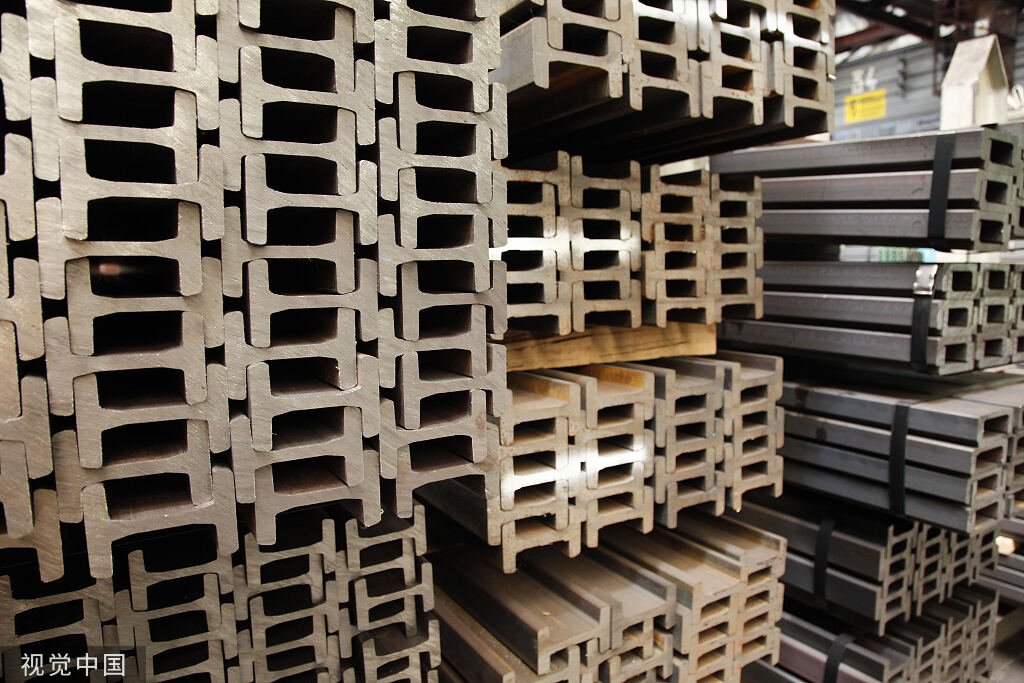
Industrial applications requiring extreme conditions demand materials that can withstand intense heat, pressure, and corrosive environments. In these challenging scenarios, special steel emerges as the superior choice for engineers and manufacturers worldwide. Unlike conventional carbon steel, special steel incorporates specific alloying elements that enhance its mechanical properties, making it indispensable for power generation, petrochemical processing, and aerospace applications. The unique metallurgical composition of special steel provides exceptional strength retention at elevated temperatures while maintaining structural integrity under extreme pressure conditions.
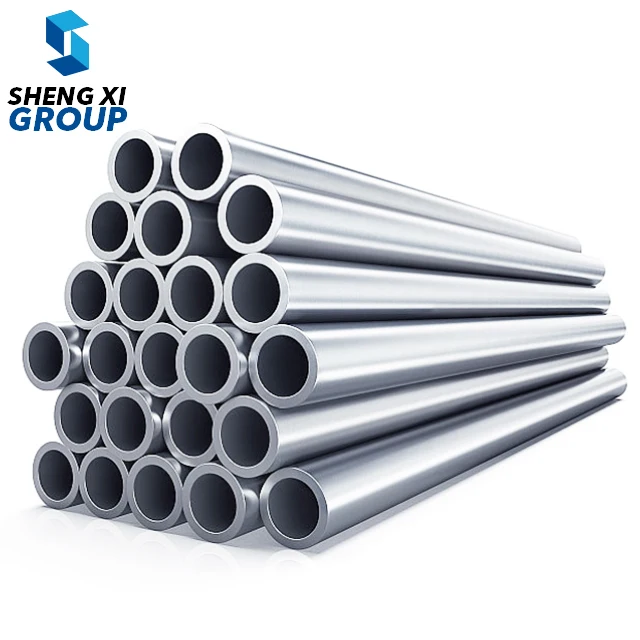
Metallurgical Composition and Alloying Elements
Chromium and Molybdenum Enhancement
The foundation of special steel performance lies in its carefully controlled alloying elements, particularly chromium and molybdenum. Chromium content typically ranges from 2.25% to 9%, providing enhanced corrosion resistance and oxidation protection at elevated temperatures. Molybdenum additions, usually between 0.5% to 1%, significantly improve creep strength and thermal stability. These elements work synergistically to create a microstructure that maintains mechanical properties even when exposed to temperatures exceeding 600°C for extended periods.
The precise balance of these alloying elements distinguishes special steel from standard grades, enabling applications in steam superheaters, hydrocracking units, and high-temperature pressure vessels. Advanced metallurgical techniques ensure uniform distribution of these elements throughout the material matrix, eliminating weak points that could lead to premature failure under stress.
Vanadium and Niobium Contributions
Vanadium and niobium additions in special steel create fine carbide precipitates that enhance strength through precipitation hardening mechanisms. These microalloying elements, typically present in concentrations of 0.2% to 0.3%, refine grain structure and improve toughness characteristics. The resulting microstructure exhibits superior resistance to thermal fatigue and stress corrosion cracking, critical properties for components operating in fluctuating temperature and pressure environments.
Modern special steel manufacturing employs controlled cooling rates and heat treatment processes to optimize the distribution of vanadium and niobium carbides. This precise metallurgical control ensures consistent performance across different product forms, from seamless pipes to forged components, maintaining the exceptional properties that make special steel the preferred material for demanding applications.
High-Temperature Performance Characteristics
Creep Resistance and Long-Term Stability
One of the most critical advantages of special steel in high-temperature applications is its exceptional creep resistance. Creep, the gradual deformation of materials under sustained stress at elevated temperatures, poses significant challenges in power plant boilers and chemical processing equipment. Special steel grades demonstrate superior creep rupture strength, maintaining structural integrity for design lifespans exceeding 100,000 hours at service temperatures.
The microstructural stability of special steel at high temperatures results from carefully engineered carbide networks that resist coarsening and dissolution. These stable precipitates act as barriers to dislocation movement, effectively preventing the gradual deformation that leads to component failure. Advanced special steel grades can operate reliably at temperatures up to 650°C while maintaining acceptable stress levels for critical infrastructure applications.
Oxidation and Scale Resistance
Extended exposure to high-temperature oxidizing environments can severely degrade conventional steel through scale formation and metal loss. Special steel exhibits remarkable oxidation resistance due to its chromium content, which forms a protective oxide layer that prevents further degradation. This passive film regenerates if damaged, providing continuous protection throughout the component's service life.
The superior oxidation resistance of special steel enables thinner wall designs while maintaining safety factors, resulting in more efficient heat transfer and reduced material costs. This characteristic proves particularly valuable in superheater tubes, reformer furnace components, and high-temperature piping systems where scale formation could restrict flow or reduce thermal efficiency.
High-Pressure Application Benefits
Enhanced Mechanical Properties
Special steel demonstrates exceptional mechanical properties under high-pressure conditions, including elevated yield strength, ultimate tensile strength, and fracture toughness. The controlled microstructure achieved through specialized heat treatment processes ensures uniform strength distribution throughout the material cross-section. This uniformity prevents stress concentration points that could initiate crack propagation under cyclic pressure loading.
The superior mechanical properties of special steel enable designers to optimize component thickness and weight while maintaining required safety factors. High-pressure applications such as steam headers, pressure vessels, and hydraulic systems benefit from the enhanced strength-to-weight ratio that special steel provides, resulting in more efficient and economical designs.
Fatigue Resistance and Durability
Components operating under fluctuating pressure conditions experience fatigue loading that can lead to crack initiation and propagation over time. Special steel exhibits superior fatigue resistance compared to conventional materials, with enhanced crack growth resistance and extended fatigue life under high-cycle loading conditions. The refined microstructure and optimal grain boundary characteristics contribute to this improved fatigue performance.
Advanced special steel grades incorporate specific alloying elements that improve fatigue crack propagation resistance, enabling components to withstand millions of pressure cycles throughout their design life. This durability characteristic proves essential in applications such as steam turbine components, compressor parts, and pressure cycling equipment where reliability is paramount.
Manufacturing and Quality Considerations
Specialized Production Processes
The production of high-quality special steel requires sophisticated manufacturing processes that ensure chemical composition accuracy and microstructural uniformity. Electric arc furnace melting combined with secondary refining techniques removes impurities and achieves precise alloying element control. Vacuum degassing and argon stirring processes eliminate harmful gases and inclusions that could compromise high-temperature performance.
Modern special steel production facilities employ continuous casting and controlled cooling technologies to achieve optimal grain structure and mechanical properties. These advanced manufacturing processes ensure that special steel products meet stringent specifications for critical applications, with consistent quality across different heat numbers and production batches.
Heat Treatment and Property Development
The exceptional properties of special steel result from carefully designed heat treatment cycles that optimize microstructure for specific application requirements. Normalizing and tempering processes develop the desired balance of strength, toughness, and ductility while ensuring dimensional stability during service. Advanced heat treatment facilities utilize computer-controlled furnaces to maintain precise temperature profiles and achieve consistent results.
Post-weld heat treatment requirements for special steel components ensure that welded joints achieve properties equivalent to the base material. These specialized heat treatment processes relieve residual stresses and restore optimal microstructure in heat-affected zones, maintaining the superior performance characteristics that distinguish special steel from conventional materials.
Industry Applications and Case Studies
Power Generation Infrastructure
The power generation industry relies heavily on special steel for critical components operating under extreme conditions. Supercritical and ultra-supercritical steam boilers require materials capable of withstanding steam temperatures up to 650°C and pressures exceeding 300 bar. Special steel grades provide the necessary creep strength and oxidation resistance for superheater tubes, main steam lines, and turbine components in these advanced power plants.
Case studies from modern power plants demonstrate the superior performance of special steel components, with service lives extending beyond design expectations. The enhanced efficiency and reliability achieved through special steel implementation contribute to reduced maintenance costs and improved plant availability, making it an economically attractive choice for power generation applications.
Petrochemical Processing Equipment
Petrochemical processing involves aggressive environments combining high temperatures, pressures, and corrosive media. Special steel provides the corrosion resistance and mechanical strength required for hydrocracking reactors, reformer furnace tubes, and high-pressure piping systems. The material's ability to maintain properties in hydrogen-rich environments makes it particularly valuable for refinery applications.
Industry experience demonstrates that special steel components in petrochemical applications achieve extended service lives with minimal maintenance requirements. The superior performance under combined temperature, pressure, and corrosive conditions results in improved process reliability and reduced unplanned shutdowns, providing significant economic benefits to facility operators.
Future Developments and Innovations
Advanced Alloy Design
Research and development efforts in special steel technology focus on developing new alloy compositions that push the boundaries of high-temperature and high-pressure performance. Advanced computational thermodynamics and materials modeling techniques enable the design of optimized compositions that maximize desired properties while minimizing costs. These innovations promise even greater capabilities for future special steel grades.
Emerging special steel compositions incorporate novel alloying elements and microalloying strategies to achieve unprecedented combinations of strength, toughness, and environmental resistance. These advanced materials will enable next-generation power plants, chemical processes, and aerospace applications that operate at even more demanding conditions than currently possible.
Manufacturing Technology Advances
Manufacturing technology improvements continue to enhance the quality and consistency of special steel products. Advanced process control systems, real-time composition monitoring, and automated heat treatment processes ensure that every product meets exacting specifications. These technological advances reduce variability and improve the reliability of special steel components in critical applications.
Future manufacturing developments may include additive manufacturing techniques for complex special steel components, enabling new design possibilities and reduced lead times. These innovations will expand the applications for special steel while maintaining the superior performance characteristics that make it indispensable for high-temperature and high-pressure environments.
FAQ
What temperature ranges can special steel withstand compared to carbon steel
Special steel can operate reliably at temperatures up to 650°C for extended periods, significantly higher than carbon steel's practical limit of approximately 450°C. The superior high-temperature capability results from alloying elements like chromium and molybdenum that enhance creep resistance and oxidation protection. This extended temperature range makes special steel essential for supercritical steam boilers, petrochemical reactors, and aerospace applications where carbon steel would fail.
How does special steel maintain strength under high-pressure conditions
The enhanced mechanical properties of special steel result from controlled microstructure achieved through precise alloying and heat treatment. Fine carbide precipitates from elements like vanadium and niobium strengthen the material matrix while maintaining ductility. This optimized microstructure provides superior yield strength and fracture toughness under high-pressure loading, enabling thinner wall designs while maintaining safety factors required for critical pressure vessel applications.
What maintenance advantages does special steel offer in industrial applications
Special steel components typically require significantly less maintenance than conventional materials due to their superior resistance to high-temperature oxidation, creep deformation, and fatigue cracking. The protective oxide layer formed by chromium content provides long-term corrosion protection, while enhanced creep resistance prevents gradual deformation that could lead to premature replacement. These characteristics result in extended service intervals, reduced downtime, and lower total cost of ownership.
How does the cost-effectiveness of special steel compare to alternative materials
While special steel has higher initial material costs than carbon steel, its superior performance characteristics provide excellent long-term value in demanding applications. Extended service life, reduced maintenance requirements, and improved reliability result in lower total lifecycle costs. The ability to use thinner sections due to higher strength also reduces material consumption and weight, providing additional economic benefits in applications where these factors are important design considerations.
Table of Contents
- Metallurgical Composition and Alloying Elements
- High-Temperature Performance Characteristics
- High-Pressure Application Benefits
- Manufacturing and Quality Considerations
- Industry Applications and Case Studies
- Future Developments and Innovations
-
FAQ
- What temperature ranges can special steel withstand compared to carbon steel
- How does special steel maintain strength under high-pressure conditions
- What maintenance advantages does special steel offer in industrial applications
- How does the cost-effectiveness of special steel compare to alternative materials