
 EN
EN
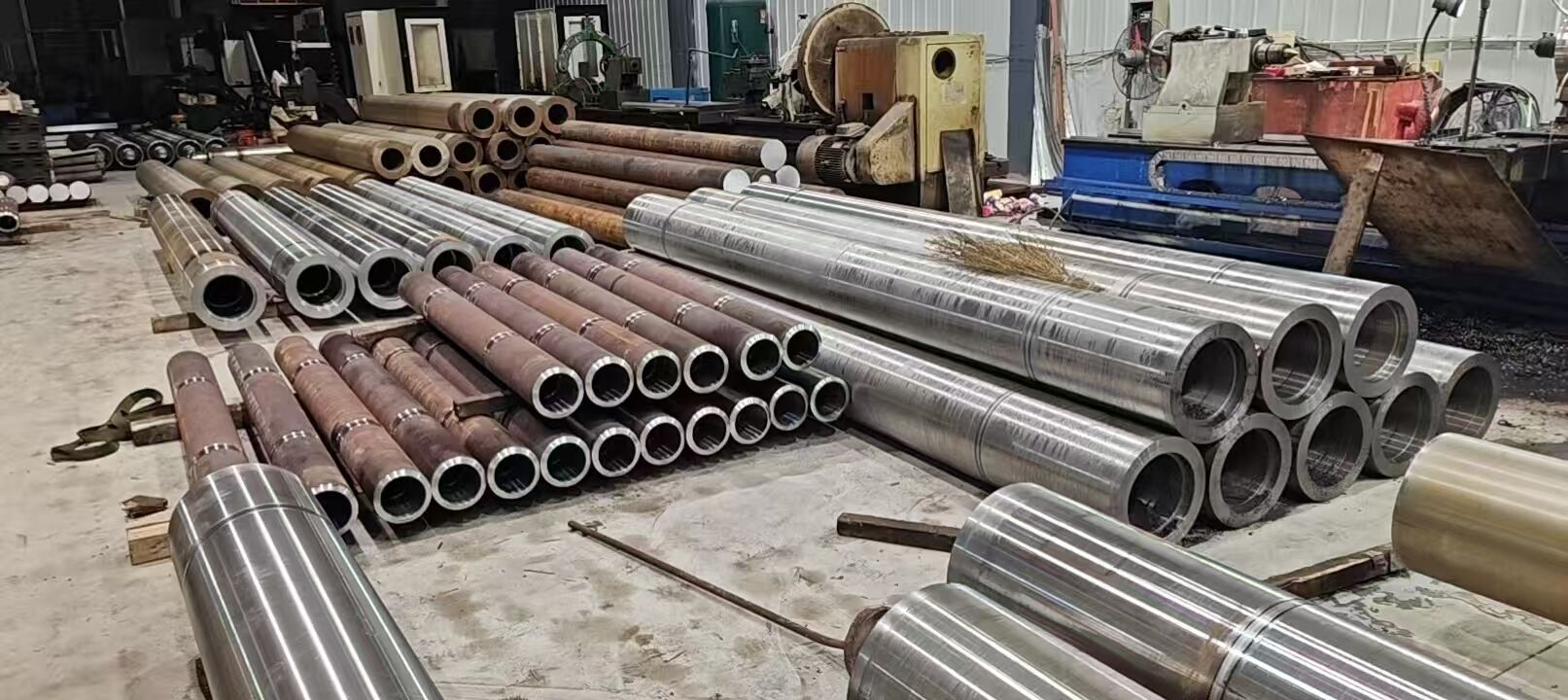
Modern heavy-duty equipment operates under extreme conditions that demand materials capable of withstanding tremendous stress, heat, and wear. Special steel has emerged as the backbone of industrial machinery, providing the exceptional strength and durability required for critical applications. From construction equipment to mining machinery, aerospace components to automotive systems, special steel serves as the fundamental material that ensures reliable performance in the most challenging environments. The unique properties of these advanced metallurgical compositions make them indispensable for manufacturers who cannot afford component failures in mission-critical operations.
Understanding the Composition and Properties of Special Steel
Alloying Elements That Define Performance
Special steel achieves its superior characteristics through carefully controlled alloying processes that introduce specific elements to enhance particular properties. Chromium increases corrosion resistance and hardenability, while nickel improves toughness and provides excellent low-temperature performance. Molybdenum enhances strength at elevated temperatures and improves hardenability, making it essential for components exposed to thermal cycling. These alloying elements work synergistically to create materials that far exceed the capabilities of standard carbon steels in demanding applications.
The precise control of carbon content in special steel formulations allows engineers to balance hardness with toughness according to specific application requirements. Higher carbon levels increase hardness and wear resistance, while lower carbon content promotes weldability and formability. Silicon addition improves strength and aids in deoxidation during the manufacturing process, while manganese enhances hardenability and provides desulfurization benefits. This sophisticated metallurgical approach enables the production of materials tailored to exact performance specifications.
Heat Treatment and Microstructural Engineering
The exceptional properties of special steel are further enhanced through advanced heat treatment processes that optimize microstructural characteristics. Quenching and tempering cycles create fine-grained structures that maximize strength while maintaining adequate ductility for heavy-duty applications. Controlled cooling rates during these processes allow for precise manipulation of grain boundaries and phase distributions, resulting in materials with superior fatigue resistance and impact toughness.
Normalization treatments in special steel production ensure uniform properties throughout cross-sections, eliminating weak zones that could lead to premature failure. Stress relief annealing removes residual stresses introduced during manufacturing, while solution treatment and aging processes in precipitation-hardening grades create coherent precipitates that significantly increase strength. These sophisticated thermal processing techniques transform the base alloy into a high-performance material capable of withstanding the extreme demands of heavy-duty equipment operation.
Critical Applications in Heavy Equipment Manufacturing
Engine and Powertrain Components
Heavy-duty engines require special steel components to handle the immense forces and temperatures generated during operation. Crankshafts manufactured from special steel alloys provide the necessary fatigue strength to withstand millions of stress cycles while maintaining dimensional stability. Connecting rods benefit from the superior strength-to-weight ratio of advanced steel compositions, enabling higher power outputs without compromising reliability. The thermal stability of these materials ensures consistent performance even under extreme operating conditions common in industrial applications.
Transmission components rely heavily on special steel for their demanding service requirements. Gear teeth must resist wear while maintaining precise dimensional tolerances, making case-hardened special steel alloys the preferred choice for these applications. Drive shafts and universal joints constructed from high-strength special steel provide the torsional strength needed to transmit power efficiently while resisting fatigue failures that could result in catastrophic equipment downtime.
Structural Framework and Load-Bearing Elements
The structural integrity of heavy-duty equipment depends on special steel components that can support massive loads while resisting deformation. Boom arms in excavators and cranes utilize high-yield-strength steel alloys to maximize lifting capacity while minimizing weight. These components must withstand both static loads and dynamic forces generated during operation, requiring materials with exceptional fatigue resistance and fracture toughness. The weldability of modern special steel grades allows for efficient fabrication of complex structural assemblies.
Track frames and undercarriage components in construction equipment benefit from the wear resistance and impact toughness of specialized steel alloys. These parts operate in harsh environments where abrasion, shock loads, and corrosive conditions are common. Special steel formulations designed for these applications provide extended service life and reduced maintenance requirements, directly impacting equipment productivity and operational costs. The ability to maintain structural integrity under extreme loading conditions makes these materials indispensable for heavy equipment manufacturers.
Manufacturing Processes and Quality Control
Advanced Melting and Refining Techniques
The production of special steel begins with sophisticated melting processes that ensure chemical homogeneity and cleanliness. Electric arc furnaces and induction melting systems provide precise temperature control and atmospheric conditions necessary for producing high-quality alloys. Secondary refining processes such as ladle metallurgy and vacuum degassing remove impurities that could compromise mechanical properties. These advanced techniques result in special steel with minimal inclusions and superior cleanliness levels essential for critical applications.
Continuous casting processes have revolutionized special steel production by eliminating defects associated with traditional ingot casting methods. The controlled solidification environment reduces segregation and improves internal soundness, resulting in more consistent properties throughout the material cross-section. Electromagnetic stirring during casting ensures uniform distribution of alloying elements, while advanced cooling systems control grain structure formation. These technological advances enable the production of special steel with exceptional reliability and performance consistency.
Precision Forming and Machining Operations
Hot forging processes are critical for developing the mechanical properties of special steel components used in heavy-duty applications. Controlled deformation at elevated temperatures refines grain structure and improves directional properties, resulting in superior strength and toughness. Precision forging techniques create near-net-shape components that minimize material waste while achieving tight dimensional tolerances. The flow characteristics of special steel alloys during forging operations allow for complex geometries that optimize stress distribution in service.
Machining operations on special steel require specialized tooling and techniques due to the high strength and work-hardening characteristics of these materials. Advanced cutting tool materials and optimized machining parameters ensure efficient material removal while maintaining surface integrity. The machinability of modern special steel grades has been improved through careful alloy design, enabling cost-effective production of precision components. Quality control measures throughout the machining process ensure dimensional accuracy and surface finish requirements are consistently met.
Economic Impact and Industry Benefits
Lifecycle Cost Advantages
The initial investment in special steel components is offset by significant lifecycle cost advantages that benefit heavy equipment operators. Extended service life reduces replacement frequency and associated downtime costs, while improved reliability minimizes unexpected maintenance events. The superior performance characteristics of special steel enable equipment to operate at higher capacity factors, increasing productivity and revenue generation. These economic benefits justify the premium cost of advanced materials in competitive industrial markets.
Reduced maintenance requirements associated with special steel components translate to lower operational costs and improved equipment availability. The wear resistance and fatigue strength of these materials extend service intervals, reducing labor costs and spare parts inventory requirements. Predictable component behavior allows for condition-based maintenance strategies that optimize resource utilization while ensuring operational safety. The total cost of ownership benefits provided by special steel make it an economically attractive choice for heavy-duty applications.
Performance Enhancement and Competitive Advantage
Equipment manufacturers utilizing special steel gain competitive advantages through improved performance specifications and reliability ratings. Higher power-to-weight ratios achieved with advanced materials enable more capable machines while maintaining transportability requirements. The enhanced durability of special steel components allows for extended warranty periods and improved customer confidence. These market differentiators contribute to increased sales and market share in competitive industrial segments.
Innovation opportunities created by special steel properties enable the development of next-generation equipment designs that were previously impossible with conventional materials. Lighter structures with equivalent or superior strength capabilities improve fuel efficiency and reduce environmental impact. The ability to operate in more extreme conditions expands the addressable market for heavy equipment applications. These technological advances drive industry evolution and create new market opportunities for forward-thinking manufacturers.
Future Developments and Technological Advances
Emerging Alloy Systems and Processing Technologies
Research and development efforts in special steel continue to push the boundaries of material performance through innovative alloy design concepts. Advanced high-strength steel grades incorporate novel strengthening mechanisms that provide exceptional strength while maintaining formability and weldability. Microalloying techniques using small additions of rare elements create fine precipitate structures that enhance mechanical properties without compromising other characteristics. These developments promise even more capable materials for future heavy-duty applications.
Additive manufacturing technologies are beginning to impact special steel component production, enabling complex geometries and optimized designs previously impossible with conventional manufacturing methods. Powder metallurgy advances allow for near-net-shape production of components with superior material properties and reduced waste. Digital manufacturing integration provides real-time quality control and process optimization, ensuring consistent material characteristics. These technological innovations will reshape how special steel components are designed and manufactured in the future.
Sustainability and Environmental Considerations
Environmental sustainability is driving innovation in special steel production and recycling technologies. Advanced melting processes reduce energy consumption while improving material quality, contributing to lower carbon footprints. Recycling technologies for special steel alloys enable closed-loop material flows that minimize waste and reduce raw material consumption. The extended service life of components made from special steel contributes to overall sustainability by reducing replacement frequency and associated environmental impacts.
Life cycle assessment methodologies increasingly influence material selection decisions, favoring special steel grades that provide superior durability and performance. Circular economy principles promote design for recyclability and material recovery at end-of-life. The development of bio-based reducing agents and renewable energy sources for steel production further enhances the environmental profile of special steel. These sustainability initiatives ensure that special steel remains a responsible choice for heavy-duty applications while meeting increasingly stringent environmental regulations.
FAQ
What makes special steel different from regular carbon steel
Special steel differs from regular carbon steel through the addition of specific alloying elements such as chromium, nickel, molybdenum, and vanadium that enhance particular properties like strength, corrosion resistance, and heat resistance. These alloys undergo sophisticated heat treatment processes that create optimized microstructures for specific applications. The controlled composition and processing result in materials with superior mechanical properties, durability, and performance characteristics compared to standard carbon steels.
How does special steel improve heavy equipment reliability
Special steel improves heavy equipment reliability by providing superior fatigue resistance, wear resistance, and strength characteristics that prevent premature component failures. The enhanced material properties allow components to withstand higher loads and more severe operating conditions while maintaining dimensional stability. The consistent quality and performance of special steel reduce variability in component behavior, leading to more predictable maintenance schedules and reduced unexpected downtime events.
What are the key considerations when selecting special steel grades
Key considerations for selecting special steel grades include the specific loading conditions, operating temperature range, corrosion environment, and required mechanical properties for the application. Factors such as hardenability, weldability, machinability, and heat treatment response must be evaluated based on manufacturing requirements. Cost considerations including material price, processing requirements, and lifecycle benefits should be balanced against performance requirements to optimize the overall value proposition.
How do quality standards ensure special steel performance
Quality standards for special steel ensure performance through rigorous testing requirements, chemical composition controls, and mechanical property specifications that must be met during production. International standards such as ASTM, AISI, and ISO provide standardized testing methods and acceptance criteria that guarantee material consistency. Certification processes require comprehensive documentation and traceability that enables quality verification throughout the supply chain, ensuring that components meet specified performance requirements in service applications.