
 EN
EN
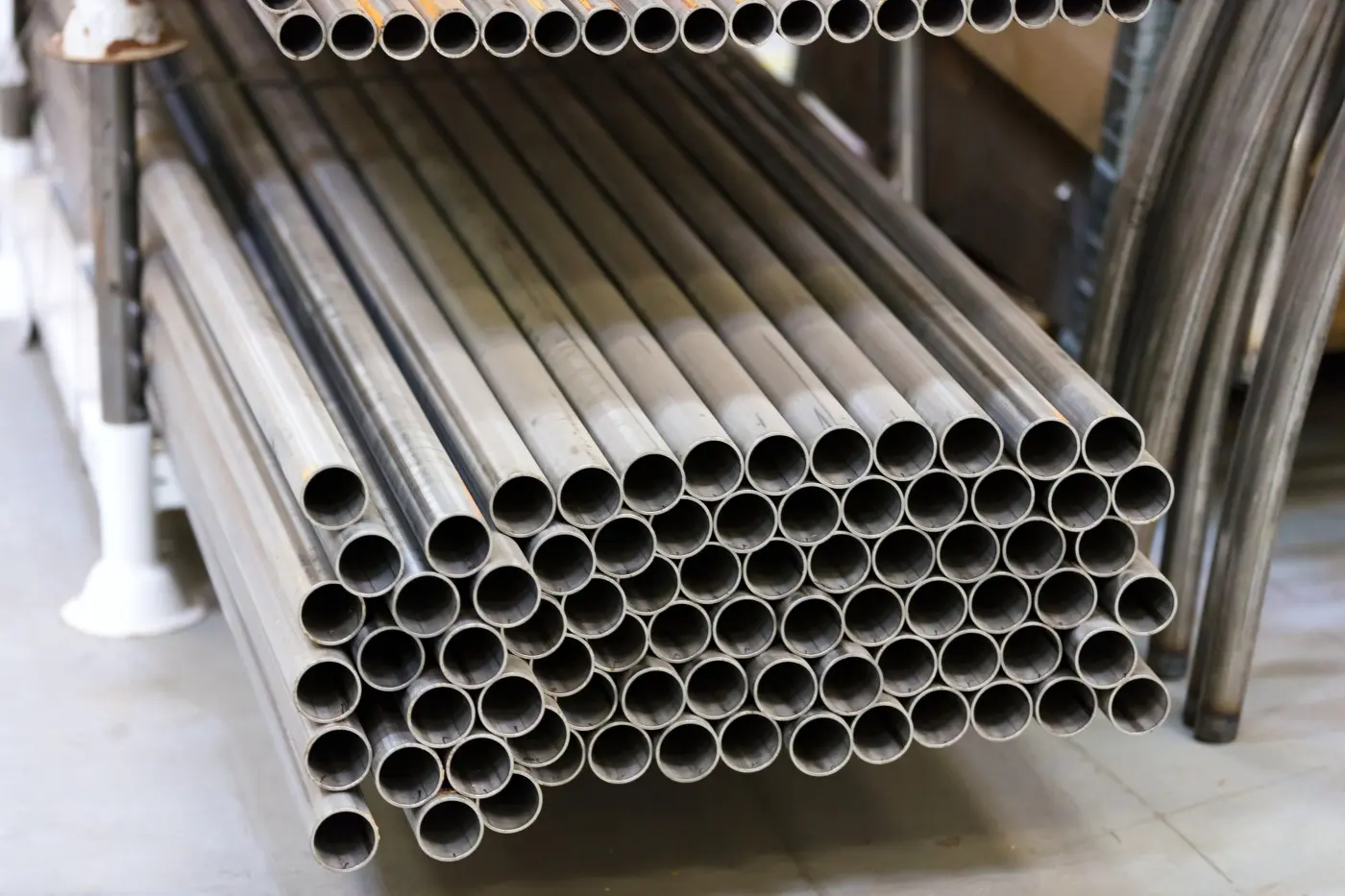
Steel pipes form the backbone of modern infrastructure, from water distribution systems to oil and gas transportation networks. Understanding how steel pipes are manufactured provides valuable insight into the engineering precision and industrial processes that create these essential components. The manufacturing of steel pipes involves sophisticated techniques that ensure durability, strength, and reliability across diverse applications in construction, energy, and industrial sectors.
Raw Material Preparation and Steel Production
Iron Ore Processing and Steel Making
The manufacturing journey of steel pipes begins with the extraction and processing of iron ore. Raw iron ore undergoes beneficiation processes to increase iron content and remove impurities. The prepared ore is then fed into blast furnaces along with coke and limestone, creating molten iron through high-temperature reduction reactions. This molten iron serves as the foundation for steel production, which occurs in basic oxygen furnaces or electric arc furnaces depending on the desired steel grade and composition.
Modern steelmaking incorporates advanced refining techniques to achieve precise chemical compositions required for different types of steel pipes. Secondary refining processes such as ladle metallurgy and vacuum degassing remove unwanted elements while adding specific alloying elements. The resulting liquid steel is continuously cast into billets, blooms, or slabs that serve as the starting material for pipe manufacturing. Quality control measures during this stage ensure consistent material properties that directly impact the performance of finished steel pipes.
Chemical Composition Control
Precise control of chemical composition distinguishes high-quality steel pipes from standard products. Carbon content typically ranges from 0.05% to 0.25% for most structural applications, while alloying elements such as manganese, silicon, and chromium are carefully balanced to achieve desired mechanical properties. Specialized steel pipes may incorporate additional elements like molybdenum, vanadium, or nickel to enhance specific characteristics such as corrosion resistance or high-temperature strength.
Laboratory analysis using spectroscopy and other analytical techniques ensures that each heat of steel meets stringent specifications. This attention to compositional control enables manufacturers to produce steel pipes with predictable performance characteristics suitable for critical applications in petrochemical plants, power generation facilities, and structural engineering projects.
Seamless Steel Pipe Manufacturing Process
Hot Rolling and Piercing Operations
Seamless steel pipes are manufactured through a process that begins with heating steel billets to temperatures exceeding 1200°C in rotary hearth furnaces. The heated billets are then fed into a piercing mill, where a piercing point creates a hollow center while maintaining the structural integrity of the steel. This piercing operation utilizes the Mannesmann effect, where the billet is simultaneously rotated and pushed over a piercing mandrel to form a thick-walled hollow shell.
The pierced billet, now called a bloom, undergoes further processing in plug mills or mandrel mills to achieve the desired wall thickness and diameter. Multiple rolling passes gradually reduce the wall thickness while extending the length of the pipe. Temperature control throughout this process is critical, as it affects grain structure and mechanical properties of the finished steel pipes. Advanced rolling mills incorporate computerized control systems to maintain precise dimensional tolerances and ensure uniform wall thickness distribution.
Sizing and Finishing Operations
After the initial forming process, seamless steel pipes undergo sizing operations to achieve final dimensions and surface quality. Stretch reducing mills apply controlled tension and compression forces to fine-tune the outer diameter and wall thickness. This process also improves the surface finish and dimensional accuracy of steel pipes, making them suitable for precision applications in aerospace, automotive, and hydraulic systems.
Heat treatment processes such as normalizing, annealing, or quenching and tempering may be applied depending on the intended application of the steel pipes. These thermal treatments modify the microstructure to achieve specific mechanical properties such as yield strength, tensile strength, and impact toughness. Final machining operations, including end beveling and threading, prepare the steel pipes for installation and connection in piping systems.
Welded Steel Pipe Production Methods
Electric Resistance Welding Process
Welded steel pipes are manufactured from flat steel strips or coils that are formed into cylindrical shapes and joined along a longitudinal seam. Electric resistance welding (ERW) represents one of the most common welding methods for producing steel pipes. In this process, steel strip is continuously fed through forming rolls that gradually shape it into a circular cross-section. High-frequency electrical current creates resistance heating at the edges, allowing them to fuse together under pressure from squeeze rolls.
The ERW process enables rapid production of steel pipes with consistent weld quality and minimal heat-affected zone. Automated welding systems monitor current, voltage, and welding speed to maintain optimal welding parameters throughout the production run. Post-welding operations include weld bead removal, sizing, and straightening to ensure that welded steel pipes meet dimensional and surface quality requirements comparable to seamless alternatives.
Submerged Arc Welding Applications
Large-diameter steel pipes often utilize submerged arc welding (SAW) for longitudinal and spiral seam welding. This process involves feeding steel plate through forming machines that create helical or straight seam configurations. Submerged arc welding provides deep penetration and high-quality welds suitable for high-pressure applications in oil and gas pipelines.
The SAW process uses granular flux that covers the welding arc, protecting the molten metal from atmospheric contamination while providing additional alloying elements. Multiple welding passes may be required for thick-wall steel pipes, with each pass carefully controlled to prevent defects such as lack of fusion or porosity. Advanced welding systems incorporate real-time monitoring and adaptive control to maintain consistent weld quality across varying material conditions and production speeds.
Quality Control and Testing Procedures
Non-Destructive Testing Methods
Quality assurance in steel pipe manufacturing relies heavily on non-destructive testing (NDT) methods that evaluate material integrity without damaging the product. Ultrasonic testing represents the primary method for detecting internal defects such as inclusions, laminations, or weld discontinuities in steel pipes. Automated ultrasonic systems scan the entire length and circumference of each pipe, providing comprehensive coverage and reliable defect detection capabilities.
Magnetic particle inspection and penetrant testing complement ultrasonic methods by detecting surface defects that might compromise the performance of steel pipes. Eddy current testing is particularly effective for evaluating wall thickness uniformity and detecting near-surface defects in both seamless and welded steel pipes. These testing methods ensure that only pipes meeting strict quality standards reach end users in critical applications.
Mechanical Property Verification
Mechanical testing validates that steel pipes possess the strength and ductility required for their intended applications. Tensile testing determines yield strength, ultimate tensile strength, and elongation properties using standardized test specimens cut from the pipe wall. Impact testing, particularly Charpy V-notch testing, evaluates the toughness of steel pipes at various temperatures, which is crucial for applications in cold climates or cryogenic services.
Hardness testing provides additional verification of material properties and heat treatment effectiveness. Hydrostatic testing applies internal pressure to steel pipes to verify their ability to withstand operating pressures safely. This testing typically involves pressurizing pipes to levels significantly higher than their intended working pressure, ensuring adequate safety margins for field applications.
Surface Treatment and Coating Applications
Protective Coating Systems
Surface treatment plays a crucial role in extending the service life of steel pipes exposed to corrosive environments. External coatings such as fusion-bonded epoxy, polyethylene, or polyurethane provide barrier protection against soil corrosion, chemical exposure, and mechanical damage. The application process begins with surface preparation, including blast cleaning to remove mill scale and contaminants that could compromise coating adhesion.
Internal coatings may be applied to steel pipes intended for potable water service or chemical transport applications. Cement mortar linings provide excellent protection against internal corrosion while maintaining smooth flow characteristics. Epoxy and polyurethane linings offer superior chemical resistance for specialized applications involving aggressive fluids or high-temperature services.
Galvanizing and Metallization Processes
Hot-dip galvanizing provides long-term corrosion protection for steel pipes through the application of zinc coatings. The galvanizing process involves immersing cleaned steel pipes in molten zinc at temperatures around 450°C, creating metallurgical bonds between the zinc and steel substrate. This process is particularly effective for steel pipes used in outdoor applications or marine environments where atmospheric corrosion is a primary concern.
Thermal spray metallization offers an alternative coating method for large-diameter steel pipes or field-applied protection systems. Zinc or aluminum wire is melted in a spray gun and applied to the prepared steel surface, creating a sacrificial coating that protects the underlying steel through galvanic action. These coating systems can be combined with organic topcoats to provide enhanced protection for steel pipes in severely corrosive environments.
FAQ
What is the difference between seamless and welded steel pipes?
Seamless steel pipes are manufactured from solid steel billets that are heated and pierced to create a hollow center, resulting in a pipe with no longitudinal weld seam. Welded steel pipes are formed from steel strips or plates that are shaped into cylindrical form and joined with a longitudinal weld. Seamless pipes typically offer superior strength properties and are preferred for high-pressure applications, while welded pipes are more cost-effective for lower-pressure services and larger diameter requirements.
How do manufacturers ensure consistent wall thickness in steel pipes?
Manufacturers use advanced rolling mill technology with computerized control systems to maintain precise wall thickness during the forming process. Ultrasonic wall thickness gauging systems continuously monitor wall thickness variations during production, allowing real-time adjustments to rolling parameters. Quality control procedures include statistical process control and regular calibration of measuring equipment to ensure that steel pipes meet specified dimensional tolerances consistently.
What factors determine the mechanical properties of steel pipes?
The mechanical properties of steel pipes are primarily determined by chemical composition, manufacturing process parameters, and heat treatment conditions. Carbon content affects strength and hardness, while alloying elements influence specific properties such as corrosion resistance or high-temperature performance. Hot working temperature, cooling rate, and post-manufacturing heat treatment all contribute to the final grain structure and mechanical characteristics of steel pipes.
How are steel pipes tested for quality assurance?
Steel pipes undergo comprehensive testing including chemical analysis, mechanical property verification, dimensional inspection, and non-destructive testing methods such as ultrasonic examination. Hydrostatic pressure testing validates structural integrity, while surface inspection ensures coating quality and freedom from defects. Testing procedures follow international standards such as ASTM, API, or EN specifications to ensure consistent quality and performance reliability of steel pipes across different applications and industries.