
 EN
EN
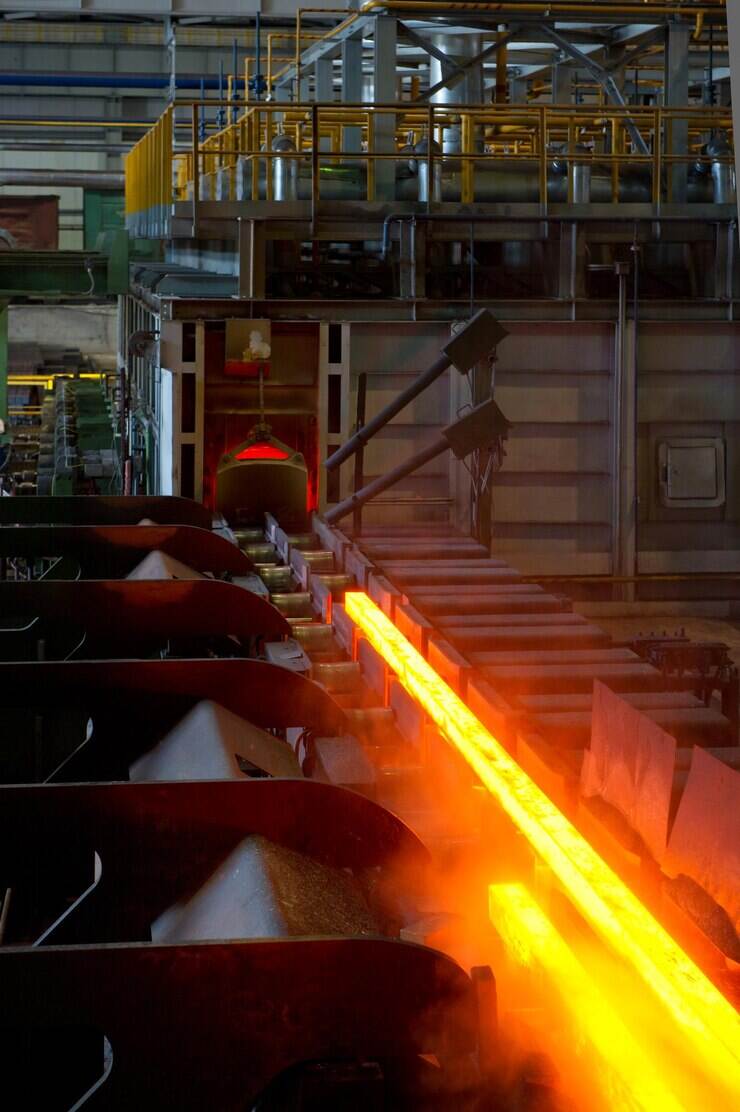
Tool steel represents one of the most specialized categories of steel alloys, engineered specifically for manufacturing cutting tools, dies, and precision components that demand exceptional performance under extreme conditions. Unlike conventional carbon steels, tool steel incorporates carefully balanced alloying elements that deliver superior hardness, wear resistance, and thermal stability. These unique properties make tool steel indispensable across industries ranging from automotive manufacturing to aerospace production, where precision and durability are paramount. The development of modern tool steel grades has revolutionized manufacturing capabilities, enabling the creation of complex components that would be impossible to produce with ordinary steel materials. Understanding what makes tool steel unique requires examining its composition, heat treatment characteristics, and specialized applications that set it apart from other steel varieties.
Compositional Excellence of Tool Steel
Alloying Elements That Define Performance
The unique properties of tool steel stem from its sophisticated alloying composition, which typically includes chromium, vanadium, tungsten, molybdenum, and cobalt in precise proportions. Chromium content in tool steel ranges from 1% to 18%, providing enhanced hardenability and corrosion resistance while maintaining the steel's ability to achieve extreme hardness levels. Vanadium additions, often between 0.5% and 5%, contribute to grain refinement and carbide formation, resulting in superior wear resistance and edge retention capabilities. These alloying elements work synergistically to create a microstructure that can withstand the demanding conditions encountered in precision machining and forming operations.
Tungsten and molybdenum serve as primary contributors to tool steel's high-temperature performance characteristics. Tungsten-bearing tool steels maintain their hardness even at elevated temperatures, making them ideal for high-speed cutting applications where conventional steels would soften and fail. Molybdenum enhances hardenability while providing resistance to temper embrittlement, ensuring that tool steel maintains its mechanical properties throughout extended service periods. The precise balance of these elements determines the specific grade characteristics and intended applications for different tool steel varieties.
Carbon Content and Microstructural Development
Carbon content in tool steel typically ranges from 0.6% to 2.3%, significantly higher than most structural steels, enabling the formation of hard carbide phases that provide exceptional wear resistance. The interaction between carbon and alloying elements during heat treatment creates complex carbide structures that define the performance characteristics of different tool steel grades. High-carbon tool steels develop fine, uniformly distributed carbides that enhance cutting performance and dimensional stability under load. This carbon-rich composition allows tool steel to achieve hardness levels exceeding 60 HRC while maintaining sufficient toughness for demanding applications.
The microstructural evolution during heat treatment transforms the initial annealed structure into a highly refined martensitic matrix with embedded carbide particles. This transformation process is carefully controlled to optimize the balance between hardness and toughness, ensuring that tool steel components can withstand both compressive and impact loads. The resulting microstructure exhibits exceptional dimensional stability, minimal distortion during heat treatment, and superior surface finish capabilities that are essential for precision tooling applications.
Heat Treatment Characteristics and Processing
Hardening and Tempering Processes
Tool steel exhibits unique heat treatment responses that distinguish it from conventional steel grades, requiring precise temperature control and specific cooling rates to achieve optimal properties. The hardening process for tool steel involves heating to temperatures typically ranging from 1800°F to 2200°F, depending on the specific grade and desired hardness level. During this critical phase, the steel's microstructure transforms from its annealed condition to a fully hardened martensitic state, achieving maximum hardness and wear resistance. The cooling rate and quenching medium must be carefully selected to prevent cracking while ensuring complete transformation throughout the cross-section.
Tempering follows the hardening process to reduce brittleness while maintaining the high hardness essential for tool applications. Tool steel tempering temperatures typically range from 300°F to 1200°F, with the specific temperature determining the final balance of hardness and toughness. Multiple tempering cycles are often employed to achieve optimal stress relief and dimensional stability. This sophisticated heat treatment capability allows tool steel to be customized for specific applications, from delicate precision instruments requiring maximum hardness to heavy-duty forming dies needing enhanced toughness and impact resistance.
Dimensional Stability and Distortion Control
One of the most remarkable characteristics of quality tool steel is its exceptional dimensional stability during heat treatment, minimizing the distortion that would render precision components unusable. This stability results from the steel's homogeneous composition and controlled carbide distribution, which reduces internal stresses during heating and cooling cycles. Advanced tool steel grades maintain tolerances within 0.0002 inches per inch during heat treatment, enabling the production of complex geometries without extensive post-processing operations. The predictable behavior during thermal processing makes tool steel ideal for manufacturing critical components where dimensional accuracy is paramount.
Vacuum heat treatment and controlled atmosphere processing further enhance the dimensional stability of tool steel components by preventing decarburization and oxidation. These advanced processing techniques ensure that surface properties remain consistent with core characteristics, eliminating the need for extensive machining allowances. The combination of compositional excellence and controlled processing environments enables tool steel to achieve surface finishes and dimensional accuracies that would be impossible with conventional steel materials.
Performance Advantages in Industrial Applications
Wear Resistance and Service Life
The exceptional wear resistance of tool steel stems from its unique combination of high hardness and specialized carbide formation, enabling extended service life in abrasive environments. Tool steel components routinely achieve wear rates that are 10 to 50 times lower than conventional steel materials, translating to significant cost savings through reduced replacement frequency and improved production efficiency. The carbide particles distributed throughout the tool steel matrix act as micro-cutting elements that resist abrasive wear while maintaining sharp cutting edges throughout extended operating periods.
Advanced tool steel grades incorporate specialized carbide formers that create extremely hard secondary phases, further enhancing wear resistance in demanding applications. These carbides, primarily based on vanadium, tungsten, and chromium compounds, exhibit hardness levels exceeding 2000 HV, providing superior protection against abrasive wear mechanisms. The uniform distribution of these wear-resistant phases ensures consistent performance across the entire component surface, eliminating premature failure due to localized wear patterns.
High-Temperature Performance and Thermal Stability
Tool steel maintains its mechanical properties at elevated temperatures where conventional steels would experience significant softening and strength reduction. High-speed tool steel grades retain cutting ability at temperatures exceeding 1000°F, enabling high-speed machining operations that dramatically increase productivity. The thermal stability of tool steel results from specialized alloying elements that form thermally stable carbides and maintain microstructural integrity under thermal cycling conditions.
The coefficient of thermal expansion in tool steel is carefully controlled through compositional design, minimizing thermal distortion in precision applications. This thermal stability enables tool steel components to maintain dimensional accuracy throughout temperature variations that would cause significant dimensional changes in ordinary steel materials. The combination of thermal stability and high-temperature strength makes tool steel essential for applications involving elevated operating temperatures or severe thermal cycling conditions.
Specialized Grades and Applications
Cold Work Tool Steel Applications
Cold work tool steel grades are specifically designed for applications involving room temperature forming, cutting, and shaping operations where impact toughness and wear resistance are critical. These specialized grades typically contain 0.9% to 2.3% carbon with chromium additions up to 12%, creating a microstructure optimized for cold working conditions. The balanced composition provides excellent edge retention in cutting applications while maintaining sufficient toughness to resist chipping and cracking under impact loads. Cold work tool steel finds extensive use in manufacturing punches, dies, shear blades, and forming tools where precision and durability are essential.
The microstructural characteristics of cold work tool steel include fine, uniformly distributed carbides that provide superior wear resistance while maintaining workability during manufacturing operations. These grades exhibit exceptional dimensional stability during heat treatment, enabling the production of complex die geometries with minimal distortion. The combination of hardness and toughness in cold work tool steel allows for the creation of intricate tooling that can withstand millions of forming cycles while maintaining dimensional accuracy and surface finish quality.
Hot Work and High-Speed Applications
Hot work tool steel grades are engineered for applications involving elevated temperatures, thermal cycling, and high-stress conditions typically encountered in forging, extrusion, and die-casting operations. These specialized compositions include significant additions of chromium, vanadium, tungsten, and molybdenum to provide thermal fatigue resistance and maintain hardness at operating temperatures exceeding 1000°F. The unique alloying approach in hot work tool steel creates a microstructure that resists thermal softening while maintaining dimensional stability under extreme thermal cycling conditions.
High-speed tool steel represents the pinnacle of cutting tool technology, incorporating cobalt additions and specialized carbide formers to maintain cutting performance at extremely high operating speeds. These advanced grades retain hardness levels above 60 HRC at temperatures where conventional tool materials would completely soften, enabling cutting speeds that increase productivity by factors of 5 to 10. The thermal stability and wear resistance of high-speed tool steel have revolutionized manufacturing processes across industries, enabling the efficient production of complex components that would be economically unfeasible with conventional tooling materials.
Quality Standards and Certification
International Standards and Specifications
Tool steel production adheres to rigorous international standards that ensure consistent quality and performance characteristics across different manufacturing sources. The American Iron and Steel Institute (AISI) classification system provides standardized designations for tool steel grades, with each designation indicating specific compositional ranges and intended applications. European standards, including DIN and EN specifications, provide additional quality frameworks that emphasize dimensional tolerances, surface finish requirements, and mechanical property verification. These comprehensive standards ensure that tool steel meets the demanding requirements of precision manufacturing applications regardless of the production source.
Quality certification processes for tool steel include extensive testing protocols that verify chemical composition, mechanical properties, and microstructural characteristics. Advanced analytical techniques, including spectroscopic analysis and metallographic examination, ensure that each tool steel grade meets its specified performance parameters. The certification process includes dimensional inspection, hardness verification, and specialized testing for properties such as wear resistance and thermal stability. These rigorous quality control measures guarantee that tool steel components will perform consistently in demanding industrial applications.
Manufacturing Excellence and Process Control
Modern tool steel production incorporates advanced manufacturing processes that ensure exceptional quality and consistency throughout the production cycle. Electric arc furnace melting combined with ladle refining processes creates homogeneous compositions with minimal inclusions and impurities. Vacuum degassing and controlled cooling procedures eliminate internal defects that could compromise tool performance during service. The manufacturing process includes multiple inspection points and quality verification steps that ensure each tool steel product meets or exceeds specified requirements.
Process control in tool steel manufacturing extends beyond basic melting and casting operations to include specialized forming, heat treatment, and finishing processes. Computer-controlled heat treatment facilities ensure precise temperature profiles and cooling rates that optimize microstructural development and mechanical properties. Advanced surface treatment processes, including coating applications and surface hardening techniques, further enhance the performance capabilities of tool steel components. The integration of quality management systems throughout the manufacturing process ensures that tool steel products deliver consistent performance in the most demanding applications.
Economic Benefits and Cost Effectiveness
Lifecycle Cost Analysis
While tool steel typically commands premium pricing compared to conventional steel materials, its superior performance characteristics often result in significant cost savings over the component lifecycle. The extended service life of tool steel components reduces replacement frequency, minimizing both material costs and production downtime associated with tooling changes. Tool steel's exceptional wear resistance enables the production of thousands or millions of parts before replacement becomes necessary, distributing the initial tooling cost across a much larger production volume. This cost distribution makes tool steel economically advantageous for high-volume manufacturing operations where tooling costs represent a significant portion of total production expenses.
The dimensional stability and precision capabilities of tool steel eliminate many secondary operations that would be required with conventional materials, reducing overall manufacturing costs. Components produced with tool steel tooling often require minimal finishing operations, reducing labor costs and improving production throughput. The consistent performance of tool steel throughout its service life ensures predictable production costs and eliminates the variability associated with frequent tooling replacements and adjustments.
Productivity Enhancement and Manufacturing Efficiency
Tool steel enables manufacturing processes to operate at higher speeds and feeds than would be possible with conventional tooling materials, directly increasing productivity and reducing per-part costs. The superior cutting performance and wear resistance of tool steel allow for aggressive machining parameters that can reduce cycle times by 30% to 50% compared to standard tooling. High-speed tool steel grades enable cutting speeds that were previously impossible, opening new possibilities for efficient production of complex components that would be economically unfeasible with conventional materials.
The reliability and consistency of tool steel performance reduces unscheduled downtime and improves overall equipment effectiveness in manufacturing operations. Predictable tool life and performance characteristics enable better production planning and inventory management, reducing the costs associated with emergency tooling replacements and production delays. The combination of enhanced performance and improved reliability makes tool steel an essential component in lean manufacturing strategies that emphasize efficiency, quality, and cost reduction.
FAQ
What is the difference between tool steel and regular carbon steel?
Tool steel differs from regular carbon steel primarily in its alloying composition and intended applications. While regular carbon steel typically contains 0.3% to 0.8% carbon with minimal alloying additions, tool steel contains 0.6% to 2.3% carbon along with significant amounts of chromium, vanadium, tungsten, molybdenum, and other alloying elements. These additional elements enable tool steel to achieve much higher hardness levels (typically 58-68 HRC) compared to regular carbon steel (usually 20-50 HRC). Tool steel also exhibits superior wear resistance, dimensional stability, and the ability to maintain hardness at elevated temperatures, making it specifically designed for cutting, forming, and precision tooling applications where regular carbon steel would fail.
How does tool steel maintain its hardness at high temperatures?
Tool steel maintains hardness at high temperatures through specialized alloying elements that form thermally stable carbides and prevent microstructural degradation. Elements like tungsten, molybdenum, and vanadium create carbide phases that resist dissolution and coarsening even at temperatures exceeding 1000°F. These carbides act as reinforcing particles that maintain the steel's hardness and strength when the martensitic matrix begins to soften. Additionally, the balanced alloy composition creates a microstructure that resists tempering effects and thermal softening, allowing tool steel to retain cutting ability and wear resistance at operating temperatures where conventional steels would completely lose their hardness and become ineffective.
What heat treatment processes are required for tool steel?
Tool steel requires carefully controlled heat treatment processes including annealing, hardening, and tempering to achieve optimal properties. The process begins with annealing to soften the steel for machining, followed by hardening which involves heating to 1800-2200°F and rapid cooling to achieve maximum hardness. Tempering follows at temperatures ranging from 300-1200°F to reduce brittleness while maintaining high hardness. Many tool steel grades require multiple tempering cycles to achieve dimensional stability and stress relief. Vacuum or controlled atmosphere processing is often employed to prevent decarburization and ensure consistent surface properties. The specific temperature ranges and cooling rates depend on the tool steel grade and intended application requirements.
Why is tool steel more expensive than other steel types?
Tool steel commands premium pricing due to its complex alloying composition, specialized manufacturing processes, and rigorous quality control requirements. The high content of expensive alloying elements like tungsten, vanadium, cobalt, and molybdenum significantly increases raw material costs compared to simple carbon steels. Manufacturing tool steel requires advanced melting techniques, precise compositional control, and specialized heat treatment processes that add considerable processing costs. Additionally, tool steel production involves extensive quality testing, certification procedures, and tighter tolerances that increase manufacturing complexity and cost. However, the superior performance, extended service life, and productivity benefits of tool steel often result in lower total cost of ownership despite the higher initial investment, making it economically justified for demanding applications.