
 EN
EN
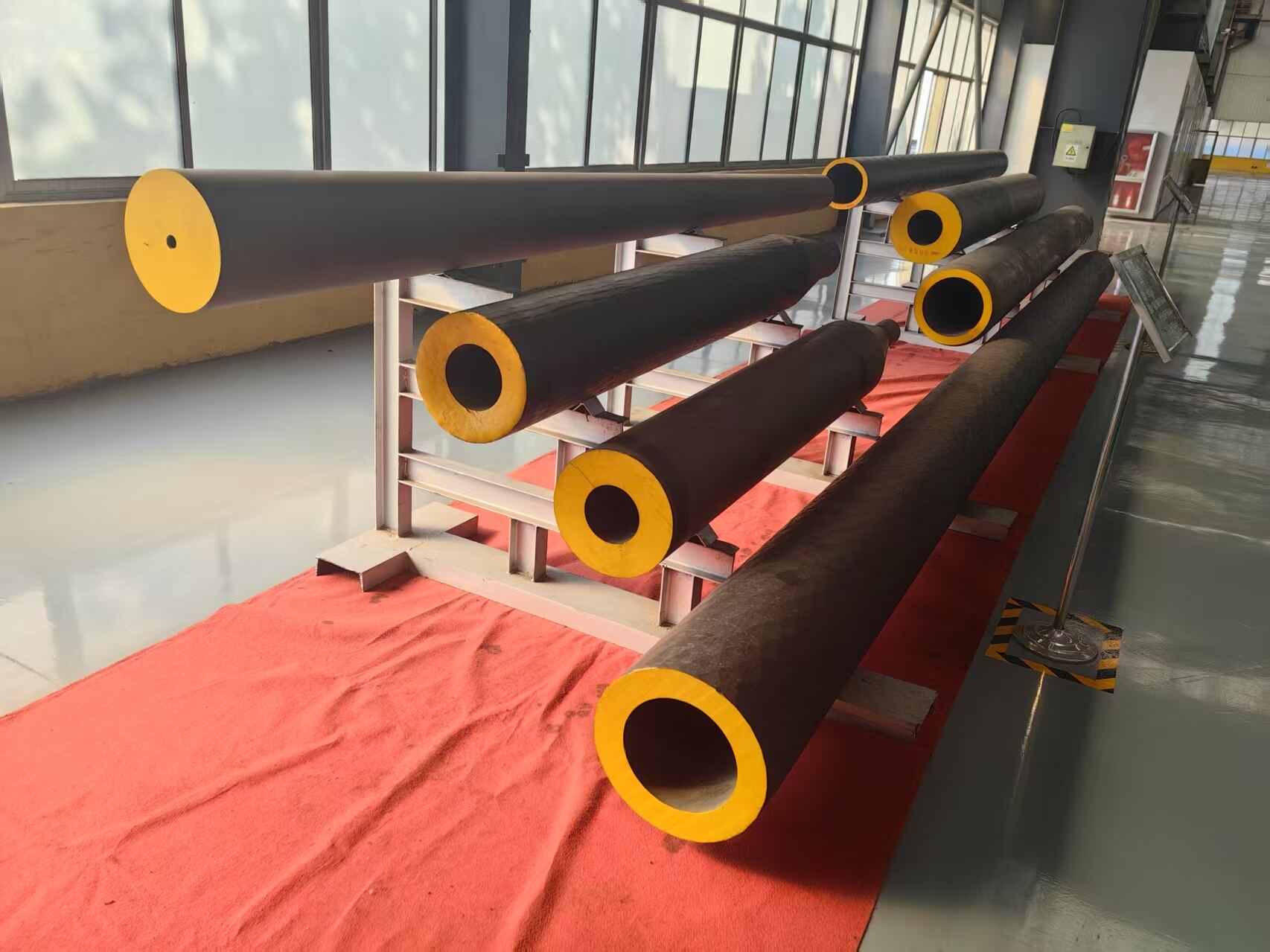
Manufacturing professionals and metalworking engineers frequently encounter the critical decision between tool steel vs high speed steel when selecting materials for cutting tools, dies, and precision components. Understanding the fundamental differences between these steel grades directly impacts production efficiency, tool longevity, and overall manufacturing costs. Both materials serve essential roles in industrial applications, yet their distinct chemical compositions and performance characteristics make them suitable for different operational requirements.
The selection process between these steel types involves careful consideration of factors including operating temperatures, cutting speeds, wear resistance requirements, and cost constraints. Modern manufacturing demands increasingly sophisticated material solutions, making the choice between tool steel vs high speed steel more complex than ever before. This comprehensive analysis examines the technical specifications, applications, and performance characteristics that distinguish these two critical steel categories in contemporary industrial environments.
Chemical Composition and Microstructure
Tool Steel Composition Fundamentals
Traditional tool steels encompass a broad category of carbon and alloy steels specifically engineered for tooling applications. The carbon content typically ranges from 0.5% to 1.5%, providing the foundation for hardness and wear resistance. Common alloying elements include chromium, tungsten, molybdenum, and vanadium, each contributing specific properties to the final material characteristics. The microstructure of tool steels consists primarily of martensite after heat treatment, with carbide particles distributed throughout the matrix for enhanced wear resistance.
The versatility of tool steel compositions allows manufacturers to optimize properties for specific applications. Water-hardening tool steels contain minimal alloy content, relying primarily on carbon for hardness development. Oil-hardening grades incorporate chromium and tungsten for improved hardenability and toughness. Air-hardening tool steels feature higher alloy content, enabling uniform hardening in larger sections while maintaining dimensional stability during heat treatment processes.
High Speed Steel Alloy Systems
High speed steels represent a specialized subset of tool steels optimized for high-temperature cutting operations. The defining characteristic of high speed steel lies in its ability to maintain hardness at elevated temperatures, typically achieved through substantial tungsten and molybdenum additions. Standard M-series high speed steels contain 6-10% molybdenum, 1.5-4% tungsten, and 4% chromium, creating a complex carbide structure that resists thermal softening.
T-series high speed steels utilize tungsten as the primary hardening element, with concentrations reaching 12-18% in some grades. The microstructure of high speed steels features a tempered martensitic matrix containing MC, M6C, and M23C6 carbides. These carbides provide the thermal stability that distinguishes high speed steel performance from conventional tool steels. The complex carbide chemistry enables cutting tools to operate at significantly higher speeds while maintaining sharp cutting edges.
Hardness and Heat Treatment Response
Tool Steel Hardening Characteristics
The hardening behavior of tool steels varies significantly across different grades, influenced by carbon content and alloy composition. Simple carbon tool steels achieve maximum hardness around 65 HRC but require rapid quenching to prevent pearlite formation. This rapid cooling often introduces distortion and cracking risks, particularly in complex geometries. Oil-hardening tool steels provide more controlled cooling rates, reducing distortion while achieving hardness levels between 58-62 HRC.
Air-hardening tool steels offer superior dimensional stability during heat treatment, cooling slowly enough to minimize thermal stress while achieving adequate hardness. The hardenability of these steels enables uniform hardening in thick sections, making them ideal for large dies and forming tools. Tempering temperatures typically range from 150-600°C, allowing precise control over the hardness-toughness balance according to application requirements.
High Speed Steel Heat Treatment Complexity
High speed steel heat treatment involves more complex procedures compared to conventional tool steels. The austenitizing temperature ranges from 1200-1250°C, significantly higher than most tool steels, to dissolve the complex carbide structure. This high-temperature treatment requires precise atmospheric control to prevent decarburization and grain growth. The quenching process must be carefully managed to achieve the desired balance of retained austenite and martensite formation.
Multiple tempering cycles are essential for high speed steel optimization, typically performed at temperatures between 540-580°C. Each tempering cycle transforms retained austenite to martensite while precipitating secondary carbides that enhance hot hardness. This process, known as secondary hardening, can actually increase the steel's hardness above as-quenched levels. The final hardness typically ranges from 62-67 HRC, maintaining stability at cutting temperatures exceeding 600°C.
Performance Characteristics and Applications
Tool Steel Application Domains
Tool steels excel in applications requiring high compressive strength, wear resistance, and dimensional accuracy at moderate operating temperatures. Cold forming dies represent a primary application area where tool steel vs high speed steel selection often favors traditional tool steel grades. Punches, dies, and forming tools benefit from the superior toughness and lower cost of conventional tool steels when high-temperature performance is not required.
Measuring instruments, gauges, and precision components utilize tool steels for their dimensional stability and fine grain structure. The ability to achieve mirror-like surface finishes makes certain tool steel grades ideal for injection molding dies and optical component manufacturing. Woodworking tools, hand tools, and agricultural implements frequently employ tool steels due to their excellent edge retention and relatively simple heat treatment requirements.
High Speed Steel Cutting Applications
High speed steels dominate applications involving elevated temperatures and high cutting speeds. Metal cutting tools including drills, end mills, taps, and broaches utilize high speed steel for its exceptional hot hardness retention. The material maintains cutting ability at temperatures where conventional tool steels would soften and lose effectiveness. Saw blades for metal cutting applications benefit from high speed steel's ability to withstand the heat generated during continuous cutting operations.
Gear cutting tools, hobs, and shapers rely on high speed steel for manufacturing precision gears in various materials. The combination of wear resistance and thermal stability enables these tools to maintain accuracy throughout extended production runs. Threading tools and form tools utilize high speed steel when producing components in difficult-to-machine materials that generate significant heat during cutting operations.
Cost Analysis and Economic Considerations
Material Cost Factors
The economic evaluation of tool steel vs high speed steel involves multiple cost components beyond initial material pricing. High speed steels typically command premium prices due to their complex alloy content, particularly tungsten and molybdenum additions. These strategic materials experience price volatility based on global supply conditions, directly impacting high speed steel costs. Tool steels generally offer more stable pricing due to simpler alloy compositions and broader raw material availability.
Manufacturing costs differ significantly between these steel types, with high speed steels requiring more sophisticated heat treatment equipment and longer processing cycles. The higher austenitizing temperatures and multiple tempering operations increase energy consumption and processing time. Tool steels often utilize simpler heat treatment procedures, reducing manufacturing overhead and making them attractive for cost-sensitive applications where high-temperature performance is not essential.
Total Cost of Ownership
Long-term economic analysis reveals that high speed steels may offer superior value in high-production applications despite higher initial costs. The extended tool life achieved through superior wear resistance and thermal stability reduces replacement frequency and machine downtime. In contrast, tool steels may provide better economic value for applications with moderate production volumes or where initial cost constraints are paramount.
Productivity considerations significantly influence the overall economic equation when evaluating tool steel vs high speed steel options. High speed steels enable faster cutting speeds and feeds, increasing production rates and reducing per-part manufacturing costs. However, this advantage must be weighed against the higher tooling investment and more complex tool management requirements associated with premium steel grades.
Selection Criteria and Decision Framework
Operating Temperature Requirements
Temperature resistance serves as the primary distinguishing factor when choosing between tool steel vs high speed steel for specific applications. Operating temperatures below 200°C typically favor conventional tool steels, which provide adequate performance at lower material costs. Applications generating temperatures between 200-400°C require careful evaluation of both steel types, considering factors such as exposure duration and required tool life.
High-temperature applications exceeding 400°C almost universally require high speed steel grades to maintain hardness and cutting ability. The thermal stability of high speed steels becomes increasingly valuable as operating temperatures approach 600°C, where conventional tool steels experience significant hardness loss. Intermittent versus continuous exposure to elevated temperatures also influences steel selection, with high speed steels showing superior performance under sustained high-temperature conditions.
Mechanical Property Requirements
The mechanical property profile required for specific applications guides the selection process between these steel categories. Applications demanding maximum toughness and impact resistance often favor certain tool steel grades over high speed steels. Conversely, situations requiring superior wear resistance at elevated temperatures necessitate high speed steel selection despite potentially lower toughness values.
Cutting edge geometry and loading conditions influence the optimal balance between hardness, toughness, and wear resistance. Fine-edge geometries benefit from the superior hardness of high speed steels, while robust geometries subjected to impact loading may perform better with tougher tool steel grades. Understanding these property trade-offs enables informed decisions when evaluating tool steel vs high speed steel alternatives for challenging applications.
Manufacturing and Processing Considerations
Machinability and Fabrication
The machinability characteristics of tool steel vs high speed steel present significant differences that impact manufacturing costs and complexity. Tool steels in the annealed condition generally offer superior machinability, enabling efficient rough machining operations with conventional tooling. The lower alloy content and simpler carbide structure facilitate chip formation and reduce tool wear during pre-hardening machining operations.
High speed steels present greater machining challenges due to their higher alloy content and abrasive carbide particles. Specialized cutting tools and machining parameters are often required to achieve acceptable surface finishes and dimensional accuracy. However, the superior hardness retention of high speed steels enables precision grinding operations to achieve final dimensions and surface quality requirements that may be difficult to attain with softer tool steel grades.
Heat Treatment Infrastructure
The heat treatment requirements for these steel types demand different furnace capabilities and atmospheric control systems. Tool steels typically require conventional heat treatment equipment with temperature capabilities up to 1000°C and standard quenching media. This accessibility makes tool steel heat treatment feasible for smaller manufacturers without specialized high-temperature equipment.
High speed steel processing demands high-temperature furnaces capable of reaching 1250°C with precise temperature uniformity and atmospheric control. The multiple tempering cycles require consistent temperature control and extended processing times. Many manufacturers outsource high speed steel heat treatment to specialized facilities, adding complexity and lead time to the manufacturing process while ensuring optimal material properties.
FAQ
What is the main difference between tool steel vs high speed steel in terms of temperature resistance?
The primary difference lies in thermal stability at elevated temperatures. Tool steels maintain hardness effectively up to approximately 200-300°C, while high speed steels retain their hardness and cutting ability at temperatures exceeding 600°C. This superior hot hardness makes high speed steels ideal for high-speed machining applications where friction generates significant heat, whereas tool steels excel in applications operating at moderate temperatures.
Which steel type offers better value for general tooling applications?
Tool steels typically provide better economic value for general tooling applications that do not require high-temperature performance. Their lower material costs, simpler heat treatment requirements, and adequate performance for moderate-duty applications make them cost-effective choices. High speed steels justify their premium cost primarily in high-production cutting applications where their superior performance translates to increased productivity and extended tool life.
Can tool steels be substituted for high speed steels in cutting applications?
Tool steels can substitute for high speed steels in low-speed cutting applications where heat generation is minimal. However, this substitution requires reduced cutting speeds and feeds to prevent thermal softening of the tool steel. For high-speed machining operations, high speed steels remain necessary due to their unique ability to maintain hardness at cutting temperatures that would compromise tool steel performance.
How do the wear resistance properties compare between these steel types?
Both steel types offer excellent wear resistance, but their performance varies with operating conditions. Tool steels provide superior wear resistance at room temperature and moderate temperatures, particularly in abrasive wear situations. High speed steels excel in wear resistance at elevated temperatures and maintain consistent performance under thermal cycling conditions. The choice depends on whether wear occurs primarily at ambient temperatures or under heated conditions during operation.
Table of Contents
- Chemical Composition and Microstructure
- Hardness and Heat Treatment Response
- Performance Characteristics and Applications
- Cost Analysis and Economic Considerations
- Selection Criteria and Decision Framework
- Manufacturing and Processing Considerations
-
FAQ
- What is the main difference between tool steel vs high speed steel in terms of temperature resistance?
- Which steel type offers better value for general tooling applications?
- Can tool steels be substituted for high speed steels in cutting applications?
- How do the wear resistance properties compare between these steel types?