
 EN
EN
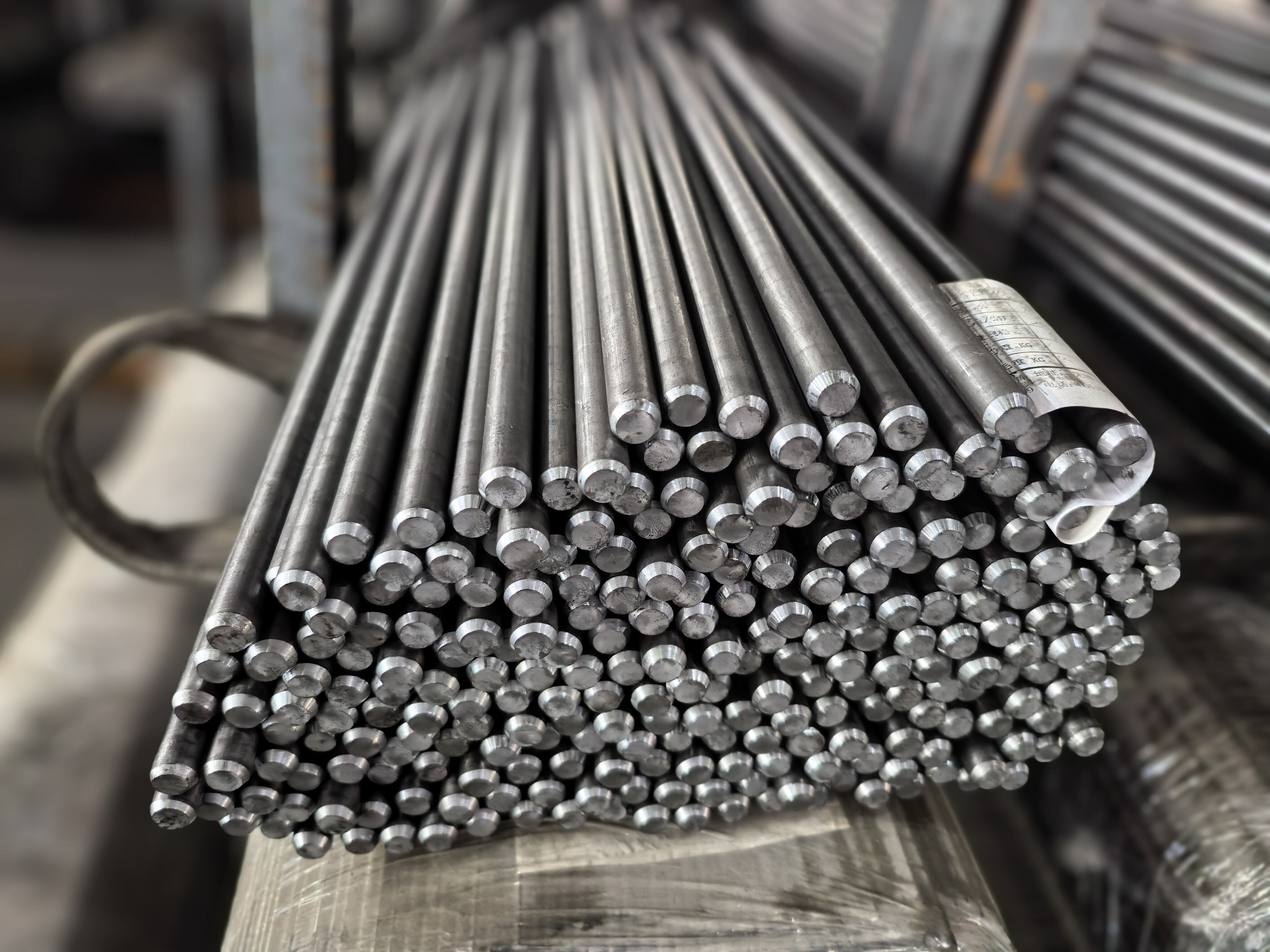
Weathering steel represents a revolutionary advancement in construction materials that has transformed how engineers and architects approach outdoor structural projects. This specialized alloy forms a protective rust-like layer when exposed to atmospheric conditions, eliminating the need for traditional paint coatings and maintenance cycles. Understanding the science behind weathering steel and its practical applications can help professionals make informed decisions about material selection for long-term infrastructure projects.
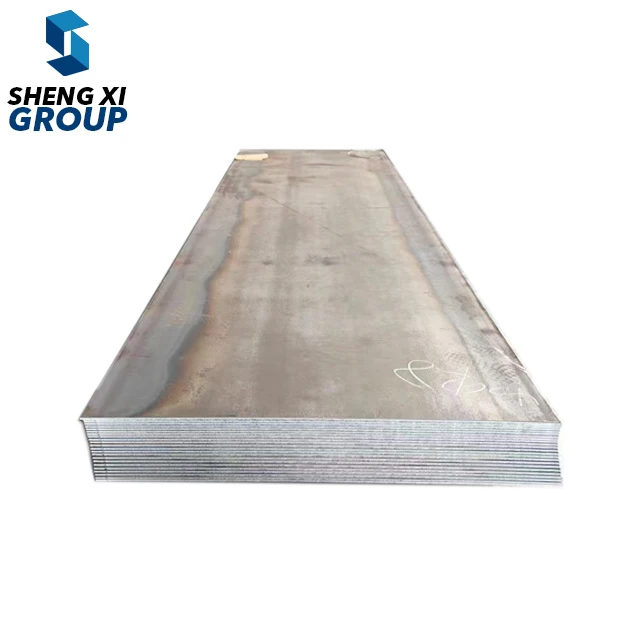
Chemical Composition and Material Properties
Alloying Elements in Weathering Steel
The unique characteristics of weathering steel stem from its carefully balanced chemical composition that includes copper, chromium, nickel, and phosphorus as primary alloying elements. These elements work synergistically to create a dense, adherent oxide layer that protects the underlying steel from further corrosion. Copper content typically ranges from 0.25 to 0.55 percent, providing the distinctive coloration and enhancing atmospheric corrosion resistance.
Chromium additions between 0.30 and 1.25 percent contribute significantly to the formation of stable oxide films, while nickel enhances overall toughness and corrosion resistance. Phosphorus, usually present in concentrations of 0.07 to 0.15 percent, strengthens the steel matrix and promotes the development of protective patina layers. Silicon and manganese are also present in controlled amounts to optimize mechanical properties and weldability characteristics.
Mechanical Strength Characteristics
Weathering steel exhibits excellent mechanical properties that make it suitable for demanding structural applications where both strength and durability are critical requirements. Typical yield strengths range from 345 to 485 MPa, depending on the specific grade and thickness of the material. Tensile strengths generally fall between 480 and 620 MPa, providing adequate safety margins for most construction applications.
The material maintains good ductility and impact resistance even at low temperatures, making weathering steel particularly valuable for outdoor structures in harsh climatic conditions. Fatigue resistance is comparable to conventional structural steels, while the self-protecting nature of the oxide layer ensures long-term performance without additional protective coatings or maintenance interventions.
Patination Process and Protective Mechanism
Formation of Protective Oxide Layers
The patination process in weathering steel occurs through controlled atmospheric corrosion that creates a dense, adherent oxide layer on the surface. This protective patina develops gradually over several years of exposure to natural weather cycles, including rain, humidity, and temperature variations. The initial oxidation produces loose rust similar to conventional steel, but continued exposure leads to the formation of a stable, compact oxide layer.
The protective mechanism relies on the formation of crystalline iron oxides and hydroxides that create a barrier against further oxidation. Alloying elements concentrate at the metal-oxide interface, promoting the development of fine-grained, dense oxide structures. This weathering steel patina becomes increasingly protective as it matures, eventually reaching a state where corrosion rates drop to very low levels.
Environmental Factors Affecting Patina Development
Environmental conditions play a crucial role in determining the quality and effectiveness of patina formation on weathering steel surfaces. Moderate atmospheric moisture levels combined with periodic wetting and drying cycles create optimal conditions for protective oxide development. Coastal environments with high salt content can accelerate initial corrosion but may compromise long-term patina stability if chloride concentrations exceed certain thresholds.
Industrial atmospheres containing sulfur dioxide and other pollutants can affect patina characteristics and color development. Rural and suburban environments typically provide the most favorable conditions for weathering steel performance, allowing for steady patina formation without excessive contamination. Temperature fluctuations and seasonal weather patterns contribute to the natural cycling that promotes dense, adherent oxide layer formation.
Applications and Design Considerations
Structural Applications in Construction
Weathering steel has found widespread acceptance in bridge construction, architectural facades, and industrial structures where maintenance access is limited or costly. Highway bridges represent one of the largest application areas, where the self-protecting characteristics eliminate the need for periodic repainting and reduce lifecycle maintenance costs. The material's aesthetic appeal has also made it popular for architectural applications where the natural patina provides desired visual effects.
Building facades, outdoor sculptures, and landscape architecture increasingly incorporate weathering steel for both functional and aesthetic reasons. The material performs particularly well in applications where drainage is adequate and stagnant water conditions are avoided. Proper design details ensure that weathering steel structures develop uniform patina while preventing localized corrosion or staining of adjacent materials.
Design Guidelines and Best Practices
Successful weathering steel applications require careful attention to design details that promote uniform patina formation and prevent moisture retention. Drainage considerations are paramount, with structures designed to shed water effectively and avoid areas where standing water or debris accumulation might occur. Sharp edges and corners should be minimized to ensure even oxide layer development across all exposed surfaces.
Joint design and connection details must account for the absence of protective coatings while maintaining structural integrity throughout the patination process. Welding procedures and heat-affected zones require special consideration to ensure uniform corrosion resistance across the entire structure. Proper specification of weathering steel grades and thickness requirements ensures adequate service life for specific environmental conditions and loading scenarios.
Performance Benefits and Economic Advantages
Lifecycle Cost Analysis
The economic advantages of weathering steel become apparent when considering total lifecycle costs rather than initial material expenses. While weathering steel typically costs more than conventional structural steel, the elimination of painting and maintenance requirements can result in significant long-term savings. Bridge structures using weathering steel have demonstrated cost savings of 20 to 30 percent over 25-year service periods compared to painted alternatives.
Maintenance cost avoidance represents the primary economic benefit, particularly for structures in remote locations or those requiring traffic disruption for maintenance access. The self-protecting nature of weathering steel eliminates the need for surface preparation, primer application, and topcoat systems that require periodic renewal. Labor costs associated with maintenance activities are completely eliminated, while service life extension provides additional economic value.
Environmental and Sustainability Benefits
Weathering steel contributes to sustainable construction practices through reduced material consumption and elimination of volatile organic compounds associated with protective coatings. The absence of paint systems eliminates environmental concerns related to coating removal, disposal, and reapplication throughout the structure's service life. This characteristic makes weathering steel particularly attractive for environmentally sensitive locations or projects with strict sustainability requirements.
The longevity and durability of weathering steel structures reduce resource consumption over time while maintaining structural performance standards. Recycling potential remains high since the material composition and structural integrity are preserved throughout the service life. Carbon footprint reduction occurs through elimination of coating materials and associated transportation, application, and maintenance activities.
Limitations and Special Considerations
Environmental Restrictions and Constraints
Weathering steel performance can be compromised in certain environmental conditions that prevent proper patina formation or accelerate corrosion beyond acceptable levels. Marine environments with direct salt spray exposure may cause excessive corrosion rates that compromise structural integrity. Industrial atmospheres with high concentrations of sulfur compounds or other aggressive chemicals can prevent stable patina development.
Enclosed or partially enclosed environments where moisture accumulation occurs without adequate ventilation are not suitable for weathering steel applications. Underground or below-grade installations cannot develop protective patina layers and will experience conventional corrosion patterns. Climate zones with excessive humidity or inadequate wet-dry cycling may not provide optimal conditions for protective oxide formation.
Aesthetic and Maintenance Considerations
The natural patination process of weathering steel results in runoff staining that can affect adjacent materials and surfaces during the initial years of exposure. Proper design must account for this staining potential and incorporate appropriate drainage systems or protective measures for sensitive materials. The color and texture of weathering steel change continuously during patina development, requiring acceptance of variable appearance characteristics.
While weathering steel requires minimal maintenance compared to painted alternatives, some cleaning and inspection activities may be necessary to ensure optimal performance. Debris removal from drainage areas and periodic assessment of patina uniformity help maintain long-term effectiveness. Understanding these requirements is essential for project planning and owner education regarding weathering steel characteristics.
FAQ
How long does it take for weathering steel to develop full protection?
Weathering steel typically requires 1 to 3 years of natural exposure to develop an effective protective patina, depending on environmental conditions. The initial protective benefits begin within the first few months, but full maturation of the oxide layer occurs gradually over several years. Moderate atmospheric conditions with regular wet-dry cycles provide optimal patina development timing.
Can weathering steel be used in all climatic conditions?
Weathering steel performance varies significantly with environmental conditions, and it is not suitable for all climates. Marine environments with direct salt exposure, highly industrial atmospheres, and areas with excessive moisture retention can compromise the protective patina formation. Proper environmental assessment is essential before specifying weathering steel for any application.
Does weathering steel require any special welding procedures?
Welding weathering steel requires attention to maintaining corrosion resistance in heat-affected zones through proper electrode selection and welding techniques. Matching filler metals with similar alloying elements ensure uniform corrosion performance across welded connections. Post-weld cleaning and proper joint design help ensure adequate patina development over welded areas.
What maintenance is required for weathering steel structures?
Weathering steel structures require minimal maintenance compared to painted alternatives, but some activities may be necessary for optimal performance. Regular inspection of drainage systems, debris removal from critical areas, and monitoring of patina uniformity help ensure long-term effectiveness. These maintenance requirements are significantly less intensive than conventional protective coating systems.