best spring steel
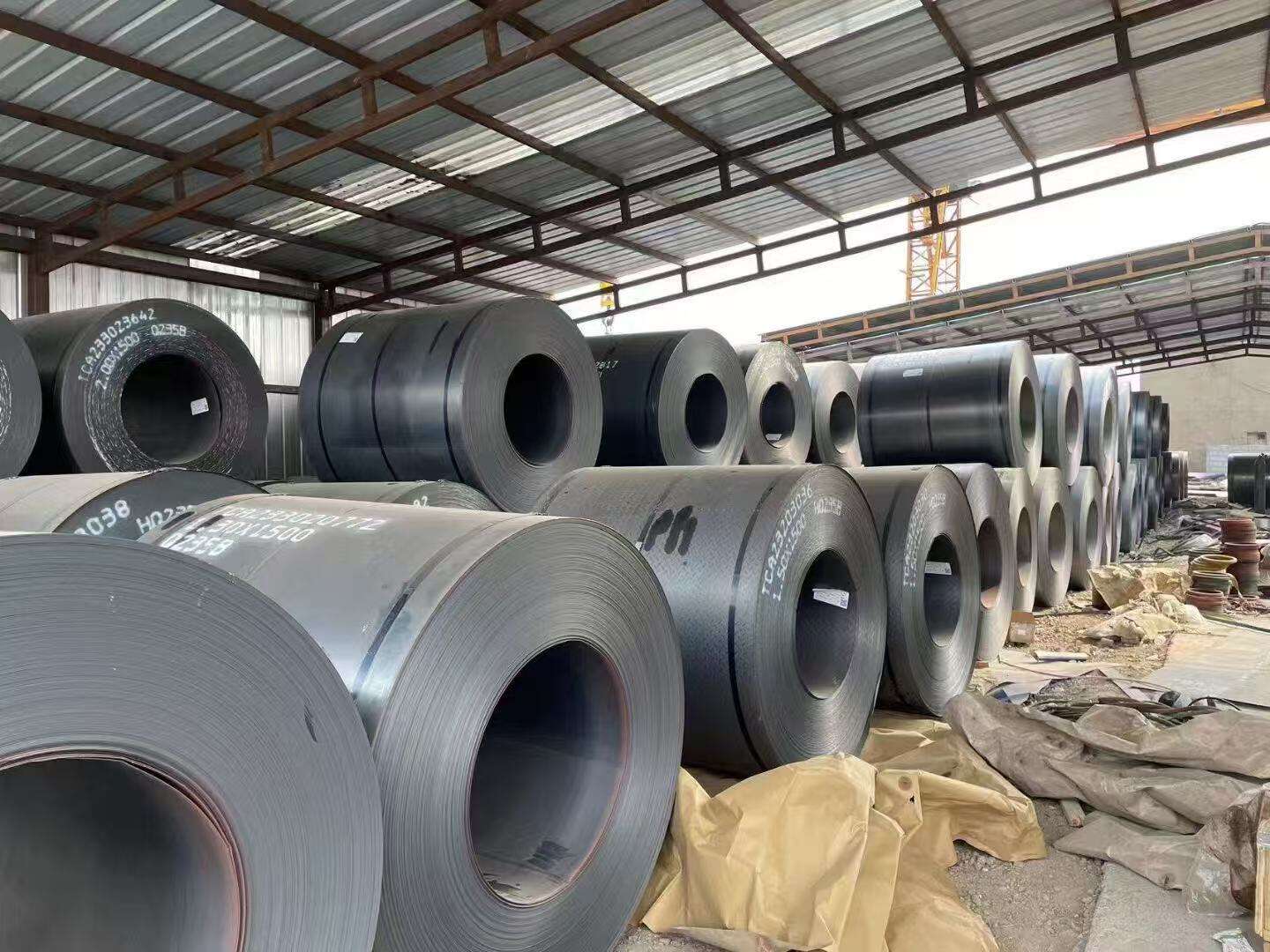
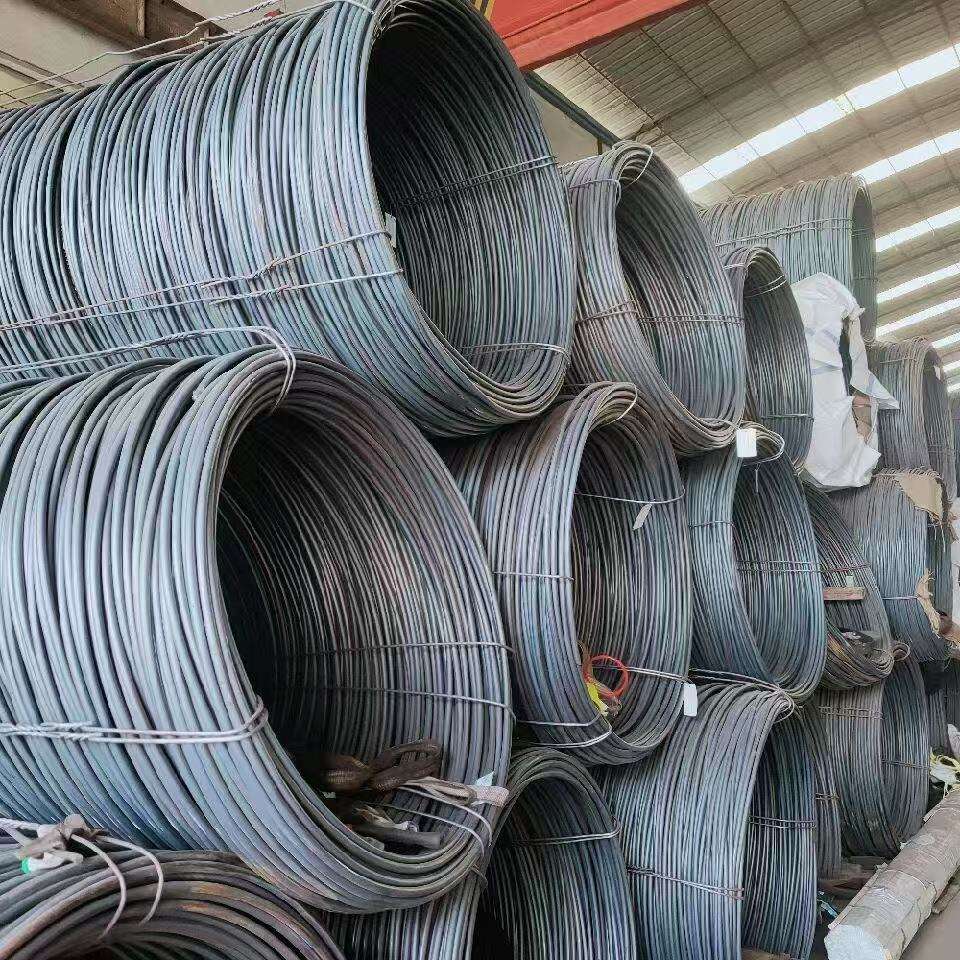
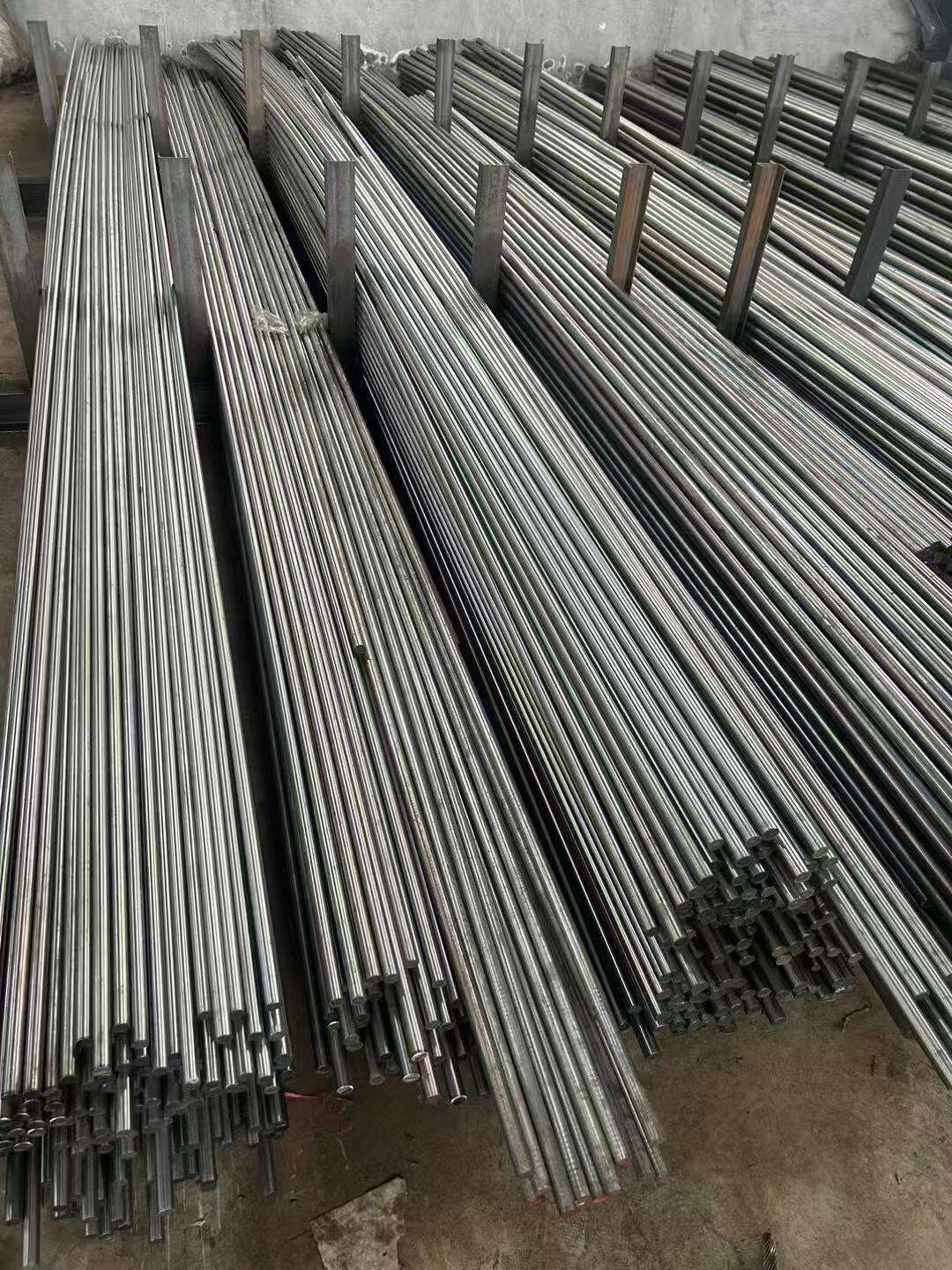
The best spring steel represents the pinnacle of metallurgical engineering, designed to deliver exceptional performance in applications requiring superior elasticity, durability, and reliability. This specialized alloy combines carefully balanced carbon content with precise heat treatment processes to achieve optimal spring characteristics that outperform conventional steel alternatives. The primary function of the best spring steel centers on its ability to absorb and release mechanical energy repeatedly without permanent deformation or failure. This fundamental capability makes it indispensable across numerous industries where consistent performance under cyclic loading conditions is critical. The technological features that distinguish the best spring steel include its refined grain structure, optimized chemical composition, and advanced manufacturing processes. The carbon content typically ranges between 0.50% to 1.20%, providing the necessary hardness while maintaining workability. Silicon additions enhance elastic properties, while manganese improves hardenability and strength. Chromium and vanadium may be incorporated to increase corrosion resistance and grain refinement respectively. Heat treatment processes such as quenching and tempering are meticulously controlled to achieve the desired balance between hardness and toughness. The applications for the best spring steel span automotive suspension systems, industrial machinery, precision instruments, and aerospace components. In automotive applications, it forms the backbone of leaf springs, coil springs, and stabilizer bars that ensure smooth ride quality and vehicle stability. Manufacturing equipment relies on spring steel for press tools, dies, and measurement devices where dimensional accuracy is paramount. The electronics industry utilizes miniaturized spring steel components in switches, connectors, and battery contacts. Agricultural machinery, construction equipment, and marine applications also benefit from the superior fatigue resistance and environmental durability that characterizes the best spring steel. The versatility of this material extends to custom applications where specific performance requirements demand tailored compositions and processing parameters to meet exact specifications.

 EN
EN