High-Quality Cold Rolled Steel Plate: Superior Surface Finish and Precision Manufacturing Solutions

All Categories

cold rolled steel plate

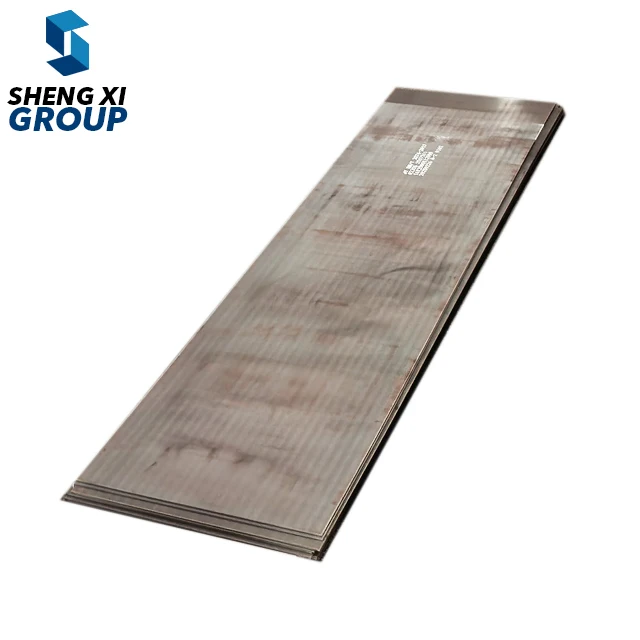
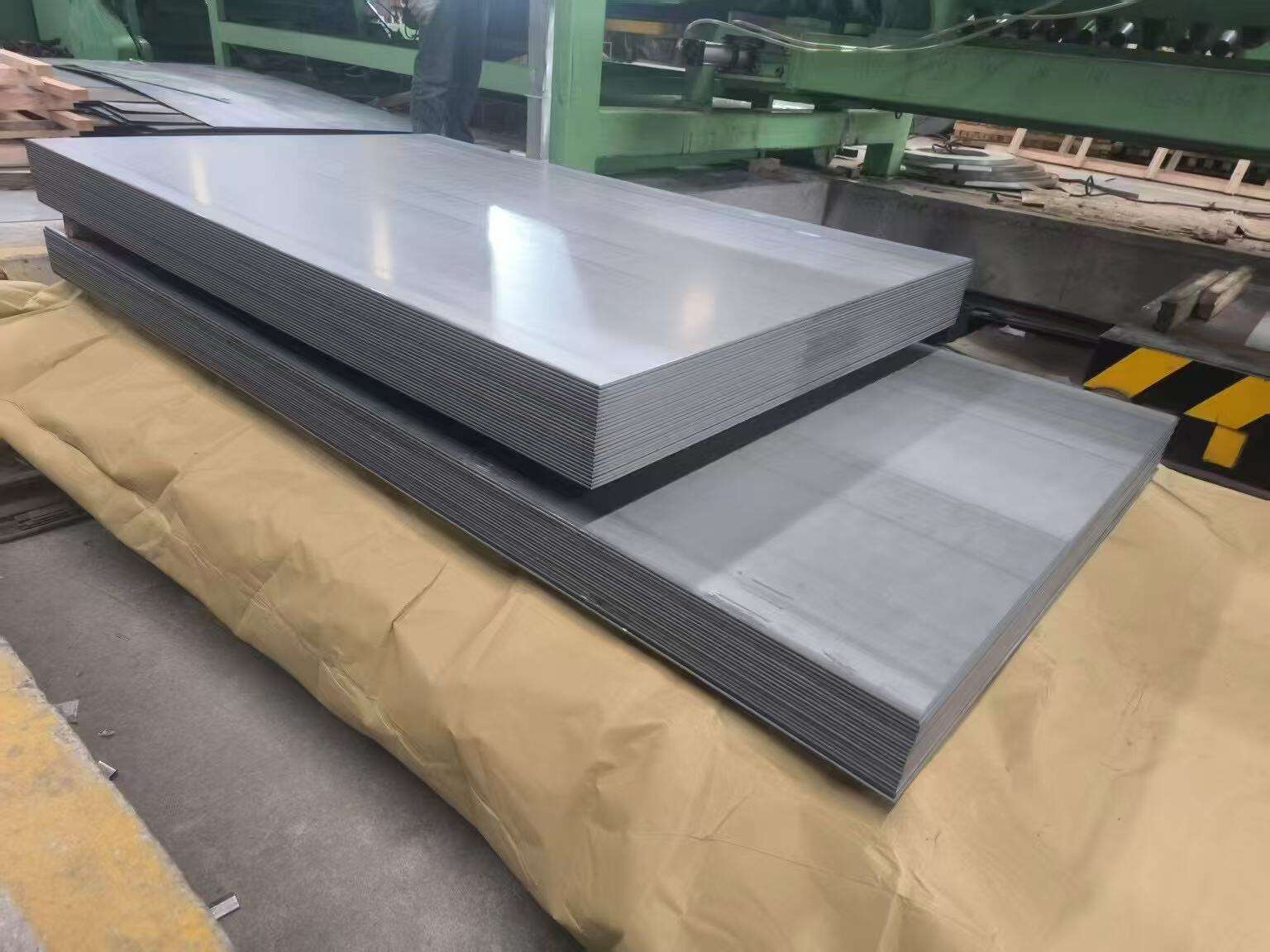
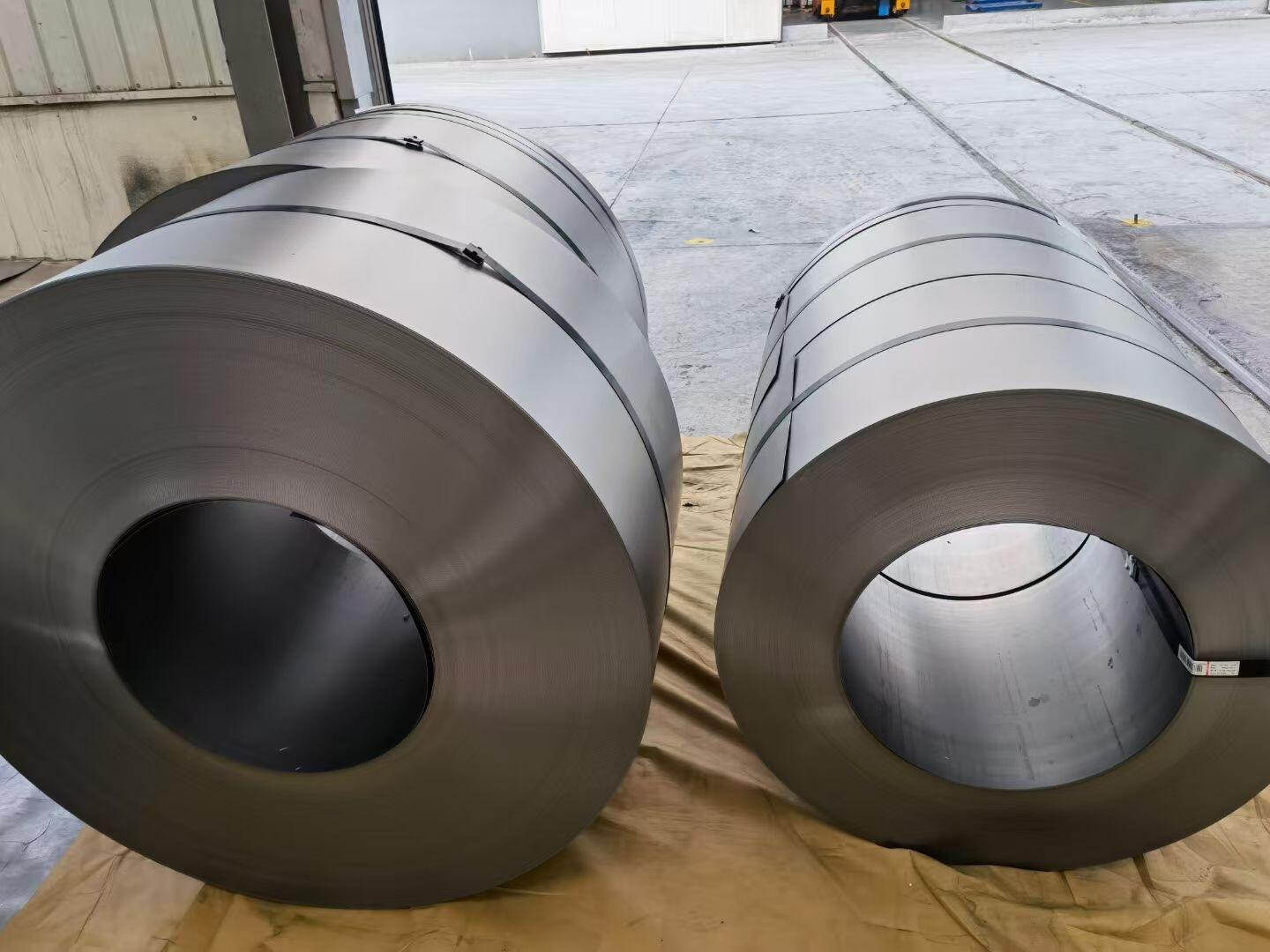
Cold rolled steel plate represents a fundamental material in modern manufacturing, engineered through a precise process that transforms hot rolled steel into a superior product with enhanced properties. This steel undergoes cold rolling at room temperature, where the metal passes through a series of rollers under tremendous pressure, reducing thickness while simultaneously improving surface quality and dimensional accuracy. The cold rolled steel plate manufacturing process involves multiple stages including pickling to remove surface oxides, cold reduction through rolling mills, and potential annealing treatments to optimize mechanical properties. The technological features of cold rolled steel plate distinguish it from conventional hot rolled alternatives through its exceptional surface finish, tighter dimensional tolerances, and improved mechanical characteristics. These plates exhibit superior flatness, consistent thickness throughout their length and width, and a smooth surface texture that eliminates the need for additional finishing operations in many applications. The controlled rolling process enhances grain structure refinement, resulting in improved strength properties and better formability characteristics. Cold rolled steel plate finds extensive applications across diverse industries including automotive manufacturing, where it serves as body panels, structural components, and interior parts. The construction industry utilizes these plates for roofing systems, wall cladding, and architectural elements that demand both structural integrity and aesthetic appeal. Home appliance manufacturers rely on cold rolled steel plate for refrigerator shells, washing machine components, and kitchen equipment due to its excellent surface quality and corrosion resistance potential. The electronics industry incorporates these plates into computer casings, server enclosures, and various electronic housing applications. Furniture manufacturers appreciate cold rolled steel plate for its ability to accept paint and coatings uniformly, making it ideal for office furniture, filing cabinets, and decorative metal components. The precision engineering sector depends on cold rolled steel plate for creating components that require tight tolerances and consistent material properties throughout production runs.

New Product Releases

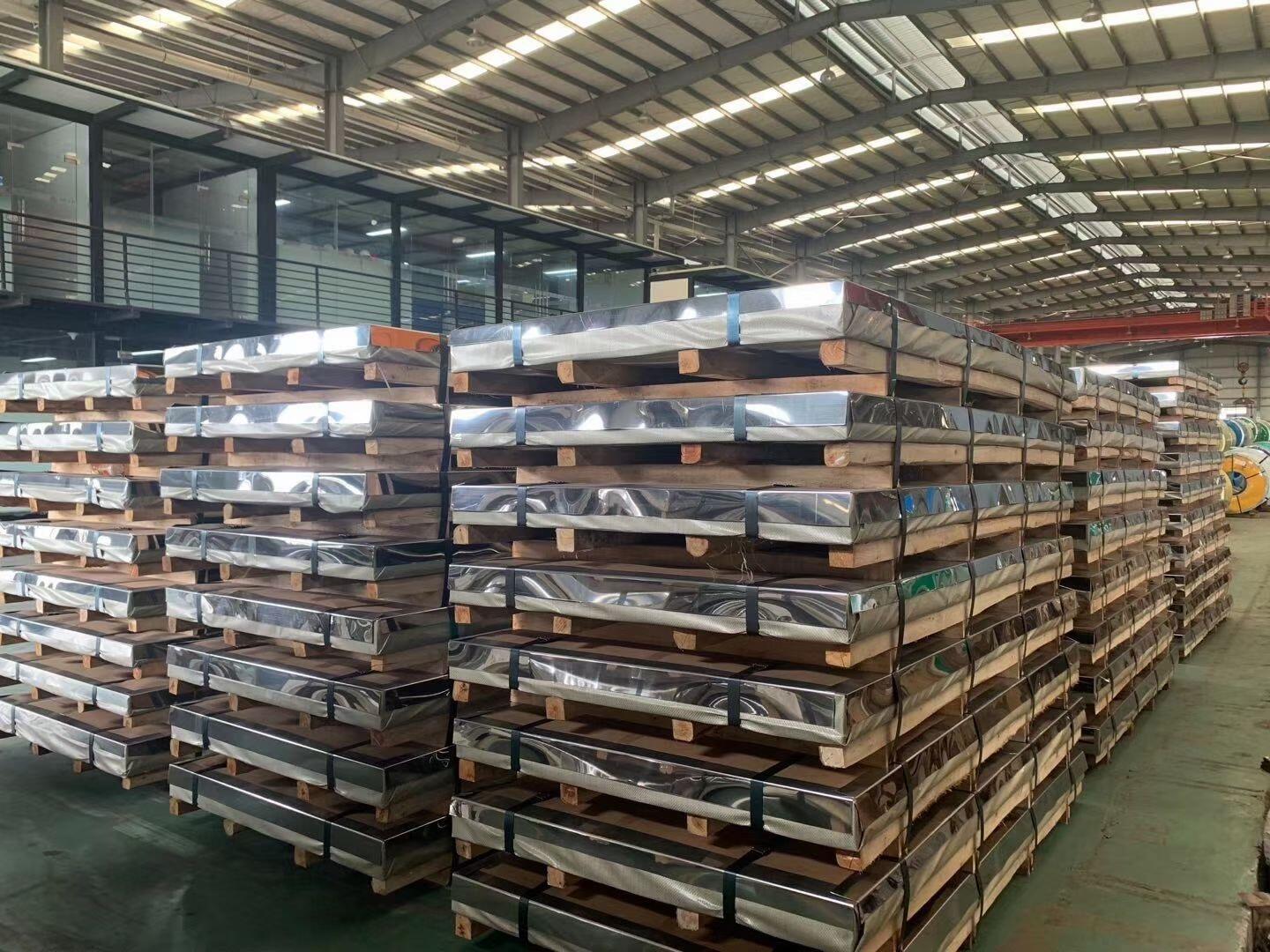
Cold rolled steel plate delivers exceptional value through numerous practical advantages that directly benefit manufacturers and end users across multiple industries. The superior surface quality eliminates costly secondary finishing operations, as the smooth, scale-free surface accepts paints, coatings, and platings more uniformly than hot rolled alternatives. This characteristic significantly reduces production time and material costs while ensuring consistent appearance in finished products. The enhanced dimensional accuracy of cold rolled steel plate provides manufacturers with predictable material behavior during forming operations, reducing waste and improving production efficiency. Tighter tolerances mean components fit together more precisely, leading to better assembly quality and reduced manufacturing defects. The improved mechanical properties, including increased tensile strength and yield strength, allow designers to use thinner gauges while maintaining structural requirements, resulting in material savings and lighter final products. Cold rolled steel plate exhibits superior formability characteristics, enabling complex shapes and intricate designs without cracking or surface defects. This formability advantage translates into expanded design possibilities and reduced tooling wear during stamping and forming operations. The consistent thickness throughout the material ensures uniform stress distribution in structural applications, contributing to longer service life and improved safety margins. Manufacturing facilities benefit from the predictable behavior of cold rolled steel plate during welding operations, as the clean surface and consistent chemistry promote better weld quality with reduced preparation time. The material demonstrates excellent compatibility with various joining methods including mechanical fastening, adhesive bonding, and welding techniques. Quality control becomes more manageable with cold rolled steel plate due to its consistent properties and reduced variability compared to hot rolled products. This consistency translates into fewer production interruptions, reduced inspection requirements, and improved overall manufacturing efficiency. The enhanced corrosion resistance potential of cold rolled steel plate, particularly when properly coated, extends product lifespan and reduces maintenance requirements. Storage and handling advantages include reduced contamination risk due to the clean surface condition and improved stackability due to consistent dimensions. Transportation efficiency improves through the ability to pack more material per shipment due to tighter dimensional control and reduced packaging requirements. Cost effectiveness emerges through reduced processing steps, improved material utilization, and extended tooling life in manufacturing operations.

Practical Tips

How to Heat Treat Bearing Steel

08

Jul

How to Heat Treat Bearing Steel

Fundamentals of Heat Treating Bearing Steel Composition Requirements for Bearing Steel What makes bearing steel work so well comes down to its composition, which needs to hit certain performance benchmarks for durability. The main ingredients mixed...
View More
Development trends of high-strength steel

22

Sep

Development trends of high-strength steel

The Evolution of Advanced Steel Manufacturing The metallurgical industry has witnessed a remarkable transformation in recent decades, with high-strength steel emerging as a cornerstone of modern manufacturing. This innovative material has revolutioni...
View More
How to regulate the ductile-brittle transition temperature of alloy steel?‌

31

Oct

How to regulate the ductile-brittle transition temperature of alloy steel?‌

Understanding the Critical Role of Temperature Transitions in Alloy Steel Performance The ductile-brittle transition temperature represents a crucial parameter in alloy steel manufacturing and application. This fundamental property determines the tem...
View More
How to balance wear resistance and toughness in die steel?‌

31

Oct

How to balance wear resistance and toughness in die steel?‌

Achieving Optimal Properties in Tool Steel Manufacturing The delicate balance between wear resistance and toughness represents one of the most critical challenges in die steel production. Engineers and metallurgists constantly strive to achieve this ...
View More

Get a Free Quote

Our representative will contact you soon.
Email
Name
Company Name
Message
0/1000

cold rolled steel plate

Superior Surface Quality and Finish

Superior Surface Quality and Finish

The exceptional surface quality of cold rolled steel plate stands as its most distinctive advantage, delivering a smooth, uniform finish that eliminates the need for extensive surface preparation in most applications. This superior surface results from the cold rolling process, where the steel passes through precision rollers at room temperature, creating a scale-free surface with minimal roughness variations. Unlike hot rolled steel plate, which often requires pickling, grinding, or other surface treatments to achieve acceptable finish levels, cold rolled steel plate emerges from production with an immediately usable surface condition. The smooth finish accepts paints, powder coatings, and electroplated finishes with exceptional uniformity, ensuring consistent color depth and adhesion across the entire surface area. This characteristic proves invaluable in applications where aesthetic appearance matters, such as automotive body panels, appliance housings, and architectural components. Manufacturers benefit from reduced preparation time and material costs, as the superior surface eliminates multiple processing steps typically required with rougher materials. The uniform surface texture also contributes to improved tribological properties, reducing friction in sliding applications and extending component life in mechanical systems. Quality control becomes more straightforward with cold rolled steel plate due to the consistent surface condition, allowing visual inspection techniques to identify defects more easily. The clean surface condition reduces contamination risks during storage and handling, maintaining material quality throughout the supply chain. Advanced coating technologies perform optimally on cold rolled steel plate surfaces, enabling the development of specialized finishes for corrosion protection, wear resistance, and decorative purposes. The superior surface quality translates into improved customer satisfaction in consumer products, as the final appearance meets higher aesthetic standards. Manufacturing efficiency increases significantly when working with cold rolled steel plate, as operators spend less time on surface preparation and more time on value-added production activities.
Enhanced Dimensional Accuracy and Precision

Enhanced Dimensional Accuracy and Precision

Cold rolled steel plate delivers unmatched dimensional accuracy that transforms manufacturing processes by providing consistent, predictable material behavior throughout production operations. The cold rolling process compresses the steel under controlled conditions, achieving thickness tolerances that typically range within plus or minus 0.001 inches, compared to the much wider tolerances associated with hot rolled products. This precision extends beyond thickness control to include exceptional flatness characteristics, with deviation measurements often kept within stringent specifications that ensure optimal performance in precision applications. The enhanced dimensional stability results from the work hardening effect of cold rolling, which creates a more uniform grain structure and reduces internal stresses that could cause warping or dimensional changes during subsequent processing. Manufacturers utilizing cold rolled steel plate experience significant advantages in stamping and forming operations, as the consistent thickness ensures uniform material flow and reduces the likelihood of tearing, wrinkling, or other forming defects. The predictable dimensions enable more accurate tooling design and setup, reducing trial-and-error adjustments that consume valuable production time. Quality assurance processes become more efficient with cold rolled steel plate, as the consistent dimensions reduce variability in mechanical testing and inspection procedures. Component assemblies benefit from the precision of cold rolled steel plate through improved fit and finish, reducing gaps, misalignments, and other assembly issues that can compromise product quality. The dimensional accuracy facilitates automated manufacturing processes, as robotic systems and computer-controlled equipment can operate with greater precision when working with consistently dimensioned materials. Cost benefits emerge through reduced material waste, as the predictable dimensions allow for more efficient nesting patterns and cutting layouts. Engineering calculations become more reliable with cold rolled steel plate, as designers can specify exact material properties and dimensions with confidence in their consistency throughout production runs. The precision characteristics enable the development of lighter, more efficient designs by allowing engineers to optimize material distribution based on accurate dimensional parameters.
Improved Mechanical Properties and Performance

Improved Mechanical Properties and Performance

Cold rolled steel plate exhibits significantly enhanced mechanical properties that provide superior performance characteristics compared to hot rolled alternatives, delivering measurable benefits in strength, formability, and structural integrity applications. The cold working process fundamentally alters the steel's microstructure through grain refinement and work hardening, resulting in increased tensile strength, improved yield strength, and better overall mechanical performance. These enhanced properties allow engineers to design lighter components while maintaining required load-bearing capabilities, contributing to material efficiency and cost savings across numerous applications. The improved strength-to-weight ratio of cold rolled steel plate enables the development of more efficient structures in automotive, aerospace, and construction applications where weight reduction directly impacts performance and operational costs. Formability characteristics receive substantial improvement through the cold rolling process, as the refined grain structure and uniform material distribution facilitate complex forming operations without surface defects or structural failure. This enhanced formability opens new design possibilities for manufacturers, allowing the creation of intricate shapes and complex geometries that would be difficult or impossible to achieve with hot rolled materials. The consistent mechanical properties throughout cold rolled steel plate ensure predictable behavior during fabrication processes, reducing the risk of unexpected failures and improving overall production reliability. Fatigue resistance improves significantly in cold rolled steel plate due to the refined microstructure and reduced surface irregularities, extending component life in cyclic loading applications such as automotive suspension components and machinery parts. The enhanced mechanical properties contribute to improved safety margins in structural applications, as the higher strength values provide additional capacity to handle unexpected loads or environmental conditions. Welding performance benefits from the consistent chemistry and improved mechanical properties of cold rolled steel plate, resulting in stronger, more reliable welded joints with reduced heat-affected zone sensitivity. The superior mechanical characteristics enable the use of advanced manufacturing techniques such as hydroforming, superplastic forming, and other specialized processes that require exceptional material performance. Quality consistency in mechanical properties reduces the need for extensive testing and inspection, streamlining production processes and reducing associated costs while maintaining high standards of product reliability and performance.
High-Quality Cold Rolled Steel Plate: Superior Surface Finish and Precision Manufacturing Solutions

Get a Free Quote

Our representative will contact you soon.
Email
Name
Company Name
Message
0/1000