cold rolled stainless steel plate
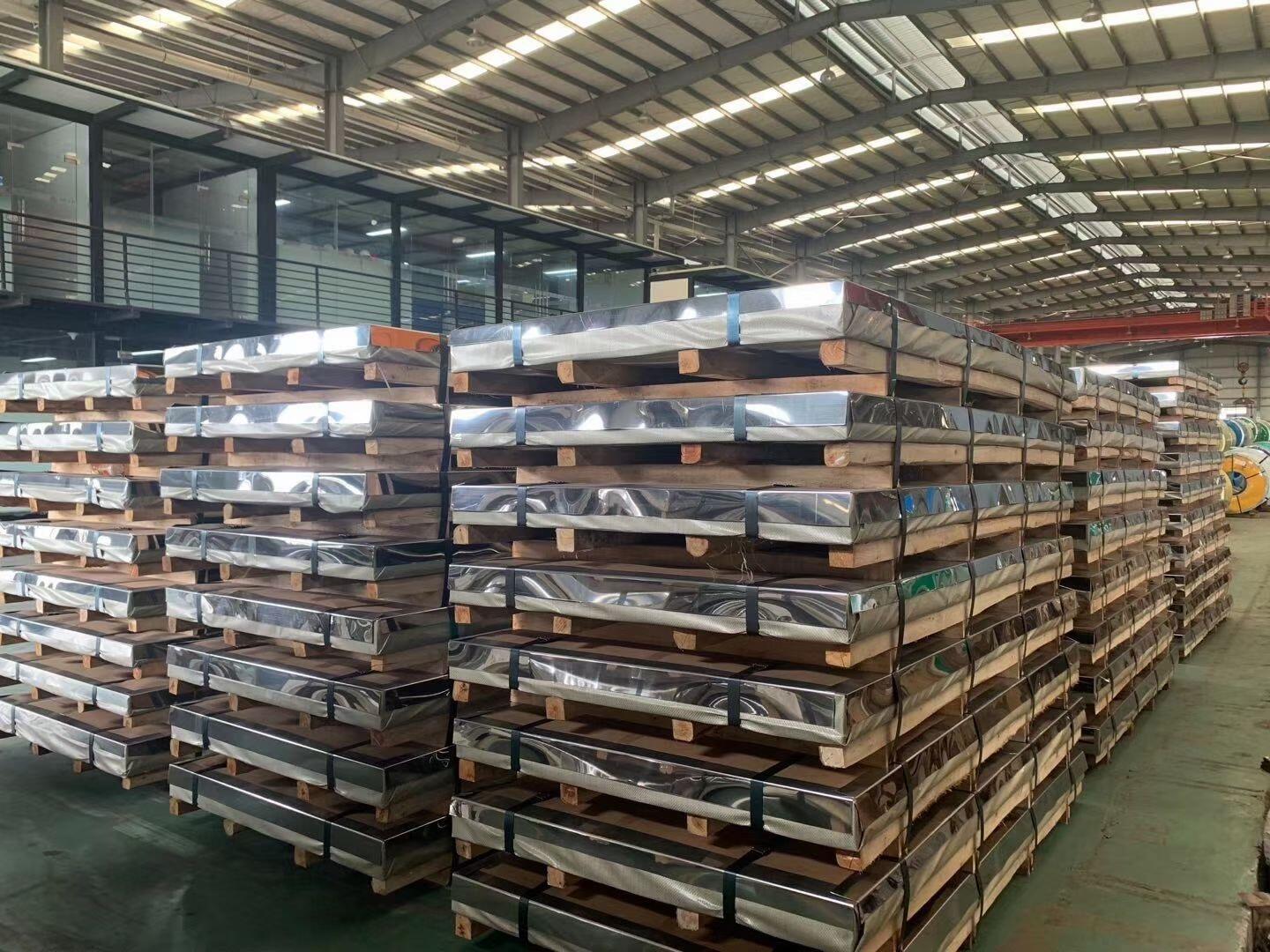
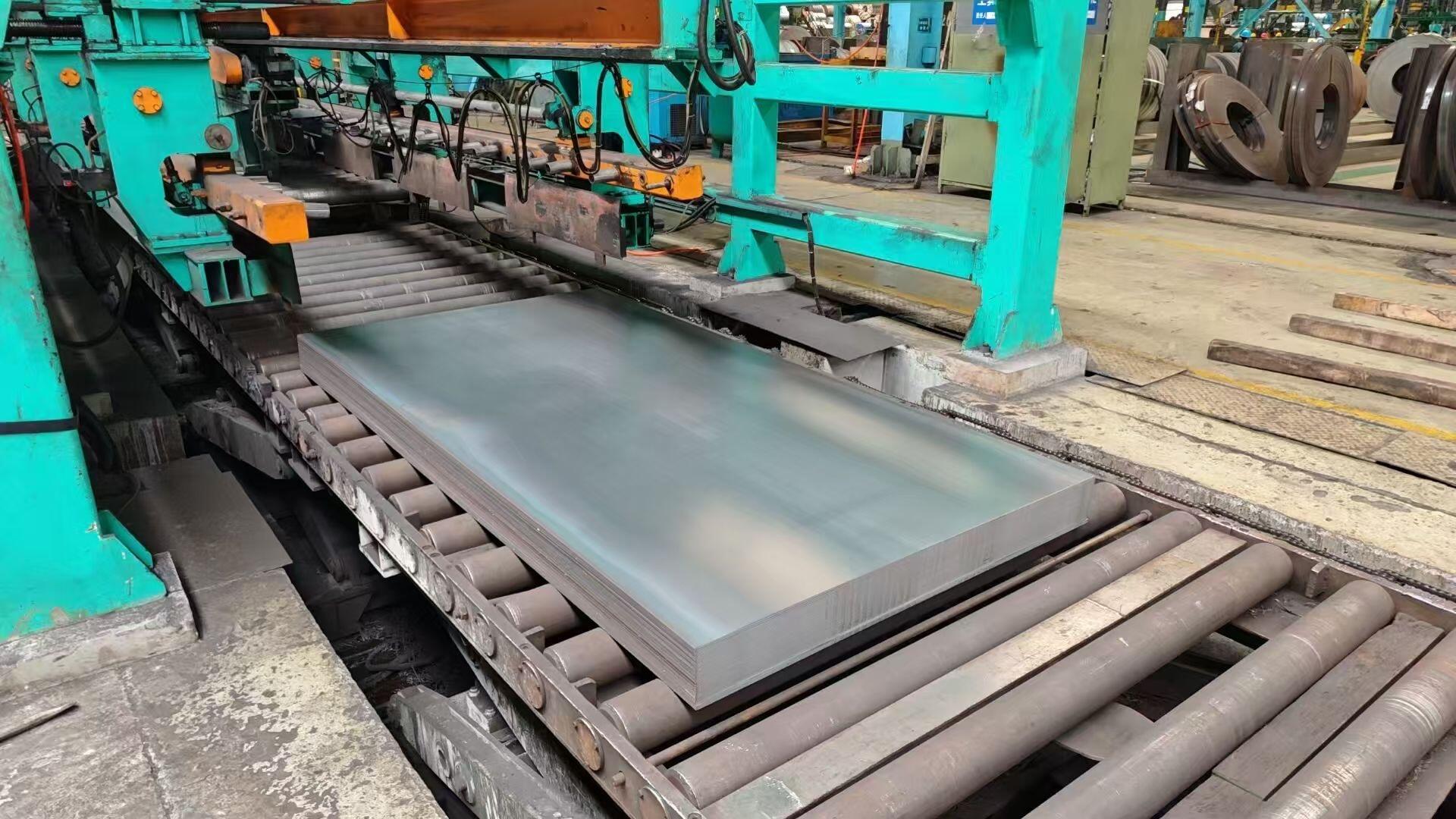
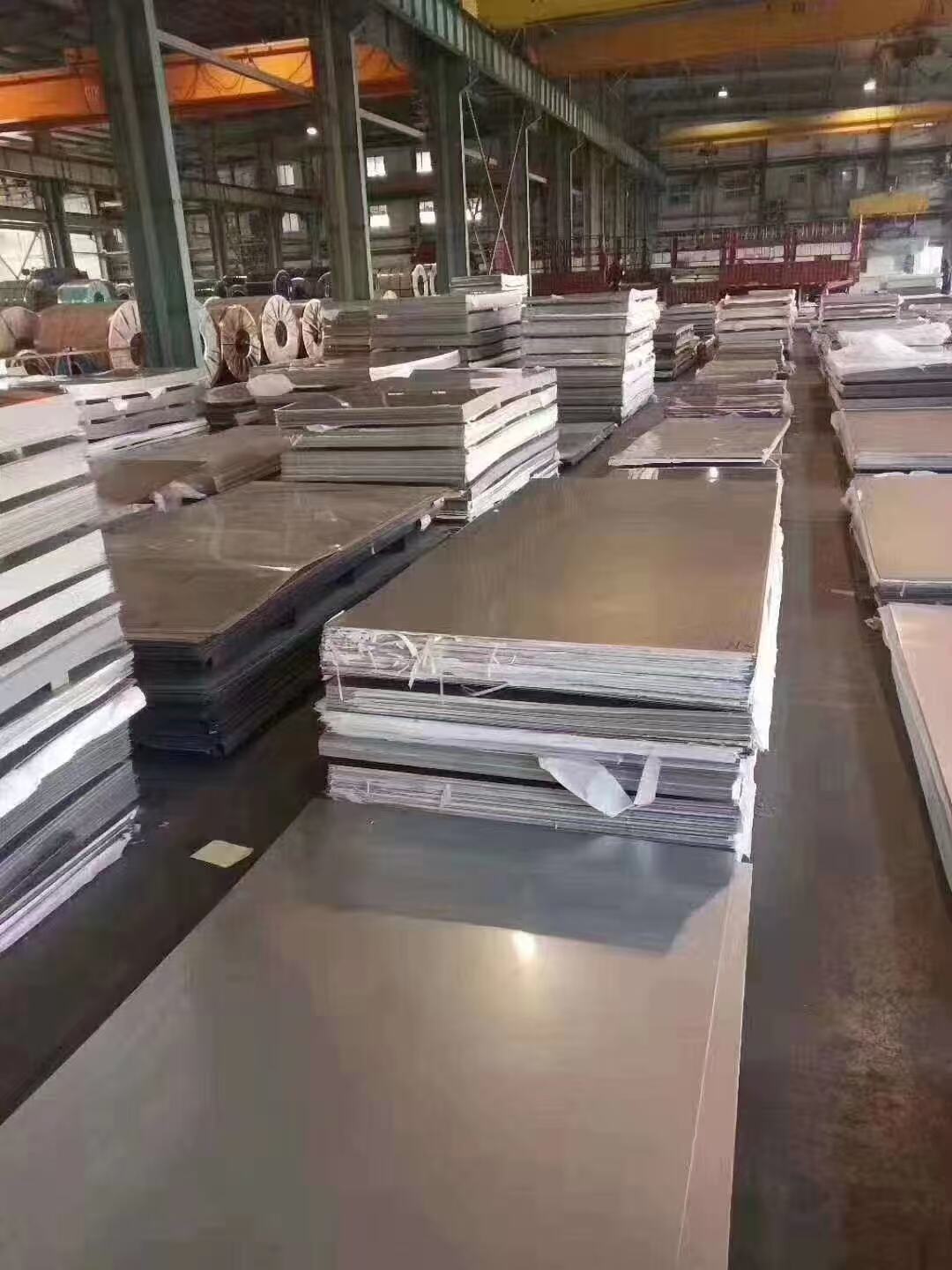
Cold rolled stainless steel plate represents a premium manufacturing solution that delivers exceptional performance across diverse industrial applications. This specialized material undergoes a sophisticated cold rolling process that transforms hot rolled stainless steel into a refined product with superior surface quality and dimensional precision. The cold rolling technique involves passing the stainless steel through a series of rollers at room temperature, which compresses and elongates the material while maintaining its structural integrity. Cold rolled stainless steel plate exhibits remarkable corrosion resistance properties due to its chromium content, typically ranging from 10.5 to 30 percent, which forms a protective oxide layer on the surface. The manufacturing process enhances the material's mechanical properties, resulting in improved tensile strength, hardness, and surface smoothness compared to hot rolled alternatives. These plates are available in various grades, including austenitic, ferritic, and martensitic compositions, each offering distinct characteristics for specific applications. The technological features of cold rolled stainless steel plate include precise thickness control, excellent flatness, and consistent dimensional accuracy throughout the production run. The surface finish achieves mirror-like quality with minimal defects, making it ideal for applications requiring aesthetic appeal and functional performance. Industries extensively utilize these plates in food processing equipment, pharmaceutical machinery, architectural elements, automotive components, and chemical processing systems. The cold rolling process eliminates scale formation and surface imperfections commonly found in hot rolled materials, resulting in a clean, smooth finish that requires minimal additional processing. Cold rolled stainless steel plate demonstrates superior formability and weldability, enabling manufacturers to create complex shapes and structures while maintaining material properties. The controlled manufacturing environment ensures consistent quality and reduces material waste, making it an economically viable choice for precision applications requiring high-performance materials with long-term durability and reliability.

 EN
EN