Superior Surface Quality and Finish Excellence
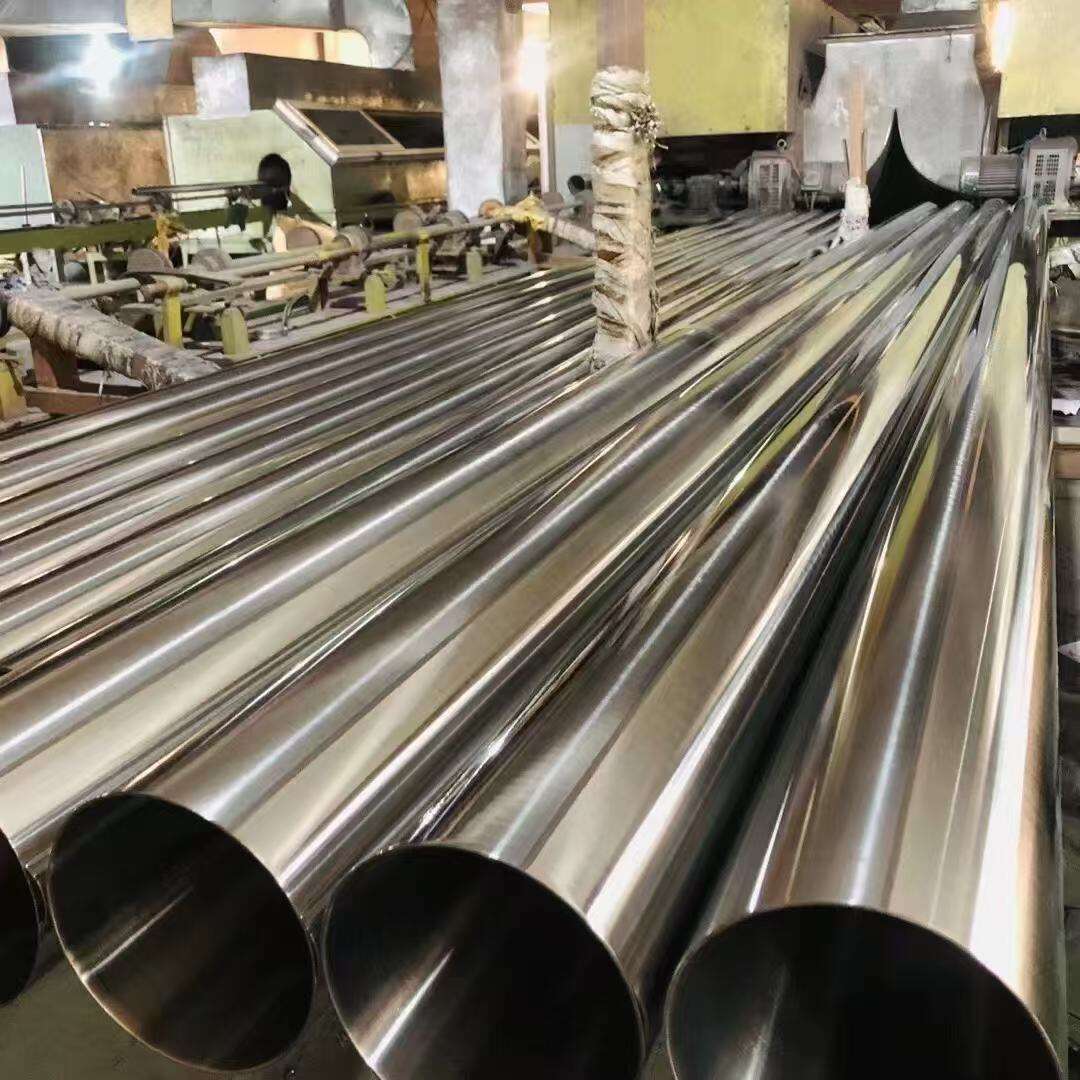
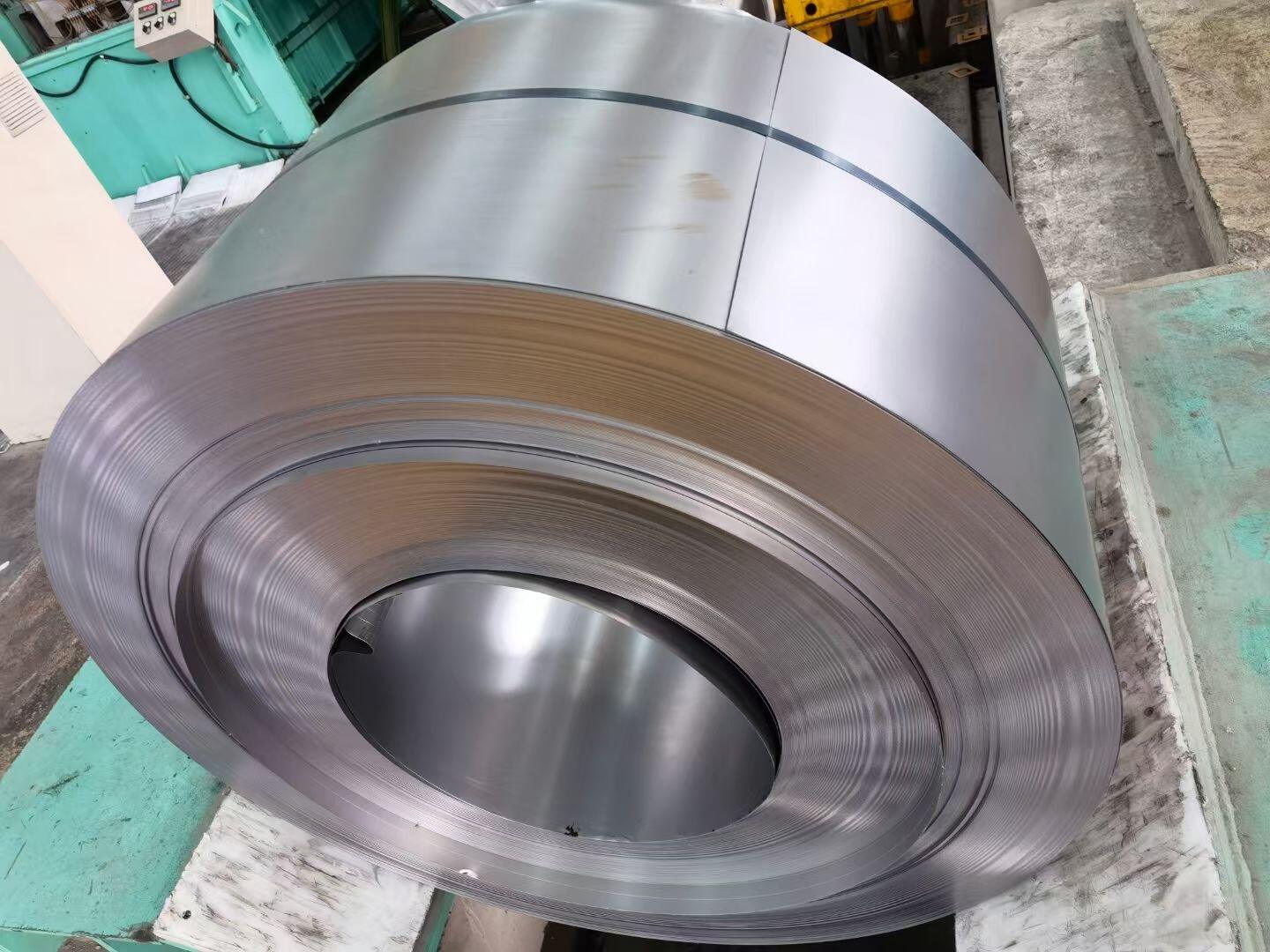
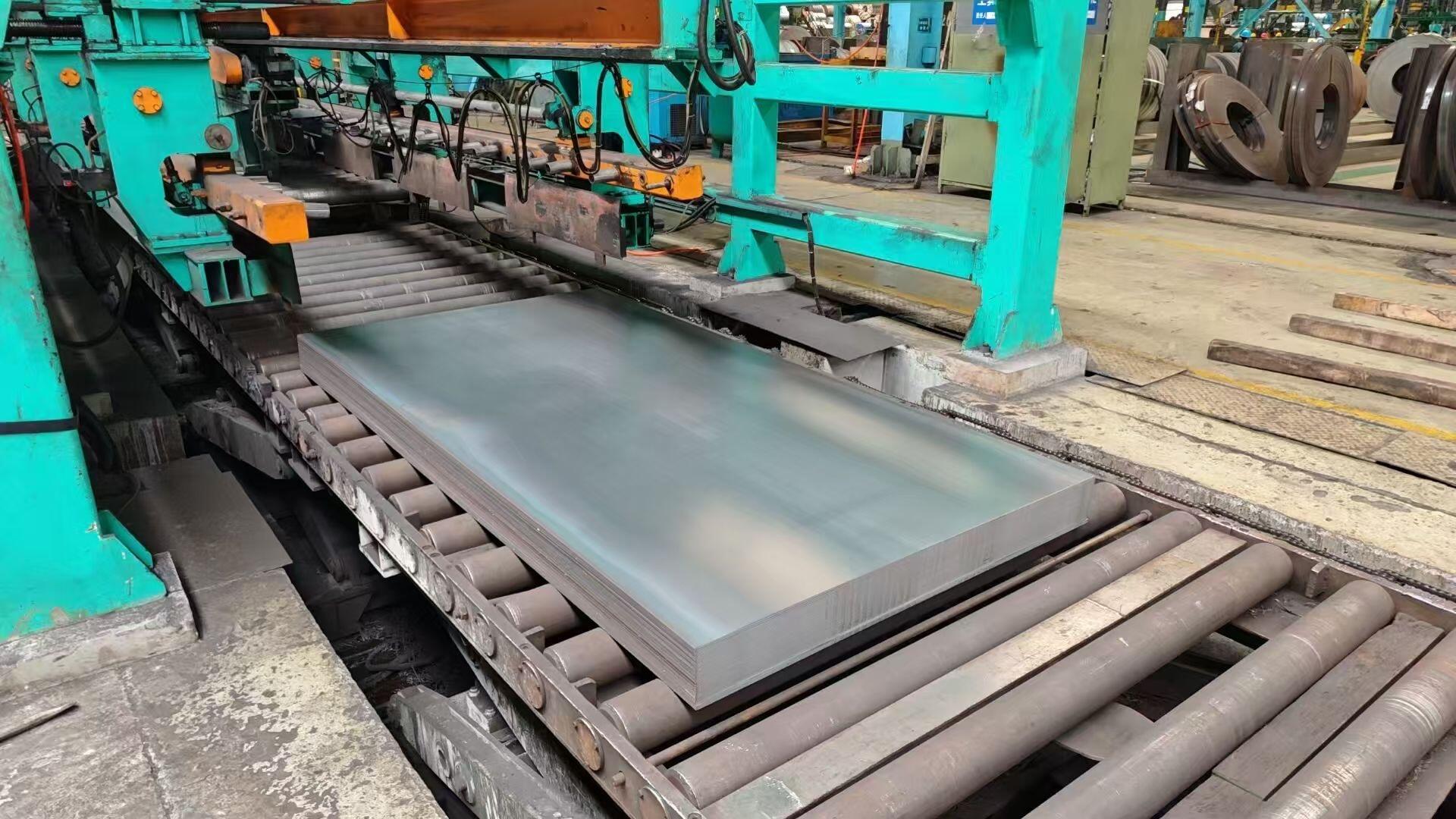
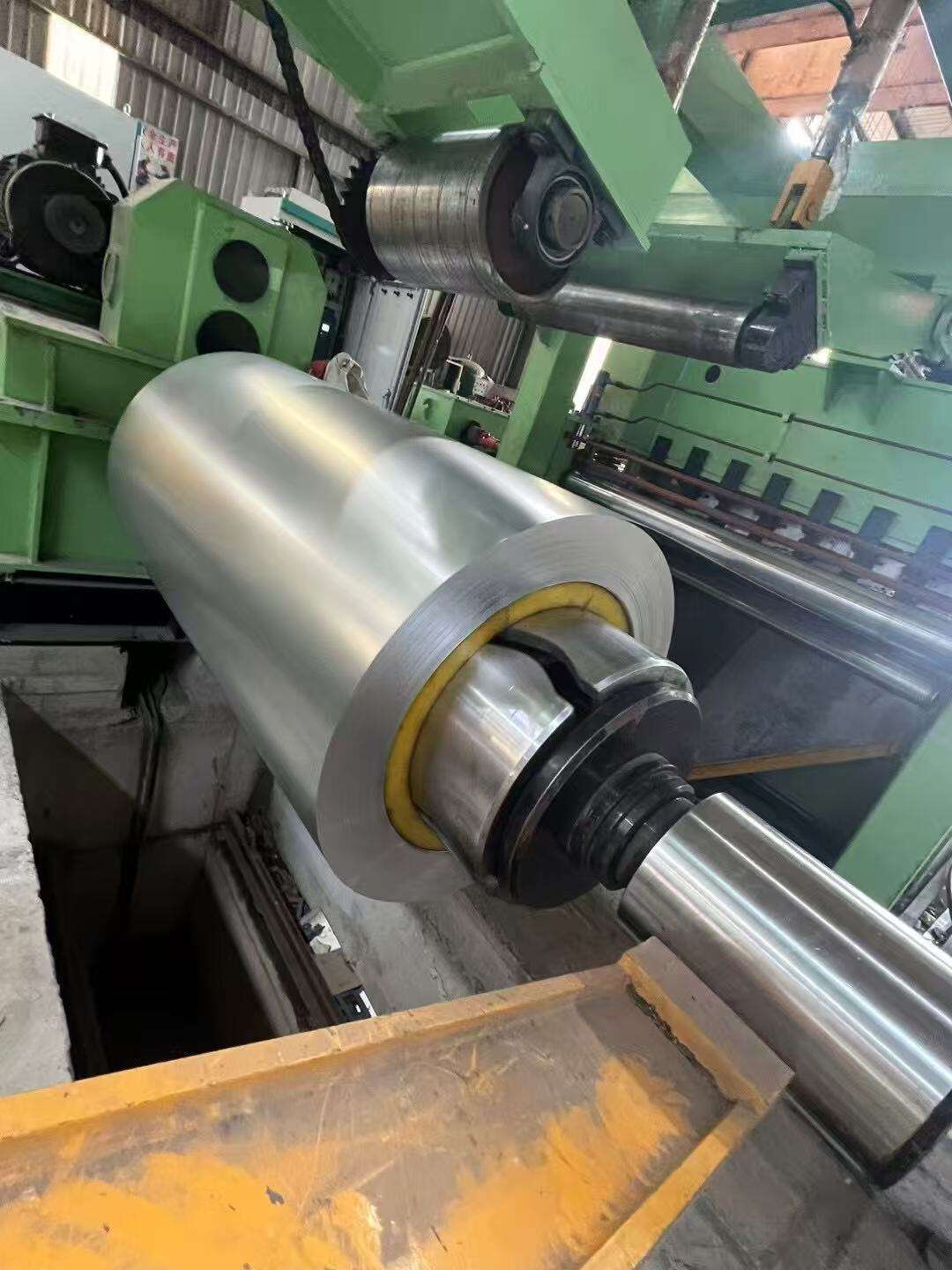
The exceptional surface quality of cold rolled mild steel sheet stands as its most distinguishing characteristic, setting it apart from other steel products in the marketplace. This superior finish results from the precise cold rolling process that eliminates surface imperfections, scale formation, and irregularities commonly found in hot rolled materials. The smooth, clean surface provides manufacturers with immediate usability, eliminating costly preparation steps such as sandblasting, grinding, or chemical cleaning that are typically required with rougher steel surfaces. This ready-to-use quality translates into significant time and labor savings across production processes. The refined surface texture of cold rolled mild steel sheet creates an ideal foundation for various finishing applications, including powder coating, wet painting, electroplating, and galvanizing. The uniform surface topography ensures consistent coating adhesion and appearance, resulting in superior final product quality that meets demanding aesthetic and performance standards. Manufacturing facilities benefit from reduced rejection rates and rework requirements when using cold rolled mild steel sheet, as the consistent surface quality minimizes defects and variations in finished products. The material's clean appearance also eliminates the need for intermediate cleaning steps during multi-stage production processes, streamlining operations and reducing environmental impact. Quality control becomes more straightforward with cold rolled mild steel sheet, as visual inspection can readily identify any surface irregularities or defects that might affect final product performance. The enhanced surface quality also contributes to improved tool life during machining, forming, and cutting operations, as the absence of scale and rough textures reduces wear on cutting tools and dies. This characteristic proves particularly valuable in high-volume production environments where tool replacement costs and downtime significantly impact overall profitability. Additionally, the superior surface finish enables more precise dimensional measurements and quality assessments, supporting lean manufacturing principles and continuous improvement initiatives.

 EN
EN