High-Performance Cr Mo Alloy Steel: Superior Strength, Corrosion Resistance & Heat Stability Solutions

All Categories

cr mo alloy steel

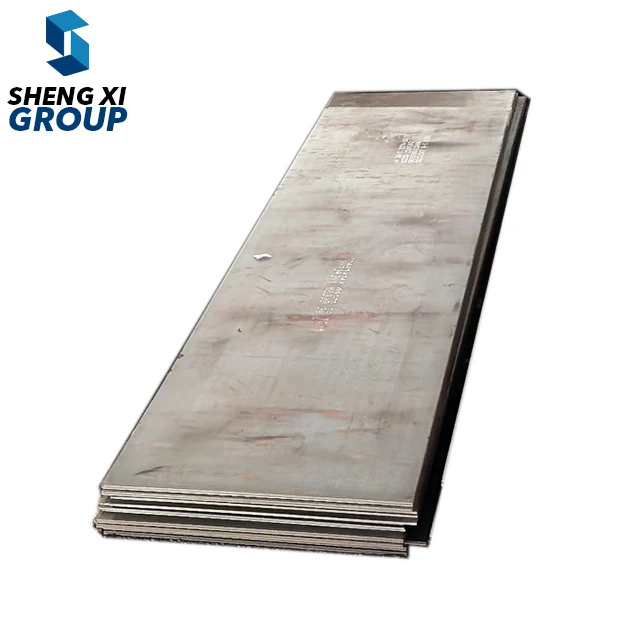
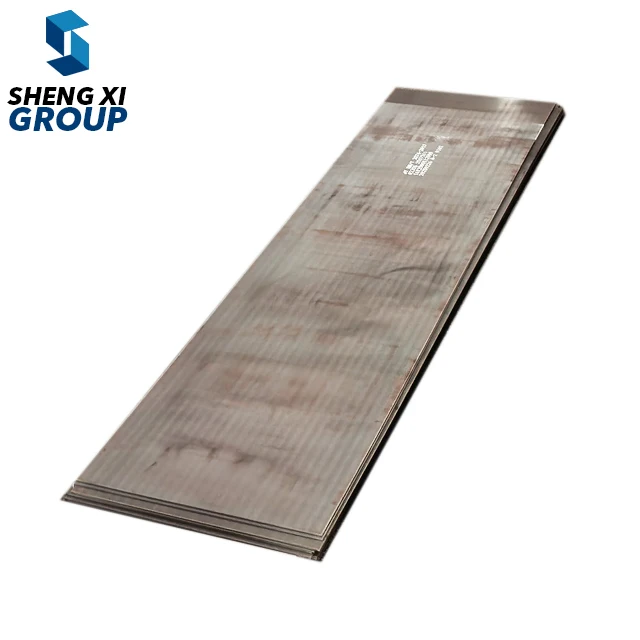
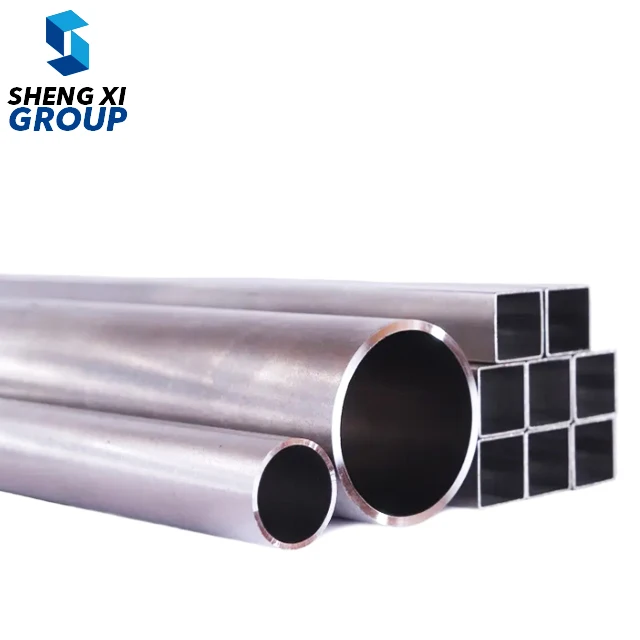
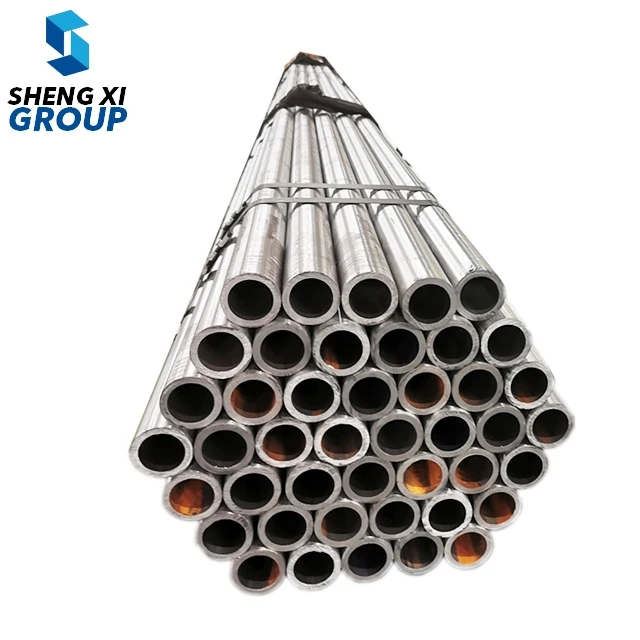
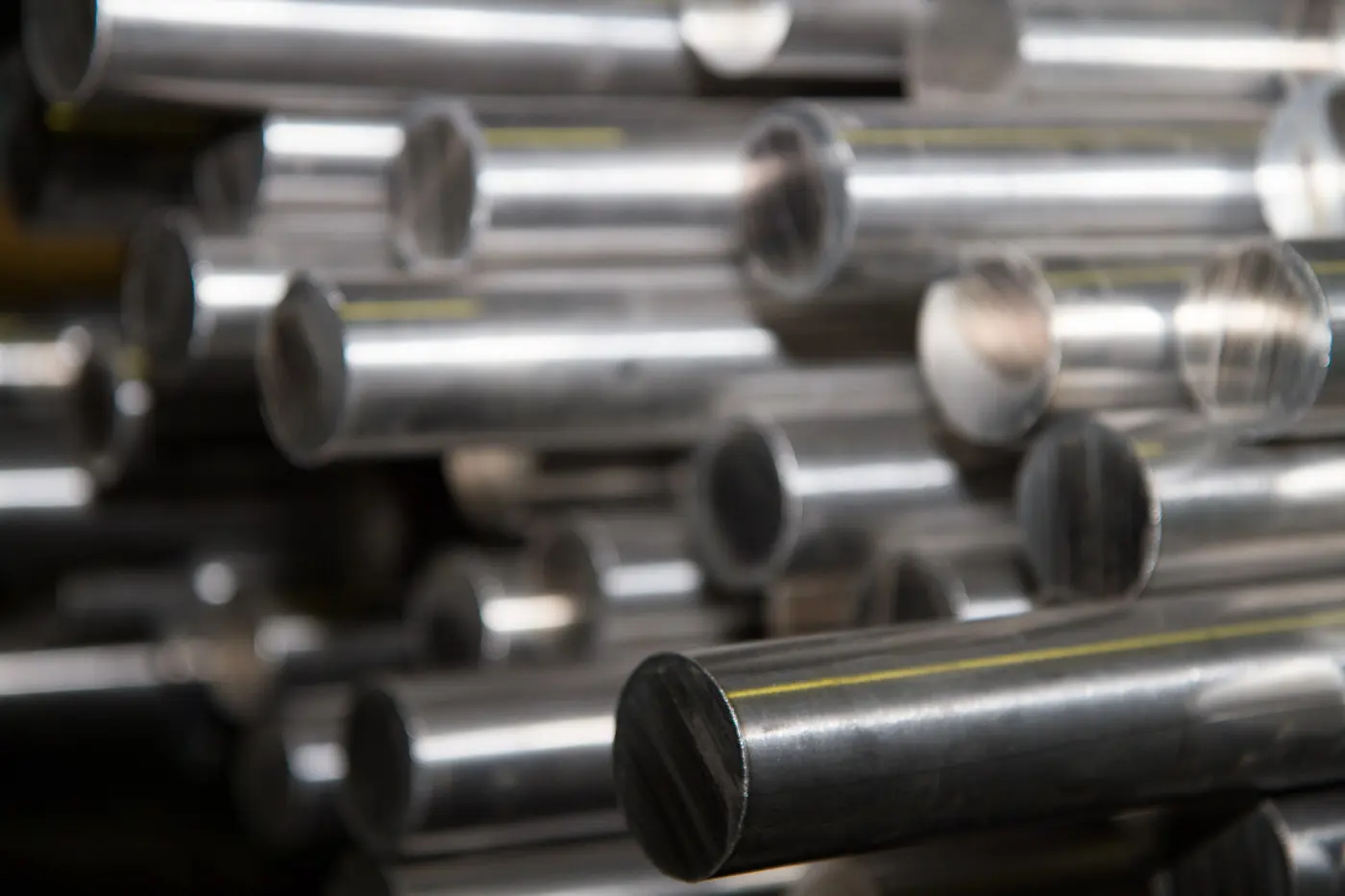
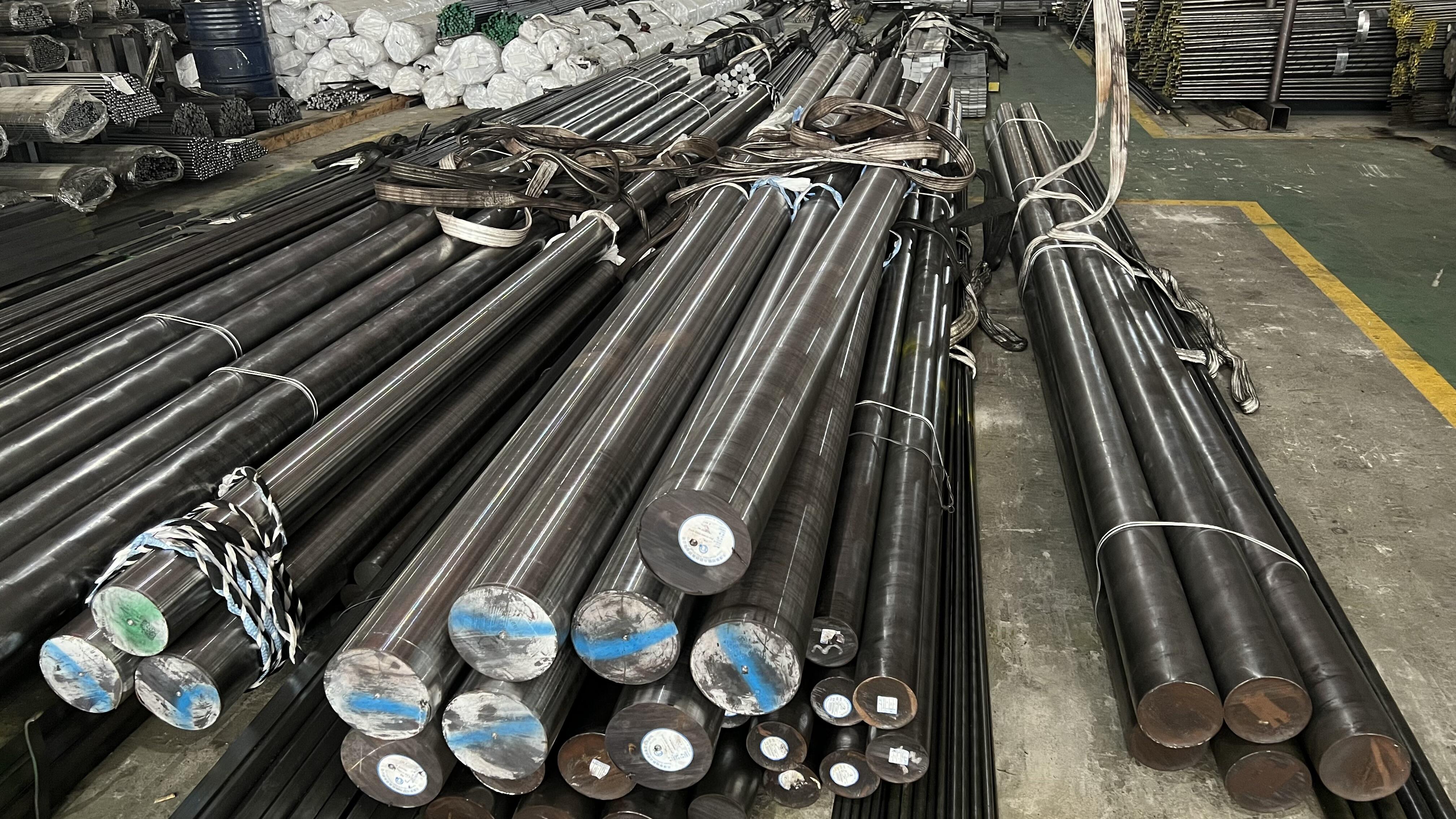
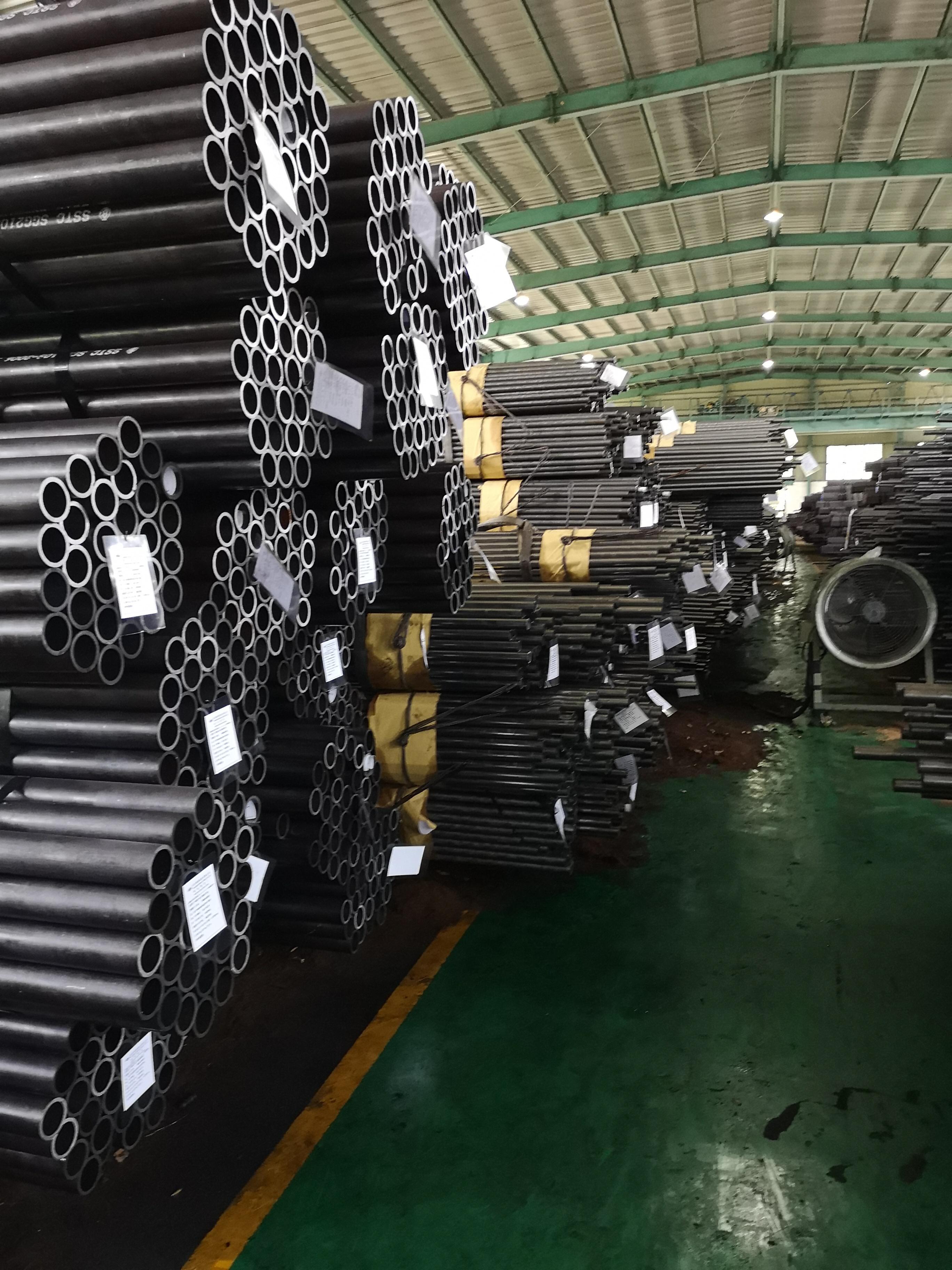
Cr mo alloy steel represents a sophisticated metallurgical achievement that combines chromium and molybdenum with carbon steel to create a superior material with enhanced mechanical properties. This specialized alloy steel demonstrates exceptional strength, durability, and heat resistance, making it an indispensable choice for demanding industrial applications. The cr mo alloy steel composition typically includes 0.8% to 1.25% chromium and 0.15% to 0.30% molybdenum, which significantly improves the base steel's performance characteristics. The primary functions of cr mo alloy steel revolve around providing superior tensile strength, enhanced corrosion resistance, and improved high-temperature stability. These properties enable the material to withstand extreme operating conditions while maintaining structural integrity over extended periods. Technological features of cr mo alloy steel include its ability to maintain hardness at elevated temperatures, excellent weldability characteristics, and superior fatigue resistance compared to conventional carbon steels. The alloy's microstructure exhibits fine-grained composition that contributes to its enhanced mechanical properties and consistent performance across various applications. Manufacturing processes for cr mo alloy steel involve precise temperature control during heat treatment, allowing for optimal grain refinement and property development. Applications of cr mo alloy steel span across multiple industries, including oil and gas exploration, power generation, aerospace manufacturing, and heavy machinery construction. In the petroleum industry, cr mo alloy steel serves as the preferred material for pressure vessels, pipelines, and refinery equipment due to its resistance to hydrogen embrittlement and sulfur corrosion. Power plants utilize this alloy steel for boiler tubes, steam headers, and turbine components where high-temperature strength is critical. The automotive industry employs cr mo alloy steel in manufacturing high-performance engine components, transmission parts, and suspension systems where reliability and strength are paramount requirements.

New Products

Cr mo alloy steel delivers remarkable benefits that make it the preferred choice for engineers and manufacturers seeking reliable, high-performance materials. The superior strength-to-weight ratio of cr mo alloy steel enables designers to create lighter structures without compromising durability or safety margins. This advantage translates into significant cost savings during transportation, installation, and long-term maintenance operations. The enhanced corrosion resistance properties of cr mo alloy steel provide exceptional protection against environmental degradation, reducing replacement frequencies and minimizing downtime in critical applications. Industries operating in harsh environments benefit tremendously from this corrosion resistance, as it extends equipment lifespan and reduces maintenance costs substantially. Temperature stability represents another crucial advantage of cr mo alloy steel, maintaining its mechanical properties even under extreme heat conditions that would cause conventional steels to fail or degrade rapidly. This thermal stability ensures consistent performance in high-temperature applications such as power generation, chemical processing, and aerospace operations. The improved machinability of cr mo alloy steel allows manufacturers to achieve precise tolerances and superior surface finishes with standard machining equipment, reducing production time and tooling costs. Welding characteristics of cr mo alloy steel surpass those of many alternative materials, enabling fabricators to create complex structures with confidence in joint integrity and strength. The material's excellent fatigue resistance prevents crack propagation under cyclic loading conditions, making it ideal for components subjected to repetitive stress cycles. Economic advantages of cr mo alloy steel include reduced lifecycle costs due to extended service life, lower maintenance requirements, and improved operational efficiency. The material's reliability minimizes unexpected failures and associated downtime costs, providing significant value to operations where continuous service is essential. Processing flexibility allows cr mo alloy steel to be formed, heat-treated, and finished using conventional methods, reducing the need for specialized equipment or techniques. Quality consistency in cr mo alloy steel production ensures predictable performance characteristics, enabling engineers to design with confidence and maintain tight safety margins. The recyclability of cr mo alloy steel supports environmental sustainability goals while providing economic benefits through material recovery and reuse programs.

Latest News

Development trends of high-strength steel

22

Sep

Development trends of high-strength steel

The Evolution of Advanced Steel Manufacturing The metallurgical industry has witnessed a remarkable transformation in recent decades, with high-strength steel emerging as a cornerstone of modern manufacturing. This innovative material has revolutioni...
View More
Application fields of tool steel

27

Nov

Application fields of tool steel

Understanding the Versatility of Modern Tool Steel Tool steel represents one of the most versatile and robust materials in modern manufacturing and industrial applications. This specialized form of steel, characterized by its exceptional hardness, re...
View More
Is material fatigue the main cause of cracking in hot-work die steel?‌

31

Oct

Is material fatigue the main cause of cracking in hot-work die steel?‌

Understanding the Complex Nature of Hot-Work Die Steel Failures In the world of industrial manufacturing, hot-work die steel plays a crucial role in shaping and forming metals at elevated temperatures. While material fatigue is often cited as a prima...
View More
Can PM high-speed steel eliminate segregation defects?

31

Oct

Can PM high-speed steel eliminate segregation defects?

Understanding the Revolutionary Impact of Powder Metallurgy in High-Speed Steel Production The metallurgical industry has witnessed a significant transformation with the advent of powder metallurgy (PM) technology in high-speed steel manufacturing. P...
View More

Get a Free Quote

Our representative will contact you soon.
Email
Name
Company Name
Message
0/1000

cr mo alloy steel

Exceptional High-Temperature Performance and Thermal Stability

Exceptional High-Temperature Performance and Thermal Stability

The outstanding high-temperature performance of cr mo alloy steel sets it apart from conventional materials, making it indispensable for applications requiring sustained operation under extreme thermal conditions. This remarkable characteristic stems from the synergistic effects of chromium and molybdenum additions, which create a stable microstructure capable of maintaining mechanical properties at elevated temperatures. The chromium content in cr mo alloy steel enhances oxidation resistance, forming a protective oxide layer that prevents further degradation even at temperatures exceeding 600 degrees Celsius. Molybdenum contributes significantly to the alloy's creep resistance, preventing deformation under constant load at high temperatures over extended periods. Industries such as power generation rely heavily on this thermal stability for boiler tubes, superheater sections, and steam piping systems where continuous exposure to high-temperature steam and combustion gases is unavoidable. The cr mo alloy steel maintains its yield strength and tensile properties far better than carbon steel alternatives, ensuring structural integrity throughout the equipment's operational life. This thermal performance advantage translates into reduced maintenance schedules, lower replacement costs, and improved plant availability for power generation facilities. Chemical processing plants benefit enormously from the thermal stability of cr mo alloy steel in reactor vessels, heat exchangers, and distillation columns where temperature fluctuations and sustained high-heat operations are common. The material's ability to resist thermal shock and maintain dimensional stability under rapid temperature changes prevents costly equipment failures and production interruptions. Aerospace applications leverage the high-temperature capabilities of cr mo alloy steel for engine components, exhaust systems, and structural elements exposed to extreme thermal cycling during flight operations. The consistent performance characteristics of cr mo alloy steel at elevated temperatures enable engineers to design with confidence, knowing that safety margins will be maintained throughout the component's service life. This reliability factor is particularly crucial in critical applications where failure could result in catastrophic consequences or significant economic losses.
Superior Corrosion Resistance and Environmental Durability

Superior Corrosion Resistance and Environmental Durability

The exceptional corrosion resistance properties of cr mo alloy steel provide unparalleled protection against various forms of environmental degradation, making it the material of choice for challenging service conditions. The chromium content in cr mo alloy steel forms a passive oxide film on the surface that acts as a barrier against corrosive agents, while molybdenum enhances resistance to pitting and crevice corrosion in chloride-containing environments. This dual protection mechanism ensures long-term durability in marine applications, chemical processing facilities, and offshore oil platforms where exposure to saltwater and aggressive chemicals is constant. The cr mo alloy steel demonstrates remarkable resistance to hydrogen sulfide corrosion, a critical advantage in oil and gas production where sour service conditions are prevalent. This resistance prevents hydrogen embrittlement and sulfide stress cracking, which can cause catastrophic failures in conventional carbon steel components. Industries processing corrosive chemicals benefit significantly from the enhanced corrosion resistance of cr mo alloy steel, as it extends equipment life and reduces the frequency of costly shutdowns for maintenance and replacement. The material's resistance to general corrosion, galvanic corrosion, and stress corrosion cracking provides comprehensive protection in diverse operating environments. Offshore applications particularly benefit from the superior environmental durability of cr mo alloy steel, where constant exposure to seawater, salt spray, and varying weather conditions would rapidly degrade lesser materials. The reduced corrosion rates translate directly into lower maintenance costs, extended service intervals, and improved operational reliability for critical infrastructure. Pulp and paper industries utilize cr mo alloy steel for equipment handling bleaching chemicals and acidic solutions, where conventional materials would require frequent replacement due to corrosive attack. The long-term cost benefits of using cr mo alloy steel become evident through reduced downtime, lower replacement part inventories, and decreased maintenance labor requirements. Environmental compliance benefits also arise from the enhanced durability of cr mo alloy steel, as longer service life reduces waste generation and the environmental impact associated with frequent equipment replacement. The material's ability to maintain protective surface films even after mechanical damage provides self-healing characteristics that further extend service life in challenging environments.
Enhanced Mechanical Properties and Structural Reliability

Enhanced Mechanical Properties and Structural Reliability

The superior mechanical properties of cr mo alloy steel deliver exceptional structural reliability that surpasses conventional carbon steel alternatives across a wide range of demanding applications. The carefully controlled addition of chromium and molybdenum creates a refined microstructure with improved grain boundaries, resulting in enhanced tensile strength, yield strength, and impact toughness. This cr mo alloy steel exhibits excellent fatigue resistance, withstanding millions of stress cycles without crack initiation or propagation, making it ideal for rotating machinery, pressure vessels, and structural components subjected to dynamic loading. The improved hardenability of cr mo alloy steel allows for uniform hardening throughout thick sections, ensuring consistent mechanical properties from surface to core in large components. This characteristic is particularly valuable in heavy industrial applications where component reliability is critical for operational safety and productivity. The enhanced toughness properties of cr mo alloy steel provide superior resistance to brittle fracture, even at reduced temperatures where conventional steels become prone to sudden failure. Industries operating in cold climates or cryogenic applications benefit from this low-temperature toughness, ensuring reliable performance in arctic oil exploration, LNG facilities, and cold storage applications. The superior weldability of cr mo alloy steel enables fabrication of complex structures while maintaining joint strength and integrity equivalent to the base material properties. This advantage reduces manufacturing constraints and allows for innovative design solutions that optimize performance while minimizing weight and cost. Pressure vessel manufacturers particularly value the mechanical reliability of cr mo alloy steel, as it enables higher working pressures and improved safety factors compared to conventional materials. The material's consistent mechanical properties across different heat sizes and processing conditions ensure predictable performance in critical applications where failure is not acceptable. Quality control benefits arise from the stable mechanical characteristics of cr mo alloy steel, allowing manufacturers to maintain tighter tolerances and improved product consistency. The enhanced mechanical properties also enable weight reduction in structural applications, as higher strength allows for thinner sections while maintaining required load-carrying capacity. This advantage provides cascading benefits including reduced material costs, lower transportation expenses, and simplified installation procedures for large structures and equipment.
High-Performance Cr Mo Alloy Steel: Superior Strength, Corrosion Resistance & Heat Stability Solutions

Get a Free Quote

Our representative will contact you soon.
Email
Name
Company Name
Message
0/1000