cr mo steel
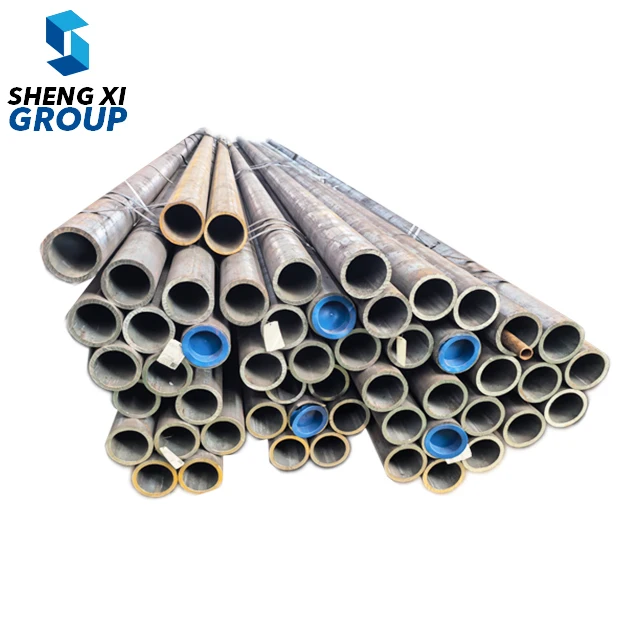
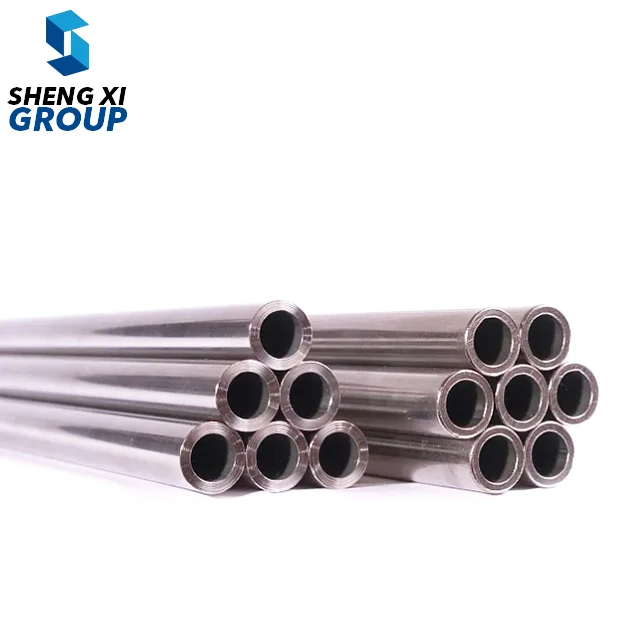
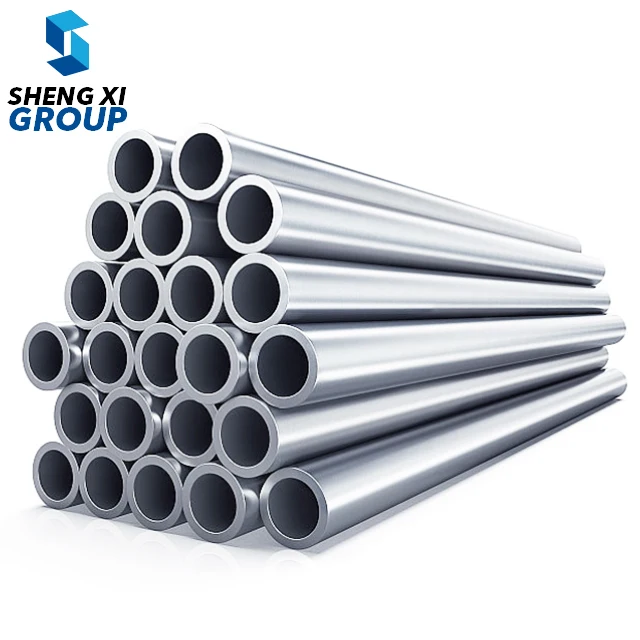
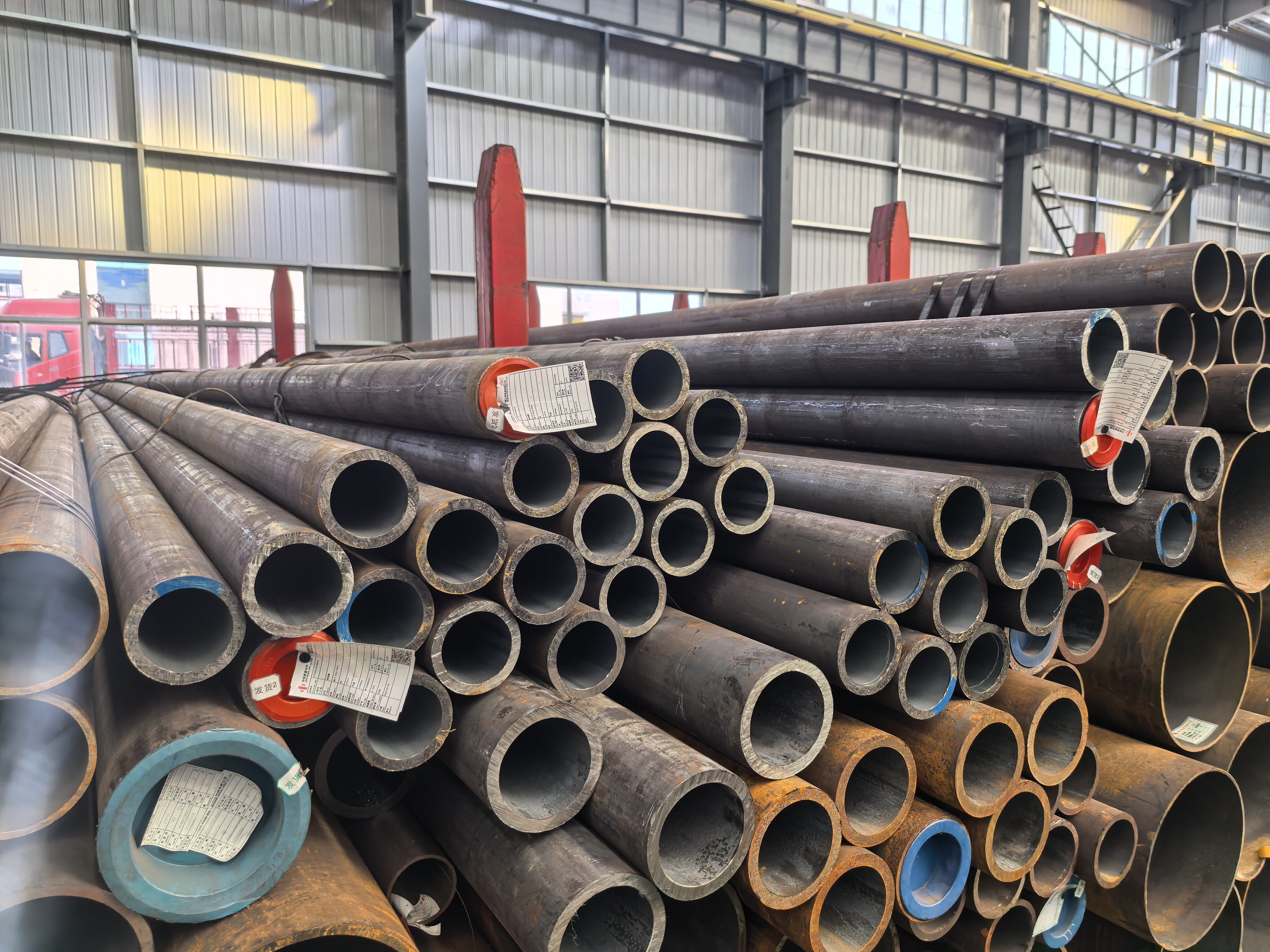
Cr mo steel, also known as chromium molybdenum steel, represents a premium grade of alloy steel that delivers exceptional performance in demanding industrial applications. This specialized steel combines the base iron matrix with precise amounts of chromium and molybdenum, creating a material that exhibits remarkable strength, durability, and resistance to various environmental challenges. The chromium content typically ranges from 0.8% to 1.1%, while molybdenum comprises approximately 0.15% to 0.25% of the composition, resulting in a steel grade that surpasses conventional carbon steel in multiple performance metrics. The primary function of cr mo steel centers on providing structural integrity and mechanical reliability in high-stress environments where standard materials would fail prematurely. Its enhanced hardenability allows for deep penetration of heat treatment effects, ensuring uniform properties throughout thick sections. The technological features of cr mo steel include superior tensile strength, excellent fatigue resistance, and improved toughness at elevated temperatures. These characteristics make it particularly valuable in applications requiring sustained performance under cyclic loading conditions. The steel exhibits remarkable weldability when proper procedures are followed, maintaining joint integrity without significant loss of mechanical properties. Temperature stability represents another crucial technological advantage, as cr mo steel maintains its structural properties across a wide temperature range, from sub-zero conditions to moderately elevated temperatures. Manufacturing processes for cr mo steel involve careful control of chemical composition, heat treatment parameters, and quality assurance protocols to ensure consistent performance characteristics. The steel responds well to various heat treatment methods, including normalizing, quenching, and tempering, allowing manufacturers to tailor properties for specific applications. Common applications include pressure vessels, boiler tubes, structural components in power generation facilities, automotive drivetrain components, and heavy machinery parts where reliability is paramount.

 EN
EN