34 cr mo 4 steel
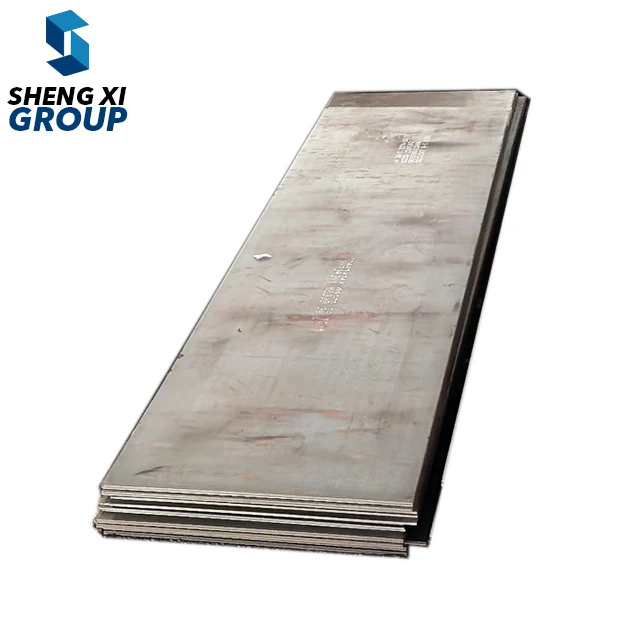
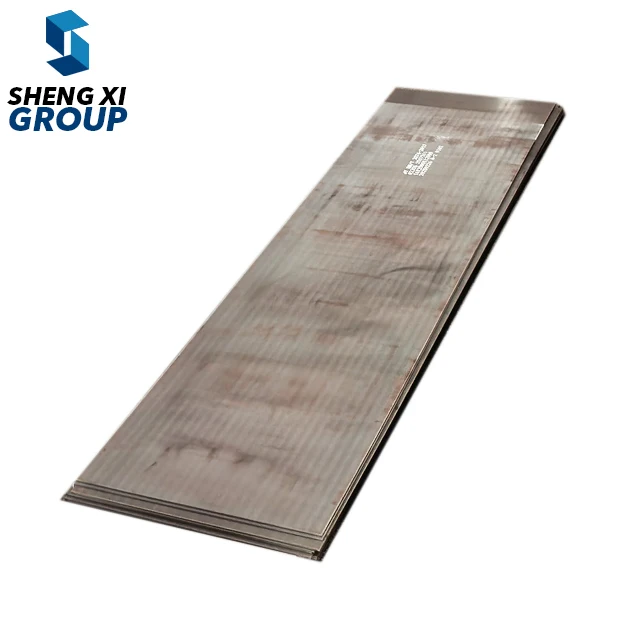
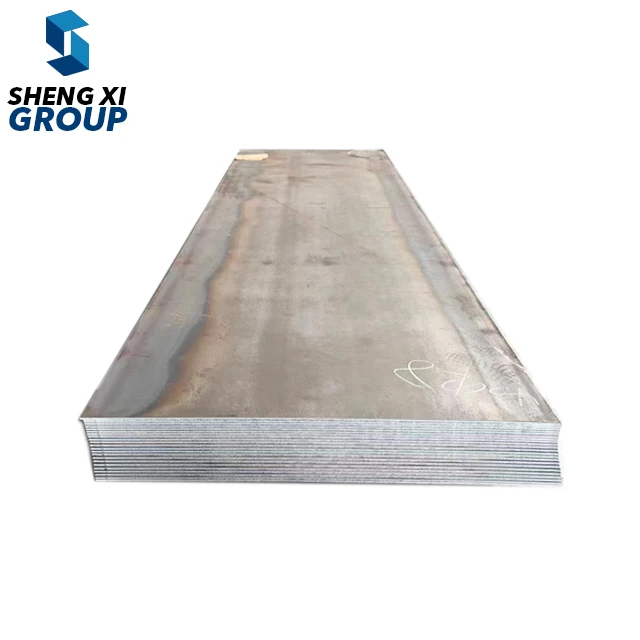
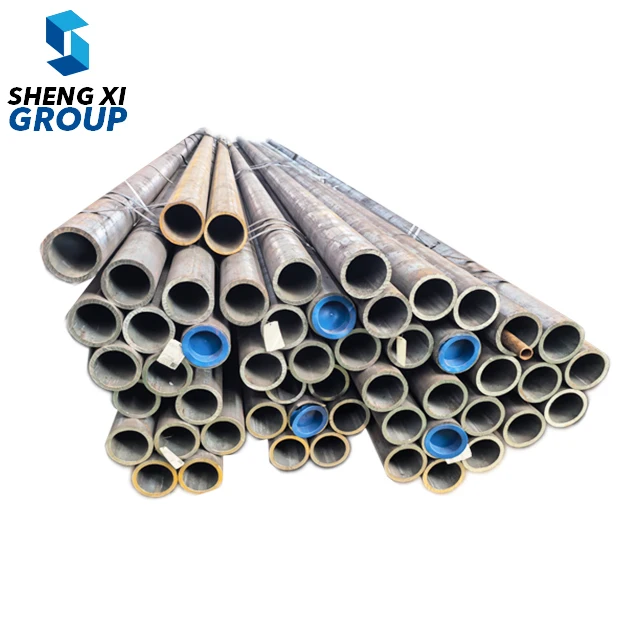
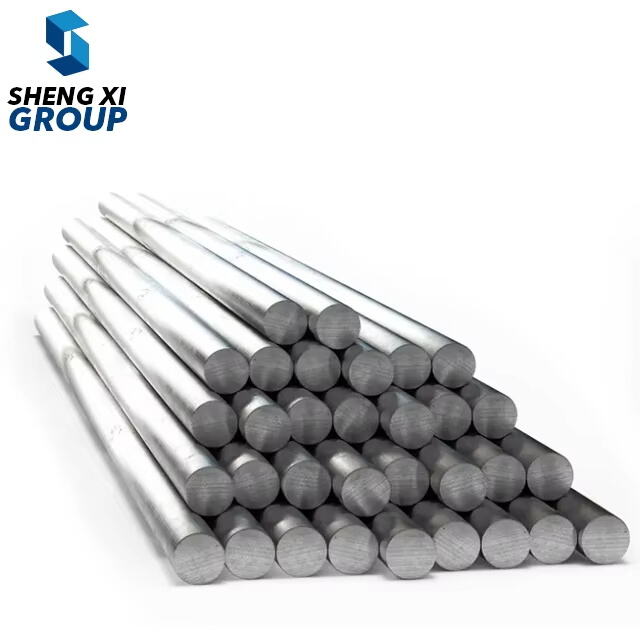
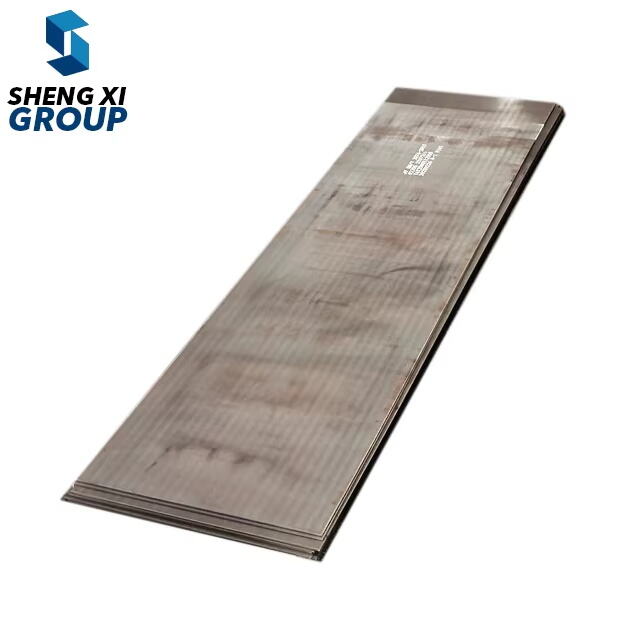
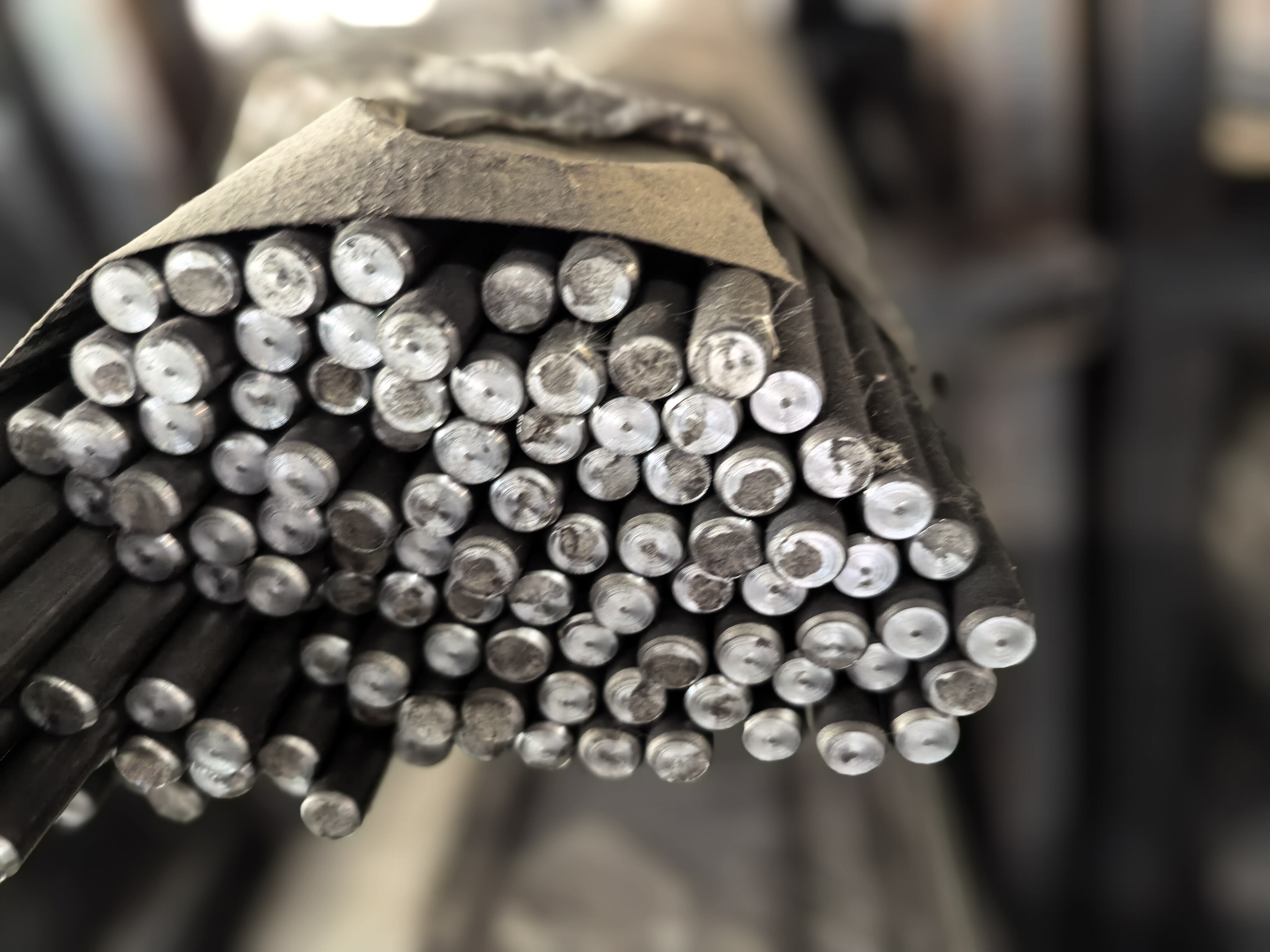
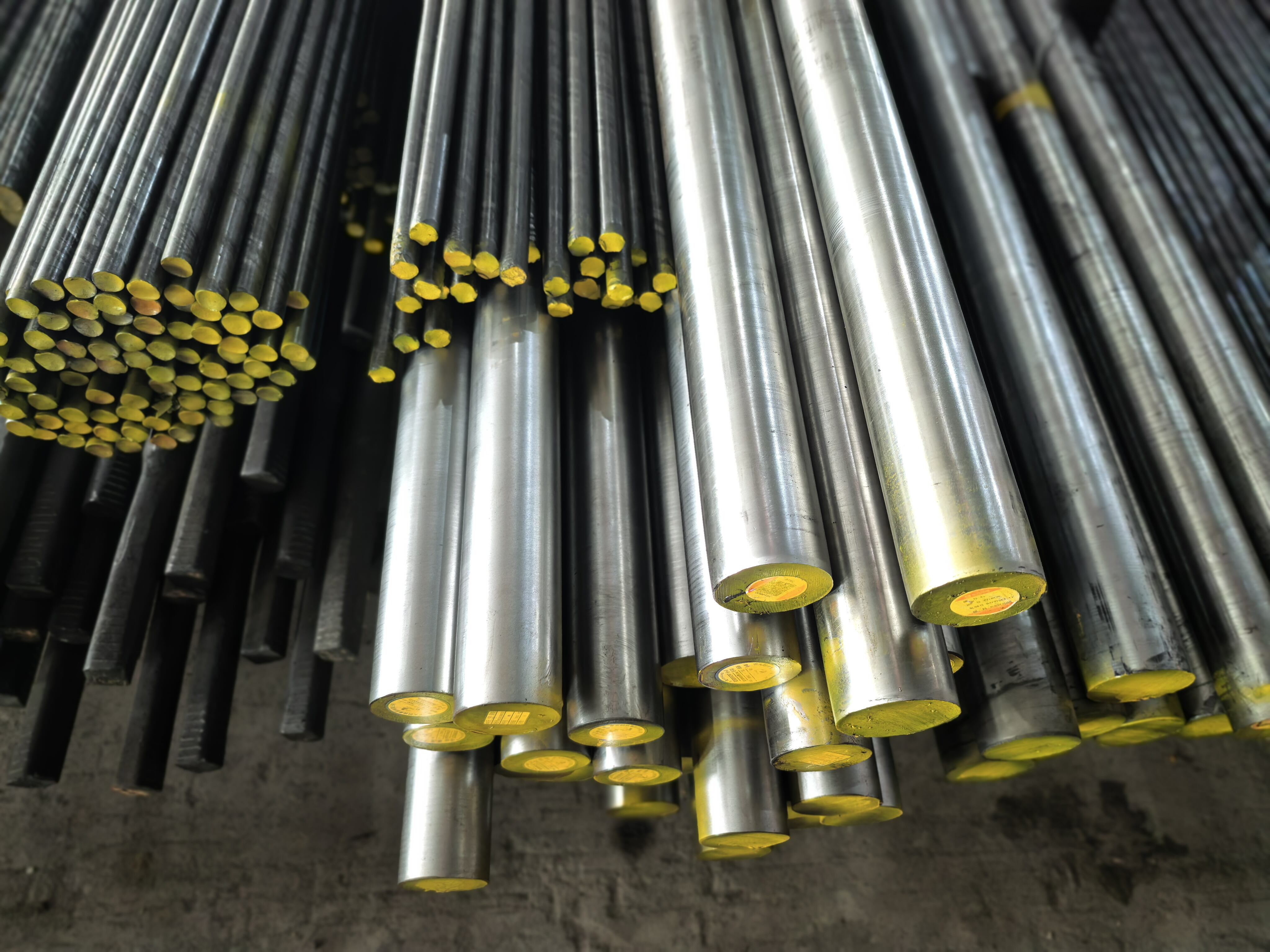
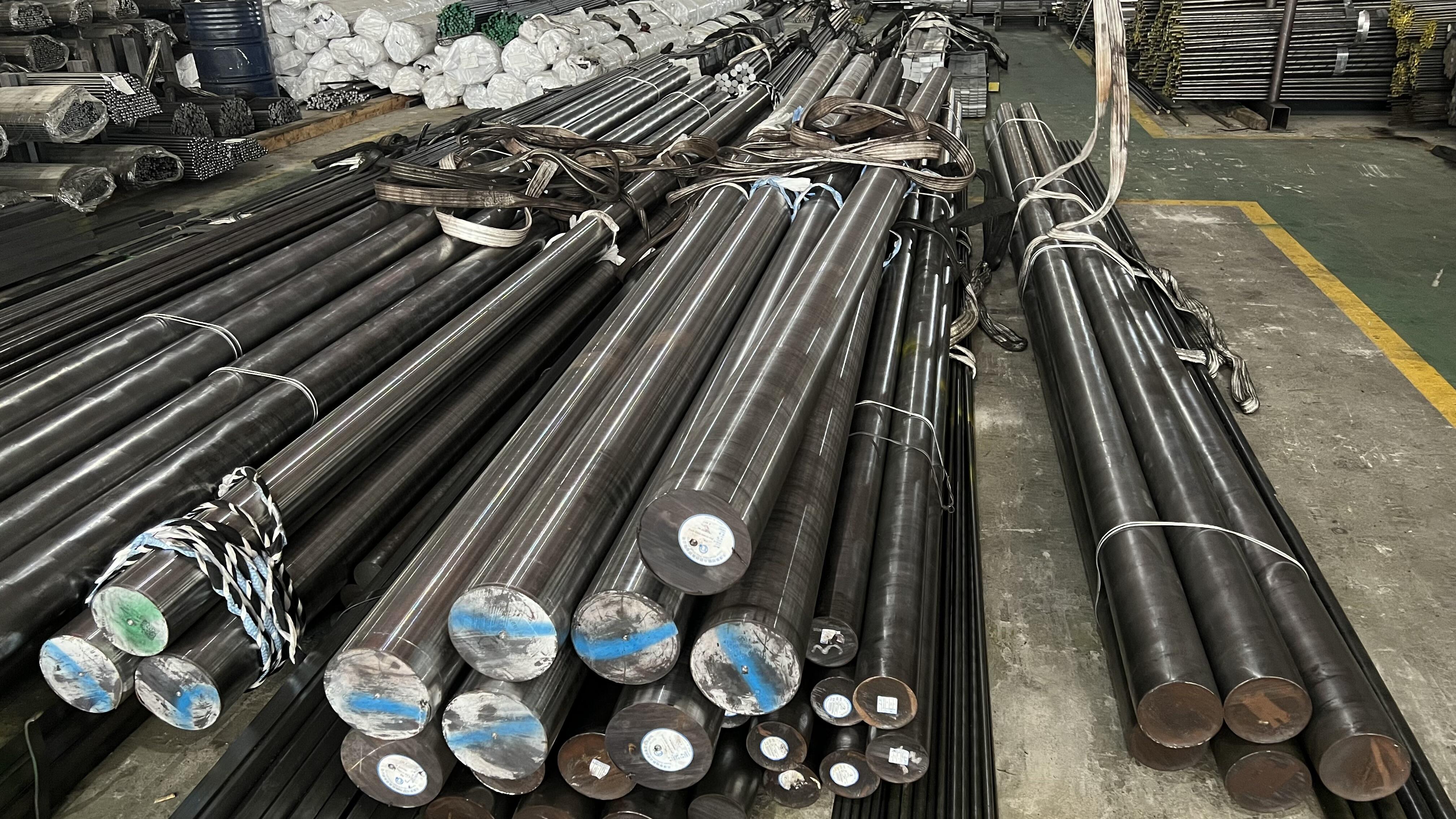
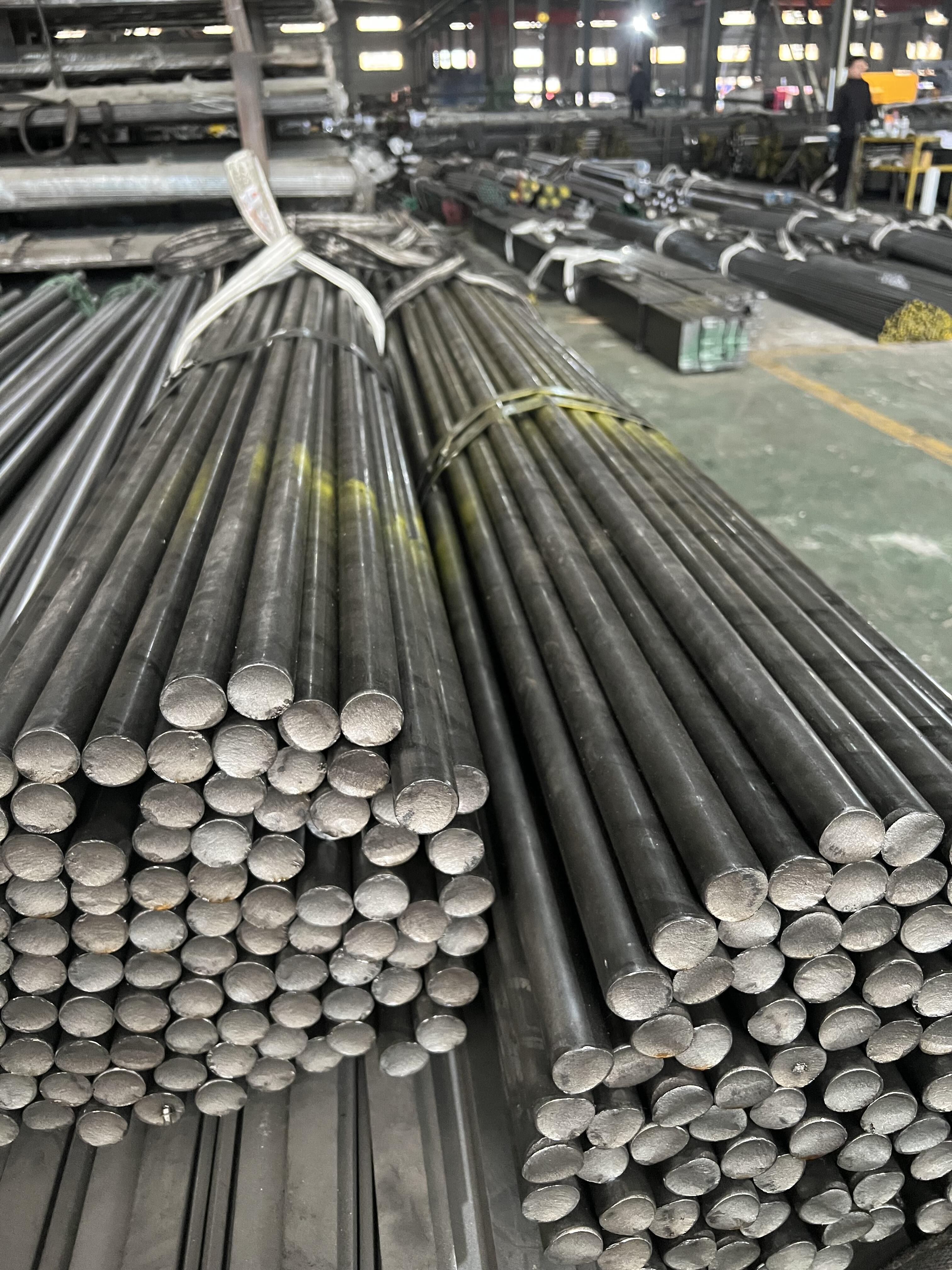
The 34 Cr Mo 4 steel represents a premium alloy steel grade that combines chromium and molybdenum elements to deliver exceptional mechanical properties and versatility across industrial applications. This low-alloy steel designation follows European EN standards and corresponds to similar grades like AISI 4130 in American specifications. The composition typically contains 0.30-0.37% carbon, 0.90-1.20% chromium, and 0.15-0.25% molybdenum, creating a balanced chemical structure that enhances both strength and toughness characteristics. The primary functions of 34 Cr Mo 4 steel center around providing high tensile strength, excellent fatigue resistance, and superior hardenability compared to conventional carbon steels. Its technological features include remarkable weldability, which allows for complex fabrication processes without compromising structural integrity. The steel exhibits excellent machinability in both annealed and normalized conditions, making it suitable for precision manufacturing operations. Heat treatment capabilities stand as another significant technological advantage, as 34 Cr Mo 4 steel responds exceptionally well to quenching and tempering processes, achieving desired hardness levels while maintaining ductility. The microstructural stability at elevated temperatures makes this steel particularly valuable in applications requiring thermal cycling resistance. Applications span diverse industrial sectors including automotive manufacturing, where 34 Cr Mo 4 steel finds extensive use in crankshafts, connecting rods, and transmission components. The aerospace industry utilizes this material for landing gear components, engine mounts, and structural elements requiring high strength-to-weight ratios. Oil and gas sectors employ 34 Cr Mo 4 steel in drilling equipment, pipeline components, and pressure vessels due to its corrosion resistance and mechanical reliability. Manufacturing industries appreciate its versatility in producing machine tools, hydraulic cylinders, and heavy-duty fasteners. The construction sector benefits from its application in high-stress structural components and specialized bolting systems where safety and durability remain paramount.

 EN
EN