25 crmo 4
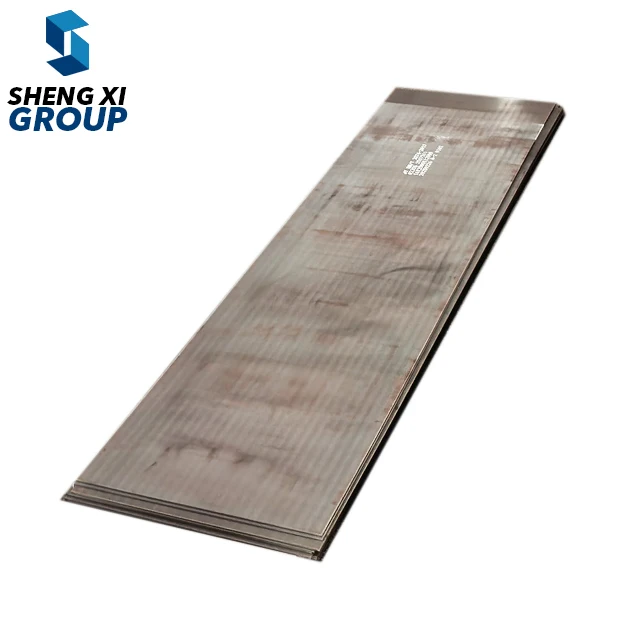
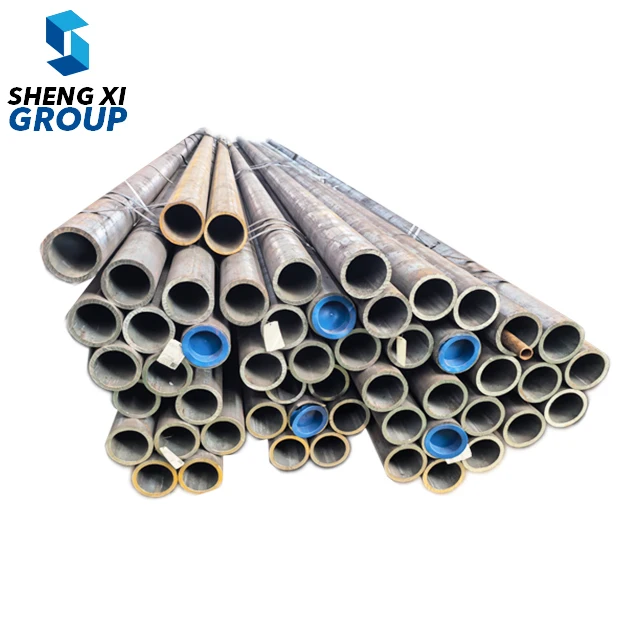
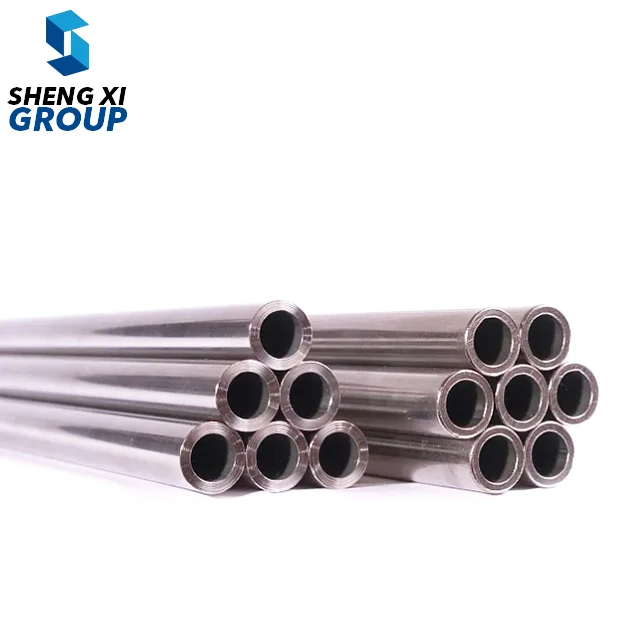
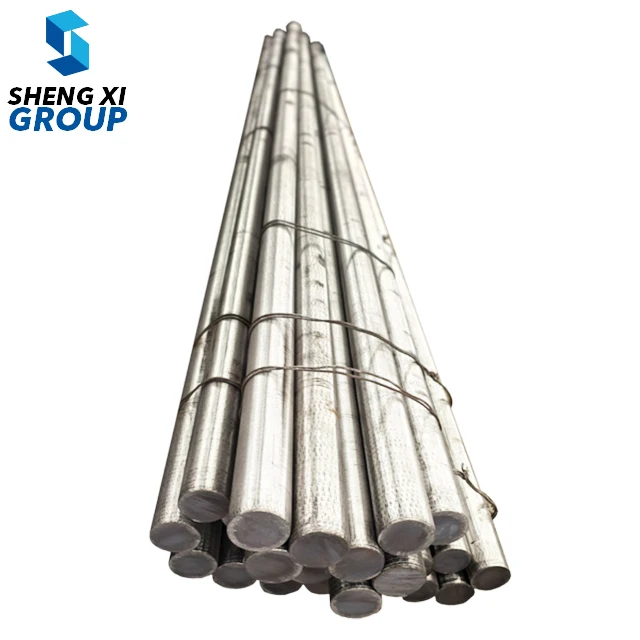
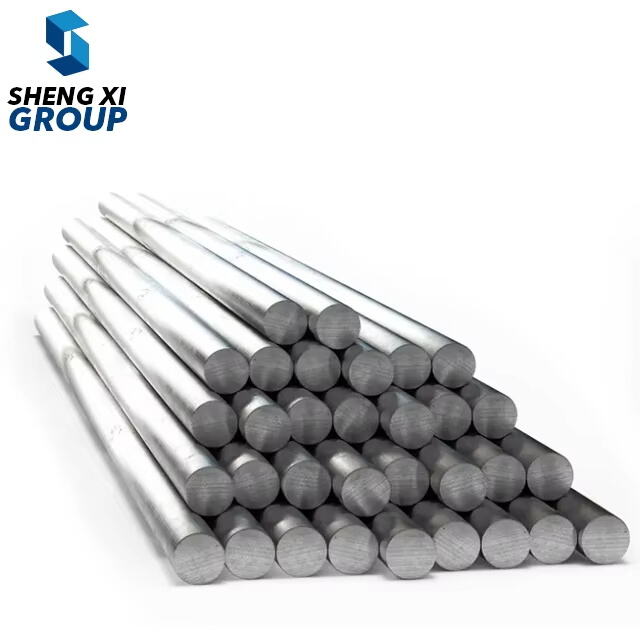
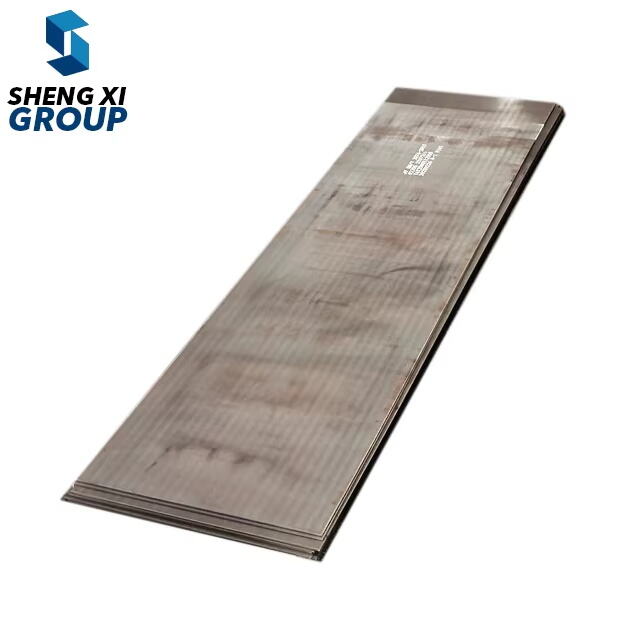
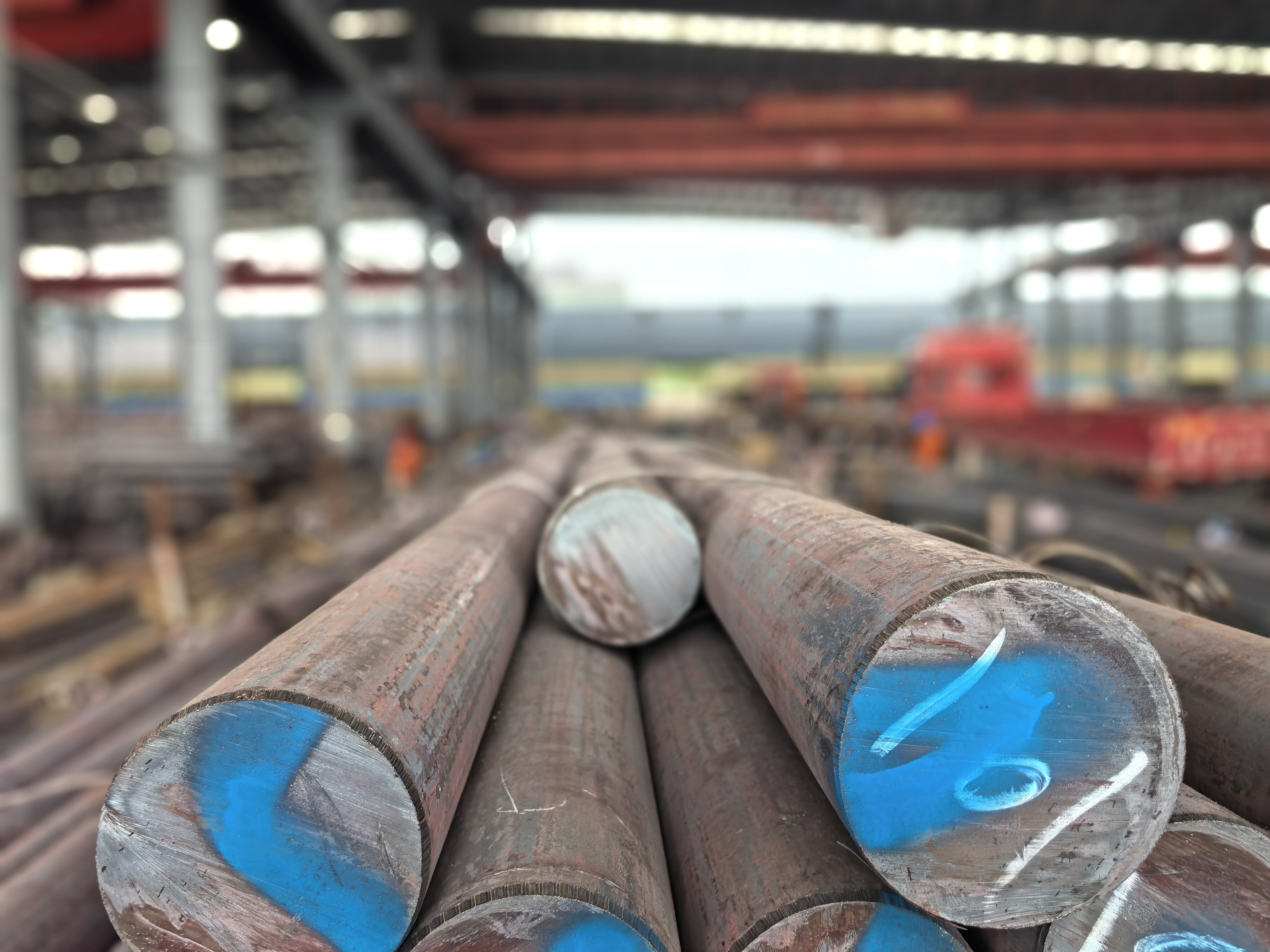
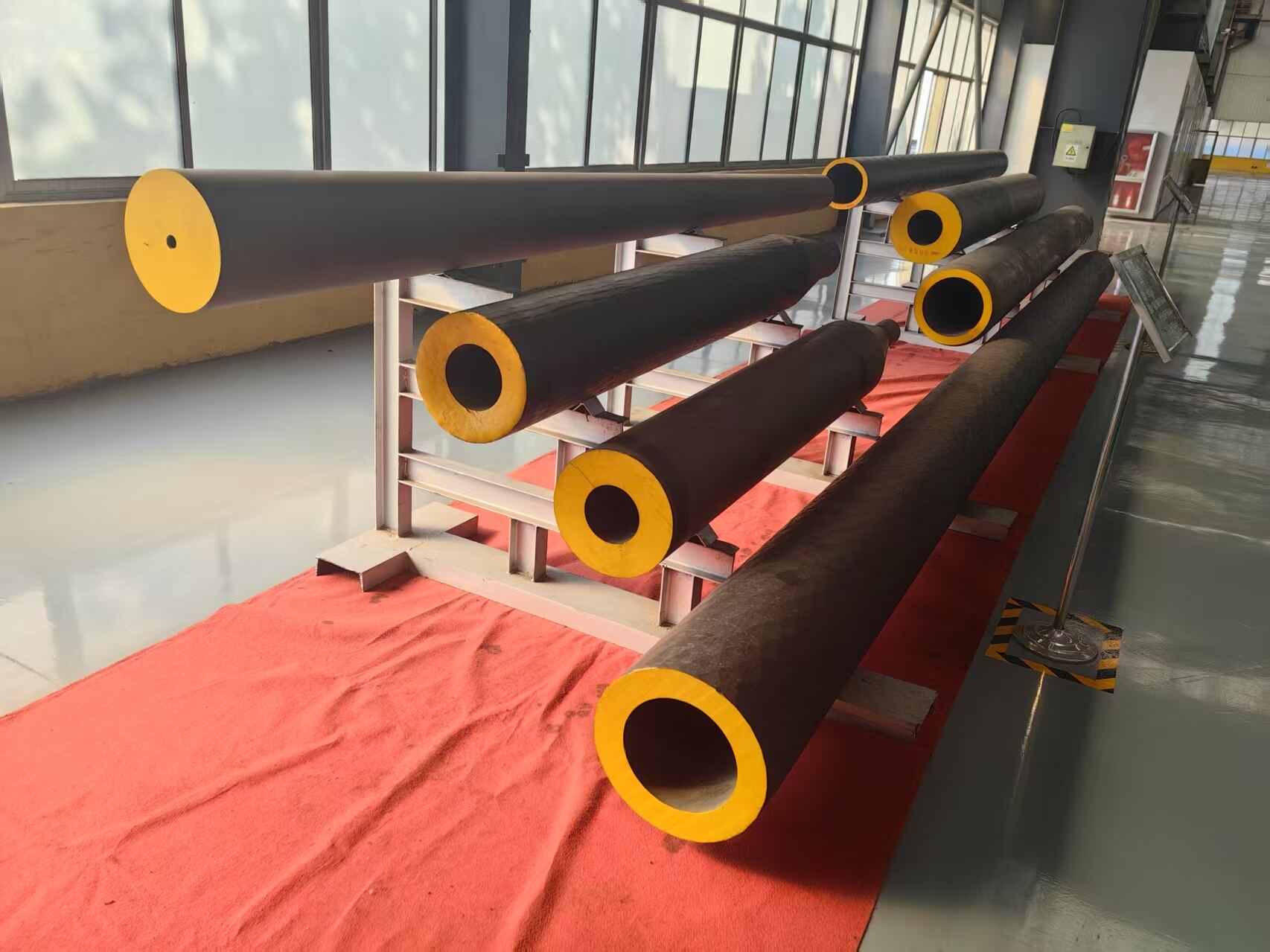
The 25 CrMo 4 steel represents a premium alloy steel grade that has earned widespread recognition in demanding industrial applications worldwide. This chromium-molybdenum steel combines exceptional strength characteristics with remarkable versatility, making it an indispensable material for critical engineering projects. The designation 25 CrMo 4 indicates its chemical composition, containing approximately 0.25 percent carbon, chromium, and molybdenum as primary alloying elements. These elements work synergistically to create a material with superior mechanical properties and enhanced performance under extreme conditions. The technological features of 25 CrMo 4 include excellent hardenability, which allows for uniform hardening throughout thick sections. This characteristic ensures consistent mechanical properties across varying cross-sections, eliminating weak points that could compromise structural integrity. The steel exhibits remarkable fatigue resistance, enabling components to withstand millions of stress cycles without failure. Its fine grain structure contributes to enhanced toughness, while the chromium content provides improved corrosion resistance compared to plain carbon steels. The molybdenum addition significantly increases the material's creep strength at elevated temperatures, making 25 CrMo 4 suitable for high-temperature applications. The main functions of 25 CrMo 4 encompass structural applications where high strength-to-weight ratios are critical. It serves as the backbone material for pressure vessels, steam boilers, and heat exchangers in power generation facilities. The automotive industry relies heavily on 25 CrMo 4 for manufacturing crankshafts, connecting rods, and transmission components that must endure constant mechanical stress. In the oil and gas sector, this steel grade forms the foundation for drilling equipment, pipeline components, and offshore structures that face harsh environmental conditions. The aerospace industry utilizes 25 CrMo 4 for landing gear components and engine parts where reliability cannot be compromised. Construction machinery manufacturers depend on this alloy steel for excavator arms, hydraulic cylinders, and heavy-duty structural components that require exceptional durability and load-bearing capacity.

 EN
EN