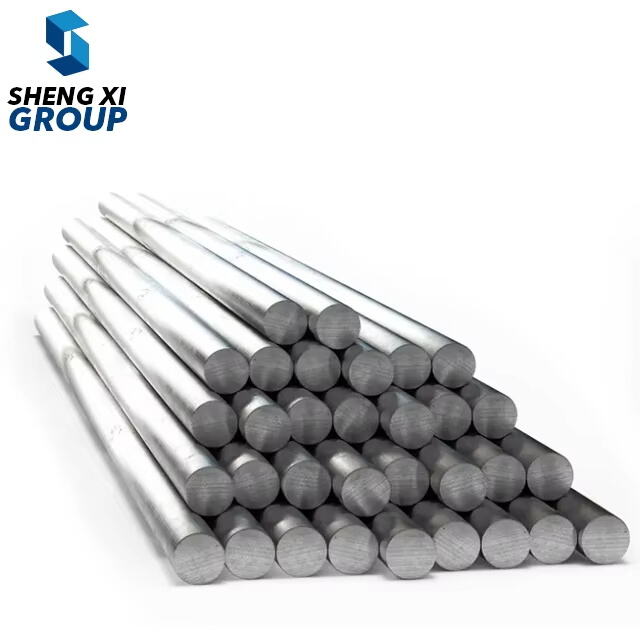
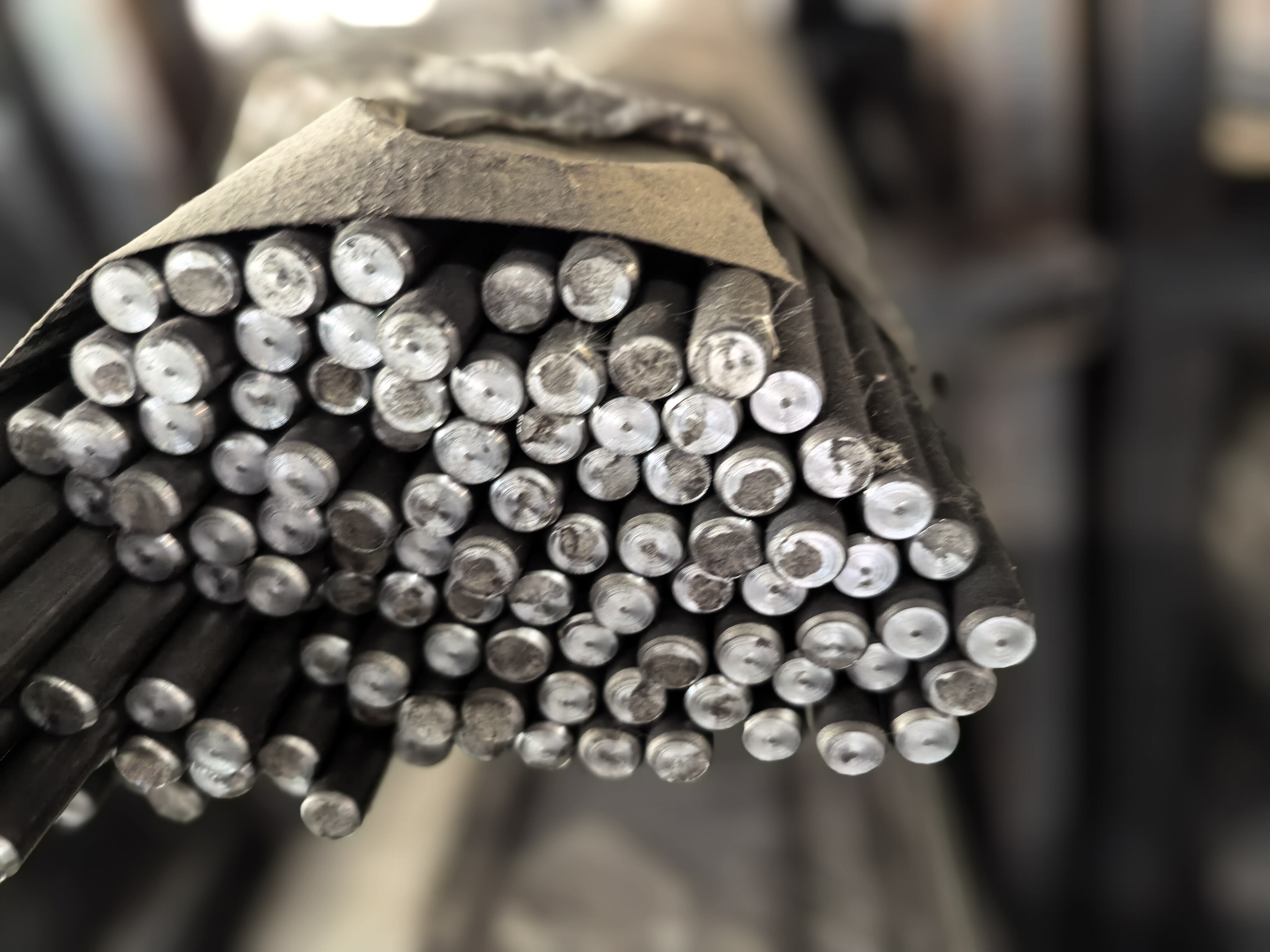
D2 Tool Steel: Premium Cold Work Steel for Superior Wear Resistance and Tool Performance

All Categories

d2 tool steel

D2 tool steel stands as one of the most widely recognized and utilized cold work tool steels in manufacturing and industrial applications. This high-carbon, high-chromium steel belongs to the air-hardening category, offering exceptional performance characteristics that make it indispensable across various industries. D2 tool steel contains approximately 1.5% carbon and 12% chromium, along with smaller amounts of molybdenum and vanadium, creating a metallurgical composition that delivers outstanding wear resistance and dimensional stability. The steel achieves its remarkable properties through a carefully controlled heat treatment process, allowing it to reach hardness levels between 58-62 HRC while maintaining excellent toughness. Manufacturing professionals rely on D2 tool steel for its ability to maintain sharp cutting edges and resist deformation under heavy loads. The material exhibits superior machinability in its annealed condition, making it relatively easy to shape and form before heat treatment. Once hardened, D2 tool steel demonstrates exceptional resistance to abrasive wear, making it ideal for applications involving repeated contact with hard materials. The steel's air-hardening characteristics eliminate the need for oil or water quenching, reducing the risk of cracking and distortion during heat treatment processes. D2 tool steel finds extensive use in punch and die applications, cutting tools, forming dies, blanking dies, thread rolling dies, and various industrial knives. Its balanced combination of hardness, toughness, and wear resistance makes it particularly valuable in high-volume production environments where tool longevity directly impacts operational costs. The material's resistance to softening at elevated temperatures ensures consistent performance even under demanding working conditions, while its fine grain structure contributes to excellent surface finish capabilities in manufactured components.


New Products

D2 tool steel offers numerous practical benefits that translate directly into cost savings and improved productivity for manufacturing operations. The most significant advantage lies in its exceptional wear resistance, which extends tool life significantly compared to conventional carbon steels. This extended service life reduces replacement costs and minimizes production downtime, allowing businesses to maintain continuous operations while reducing overall tooling expenses. The steel's superior edge retention capability ensures that cutting tools maintain their sharpness longer, resulting in cleaner cuts, better surface finishes, and reduced need for frequent tool changes or resharpening. D2 tool steel demonstrates excellent dimensional stability during heat treatment, meaning tools maintain their precise measurements and tolerances even after hardening processes. This stability eliminates the costly rework often associated with tool distortion and ensures consistent part quality throughout production runs. The material's air-hardening properties provide significant advantages in heat treatment operations, as it eliminates the need for complex quenching media and reduces the risk of cracking or warping that commonly occurs with oil or water quenching methods. Manufacturing facilities benefit from simplified heat treatment procedures, reduced equipment requirements, and lower energy consumption. D2 tool steel exhibits outstanding resistance to galling and seizing, particularly important in forming operations where metal-to-metal contact occurs under high pressure. This resistance prevents tool damage and reduces the need for frequent maintenance interventions. The steel's ability to maintain hardness at elevated temperatures ensures reliable performance in applications involving friction or heat generation, preventing premature softening that could compromise tool effectiveness. D2 tool steel offers excellent machinability in its annealed state, allowing for efficient manufacturing of complex tool geometries using conventional machining processes. This machinability reduces manufacturing time and costs while enabling the production of intricate designs that might be difficult to achieve with harder materials. The combination of toughness and hardness in D2 tool steel provides optimal performance in applications requiring both impact resistance and wear resistance, making it suitable for versatile tooling applications across multiple industries.

Latest News

Application of Different Types of Mould Steel

08

Jul

Application of Different Types of Mould Steel

Introduction to Mould Steel Fundamentals Mould steel stands out as one of those essential materials found throughout manufacturing sectors where it plays a key part in making all sorts of molds and dies. What makes this stuff special? Well, manufac...
View More
Types and Applications of Special Steel

08

Jul

Types and Applications of Special Steel

Understanding Special Steel Fundamentals Special steel stands out in industries where strength and lasting power matter most. What makes it different from regular steel? Well, manufacturers design special steel for particular jobs, giving it qualit...
View More
The Advantages of High Strength Steel

27

Aug

The Advantages of High Strength Steel

Understanding the Revolution in Modern Steel Manufacturing High strength steel has emerged as a cornerstone material in modern engineering and construction, fundamentally transforming how we build everything from skyscrapers to automobiles. This rema...
View More
Application fields of tool steel

27

Nov

Application fields of tool steel

Understanding the Versatility of Modern Tool Steel Tool steel represents one of the most versatile and robust materials in modern manufacturing and industrial applications. This specialized form of steel, characterized by its exceptional hardness, re...
View More

Get a Free Quote

Our representative will contact you soon.
Email
Name
Company Name
Message
0/1000

d2 tool steel

Exceptional Wear Resistance for Extended Tool Life

Exceptional Wear Resistance for Extended Tool Life

D2 tool steel delivers unmatched wear resistance that significantly extends tool service life in demanding industrial applications. This exceptional characteristic stems from the steel's unique metallurgical composition, featuring high carbon content combined with substantial chromium levels that form hard carbides throughout the steel matrix. These carbides act as microscopic armor, protecting the tool surface from abrasive wear and maintaining cutting edge integrity over extended periods. In practical applications, tools manufactured from D2 tool steel can operate three to five times longer than those made from conventional carbon steels, translating into substantial cost savings through reduced tool replacement frequency. Manufacturing operations benefit from decreased downtime associated with tool changes, improved production scheduling predictability, and reduced inventory requirements for spare tooling. The wear resistance of D2 tool steel proves particularly valuable in high-volume production environments where consistent performance directly impacts profitability. Industries such as automotive manufacturing, appliance production, and metal stamping operations rely heavily on this characteristic to maintain efficient operations. The steel's ability to resist wear extends beyond simple abrasion resistance, encompassing protection against adhesive wear, fretting wear, and erosive wear patterns commonly encountered in industrial applications. This comprehensive wear protection ensures that D2 tool steel maintains its dimensional accuracy and surface finish quality throughout its service life, contributing to consistent part quality and reduced scrap rates. The economic impact of superior wear resistance becomes particularly evident in large-scale manufacturing operations where tool costs represent a significant portion of production expenses. By selecting D2 tool steel for critical tooling applications, manufacturers can achieve measurable reductions in per-part tooling costs while simultaneously improving product quality and production efficiency. The material's wear resistance also contributes to improved workplace safety by reducing the frequency of tool failures that could pose hazards to operators or damage expensive production equipment.
Superior Hardness with Maintained Toughness Balance

Superior Hardness with Maintained Toughness Balance

D2 tool steel achieves an optimal balance between hardness and toughness that sets it apart from other tool steel options in demanding applications. This remarkable characteristic enables the material to reach impressive hardness levels of 58-62 HRC while retaining sufficient toughness to resist chipping, cracking, and catastrophic failure under impact loads. The balanced properties result from the steel's carefully engineered chemical composition and controlled heat treatment processes that optimize the microstructure for maximum performance. Unlike materials that sacrifice toughness for hardness or vice versa, D2 tool steel maintains both properties at levels that ensure reliable operation in challenging environments. This balance proves crucial in applications such as blanking dies, forming tools, and cutting instruments where tools must withstand both high contact stresses and occasional impact loads. Manufacturing professionals appreciate this characteristic because it eliminates the need to compromise between tool durability and cutting performance. The superior hardness of D2 tool steel enables it to maintain sharp cutting edges and precise dimensional tolerances even when processing hard materials or operating under high-stress conditions. Simultaneously, the maintained toughness prevents premature tool failure that could result in costly production interruptions or safety hazards. This combination makes D2 tool steel particularly valuable in automotive stamping operations, where dies must maintain precise tolerances while withstanding millions of forming cycles. The steel's ability to balance these seemingly contradictory properties extends tool life significantly compared to materials that excel in only one characteristic. Production facilities benefit from reduced tool inventory requirements, as D2 tool steel tools can handle a broader range of applications without compromise. The economic advantages of this balanced performance include reduced tooling costs, improved production scheduling flexibility, and enhanced product quality consistency. Quality control departments particularly value D2 tool steel for its ability to maintain dimensional stability throughout extended production runs, ensuring that manufactured parts meet specifications consistently from the first piece to the last.
Excellent Air-Hardening Properties for Simplified Heat Treatment

Excellent Air-Hardening Properties for Simplified Heat Treatment

D2 tool steel possesses exceptional air-hardening characteristics that revolutionize heat treatment processes and provide significant advantages over conventional oil or water-hardening steels. This unique property allows the material to achieve full hardness simply by cooling in still air from austenitizing temperatures, eliminating the need for aggressive quenching media that often cause distortion, cracking, or residual stresses in finished tools. The air-hardening capability results from the steel's carefully balanced alloy composition, particularly its chromium and molybdenum content, which provides sufficient hardenability to transform completely during air cooling. This characteristic offers tremendous practical benefits for tool manufacturers and heat treatment operations, as it simplifies the hardening process while improving tool quality and dimensional accuracy. Manufacturing facilities can implement more straightforward heat treatment procedures, reducing equipment complexity, energy consumption, and operational costs associated with maintaining quench tanks and associated infrastructure. The absence of severe thermal shock during cooling significantly reduces the risk of tool distortion, allowing manufacturers to achieve tighter tolerances without extensive post-hardening machining operations. D2 tool steel's air-hardening properties prove particularly valuable for complex tool geometries where uniform cooling can be challenging with liquid quenchants. Large dies, intricate cutting tools, and precision instruments benefit from the uniform cooling rates achievable through air hardening, resulting in consistent hardness distribution and minimal internal stress development. This characteristic also enhances workplace safety by eliminating risks associated with quench fires, toxic vapors, and handling of hot quenching oils. Environmental benefits include reduced waste generation from spent quenchants and lower energy consumption from heating and maintaining quench bath temperatures. The predictable and controllable nature of air hardening enables more precise control over final tool properties, allowing heat treaters to achieve consistent results across production batches. Quality assurance becomes more straightforward as the air-hardening process reduces variables that could affect final tool performance, contributing to improved product reliability and customer satisfaction.
D2 Tool Steel: Premium Cold Work Steel for Superior Wear Resistance and Tool Performance

Get a Free Quote

Our representative will contact you soon.
Email
Name
Company Name
Message
0/1000