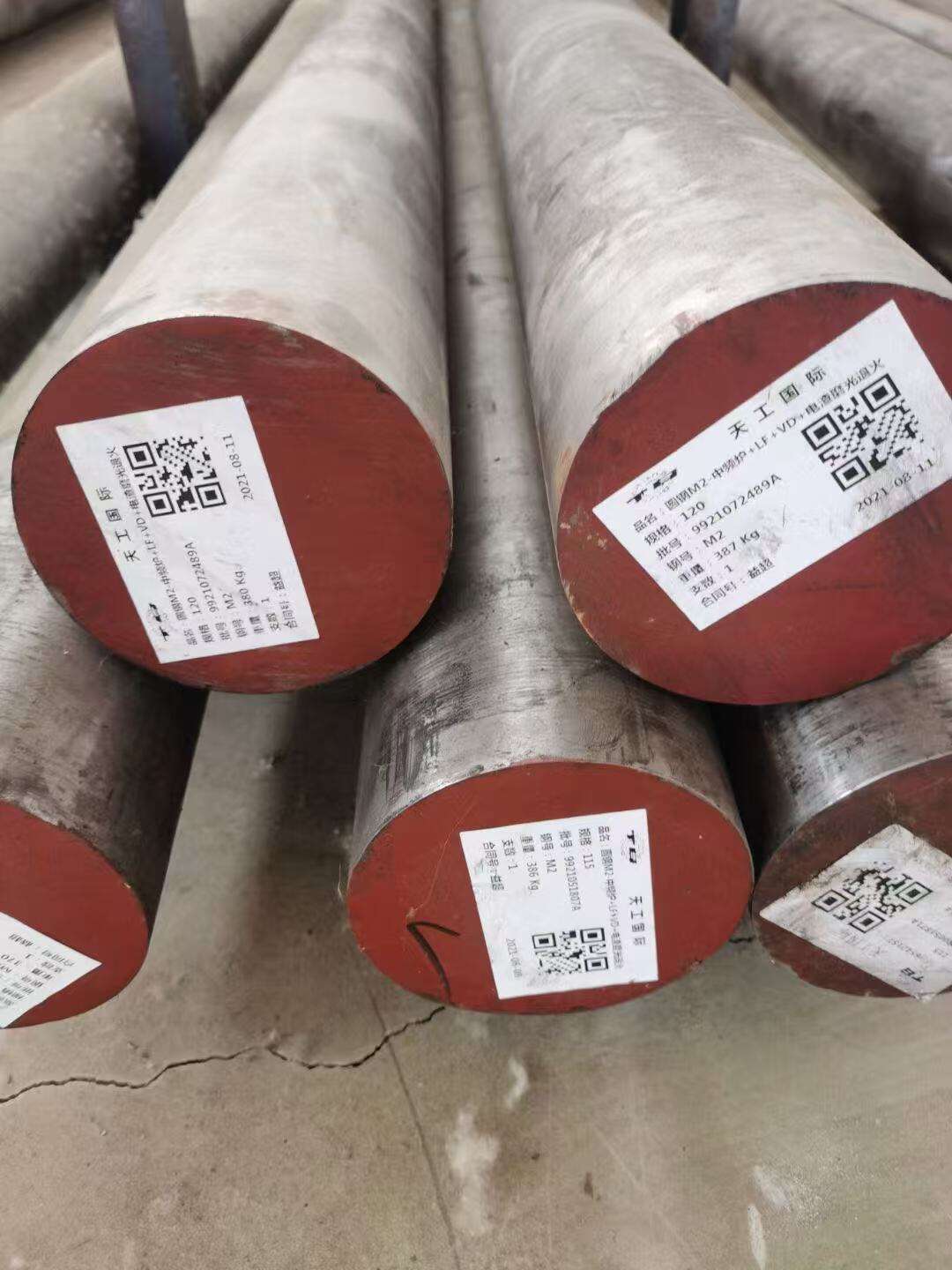
Premium Hardened Tool Steel: Superior Performance for Industrial Applications

All Categories

hardened tool steel

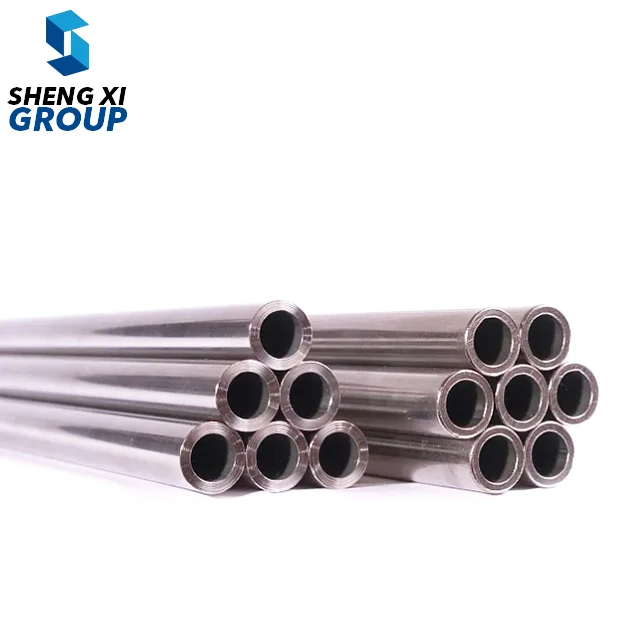
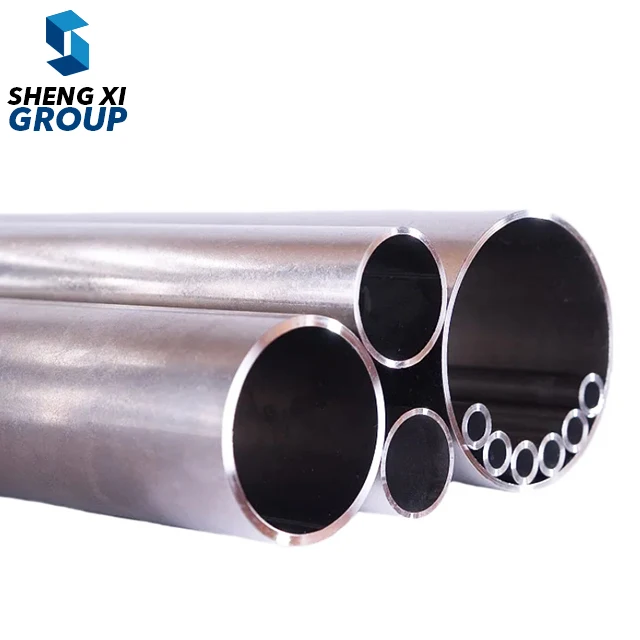
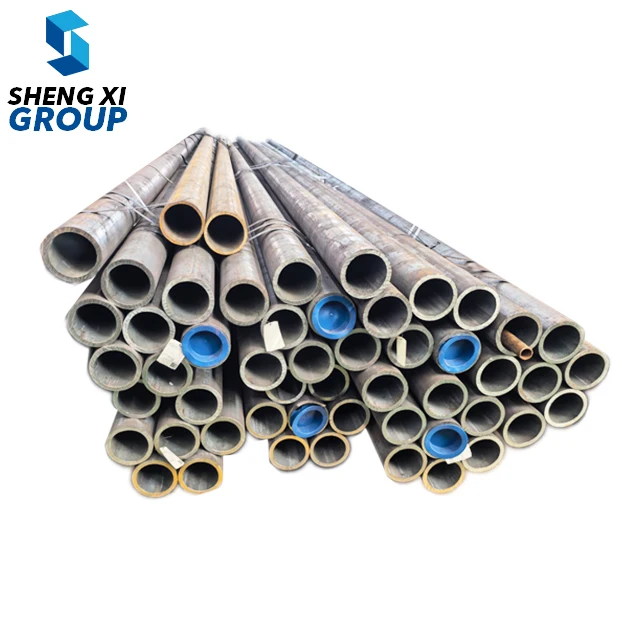
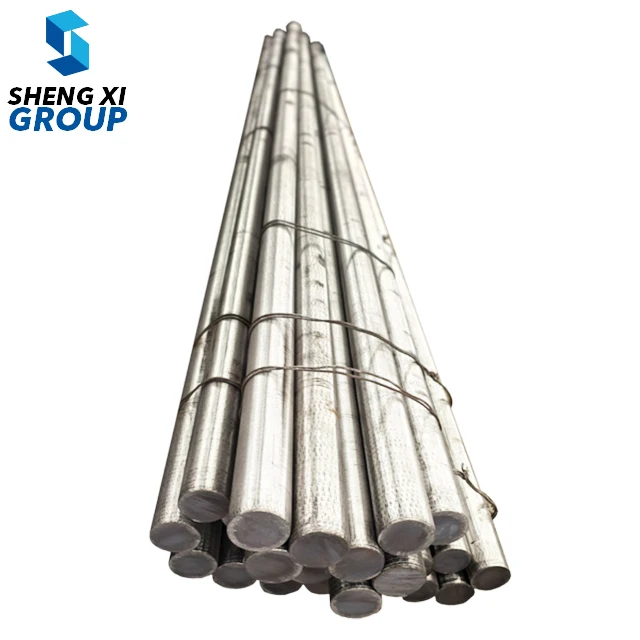
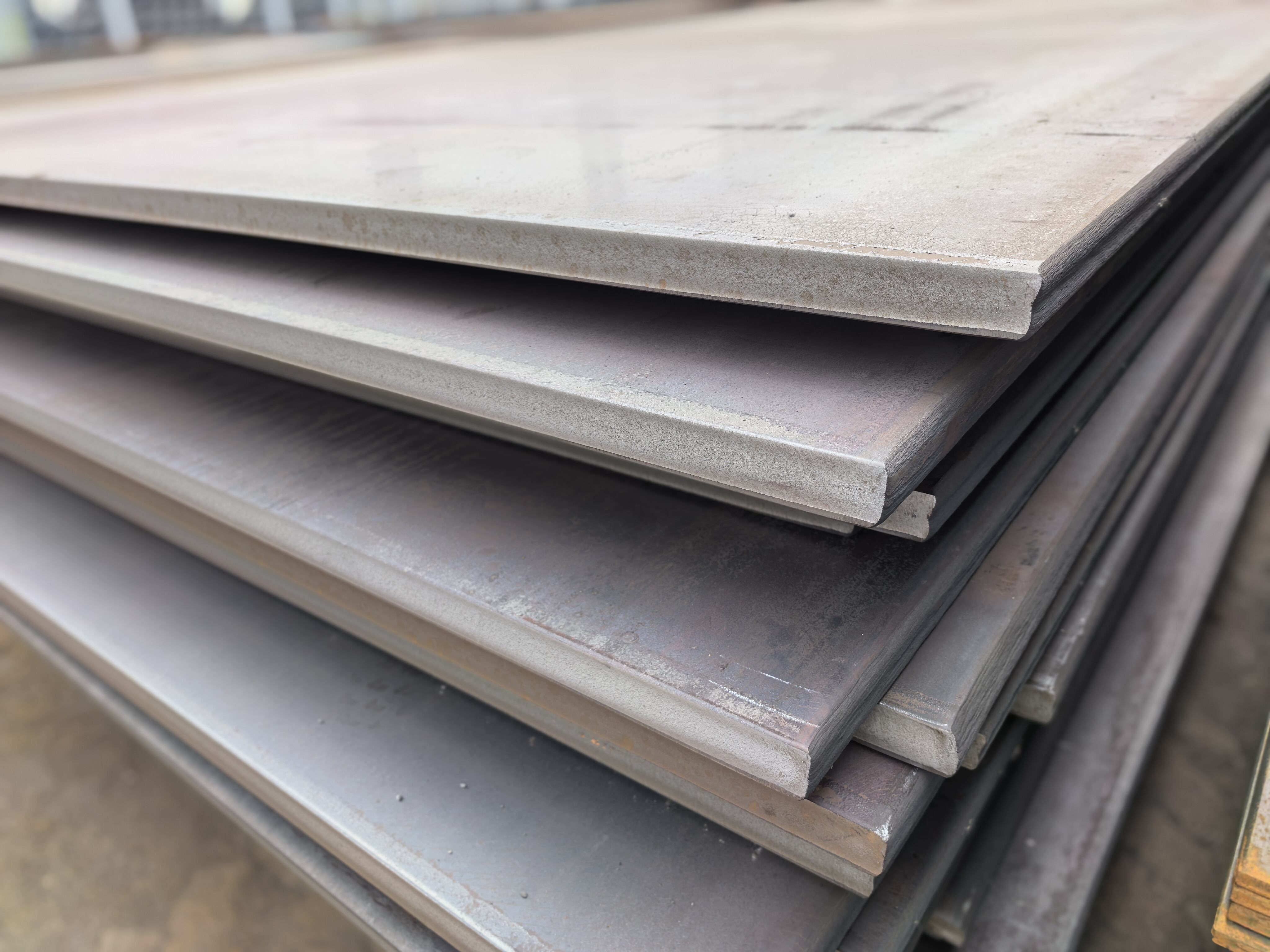
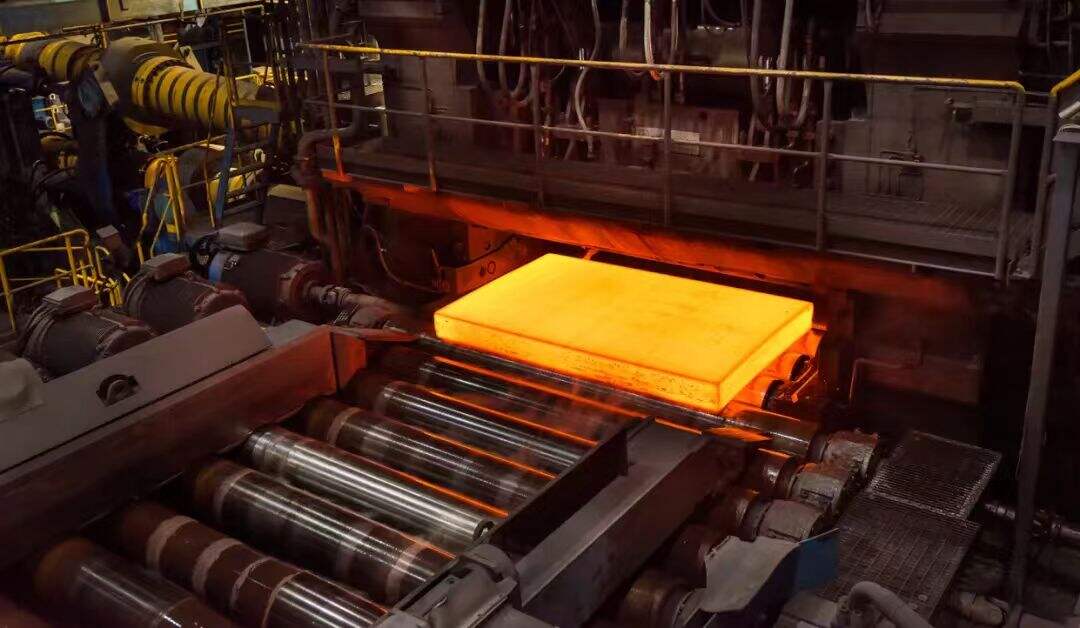
Hardened tool steel represents a specialized category of high-carbon steel that undergoes controlled heat treatment processes to achieve exceptional hardness, durability, and wear resistance. This metallurgical marvel combines precise chemical composition with advanced thermal processing techniques to create materials capable of withstanding extreme operational demands. The primary function of hardened tool steel centers on providing superior cutting, forming, and shaping capabilities across diverse industrial applications. Through careful selection of alloying elements including chromium, molybdenum, tungsten, and vanadium, manufacturers create steel grades that deliver consistent performance under challenging conditions. The hardening process involves heating the steel to specific temperatures, typically between 1400 to 2100 degrees Fahrenheit, followed by rapid cooling or quenching in oil, water, or specialized cooling media. This thermal transformation creates a martensitic microstructure that significantly increases hardness levels, often reaching 58 to 65 HRC on the Rockwell scale. Technological features of hardened tool steel include excellent dimensional stability, superior edge retention, and remarkable resistance to deformation under load. The material maintains its structural integrity even when subjected to repetitive stress cycles, making it indispensable for precision manufacturing operations. Modern hardened tool steel formulations incorporate advanced powder metallurgy techniques and vacuum processing methods to minimize impurities and achieve uniform grain structures. Applications span across numerous industries including automotive manufacturing, aerospace engineering, medical device production, and precision machining operations. Common uses encompass cutting tools such as drill bits, end mills, and reamers, forming dies for stamping and drawing operations, punches for metalworking applications, and specialized components requiring exceptional wear resistance. The versatility of hardened tool steel extends to woodworking applications, plastic molding dies, and food processing equipment where hygiene and durability requirements demand superior material properties.


New Products

Hardened tool steel delivers numerous practical benefits that directly impact operational efficiency and cost-effectiveness for businesses across multiple industries. The primary advantage lies in its exceptional durability, which significantly extends tool life compared to conventional steel alternatives. This extended service life translates into reduced replacement costs, minimized downtime for tool changes, and improved overall productivity. Manufacturing operations benefit from consistent performance characteristics that maintain tight tolerances throughout extended production runs. The superior hardness of properly treated tool steel enables it to maintain sharp cutting edges for prolonged periods, resulting in cleaner cuts, better surface finishes, and reduced post-processing requirements. This enhanced cutting performance directly contributes to improved product quality and reduced material waste. Temperature resistance represents another crucial advantage, as hardened tool steel maintains its structural properties even under elevated operating temperatures. This thermal stability prevents premature tool failure and ensures reliable performance in high-speed machining applications where friction generates significant heat. The wear resistance properties of hardened tool steel dramatically reduce the frequency of tool maintenance and replacement cycles. This characteristic proves particularly valuable in abrasive environments where conventional materials would quickly deteriorate. Cost savings accumulate through reduced inventory requirements, as fewer replacement tools need to be maintained in stock. Precision manufacturing operations particularly benefit from the dimensional stability of hardened tool steel, which maintains its shape and size even under repeated loading conditions. This stability ensures consistent part dimensions and reduces the likelihood of producing out-of-specification components. Versatility in application represents a significant economic advantage, as the same hardened tool steel can often serve multiple functions within a manufacturing facility. This flexibility reduces the need for specialized materials inventory and simplifies procurement processes. The reliability of hardened tool steel reduces unexpected production interruptions, allowing for better planning and scheduling of manufacturing operations. Quality assurance processes benefit from the consistent performance characteristics, resulting in more predictable outcomes and reduced inspection requirements. Investment in hardened tool steel ultimately provides excellent return on investment through improved efficiency, reduced operating costs, and enhanced product quality.

Tips And Tricks

How to Improve the Quality of Steel by Cold Rolling

08

Jul

How to Improve the Quality of Steel by Cold Rolling

Understanding Cold Rolling's Role in Steel Quality Cold rolling stands out as a manufacturing technique where steel gets compressed between rollers at normal temperatures rather than being heated first. When compared to hot rolling processes that w...
View More
Strength and Durability of Alloy Steel

08

Jul

Strength and Durability of Alloy Steel

What is Alloy Steel? Alloy steel, integral to various industrial applications, is fundamentally a mixture of iron enhanced with key elements such as carbon, manganese, chromium, and nickel. Each of these elements plays a specific role in augmenting ...
View More
Development trends of high-strength steel

22

Sep

Development trends of high-strength steel

The Evolution of Advanced Steel Manufacturing The metallurgical industry has witnessed a remarkable transformation in recent decades, with high-strength steel emerging as a cornerstone of modern manufacturing. This innovative material has revolutioni...
View More
How to regulate the ductile-brittle transition temperature of alloy steel?‌

31

Oct

How to regulate the ductile-brittle transition temperature of alloy steel?‌

Understanding the Critical Role of Temperature Transitions in Alloy Steel Performance The ductile-brittle transition temperature represents a crucial parameter in alloy steel manufacturing and application. This fundamental property determines the tem...
View More

Get a Free Quote

Our representative will contact you soon.
Email
Name
Company Name
Message
0/1000

hardened tool steel

Superior Wear Resistance and Extended Tool Life

Superior Wear Resistance and Extended Tool Life

The exceptional wear resistance of hardened tool steel stands as its most compelling feature, delivering measurable improvements in operational efficiency and cost management. This remarkable property stems from the unique microstructural changes that occur during the hardening process, where carbon atoms form complex carbide structures that create an incredibly durable surface layer. These microscopic formations act as protective barriers against abrasive forces, significantly reducing material loss during operation. In practical applications, this translates to tools that maintain their cutting edges up to five times longer than unhardened alternatives, dramatically reducing replacement frequency and associated costs. Manufacturing facilities report substantial savings in tool inventory management, as fewer replacement tools need to be stocked and managed. The consistent wear patterns exhibited by hardened tool steel allow for predictable maintenance schedules, enabling better production planning and resource allocation. Quality control benefits emerge through maintained dimensional accuracy throughout the tool's service life, ensuring consistent part specifications and reducing the likelihood of producing defective components. Abrasive environments, such as those encountered in mining, construction, and heavy manufacturing, particularly benefit from this enhanced wear resistance. Workers experience improved productivity as they spend less time changing worn tools and more time on value-added production activities. The economic impact extends beyond direct tool costs to include reduced labor expenses for tool changes, decreased machine downtime, and improved overall equipment effectiveness. Environmental benefits also result from reduced material consumption and waste generation associated with frequently replaced tools. Long-term cost analysis consistently demonstrates that the initial investment in hardened tool steel pays dividends through extended service life and improved operational reliability. This wear resistance advantage becomes even more pronounced in high-volume production environments where tool performance directly impacts overall manufacturing throughput and profitability.
Exceptional Hardness and Strength for Demanding Applications

Exceptional Hardness and Strength for Demanding Applications

Hardened tool steel achieves remarkable hardness levels that enable it to tackle the most challenging industrial applications with confidence and reliability. The controlled heat treatment process transforms the steel's molecular structure, creating a martensitic matrix that delivers hardness ratings typically ranging from 58 to 65 HRC, far exceeding the capabilities of standard steel materials. This exceptional hardness directly correlates to superior cutting performance, allowing tools to penetrate and shape even the most resistant materials with precision and efficiency. The strength characteristics of hardened tool steel enable it to withstand extreme forces without deformation or failure, making it ideal for heavy-duty applications such as forging dies, stamping punches, and high-pressure forming operations. Manufacturing processes that generate significant mechanical stress benefit tremendously from this enhanced strength, as tools maintain their dimensional integrity even under repeated loading cycles. The combination of hardness and strength creates a synergistic effect that amplifies overall performance, enabling single tools to accomplish tasks that might require multiple conventional tools. Precision machining operations particularly value this characteristic, as it enables the production of complex geometries and tight tolerances that would be impossible with softer materials. The consistent hardness distribution throughout the tool's cross-section ensures uniform performance and prevents localized weak points that could lead to premature failure. Quality assurance processes benefit from the predictable behavior of hardened tool steel, as its consistent strength properties eliminate variables that could affect part quality. Automotive and aerospace industries rely heavily on this exceptional hardness for manufacturing critical components that must meet stringent safety and performance standards. The strength advantages extend to impact resistance, allowing hardened tool steel tools to handle sudden shock loads without catastrophic failure. This reliability factor proves crucial in automated manufacturing environments where unexpected tool failure can result in costly production interruptions and potential equipment damage.
Outstanding Temperature Resistance and Thermal Stability

Outstanding Temperature Resistance and Thermal Stability

The superior temperature resistance of hardened tool steel provides critical advantages in high-heat applications where conventional materials would fail or perform inadequately. This thermal stability results from carefully balanced alloy compositions and precise heat treatment protocols that create microstructures capable of maintaining their properties even under elevated temperature conditions. Manufacturing processes involving friction, such as high-speed machining, drilling, and grinding operations, generate substantial heat that can quickly degrade inferior tool materials. Hardened tool steel maintains its hardness and cutting efficiency even when operating temperatures exceed 400 degrees Fahrenheit, ensuring consistent performance throughout demanding production cycles. The thermal stability prevents the tempering effect that commonly occurs in lesser materials when exposed to operational heat, which typically results in softening and rapid tool degradation. Hot forming operations, including forging, hot stamping, and die casting, particularly benefit from this temperature resistance, as tools can withstand direct contact with heated workpieces without losing their structural integrity. Metallurgical industries rely on hardened tool steel for applications involving molten metals and high-temperature processing environments where thermal shock resistance becomes paramount. The consistent dimensional stability under thermal cycling prevents the expansion and contraction issues that can compromise tool accuracy and part quality. Cooling and heating cycles, common in many industrial processes, do not adversely affect properly hardened tool steel, ensuring long-term reliability and performance consistency. Advanced manufacturing techniques, such as laser cutting and plasma processing, require tool materials that can withstand intense localized heating without degradation. The oxidation resistance of quality hardened tool steel formulations prevents surface deterioration that commonly occurs in high-temperature environments. Energy efficiency benefits emerge from the thermal properties, as tools maintain their cutting efficiency longer, requiring less power to achieve desired results. Research and development in aerospace and automotive applications increasingly depends on materials capable of performing under extreme thermal conditions, making hardened tool steel an essential component in advancing manufacturing capabilities.
Premium Hardened Tool Steel: Superior Performance for Industrial Applications

Get a Free Quote

Our representative will contact you soon.
Email
Name
Company Name
Message
0/1000