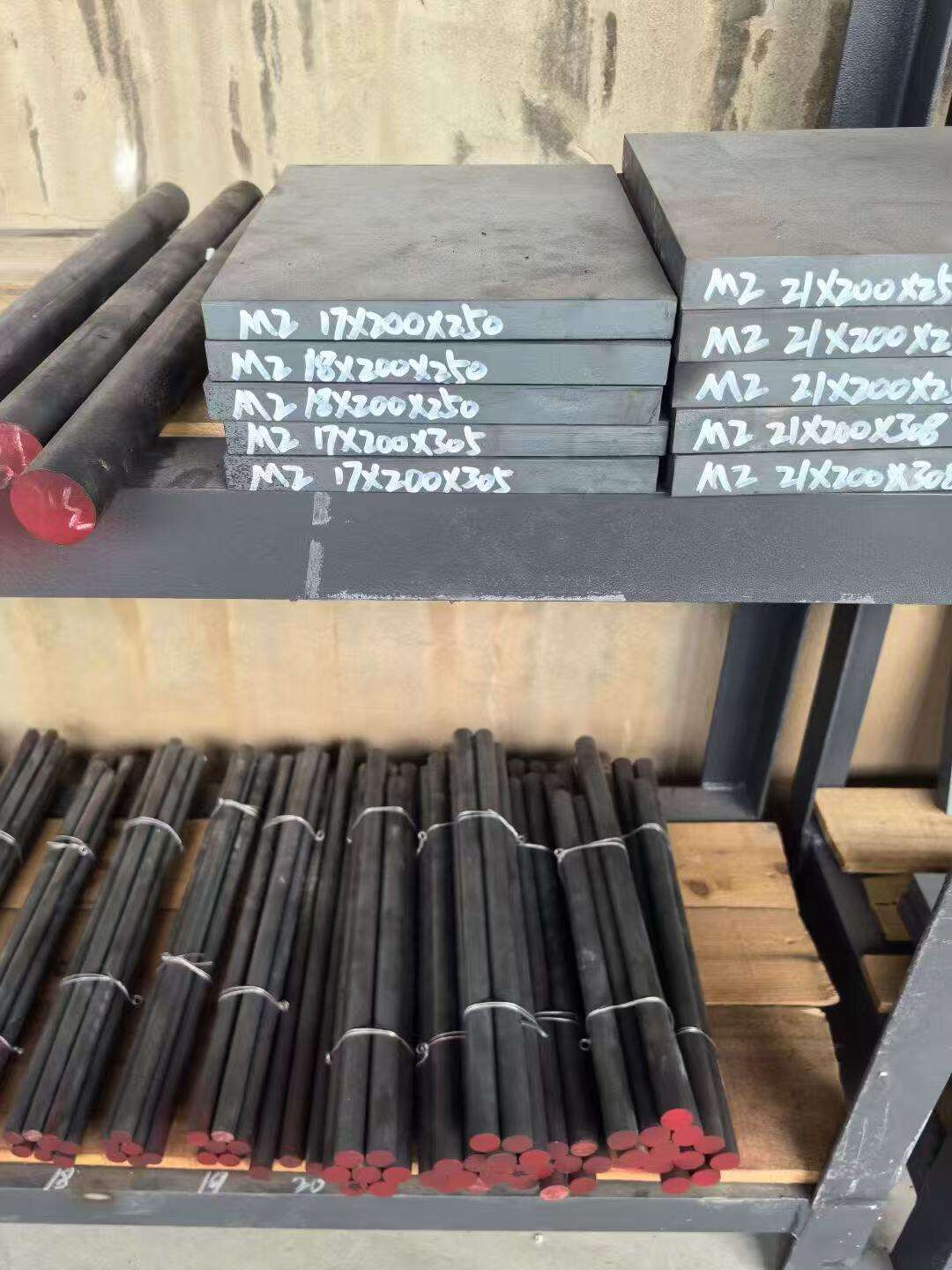
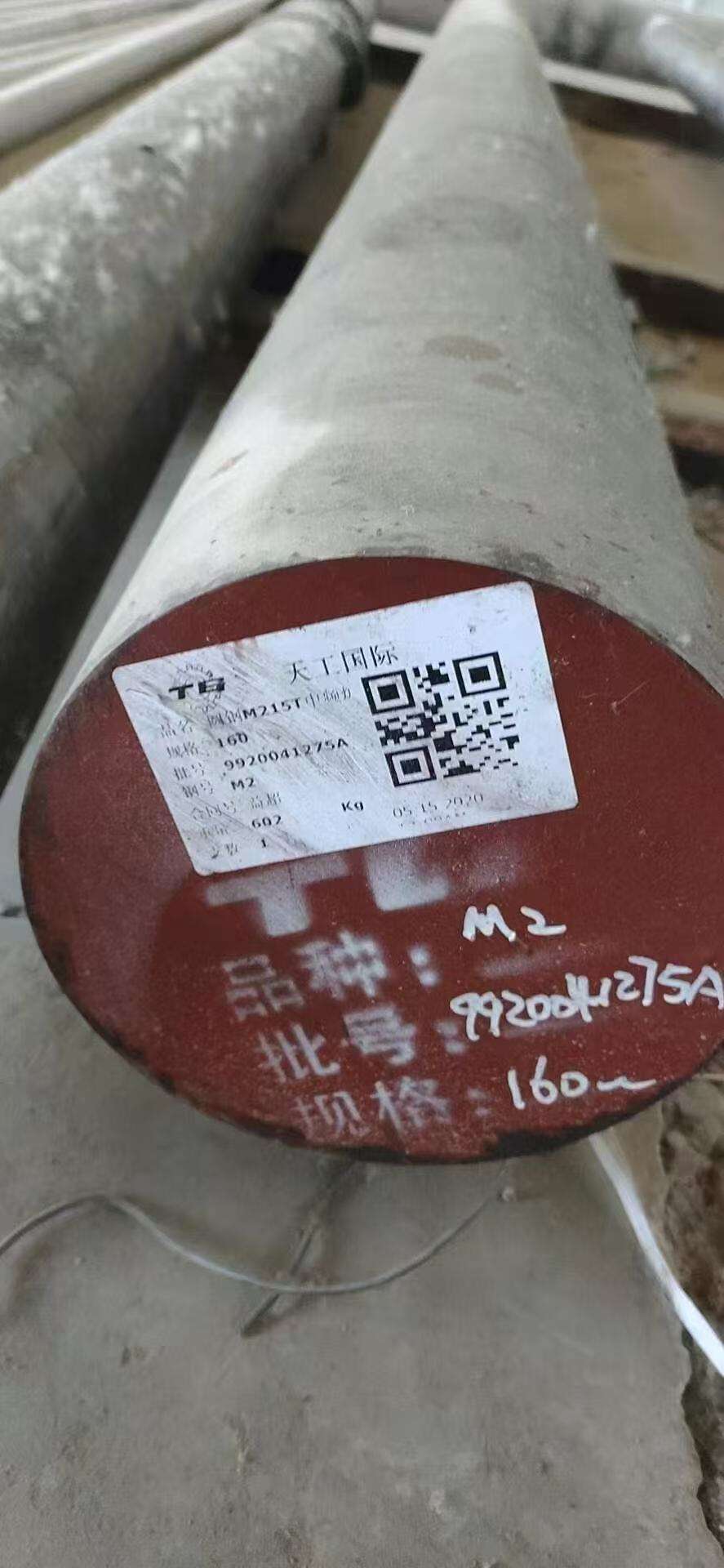
Superior Machinability with Excellent Surface Finish Capabilities
P20 steel demonstrates exceptional machinability characteristics that enable manufacturers to achieve superior surface finishes while maintaining high productivity levels throughout machining operations. The material's optimized chemical composition creates a microstructure that facilitates smooth cutting action, reducing cutting forces and minimizing tool wear during processing. This enhanced machinability allows manufacturers to utilize higher cutting speeds and feed rates, significantly improving production throughput while maintaining dimensional accuracy. P20 steel produces short, easily managed chips during machining operations, preventing chip buildup that could interfere with cutting tools or compromise surface quality. The material's excellent machinability enables the use of standard cutting tools without requiring specialized grades or coatings, reducing tooling costs and simplifying inventory management. Manufacturing facilities benefit from P20 steel's consistent cutting behavior, which allows for automated machining processes with minimal operator intervention. The steel's superior machinability characteristics enable complex geometries and intricate details to be machined with confidence, expanding design possibilities for engineers and product developers. P20 steel maintains its excellent machinability across various cutting conditions, providing flexibility in manufacturing processes and allowing optimization for specific production requirements. The material's ability to achieve exceptional surface finishes reduces or eliminates secondary finishing operations, streamlining production workflows and reducing overall manufacturing costs. P20 steel's machinability excellence extends to various machining operations including turning, milling, drilling, and grinding, providing versatility for diverse manufacturing applications. The steel's consistent chip formation and minimal work hardening characteristics ensure stable cutting conditions throughout extended machining cycles. Manufacturing professionals appreciate P20 steel's ability to maintain sharp edges and precise corners during machining, enabling the production of components with critical dimensional requirements. The material's excellent machinability translates directly into reduced manufacturing time and lower production costs while maintaining superior quality standards.

 EN
EN