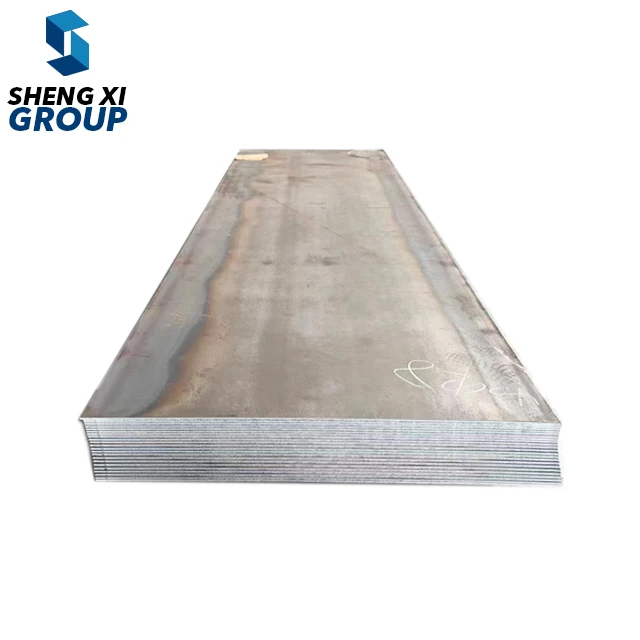
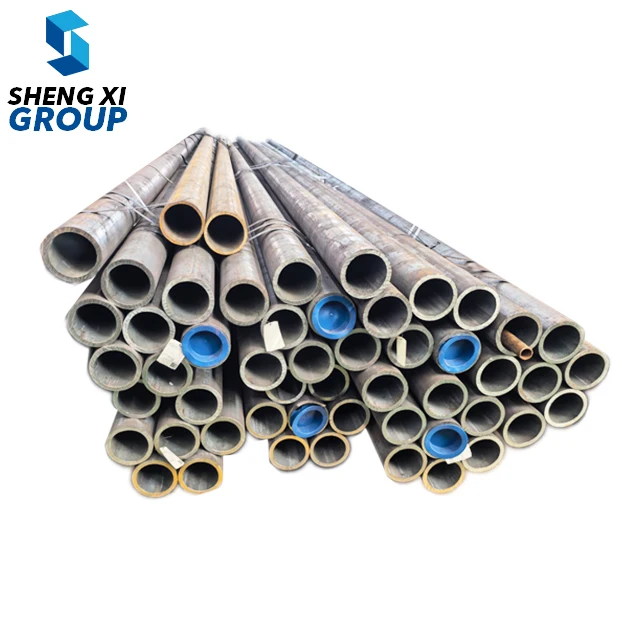
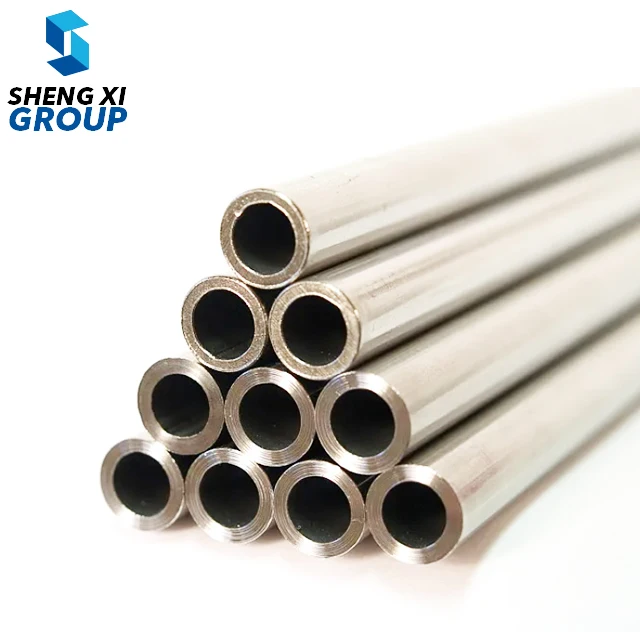
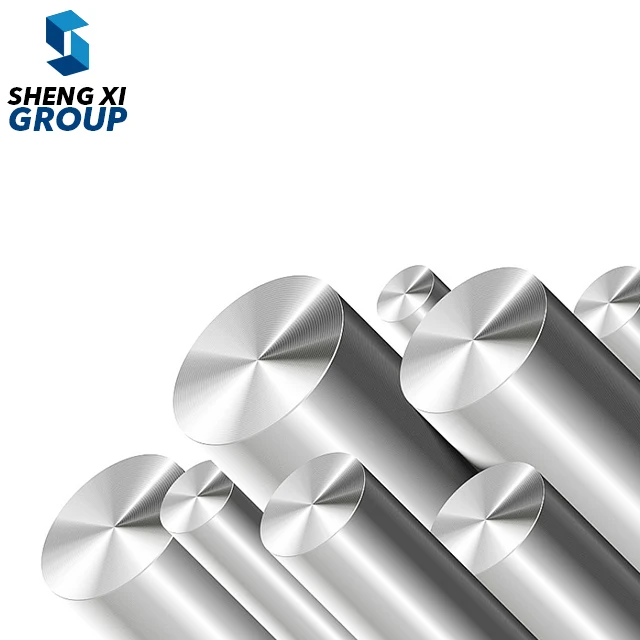
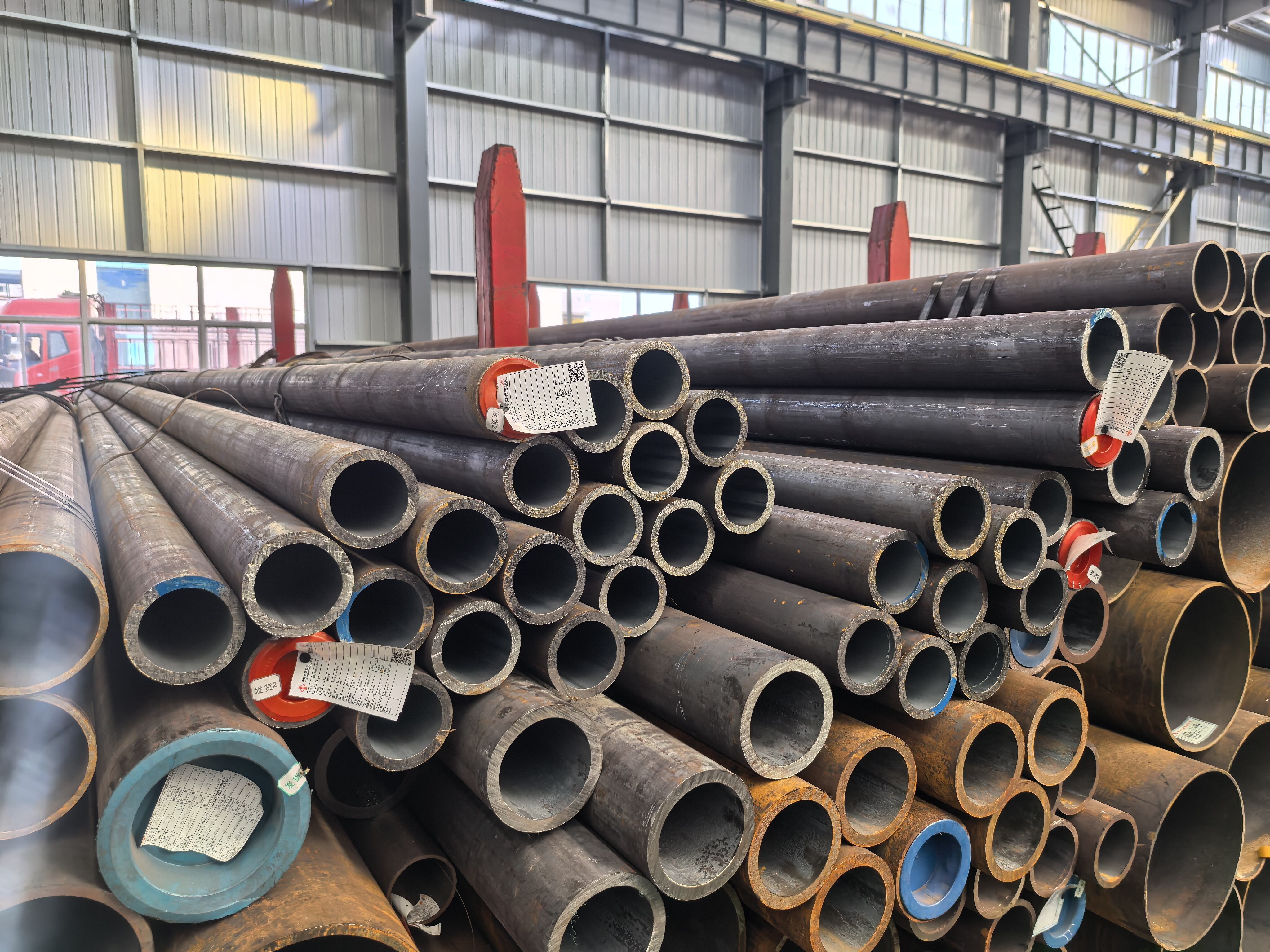
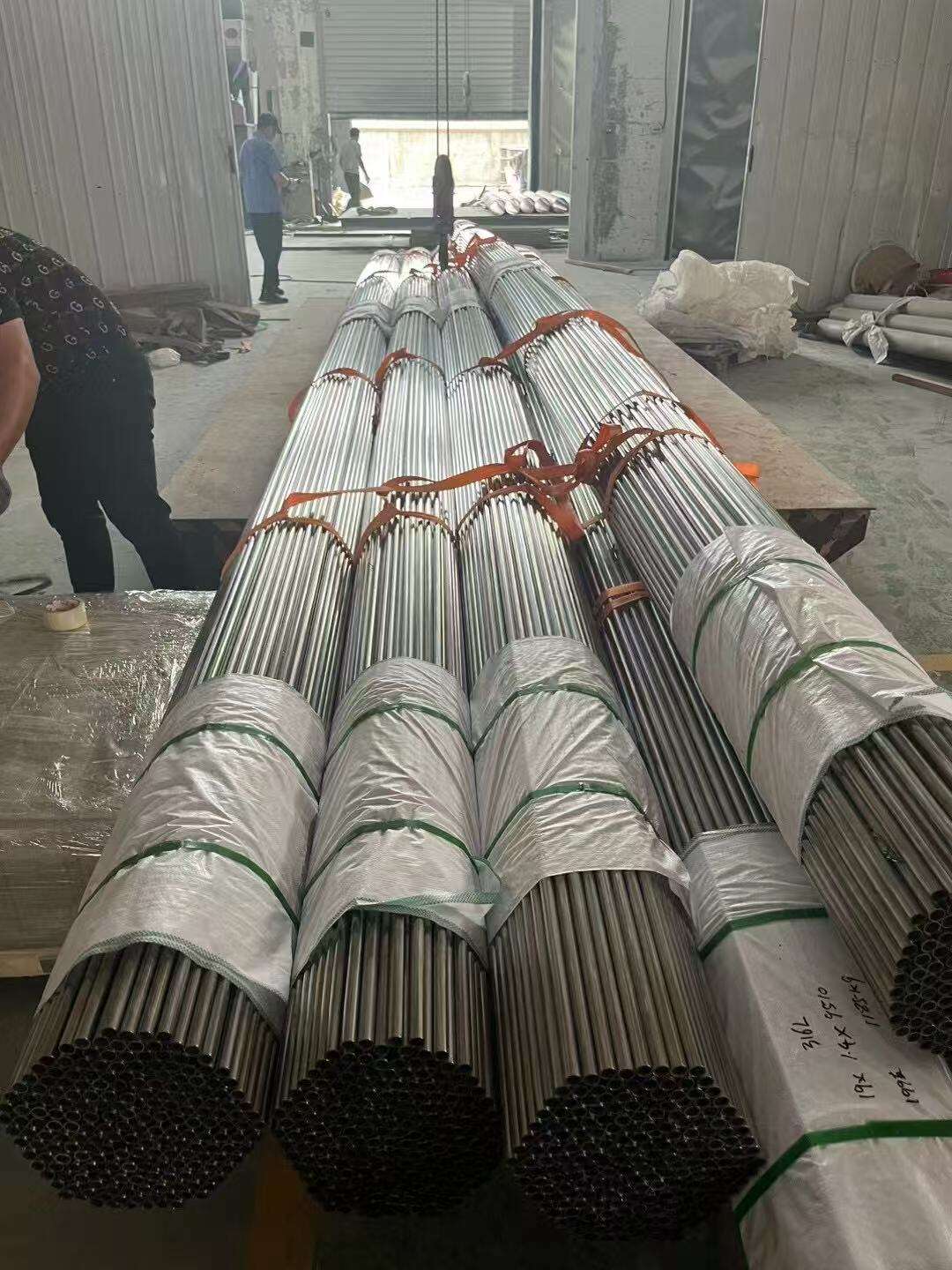
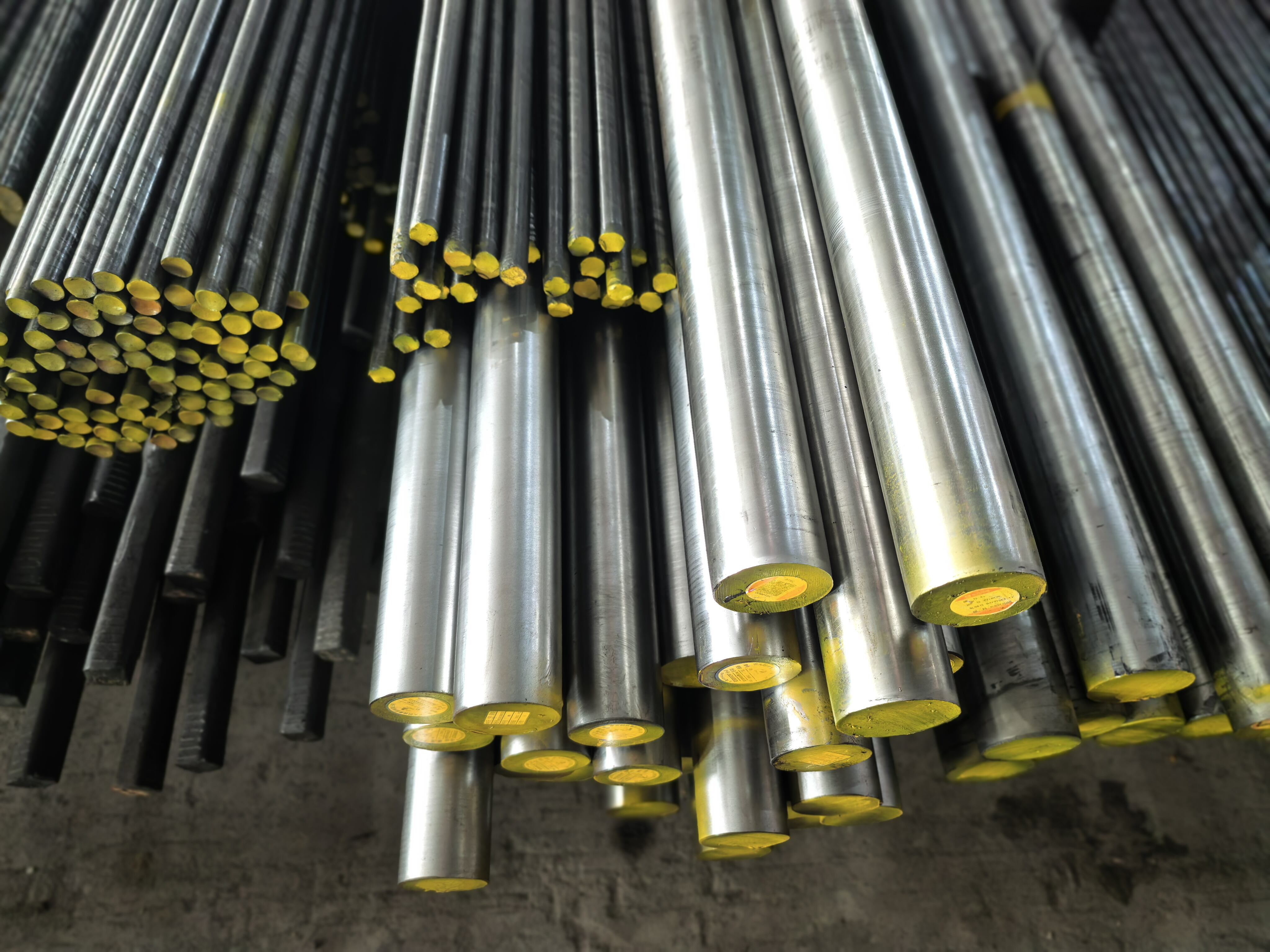
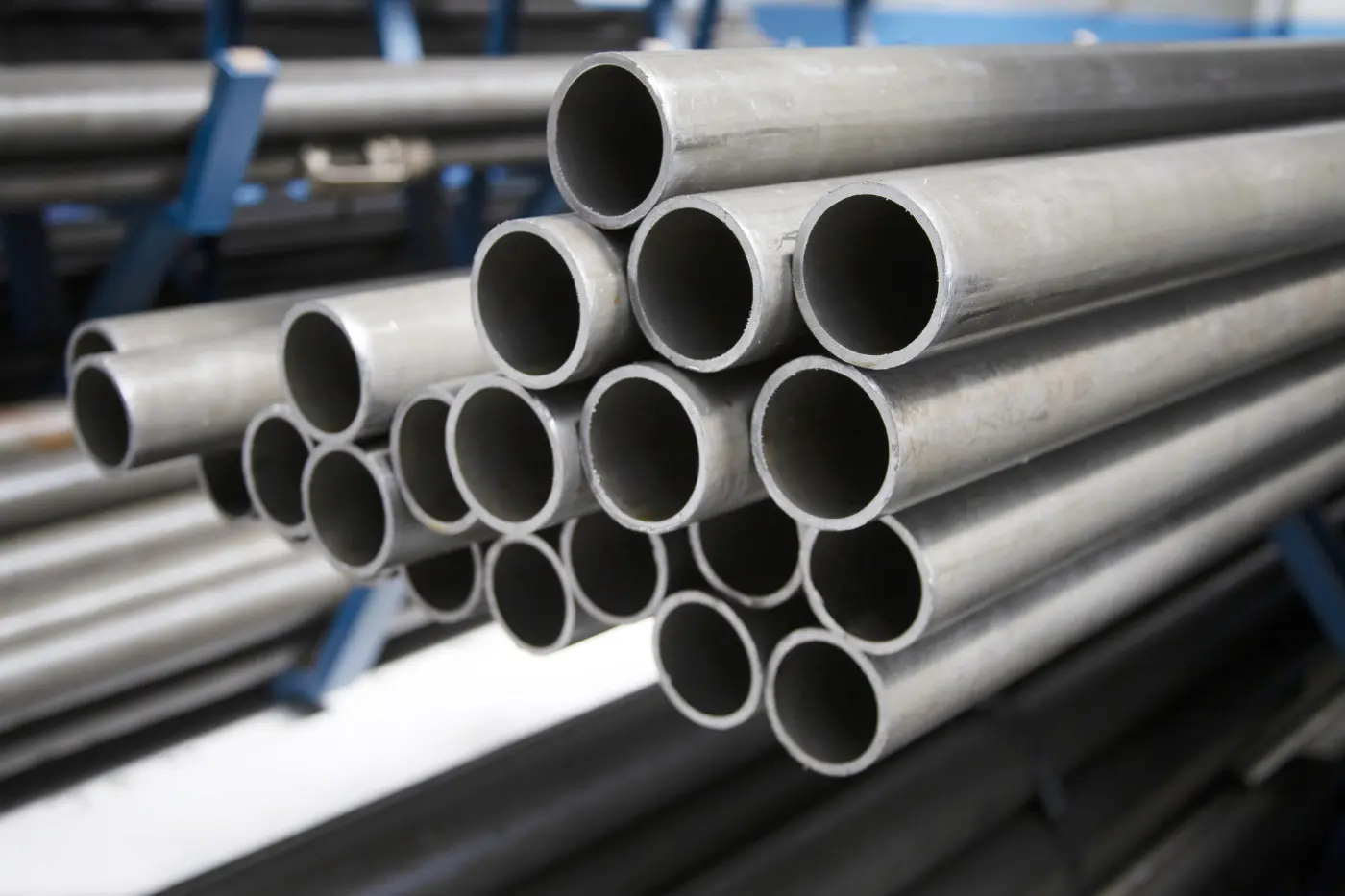
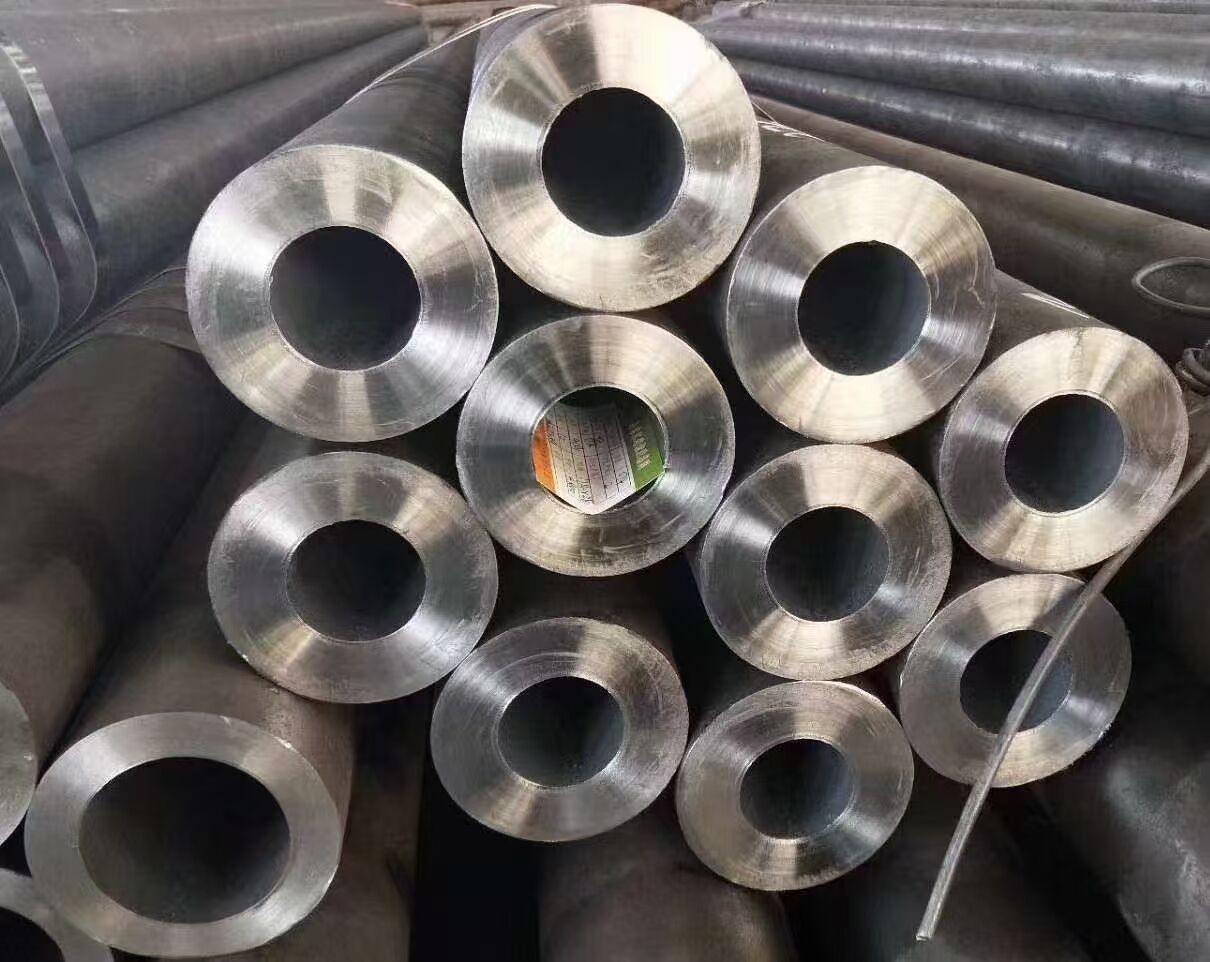
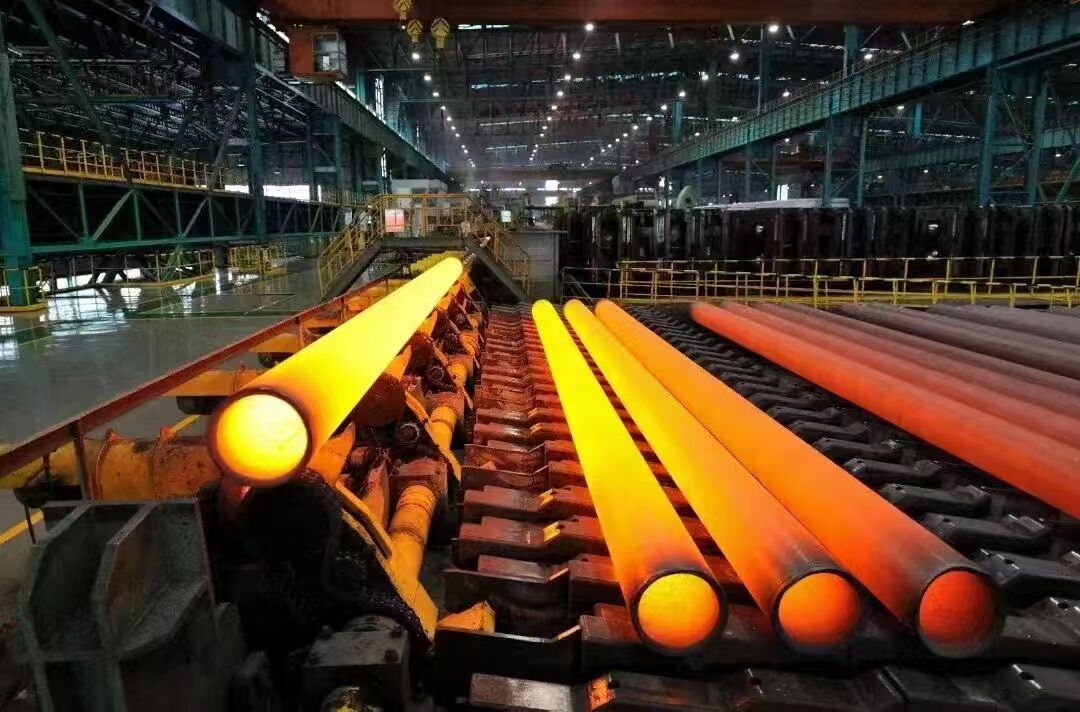
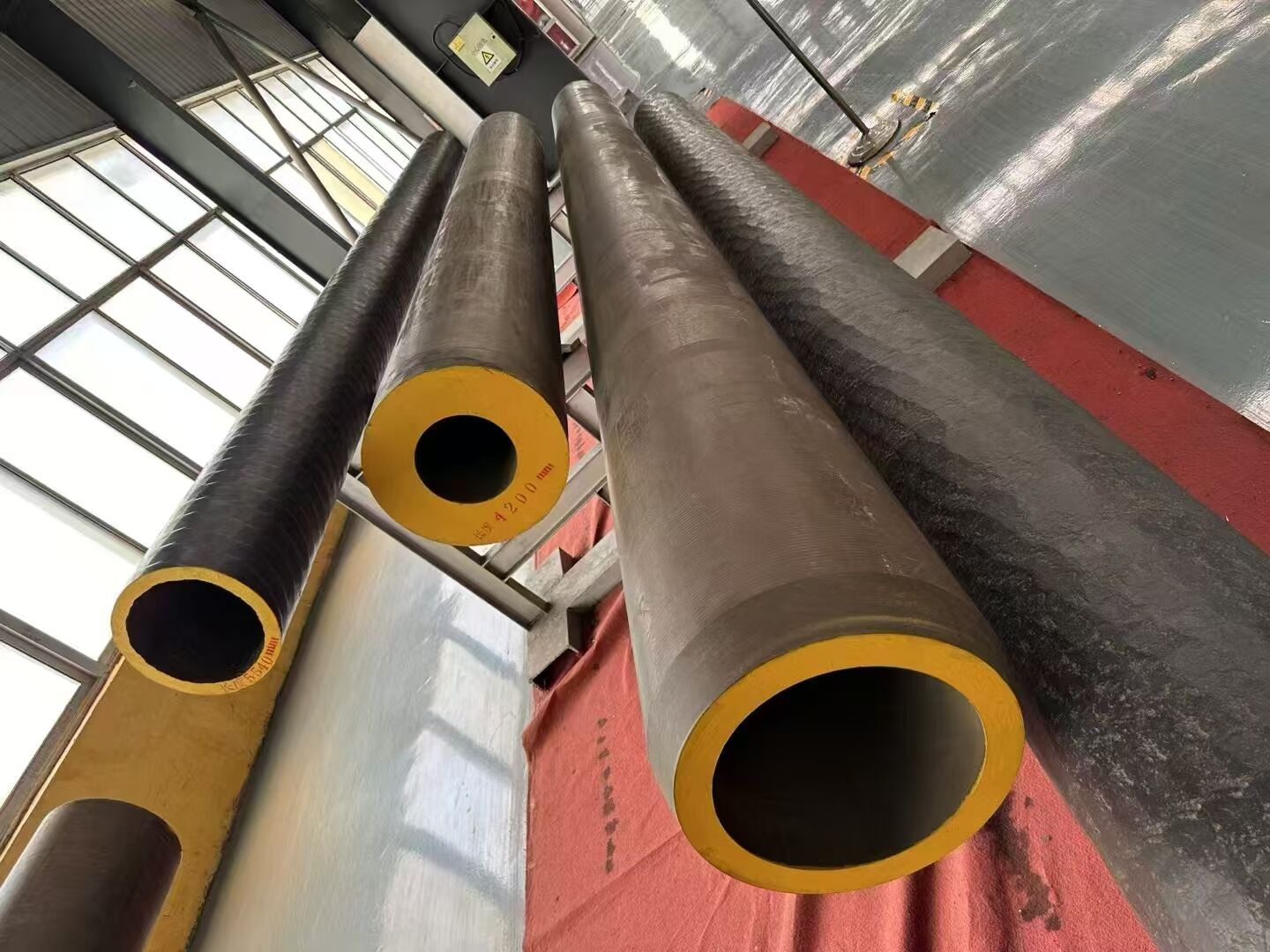
High-Performance Hydraulic Steel Pipe - Pressure Resistant Solutions for Industrial Applications

All Categories

hydraulic steel pipe

Hydraulic steel pipe represents a critical component in modern fluid power systems, engineered to withstand extreme pressures while maintaining structural integrity across diverse industrial applications. This specialized piping solution serves as the backbone for hydraulic machinery, providing reliable fluid transmission capabilities essential for heavy-duty operations. The hydraulic steel pipe features precision-manufactured walls designed to handle high-pressure hydraulic fluids, oils, and other working mediums without compromising performance or safety standards. Manufacturing processes involve advanced steel forming techniques that create seamless or welded constructions, depending on specific application requirements and pressure ratings. The technological features of hydraulic steel pipe include enhanced corrosion resistance through specialized coatings and treatments that extend operational lifespan significantly. These pipes undergo rigorous testing protocols to ensure compliance with international pressure vessel standards and hydraulic system requirements. The internal surface finish receives particular attention during production, as smooth bore characteristics reduce friction losses and prevent contamination buildup that could compromise system efficiency. Dimensional accuracy remains paramount, with tight tolerances maintained throughout the manufacturing process to ensure proper fitting connections and optimal flow characteristics. Temperature resistance capabilities allow hydraulic steel pipe to function effectively across wide thermal ranges, from sub-zero conditions to elevated operating temperatures common in industrial environments. The material composition typically involves high-grade carbon steel or alloy steel formulations that provide excellent tensile strength and fatigue resistance. Applications span numerous industries including construction equipment, agricultural machinery, manufacturing automation, marine systems, and aerospace applications where reliable hydraulic power transmission is essential. Quality control measures include pressure testing, dimensional verification, and material certification to guarantee performance standards. The hydraulic steel pipe serves as an indispensable element in systems requiring precise control over mechanical movements, force multiplication, and power transmission through fluid dynamics principles.

New Product Releases

Hydraulic steel pipe offers exceptional durability that translates directly into reduced maintenance costs and extended equipment lifespan for businesses across multiple industries. The robust construction withstands continuous pressure cycles without developing stress fractures or performance degradation, ensuring consistent operation even under demanding conditions. This reliability eliminates unexpected downtime that can cost companies thousands of dollars in lost productivity and emergency repairs. The superior pressure handling capabilities of hydraulic steel pipe allow systems to operate at optimal efficiency levels, delivering maximum power output while maintaining safety margins that protect both equipment and personnel. Unlike alternative materials that may fail under extreme conditions, hydraulic steel pipe maintains structural integrity even when subjected to pressure spikes or hydraulic shock loads common in heavy machinery applications. Cost-effectiveness becomes apparent through the extended service life and minimal replacement requirements compared to other piping materials that deteriorate more rapidly under similar operating conditions. The smooth internal surface finish reduces energy consumption by minimizing friction losses as hydraulic fluid flows through the system, resulting in lower operating costs and improved overall system efficiency. Installation flexibility allows hydraulic steel pipe to be configured into complex routing patterns without compromising performance, enabling engineers to design compact systems that maximize space utilization while maintaining accessibility for maintenance procedures. Temperature stability ensures consistent performance across seasonal variations and different operating environments, eliminating the need for specialized climate control measures that add complexity and expense to hydraulic installations. The universal compatibility with standard hydraulic fittings and connections simplifies system design and reduces inventory requirements for maintenance departments. Leak resistance provided by precision manufacturing and quality materials protects against costly hydraulic fluid losses and environmental contamination issues that can result in regulatory compliance problems and cleanup expenses. The predictable performance characteristics of hydraulic steel pipe enable accurate system calculations and reliable operation scheduling, allowing businesses to plan maintenance activities and optimize production schedules without unexpected interruptions. Long-term value proposition includes reduced total cost of ownership through lower maintenance requirements, extended replacement intervals, and consistent performance that maintains productivity levels throughout the operational lifespan of hydraulic equipment and machinery systems.

Tips And Tricks

Types and Applications of Special Steel

08

Jul

Types and Applications of Special Steel

Understanding Special Steel Fundamentals Special steel stands out in industries where strength and lasting power matter most. What makes it different from regular steel? Well, manufacturers design special steel for particular jobs, giving it qualit...
View More
What Is Cr-Mo Steel and Why It Matters

27

Aug

What Is Cr-Mo Steel and Why It Matters

Understanding the Revolutionary Alloy That Powers Modern Industry In the evolving landscape of metallurgy, Cr-Mo steel stands as a testament to human innovation in material science. This remarkable alloy, combining chromium and molybdenum with steel,...
View More
Solution paths for insufficient core hardness in die steel?‌

31

Oct

Solution paths for insufficient core hardness in die steel?‌

Understanding Core Hardness Challenges in Modern Die Steel Manufacturing Core hardness represents a critical quality parameter in die steel production that directly impacts tool performance and longevity. When manufacturers encounter insufficient cor...
View More
Is material fatigue the main cause of cracking in hot-work die steel?‌

31

Oct

Is material fatigue the main cause of cracking in hot-work die steel?‌

Understanding the Complex Nature of Hot-Work Die Steel Failures In the world of industrial manufacturing, hot-work die steel plays a crucial role in shaping and forming metals at elevated temperatures. While material fatigue is often cited as a prima...
View More

Get a Free Quote

Our representative will contact you soon.
Email
Name
Company Name
Message
0/1000

hydraulic steel pipe

Unmatched Pressure Resistance and Structural Integrity

Unmatched Pressure Resistance and Structural Integrity

The hydraulic steel pipe delivers exceptional pressure resistance capabilities that set it apart from conventional piping solutions in demanding industrial applications. This remarkable strength stems from advanced metallurgical processes and precision engineering that create a pipe wall structure capable of withstanding extreme hydraulic pressures without deformation or failure. The material composition utilizes high-grade steel alloys specifically selected for their superior tensile strength and fatigue resistance properties, ensuring reliable performance even under continuous pressure cycling conditions. Manufacturing processes involve specialized forming techniques that eliminate weak points and stress concentrations commonly found in inferior piping products. The seamless construction options available for hydraulic steel pipe provide additional strength advantages by eliminating potential failure points associated with welded seams, particularly important for high-pressure applications where system reliability is paramount. Quality control measures include comprehensive pressure testing that exceeds standard operating requirements, providing customers with confidence in long-term performance and safety margins. The structural integrity maintained by hydraulic steel pipe prevents catastrophic failures that could result in equipment damage, production delays, and safety hazards for personnel working with hydraulic systems. Temperature cycling and pressure variations that occur during normal operation do not compromise the dimensional stability or pressure-containing capabilities of properly manufactured hydraulic steel pipe. This reliability translates into predictable maintenance schedules and reduced emergency repair costs that can significantly impact operational budgets. The pressure resistance characteristics enable hydraulic systems to operate at optimal efficiency levels without requiring oversized components or excessive safety margins that increase system complexity and costs. Professional engineers specify hydraulic steel pipe for critical applications where failure is not an option, including aerospace systems, heavy construction equipment, and industrial manufacturing processes. The consistent wall thickness and material properties ensure uniform stress distribution across the pipe structure, preventing localized failures that could propagate throughout the hydraulic system. Investment in quality hydraulic steel pipe pays dividends through extended service life and reliable performance that maintains productivity levels essential for competitive business operations in today's demanding marketplace.
Superior Corrosion Resistance and Longevity

Superior Corrosion Resistance and Longevity

Hydraulic steel pipe incorporates advanced corrosion protection technologies that significantly extend service life and reduce long-term maintenance requirements in challenging operational environments. The sophisticated coating systems and surface treatments applied during manufacturing create multiple barriers against corrosive agents commonly encountered in hydraulic applications, including moisture, chemical contaminants, and aggressive hydraulic fluids. These protective measures prevent oxidation and chemical degradation that typically compromise inferior piping materials over time, ensuring consistent performance throughout extended operational periods. The corrosion resistance properties become particularly valuable in marine environments, underground installations, and industrial facilities where exposure to corrosive substances is unavoidable. Internal surface treatments prevent contamination buildup and chemical reactions that could compromise hydraulic fluid quality and system performance, maintaining clean fluid conditions essential for precise control and efficient operation. External protective coatings resist environmental factors including ultraviolet radiation, temperature extremes, and chemical exposure that can accelerate deterioration in unprotected materials. The longevity provided by hydraulic steel pipe reduces replacement costs and minimizes system downtime associated with pipe failure and emergency repairs. Predictable service life enables accurate budgeting for maintenance and replacement activities, allowing facility managers to plan capital expenditures and avoid unexpected financial impacts from premature equipment failures. The resistance to galvanic corrosion when connected to dissimilar metals prevents electrochemical reactions that could weaken pipe walls and create leak paths in complex hydraulic systems. Quality hydraulic steel pipe maintains dimensional stability and pressure-containing capabilities throughout its service life, ensuring consistent system performance without gradual degradation that could affect operational efficiency. The investment in corrosion-resistant hydraulic steel pipe proves cost-effective through reduced maintenance labor requirements, eliminated emergency repair expenses, and extended replacement intervals that lower total cost of ownership. Environmental protection benefits include reduced waste generation from premature pipe replacements and elimination of hydraulic fluid leaks that could contaminate soil and water resources. Professional installation and proper selection of hydraulic steel pipe with appropriate corrosion protection ensures optimal performance and maximum return on investment for hydraulic system applications across diverse industrial sectors.
Precision Engineering and Optimal Flow Characteristics

Precision Engineering and Optimal Flow Characteristics

The precision engineering inherent in quality hydraulic steel pipe manufacturing delivers optimal flow characteristics that maximize system efficiency and performance across diverse hydraulic applications. Advanced manufacturing processes ensure consistent internal dimensions and surface finish quality that minimize pressure losses and turbulence within hydraulic systems, directly improving energy efficiency and reducing operating costs. The smooth internal bore finish achieved through specialized honing and finishing techniques eliminates surface irregularities that could impede fluid flow or create contamination collection points, maintaining clean hydraulic conditions essential for system longevity. Dimensional accuracy maintained throughout the manufacturing process ensures proper fitting connections and eliminates gaps or restrictions that could compromise system performance or create maintenance challenges. The precision-controlled wall thickness provides uniform strength characteristics while maintaining optimal internal flow area, balancing structural requirements with hydraulic performance needs. Quality control measures include comprehensive dimensional verification and surface finish inspection to guarantee compliance with engineering specifications and industry standards. The consistent flow characteristics enable accurate system calculations and predictable performance that allows engineers to optimize hydraulic system designs for maximum efficiency and reliability. Laminar flow conditions maintained by smooth internal surfaces reduce energy consumption and heat generation, extending hydraulic fluid life and reducing cooling requirements that add system complexity and operating costs. The precision engineering eliminates flow restrictions and pressure drops that could reduce system capacity or require oversized components to achieve desired performance levels. Professional hydraulic system designers specify precision-engineered hydraulic steel pipe to ensure optimal performance and efficiency in critical applications where every percentage point of efficiency translates into significant cost savings over the system lifespan. The manufacturing tolerances achieved in quality hydraulic steel pipe production enable interchangeability and standardization that simplifies inventory management and reduces procurement complexity for maintenance departments. Installation advantages include predictable fitting engagement and reliable sealing performance that reduces assembly time and eliminates rework associated with dimensional variations in inferior products. The precision characteristics maintained throughout the service life ensure consistent performance without gradual degradation that could affect system efficiency or require performance adjustments over time, providing long-term value and reliability for hydraulic system investments.
High-Performance Hydraulic Steel Pipe - Pressure Resistant Solutions for Industrial Applications

Get a Free Quote

Our representative will contact you soon.
Email
Name
Company Name
Message
0/1000