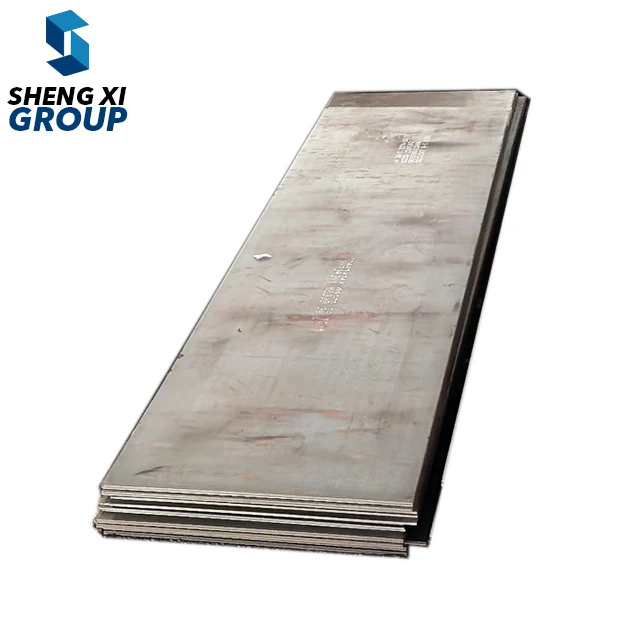
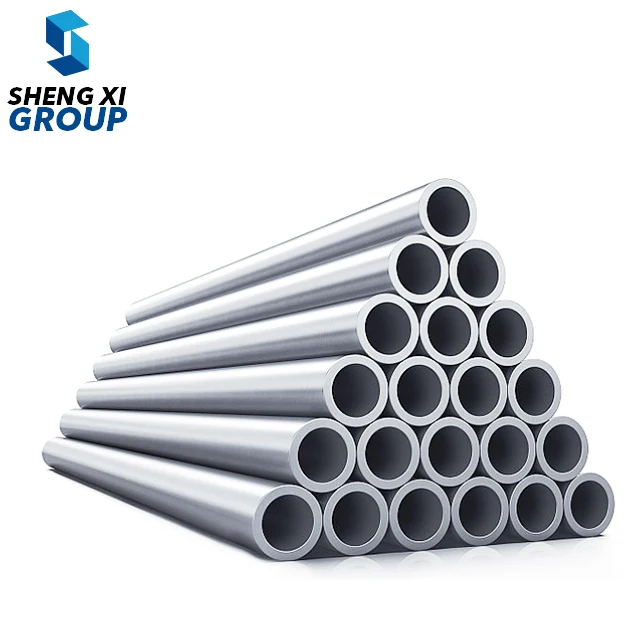
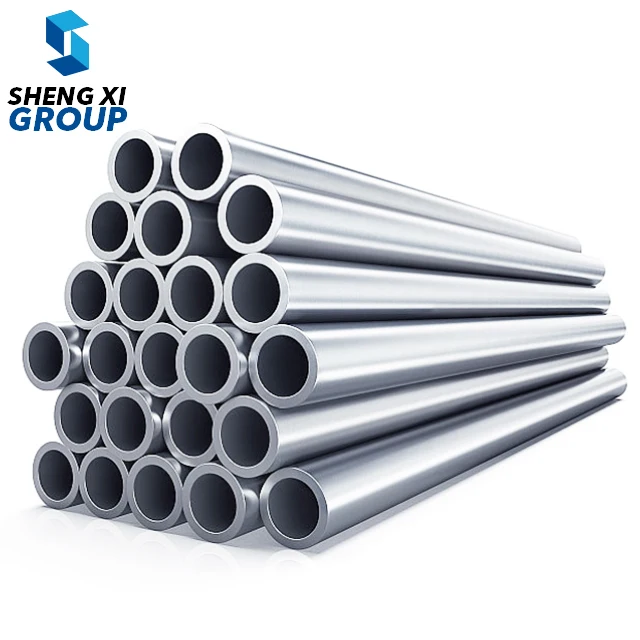
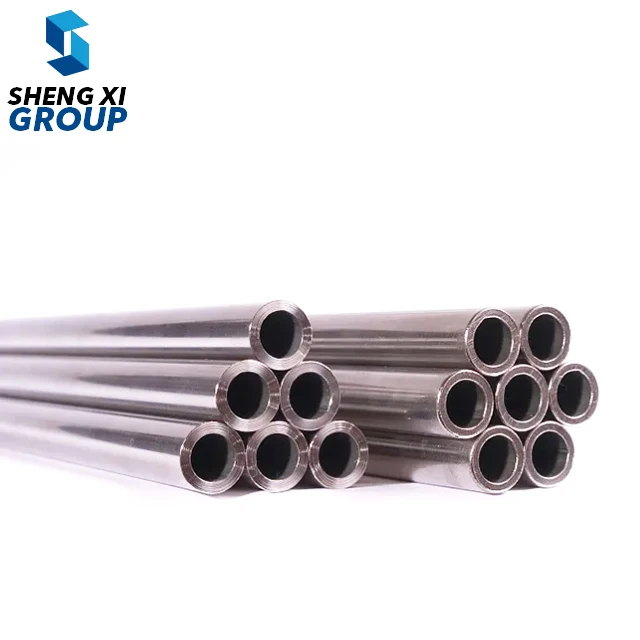
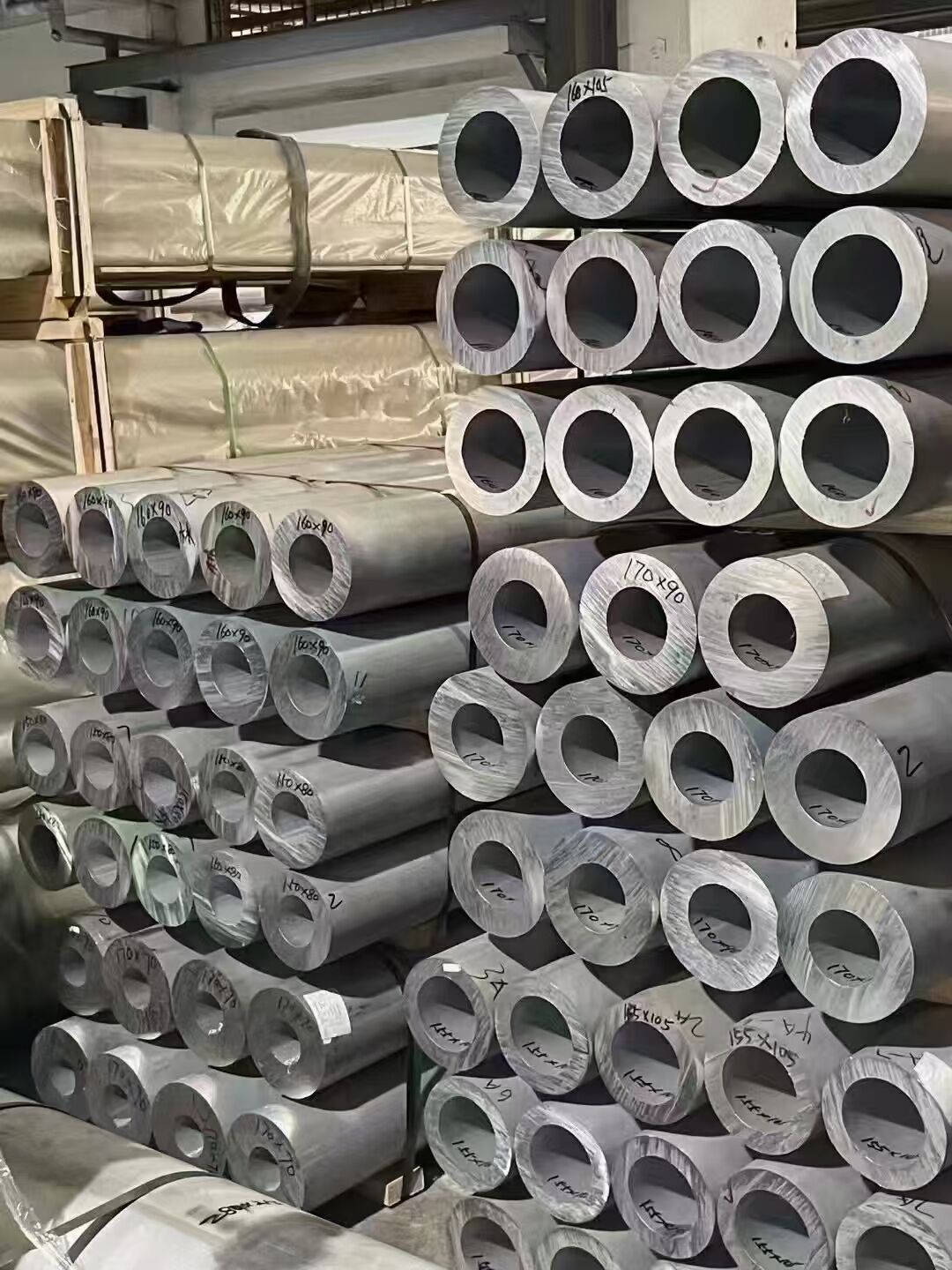
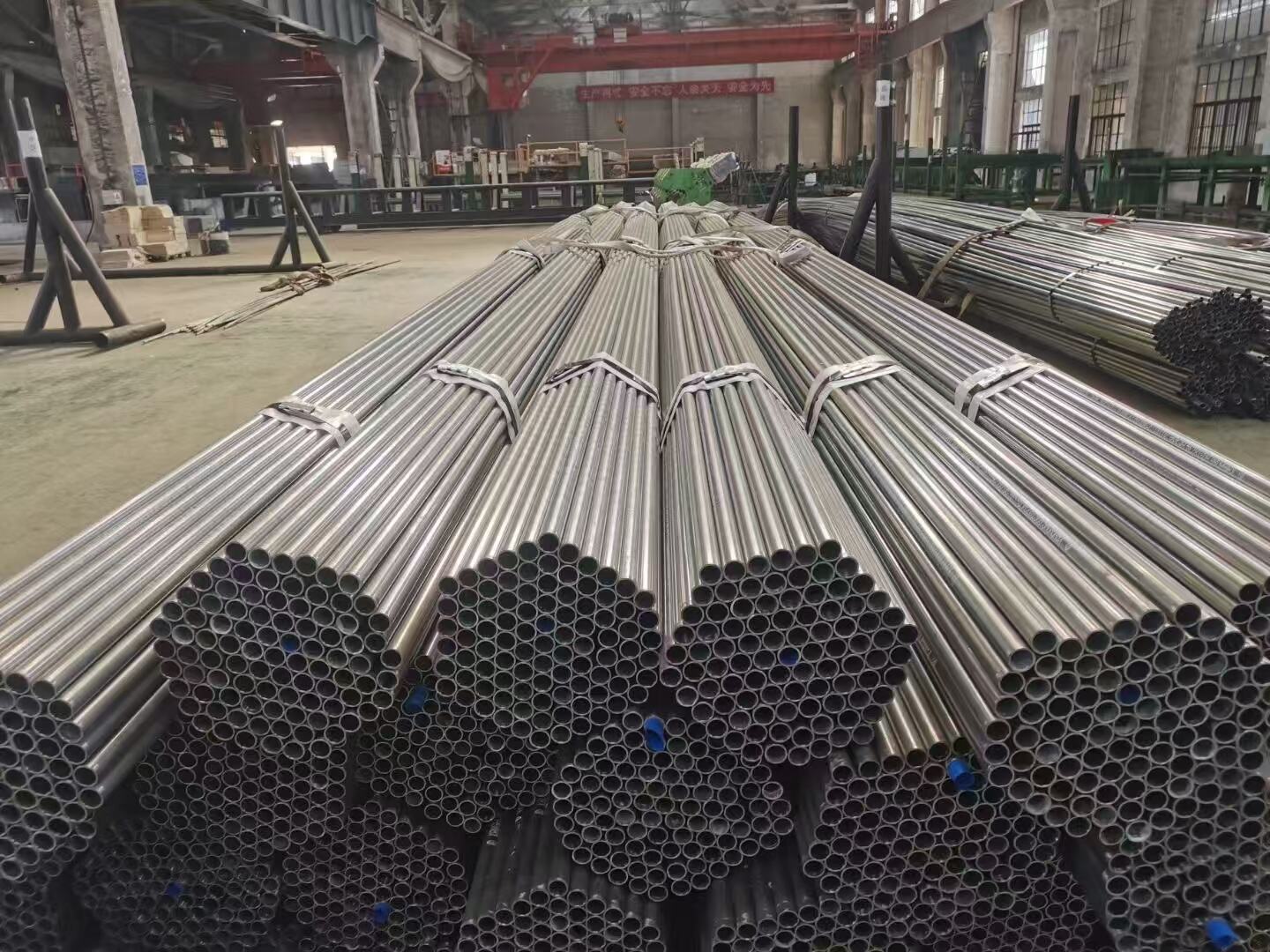
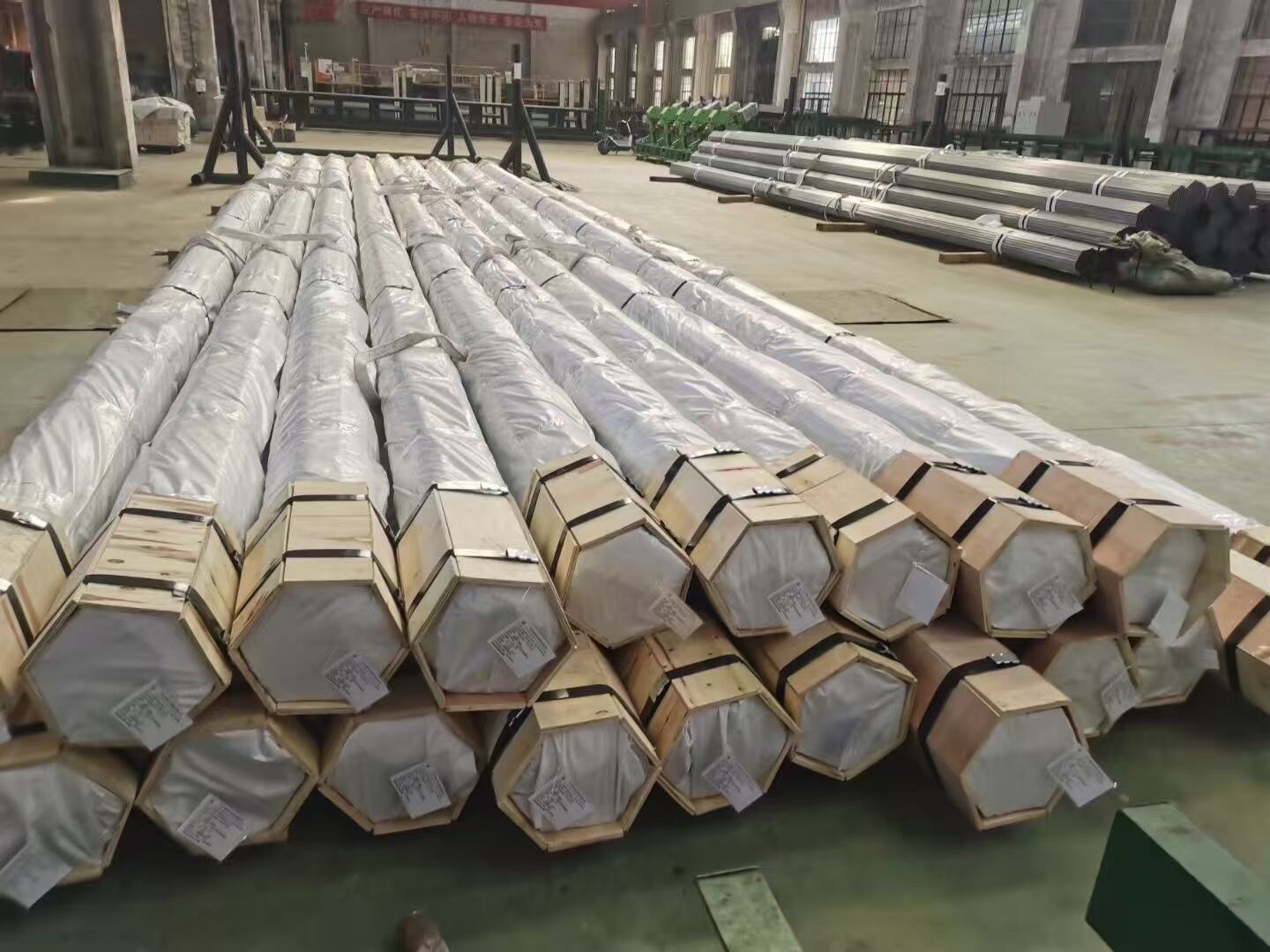
large diameter steel pipe
Large diameter steel pipe represents a critical infrastructure component that serves as the backbone for numerous industrial and municipal applications worldwide. These robust cylindrical structures typically measure 24 inches or greater in diameter and are engineered to handle substantial fluid volumes under high pressure conditions. The manufacturing process involves advanced steel forming techniques that create seamless or welded configurations, depending on specific project requirements and operational demands. Large diameter steel pipe systems excel in transporting water, oil, natural gas, and other essential fluids across vast distances while maintaining structural integrity under extreme environmental conditions. The technological features of these pipes include corrosion-resistant coatings, precision-engineered wall thickness calculations, and specialized joint systems that ensure leak-proof connections throughout the entire pipeline network. Modern production methods incorporate computer-controlled welding processes, ultrasonic testing procedures, and quality assurance protocols that guarantee consistent performance standards. The steel composition often includes carbon steel, stainless steel, or alloy steel variants, each selected based on the specific chemical properties of transported materials and environmental factors. Large diameter steel pipe installations commonly feature protective linings such as cement mortar, epoxy coatings, or polyethylene layers that extend operational lifespan significantly. These pipes demonstrate exceptional load-bearing capabilities, making them suitable for both underground burial and above-ground installations. The applications span across water distribution networks, sewage treatment systems, industrial process piping, power generation facilities, and offshore drilling operations. Municipal water authorities rely on large diameter steel pipe networks to deliver clean water to communities while maintaining consistent pressure levels throughout distribution zones. The versatility of these systems allows for customization in terms of diameter specifications, length requirements, and connection methods to meet diverse project specifications and regulatory compliance standards.

 EN
EN