steel pipe elbow
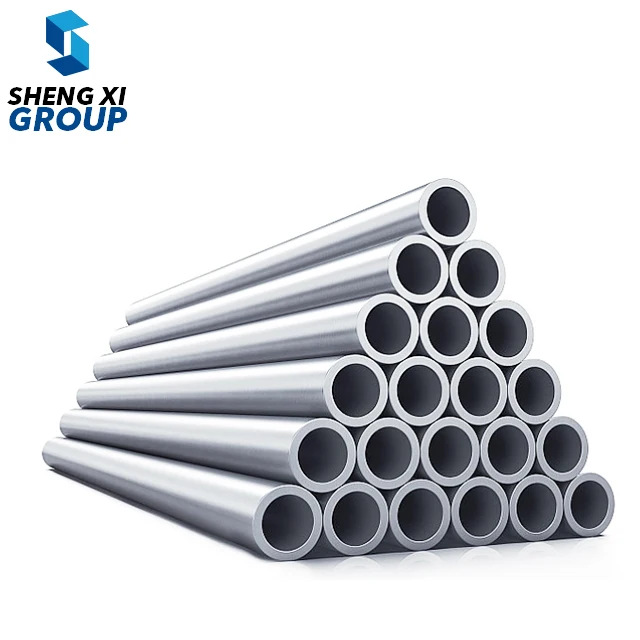
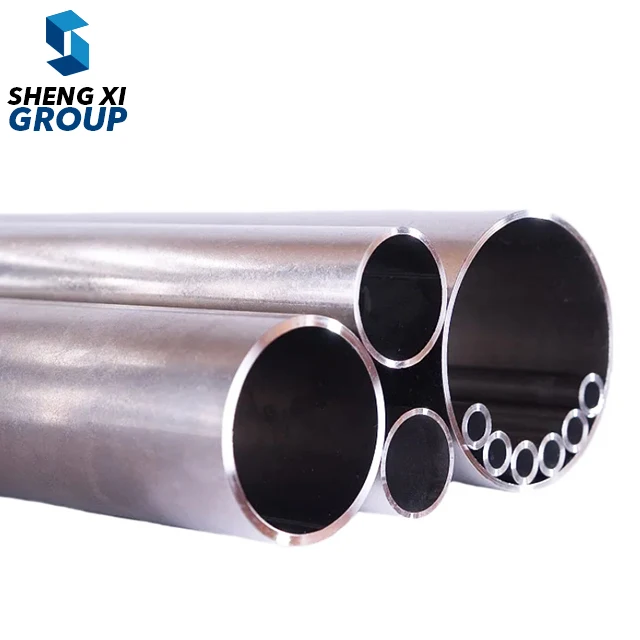
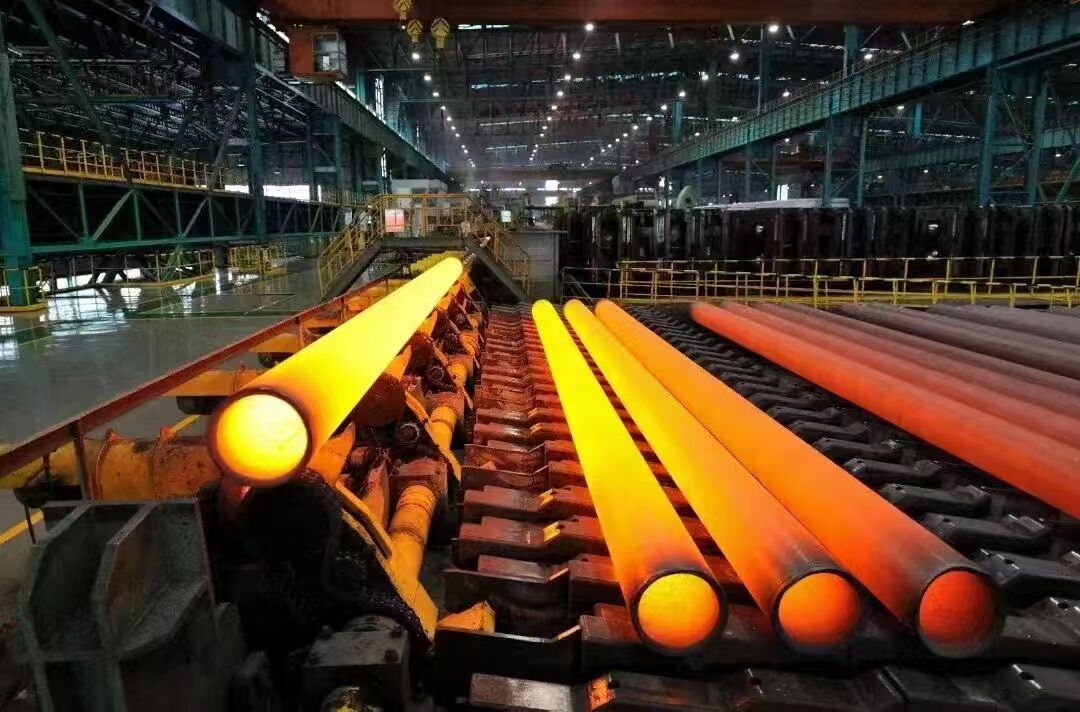
A steel pipe elbow represents a fundamental fitting component designed to redirect fluid flow within piping systems at predetermined angles. These specialized fittings serve as crucial connection points where pipe runs must change direction, accommodating various angular requirements from 45 to 90 degrees in most standard applications. The steel pipe elbow functions as an essential element in countless industrial, commercial, and residential installations, enabling efficient navigation around obstacles, equipment, and structural constraints while maintaining optimal flow characteristics. The primary function of a steel pipe elbow centers on directional flow management, allowing liquids, gases, and other media to transition smoothly through pipe networks without significant pressure loss or turbulence. These components facilitate system flexibility by permitting pipe routing through complex layouts, tight spaces, and around existing infrastructure. Modern steel pipe elbow manufacturing incorporates advanced metallurgical processes that enhance durability, corrosion resistance, and mechanical strength. The technological features of contemporary steel pipe elbow designs include precision-formed curvature profiles that minimize flow restriction and reduce energy consumption. Manufacturing techniques such as hot forming, cold forming, and seamless construction methods ensure consistent wall thickness and dimensional accuracy throughout the fitting. Surface treatments including galvanizing, coating applications, and specialized finishes provide enhanced protection against environmental factors and chemical exposure. Quality control measures during production guarantee that each steel pipe elbow meets stringent industry standards for pressure ratings, temperature limits, and structural integrity. Applications for steel pipe elbow components span diverse sectors including water treatment facilities, chemical processing plants, oil and gas distribution networks, HVAC systems, and municipal infrastructure projects. These fittings prove indispensable in steam generation systems, compressed air networks, hydraulic circuits, and fire protection installations where reliable direction changes are essential for proper system operation and safety compliance.

 EN
EN