
 EN
EN
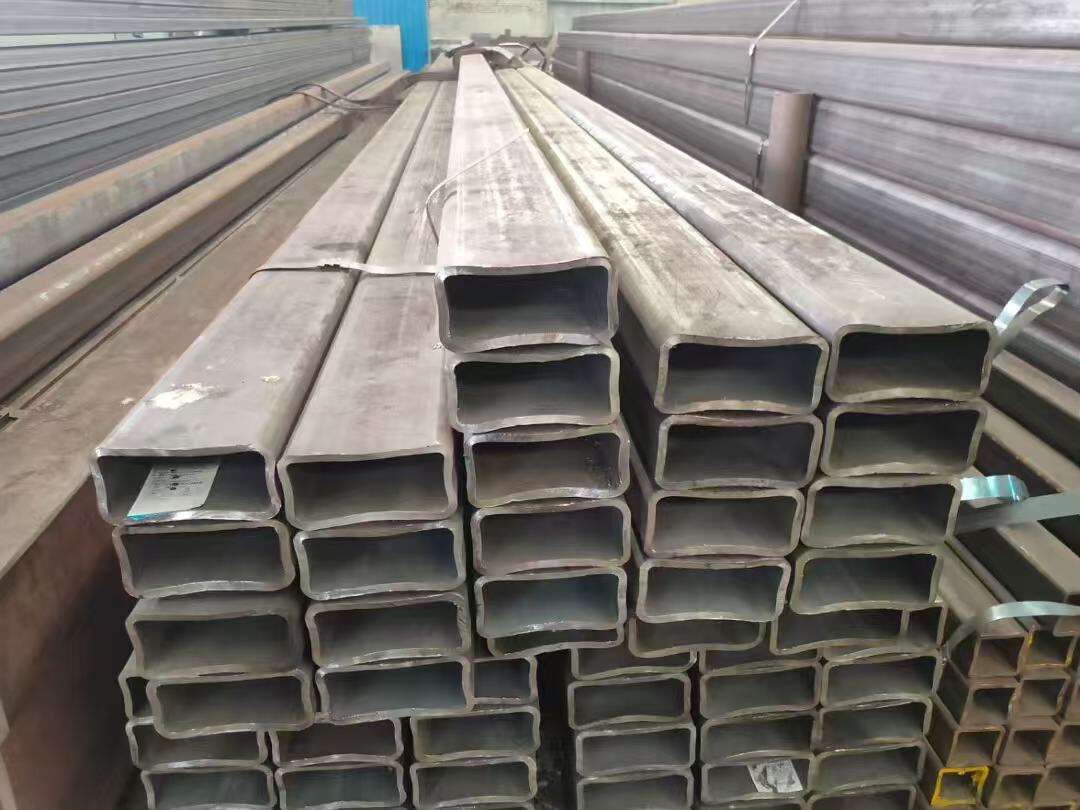
The oil and gas industry demands infrastructure components that can withstand extreme pressures, corrosive environments, and operational stresses that would compromise lesser materials. At the heart of this critical infrastructure lies the seamless steel pipe, a manufacturing achievement that eliminates the inherent weaknesses found in welded alternatives. Selecting the right seamless steel pipe manufacturer becomes a strategic decision that directly impacts project safety, operational longevity, and total cost of ownership across upstream exploration, midstream transportation, and downstream refining operations. This comprehensive examination explores the technical foundations, quality considerations, and strategic factors that distinguish exceptional seamless steel pipe manufacturers serving the global energy sector.
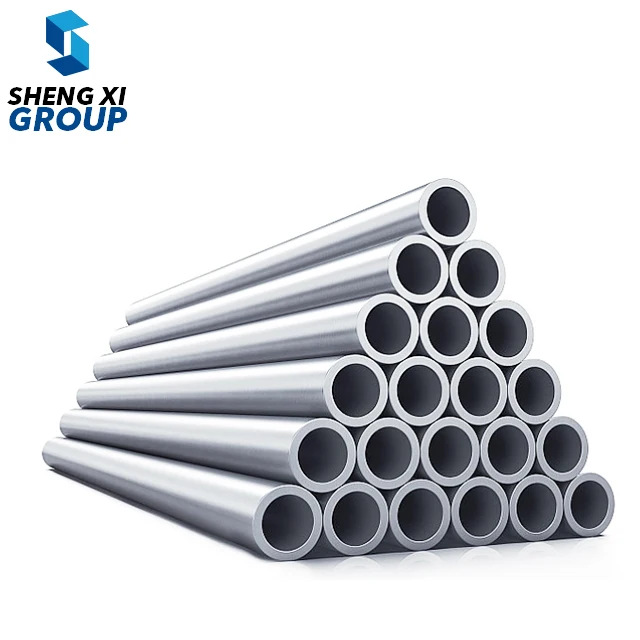
Manufacturing excellence in seamless steel pipe production requires sophisticated metallurgical knowledge, precision engineering capabilities, and rigorous quality control systems that consistently deliver products meeting international standards such as ASTM A106, API 5L, and ASME specifications. The stakes are particularly high in oil and gas applications where pipeline failures can result in catastrophic environmental damage, operational shutdowns costing millions daily, and irreparable reputational harm. Understanding what differentiates superior seamless steel pipe manufacturers from commodity suppliers enables engineering teams, procurement specialists, and project managers to make informed decisions that protect both immediate project outcomes and long-term asset performance across decades of service life.
Manufacturing Process Excellence and Technical Capabilities
Advanced Production Methods for Seamless Steel Pipe
The production of high-quality seamless steel pipe begins with selecting premium steel billets that meet stringent chemical composition requirements. Leading manufacturers employ hot piercing and extrusion processes that transform solid steel into hollow pipe without introducing the longitudinal seam weakness inherent in welded pipe. The rotary piercing process, utilizing Mannesmann mills or plug mills, creates the initial hollow shell through controlled deformation at elevated temperatures. This manufacturing approach ensures uniform wall thickness, superior grain structure, and mechanical properties that remain consistent throughout the pipe circumference, critical factors for withstanding the multidirectional stresses encountered in oil and gas operations.
Subsequent hot rolling or cold drawing operations refine the dimensional accuracy and surface finish of the seamless steel pipe to meet precise engineering specifications. Hot finishing processes enable production of larger diameter pipes with heavier wall thicknesses suited for high-pressure transmission lines and gathering systems. Cold drawing techniques produce smaller diameter pipes with exceptional dimensional tolerances and surface quality required for instrumentation tubing and specialized applications. The choice between manufacturing methods depends on the specific service conditions, with superior manufacturers maintaining multiple production capabilities to address the full spectrum of oil and gas infrastructure requirements.
Metallurgical Control and Material Science
Distinguished seamless steel pipe manufacturers maintain rigorous control over the metallurgical properties that determine performance in demanding oil and gas environments. Carbon content, alloying elements, and heat treatment processes are precisely managed to achieve the optimal balance between strength, ductility, and toughness. For sour gas service containing hydrogen sulfide, manufacturers must produce seamless steel pipe with controlled hardness levels and specialized metallurgy to resist sulfide stress cracking. Low-temperature applications in arctic environments require fine-grained steel with enhanced impact toughness verified through Charpy V-notch testing at service temperatures.
The grain structure resulting from controlled hot working and normalizing heat treatments directly influences the mechanical behavior of seamless steel pipe under operational loads. Manufacturers with advanced metallurgical capabilities employ thermomechanical processing that combines controlled rolling parameters with precise cooling rates to produce refined microstructures with superior properties. This scientific approach to material development enables seamless steel pipe to achieve yield strengths exceeding 80,000 psi while maintaining the ductility necessary for field bending and installation procedures. Understanding these metallurgical foundations helps project teams specify appropriate materials and identify manufacturers with the technical depth to support critical applications.
Dimensional Precision and Tolerance Management
The dimensional accuracy of seamless steel pipe significantly impacts installation efficiency, joint integrity, and system performance in oil and gas infrastructure projects. Wall thickness uniformity affects pressure rating calculations, corrosion allowances, and connection reliability across thousands of joints in pipeline systems. Outside diameter consistency determines the fit-up quality for welded connections and mechanical couplings that must maintain leak-tight seals under cyclic pressure and temperature variations. Leading manufacturers invest in precision sizing equipment and online measurement systems that verify dimensional compliance throughout production, ensuring every length of seamless steel pipe meets the tolerances specified in project procurement documents.
Ovality, straightness, and end squareness represent additional dimensional parameters that influence installation labor costs and long-term system integrity. Excessive ovality complicates pipe handling and can create stress concentrations when pipes are forced into circular form during installation. Poor straightness increases transportation costs, complicates alignment during construction, and may introduce bending stresses that reduce effective pressure ratings. Premium seamless steel pipe manufacturers implement comprehensive dimensional control programs that address these factors systematically, delivering products that minimize field problems and installation delays while maximizing the structural efficiency of completed pipeline systems.
Quality Assurance Systems and Certification Standards
International Standards Compliance Framework
The global oil and gas industry relies on internationally recognized standards that establish minimum requirements for seamless steel pipe materials, manufacturing processes, and testing protocols. ASTM A106 defines specifications for seamless carbon steel pipe suited for high-temperature service in refineries and petrochemical facilities. API 5L establishes requirements for line pipe used in pipeline transportation systems, with multiple product specification levels addressing increasingly stringent quality and testing requirements. ASME B31.3 and B31.4 codes reference these material standards while prescribing additional qualification and documentation requirements for pressure piping systems in process plants and liquid petroleum pipelines.
Manufacturers serving international markets must navigate multiple overlapping standards including European EN 10216 specifications, Japanese JIS standards, and ISO international standards. Leading seamless steel pipe manufacturers maintain certifications and approvals from classification societies, regulatory authorities, and industry organizations across major petroleum-producing regions. This comprehensive standards compliance demonstrates manufacturing consistency, testing capability, and quality system maturity essential for supporting global projects. The ability to provide seamless steel pipe certified to multiple equivalent standards within a single production run offers procurement flexibility and supply chain advantages for multinational energy companies executing standardized designs across diverse geographical locations.
Non-Destructive Testing and Inspection Protocols
Comprehensive non-destructive testing represents a fundamental quality assurance element distinguishing premium seamless steel pipe manufacturers from basic commodity producers. Ultrasonic testing detects internal discontinuities, laminations, and wall thickness variations throughout the pipe body that could compromise pressure integrity or accelerate failure under cyclic loading. Eddy current testing identifies surface and near-surface defects that may not be visually apparent but could initiate stress corrosion cracking or fatigue failures in service. Magnetic particle inspection reveals surface discontinuities in ferromagnetic materials, while liquid penetrant testing serves similar purposes for non-magnetic alloys.
The testing frequency, sensitivity levels, and acceptance criteria applied by seamless steel pipe manufacturers directly influence the reliability of delivered products. Standard specifications typically mandate 100 percent ultrasonic testing for critical applications, but the equipment calibration, operator qualification, and defect evaluation procedures vary significantly across manufacturers. Premium suppliers implement testing programs that exceed minimum standard requirements, employing advanced digital ultrasonic systems with automated defect characterization and permanent record generation. This enhanced testing rigor provides documented evidence of product integrity and supports failure analysis if unexpected service issues arise, protecting both manufacturer reputation and customer assets throughout extended operational lifespans.
Traceability Systems and Documentation Management
Complete material traceability from steel heat through finished seamless steel pipe enables quality control verification, facilitates warranty administration, and supports incident investigation if field failures occur. Each production heat receives unique identification that follows the material through all manufacturing operations, with test results, chemical analysis data, and mechanical property measurements linked to specific pipe lengths. Mill test certificates document compliance with ordered specifications and provide the technical data necessary for engineering calculations, code compliance verification, and asset management systems throughout project lifecycle.
Advanced seamless steel pipe manufacturers implement digital traceability systems that maintain searchable databases correlating product markings with complete manufacturing history. This capability proves invaluable when project modifications require matching existing materials, when regulatory audits demand documentation verification, or when operating experience identifies optimal material grades for specific service conditions. The quality of documentation and ease of information retrieval distinguish manufacturers committed to long-term customer relationships from transactional suppliers focused solely on initial product delivery. For critical oil and gas infrastructure expected to operate for decades, robust traceability represents an essential risk management tool protecting asset integrity and operational continuity.
Technical Support and Application Engineering Services
Material Selection Guidance for Service Conditions
The performance requirements for seamless steel pipe vary dramatically across different positions within oil and gas infrastructure systems. Gathering lines operating at moderate pressures with sweet hydrocarbon streams require different metallurgy than high-pressure sour gas transmission pipelines or high-temperature refinery process piping. Ambient temperature variations from arctic permafrost to desert heat create additional material selection considerations affecting toughness requirements and thermal expansion allowances. Premium seamless steel pipe manufacturers employ application engineers who understand these service condition variations and can recommend optimal material grades, wall thickness schedules, and supplementary testing requirements for specific project conditions.
This technical consultation extends beyond basic material specification to address corrosion mechanisms, fatigue loading, installation stresses, and operational variables that influence long-term performance. Internal corrosion from produced fluids containing carbon dioxide, hydrogen sulfide, organic acids, and entrained solids requires consideration of corrosion-resistant alloys or internal coating systems. External corrosion protection through fusion-bonded epoxy coatings or cathodic protection systems influences surface preparation requirements and coating adhesion testing. Manufacturers with comprehensive application knowledge help project teams navigate these complex interactions, optimizing material selection decisions that balance performance requirements, regulatory compliance, and economic constraints across multi-decade asset lifespans.
Fabrication and Installation Support
The transition from manufactured seamless steel pipe to installed infrastructure involves numerous fabrication operations that can compromise material properties if improperly executed. Welding procedures must be qualified for specific pipe grades, with preheat and interpass temperature control preventing hydrogen cracking in high-strength materials. Cold bending operations introduce residual stresses and work hardening that may require stress relief heat treatment depending on bend severity and material grade. Hot bending, while minimizing residual stresses, requires controlled heating and cooling rates to avoid metallurgical degradation that would reduce toughness or corrosion resistance.
Leading seamless steel pipe manufacturers provide technical guidance for these fabrication operations, including welding procedure recommendations, bend radius limitations, and heat treatment requirements. Some manufacturers offer value-added services including beveling, threading, coating application, and custom length cutting that reduce field fabrication requirements while maintaining quality control under manufacturer supervision. This integrated approach to product delivery recognizes that seamless steel pipe performance depends not only on manufacturing quality but also on proper handling, storage, and installation practices throughout the construction process. Manufacturers who support customers through installation completion demonstrate commitment to project success extending beyond simple product transactions.
Failure Analysis and Continuous Improvement Programs
Despite rigorous quality control, unexpected failures occasionally occur in oil and gas infrastructure due to unanticipated service conditions, installation damage, or operating practices outside design parameters. When incidents involve seamless steel pipe, systematic failure analysis determines root causes and identifies corrective actions preventing recurrence. Premium manufacturers actively participate in failure investigations, providing metallurgical expertise, manufacturing records, and technical resources that expedite problem resolution. This collaborative approach protects customer operations while generating lessons learned that enhance future product performance across the industry.
The insights gained from field experience feedback inform continuous improvement initiatives within manufacturing operations. Patterns in service performance may reveal opportunities for metallurgical refinements, dimensional tolerance optimization, or enhanced testing protocols that further improve seamless steel pipe reliability. Manufacturers who systematically collect and analyze field performance data develop institutional knowledge translating into superior products for subsequent customers. This commitment to continuous improvement based on real-world performance distinguishes manufacturers focused on long-term industry partnership from those treating seamless steel pipe as undifferentiated commodity products without meaningful technical differentiation.
Supply Chain Reliability and Global Project Support
Production Capacity and Delivery Performance
Large-scale oil and gas infrastructure projects require substantial quantities of seamless steel pipe delivered according to construction schedules coordinating multiple contractors across extended timelines. Production capacity constraints at manufacturers can create project delays, while inventory shortages force premium pricing or material substitutions that compromise design optimization. Evaluating manufacturer production capacity, order backlogs, and historical delivery performance helps project teams assess supply risk and schedule contingencies appropriately. Established seamless steel pipe manufacturers with substantial production capacity and multiple manufacturing facilities offer greater schedule security than smaller operations vulnerable to equipment breakdowns or demand surges affecting single production lines.
Delivery performance encompasses not only meeting scheduled ship dates but also providing accurate production status information enabling proactive logistics management. Late deliveries without advance notice disrupt construction schedules, while premature deliveries may require expensive field storage or double handling. Leading manufacturers implement order management systems providing customers real-time visibility into production progress, testing completion, and shipment preparation. This transparency enables construction managers to optimize equipment mobilization, workforce scheduling, and subsequent material deliveries, reducing total project costs beyond the seamless steel pipe purchase price. For international projects, manufacturers with experience navigating export documentation, international shipping logistics, and customs clearance procedures provide additional value reducing project execution risk.
Geographic Presence and Local Technical Support
The global distribution of oil and gas resources creates demand for seamless steel pipe across diverse geographic regions with varying infrastructure development, regulatory environments, and local content requirements. Manufacturers with international production facilities and regional sales offices offer advantages including reduced transportation costs, shorter lead times, and improved communication through local language capabilities and time zone alignment. Local manufacturing presence may satisfy national content regulations requiring specified percentages of project materials sourced domestically, enabling project sanctioning in resource-nationalist jurisdictions.
Beyond logistical considerations, local technical support capabilities significantly enhance manufacturer value in international markets. Regional application engineers familiar with local operating conditions, regulatory requirements, and industry practices provide more relevant guidance than distant technical support relying on generic recommendations. Local quality representatives can witness testing, verify dimensional compliance, and resolve specification questions without international travel delays. For ongoing operations and maintenance activities, accessible technical support facilitates rapid response to operational issues, emergency material requirements, and expansion projects extending existing infrastructure. This geographic alignment between seamless steel pipe manufacturers and customer operating regions supports not only initial construction but also decades of asset operation and expansion.
Strategic Partnerships and Long-Term Relationships
The complexity and criticality of oil and gas infrastructure create value in long-term relationships between operators and seamless steel pipe manufacturers extending beyond transactional procurement. Strategic partnerships enable manufacturers to invest in understanding customer-specific requirements, operating environments, and performance priorities that inform product development and quality enhancement initiatives. Volume commitments across multiple projects provide manufacturers revenue stability supporting capital investments in advanced manufacturing equipment, testing capabilities, and technical personnel development that benefit future projects.
These relationships generate mutual benefits including preferred pricing, priority production scheduling, and enhanced technical collaboration on challenging applications. Operators gain supply security and technical partnership supporting aggressive project schedules and operational excellence objectives. Manufacturers obtain market intelligence, application feedback, and business volume justifying continuous improvement investments. In an industry characterized by large capital projects with extended execution timelines and multi-decade operational horizons, the stability and mutual commitment inherent in strategic partnerships reduce risk and enhance value for both parties compared to arms-length spot market transactions treating seamless steel pipe as undifferentiated commodities selected solely on initial purchase price.
Sustainability Practices and Environmental Stewardship
Energy Efficiency in Manufacturing Operations
The energy-intensive nature of steel production and seamless pipe manufacturing creates both cost implications and environmental impact that increasingly influence procurement decisions. Progressive seamless steel pipe manufacturers implement energy management systems reducing fuel consumption through process optimization, waste heat recovery, and efficient equipment design. Modern reheat furnaces with regenerative burners and improved insulation reduce natural gas consumption per ton of processed steel. Electric motor efficiency improvements and variable frequency drives reduce electrical energy consumption in rolling mills and material handling systems. These operational improvements reduce manufacturing costs while decreasing greenhouse gas emissions associated with seamless steel pipe production.
Energy efficiency improvements align manufacturer economic interests with customer sustainability objectives and regulatory requirements for carbon emissions reduction. Many international oil and gas companies now evaluate supply chain carbon footprint as part of procurement decisions, favoring manufacturers demonstrating measurable environmental performance improvements. Third-party certifications such as ISO 14001 environmental management systems provide independent verification of manufacturer environmental commitments and continuous improvement processes. As carbon taxation and emissions trading systems expand globally, the environmental efficiency of seamless steel pipe manufacturing will increasingly influence total cost of ownership calculations beyond direct purchase price considerations.
Material Recycling and Circular Economy Principles
Steel represents one of the most recycled materials globally, with electric arc furnace production utilizing substantial recycled scrap content. While seamless steel pipe manufacturing typically employs basic oxygen furnace steel from integrated mills using iron ore, manufacturers increasingly incorporate recycled content where material specifications permit. End-of-life seamless steel pipe from decommissioned infrastructure returns to steel mills as high-quality scrap, creating circular material flows that reduce primary resource extraction and associated environmental impacts. This recyclability differentiates steel pipe from composite alternatives that face disposal challenges after service life completion.
Progressive manufacturers implement waste minimization programs reducing scrap generation during manufacturing operations. Precision piercing and rolling processes reduce material losses compared to machining operations removing substantial material as chips. Crop end recycling returns the unusable pipe ends trimmed during finishing operations back to steelmaking operations. Packaging material reduction and reusable shipping supports minimize waste generation throughout the supply chain. These circular economy principles reduce environmental impact while improving material utilization efficiency, benefits that accrue to customers through reduced costs and enhanced corporate sustainability performance aligned with industry environmental, social, and governance objectives increasingly emphasized by investors and regulators.
Water Management and Emission Controls
Seamless steel pipe manufacturing requires substantial water usage for cooling operations, hydraulic systems, and surface treatment processes. Leading manufacturers implement closed-loop water systems that recycle process water, reducing freshwater withdrawal and wastewater discharge to surrounding ecosystems. Water treatment systems remove contaminants before discharge, protecting local water quality and aquatic habitats. In water-scarce regions, advanced manufacturers invest in dry cooling systems and water recycling technologies that minimize environmental impact while supporting local water resource sustainability.
Air emissions from heating furnaces, heat treatment operations, and surface preparation activities require control systems meeting increasingly stringent regulatory standards. Particulate collectors, combustion optimization, and low-emission burners reduce air pollutant releases affecting local air quality and worker health. Manufacturers implementing comprehensive environmental management systems demonstrate corporate responsibility extending beyond minimum regulatory compliance, protecting both surrounding communities and manufacturer workforce health. For oil and gas operators facing intense public scrutiny regarding environmental performance, partnering with environmentally responsible seamless steel pipe manufacturers supports corporate sustainability objectives and social license to operate in environmentally sensitive regions.
FAQ
What specific standards should seamless steel pipe meet for oil and gas applications?
Seamless steel pipe for oil and gas infrastructure should meet ASTM A106 for high-temperature service, API 5L for line pipe applications, or equivalent international standards such as EN 10216 or ISO 3183. The specific standard depends on the service conditions, with sour service requiring additional testing per NACE MR0175/ISO 15156, and low-temperature applications requiring Charpy impact testing verification. Manufacturers should provide mill test certificates documenting chemical composition, mechanical properties, and test results demonstrating compliance with specified standards and supplementary requirements defined in project procurement specifications.
How does manufacturing process affect seamless steel pipe performance compared to welded pipe?
The seamless manufacturing process eliminates the longitudinal weld seam present in welded pipe, creating uniform mechanical properties and corrosion resistance throughout the pipe circumference. This manufacturing approach provides superior performance in high-pressure applications, cyclic loading conditions, and corrosive environments where the weld seam represents a potential weakness. Seamless steel pipe exhibits consistent wall thickness and mechanical properties without the heat-affected zone metallurgical variations inherent in welded pipe. For critical oil and gas applications involving high pressures, sour service, or fatigue loading, seamless construction offers reliability advantages justifying the cost premium over welded alternatives.
What technical support should manufacturers provide during project execution?
Comprehensive seamless steel pipe manufacturers should provide material selection guidance addressing specific service conditions, welding procedure recommendations for field joints, fabrication guidelines for bending and forming operations, and quality documentation supporting code compliance verification. Technical representatives should be available to witness testing, resolve specification questions, and address field issues arising during construction. Post-installation support including failure analysis capabilities and performance feedback systems demonstrates manufacturer commitment to long-term customer success beyond initial product delivery. This technical partnership approach reduces project risk and supports optimal asset performance throughout extended operational lifespans.
How can buyers verify manufacturer quality capabilities before procurement?
Buyers should conduct manufacturing facility audits evaluating production equipment, quality control systems, testing capabilities, and personnel qualifications. Review manufacturer certifications including ISO 9001 quality management systems, API monogram licensing, and pressure equipment directive compliance. Request sample mill test certificates and examine documentation completeness and technical data accuracy. Contact existing customers for references regarding delivery performance, product quality, and technical support responsiveness. Evaluate manufacturer financial stability and production capacity relative to project requirements. For critical applications, third-party inspection agencies can provide independent verification of manufacturing quality and standard compliance before shipment, providing additional assurance for long-term asset integrity protection.
Table of Contents
- Manufacturing Process Excellence and Technical Capabilities
- Quality Assurance Systems and Certification Standards
- Technical Support and Application Engineering Services
- Supply Chain Reliability and Global Project Support
- Sustainability Practices and Environmental Stewardship
-
FAQ
- What specific standards should seamless steel pipe meet for oil and gas applications?
- How does manufacturing process affect seamless steel pipe performance compared to welded pipe?
- What technical support should manufacturers provide during project execution?
- How can buyers verify manufacturer quality capabilities before procurement?