boiler tube and pipe
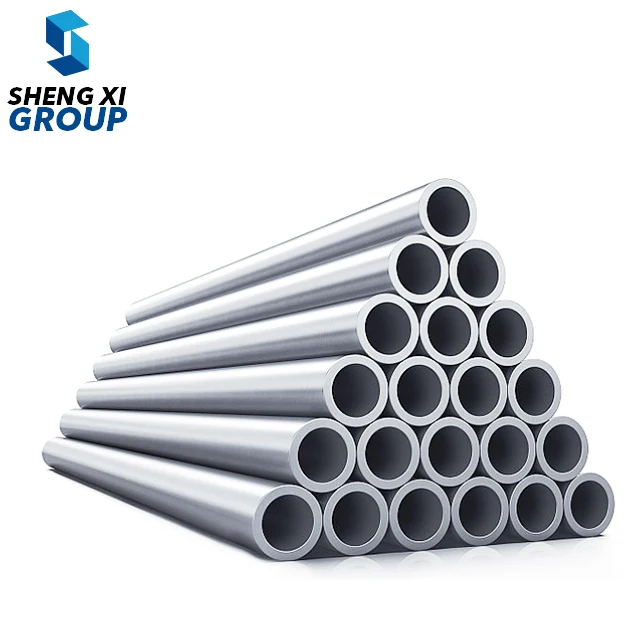
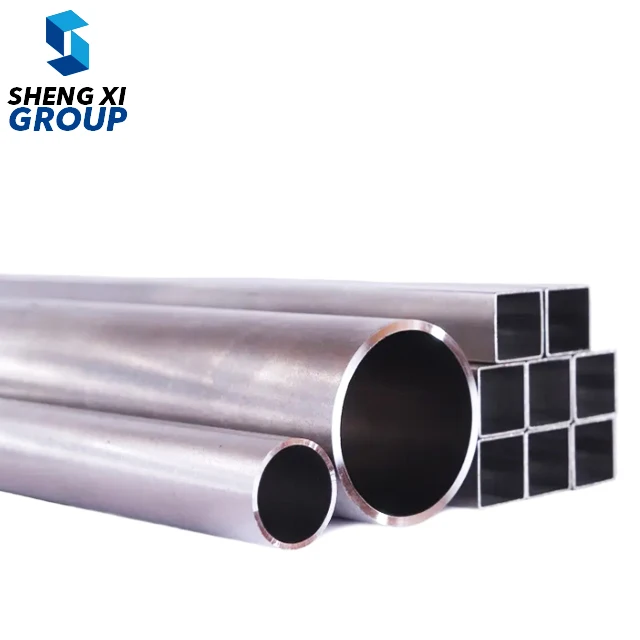
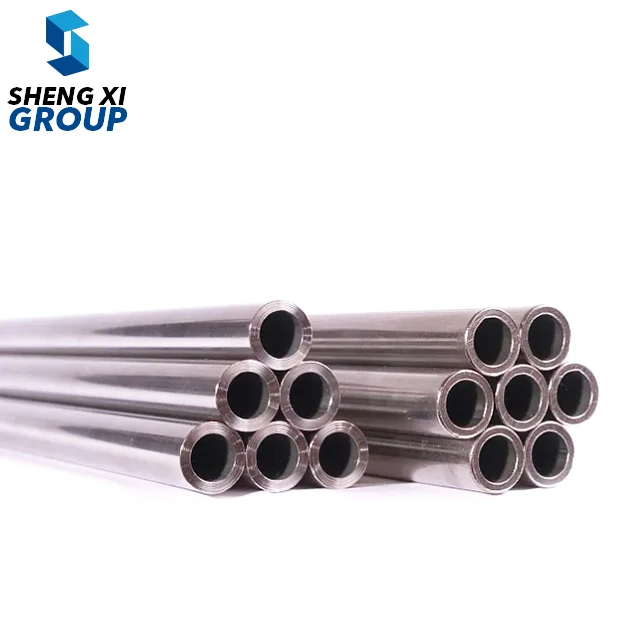
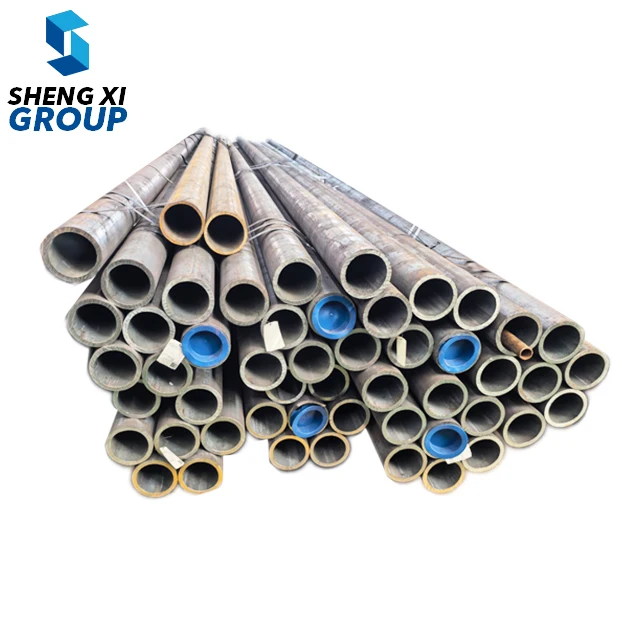
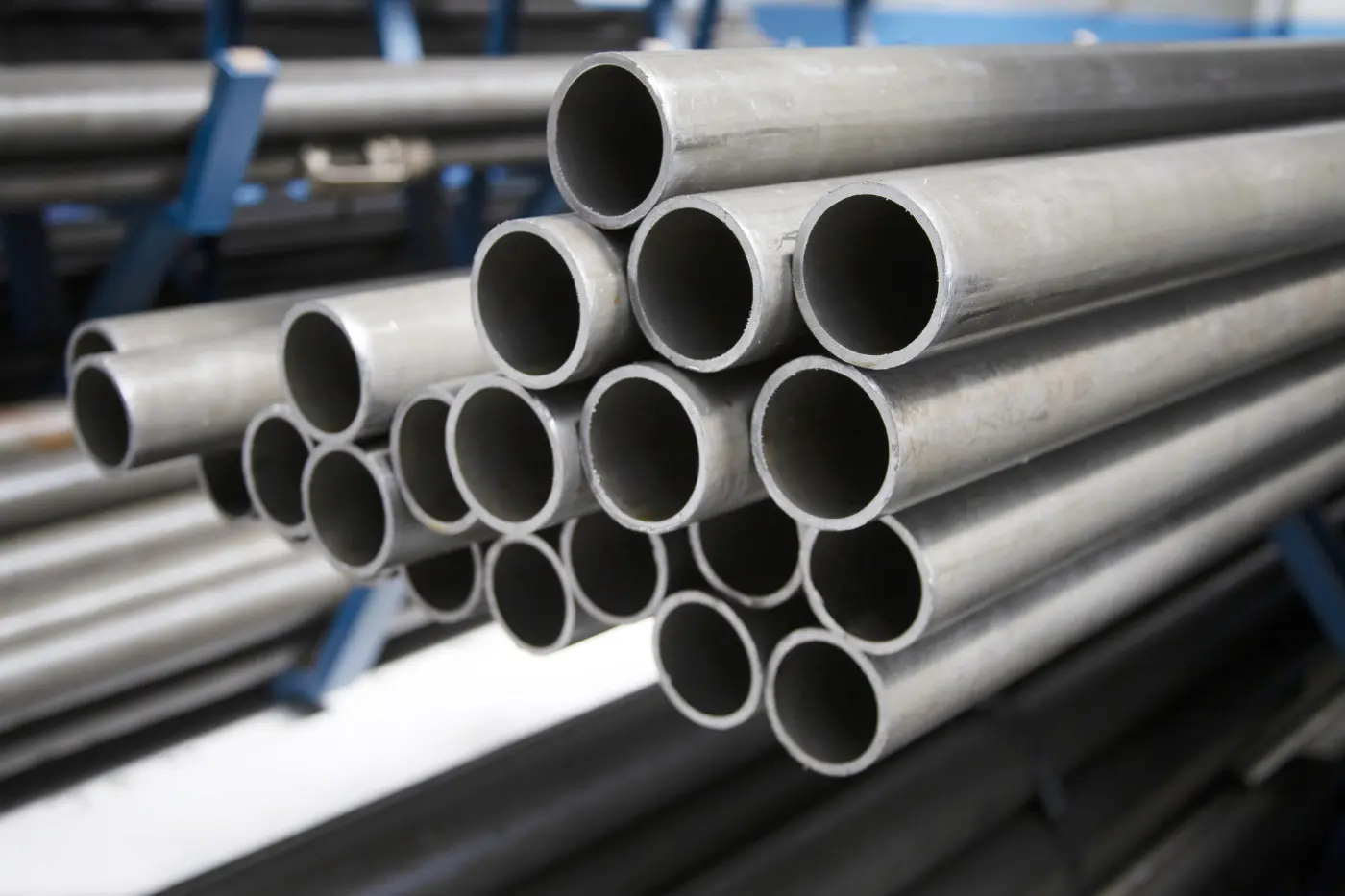
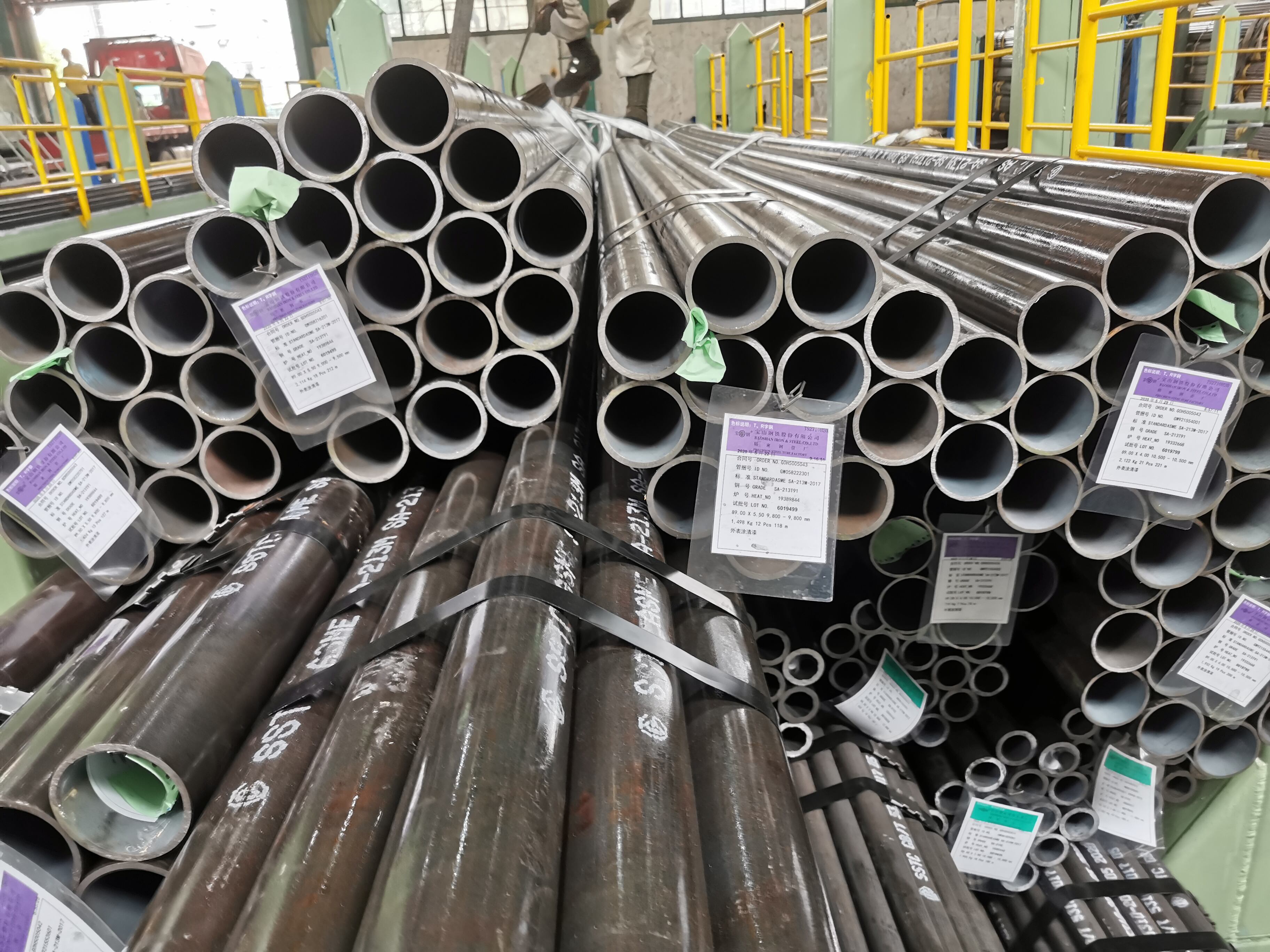
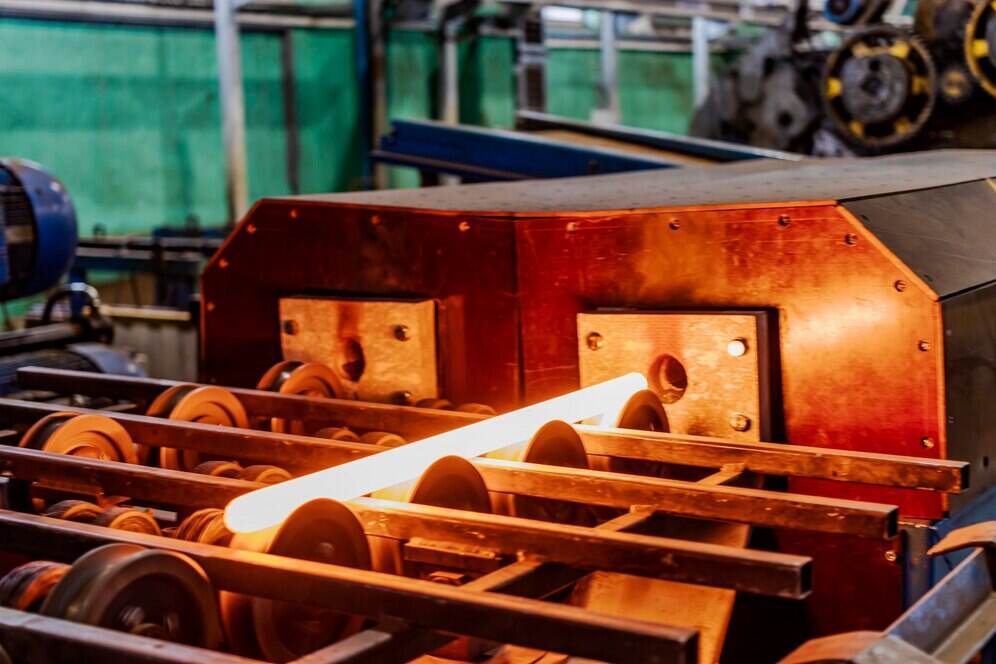
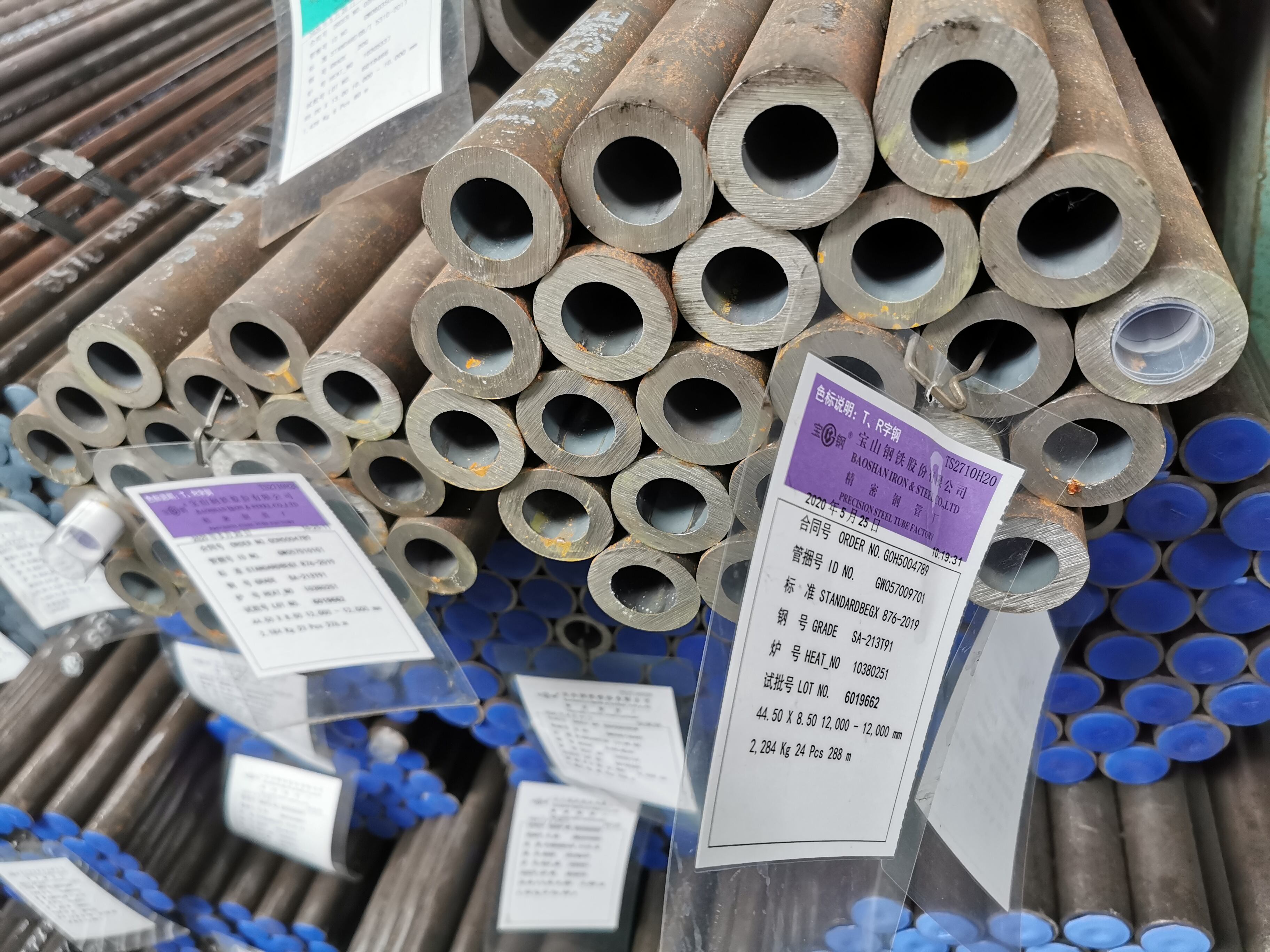
Boiler tube and pipe systems represent critical components in steam generation and heat transfer applications across numerous industrial sectors. These specialized components are engineered to withstand extreme temperatures, high pressures, and corrosive environments while maintaining optimal heat transfer efficiency. The primary function of boiler tube and pipe assemblies involves facilitating the conversion of water into steam through controlled heat exchange processes. This conversion occurs as heated gases pass around the exterior surfaces of the tubes while water flows through the interior channels. The boiler tube and pipe configuration creates maximum surface area contact between the heating medium and water, ensuring efficient energy transfer and steam production. Modern boiler tube and pipe systems incorporate advanced metallurgical technologies that enhance their performance characteristics. These components typically feature seamless construction methods that eliminate weak points and potential failure areas. The manufacturing process involves precision forming techniques that create uniform wall thickness and consistent internal dimensions throughout the entire length of each boiler tube and pipe segment. Material selection plays a crucial role in boiler tube and pipe performance, with manufacturers utilizing carbon steel, alloy steel, and stainless steel variants depending on specific operational requirements. Each material type offers distinct advantages in terms of corrosion resistance, temperature tolerance, and mechanical strength. The technological features of contemporary boiler tube and pipe systems include enhanced heat transfer coefficients achieved through optimized surface geometries and advanced coating applications. Many boiler tube and pipe products incorporate internal rifling or external fins that increase surface area and improve thermal efficiency. Quality control measures ensure that every boiler tube and pipe meets stringent dimensional tolerances and material specifications. Applications for boiler tube and pipe systems span power generation facilities, manufacturing plants, petrochemical refineries, and commercial heating installations, where reliable steam production remains essential for operational success.

 EN
EN