Premium Steam Boiler Tube Solutions - High-Performance Industrial Heating Components

All Categories

steam boiler tube

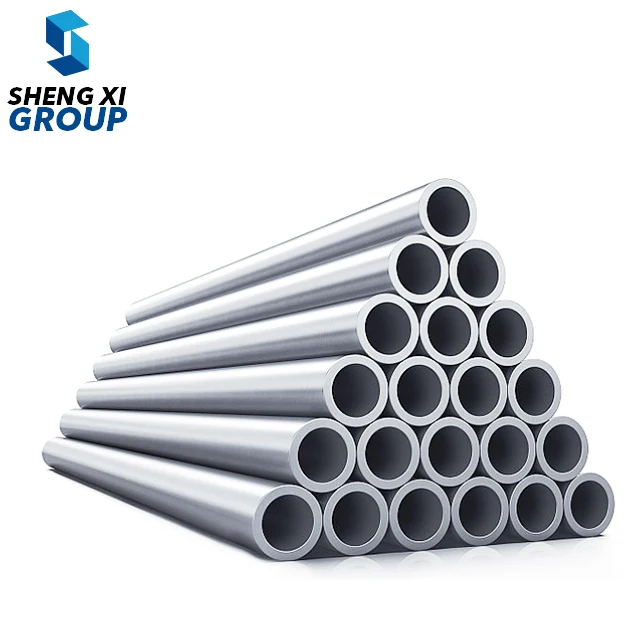
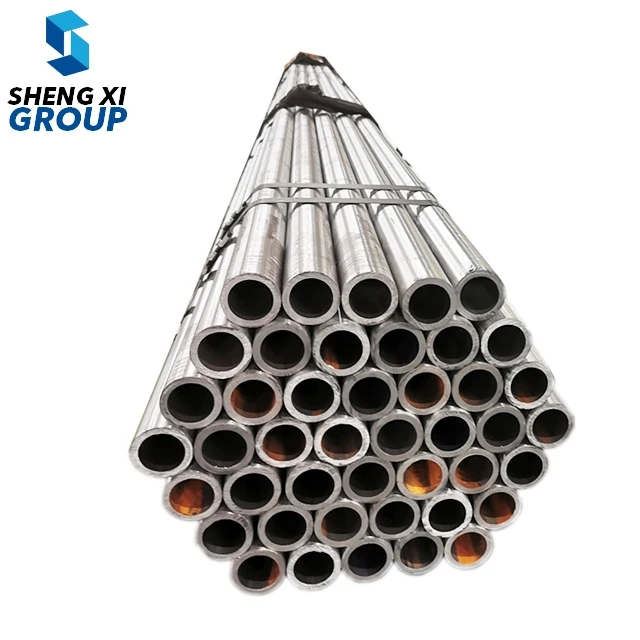
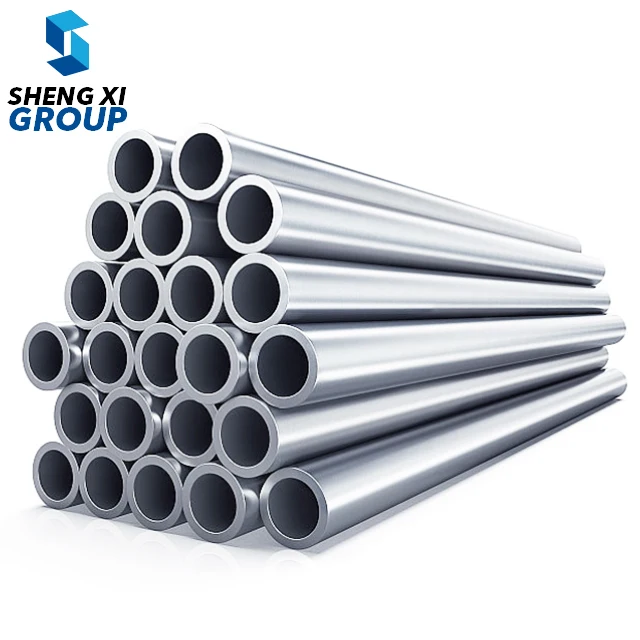
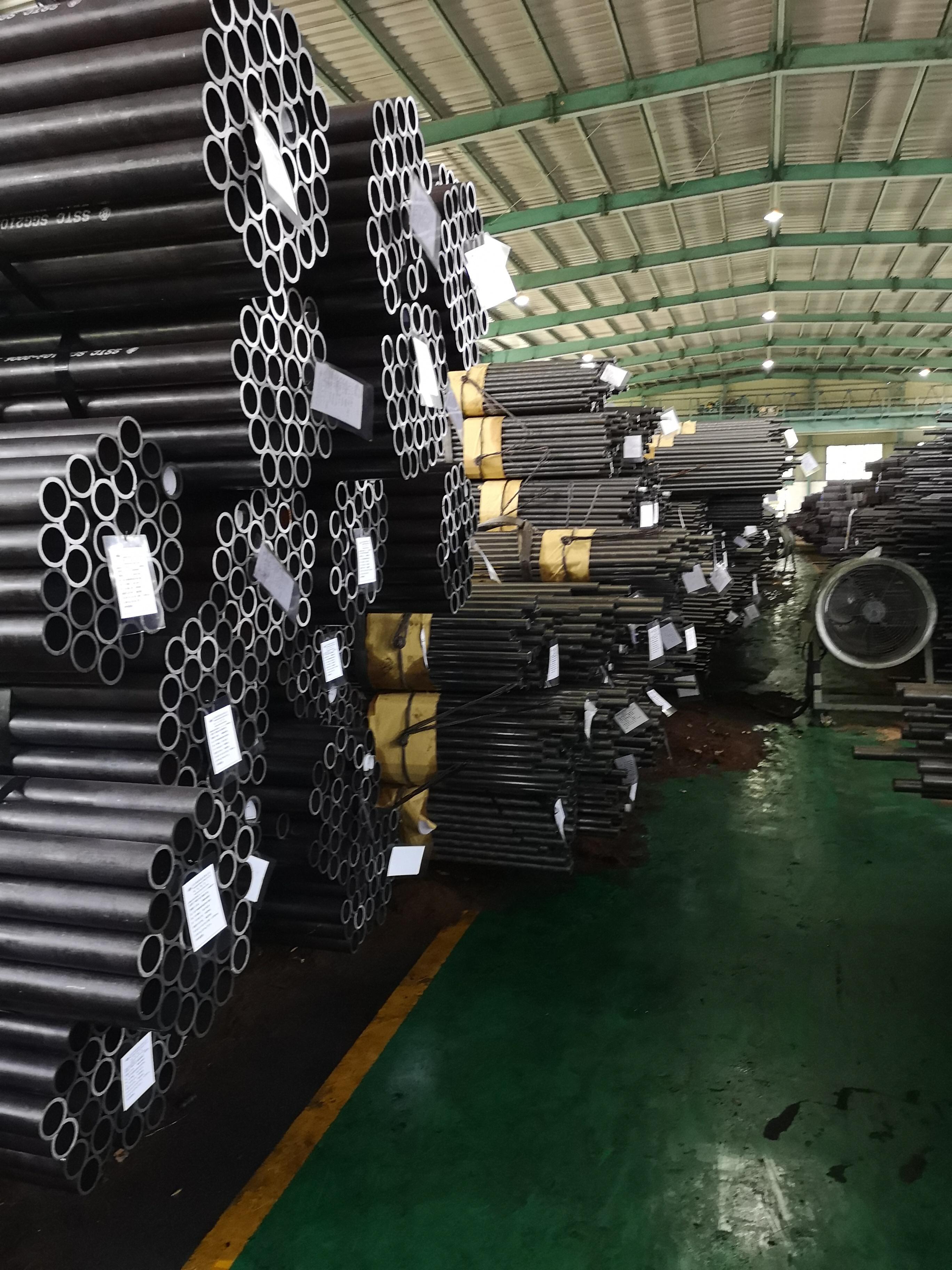
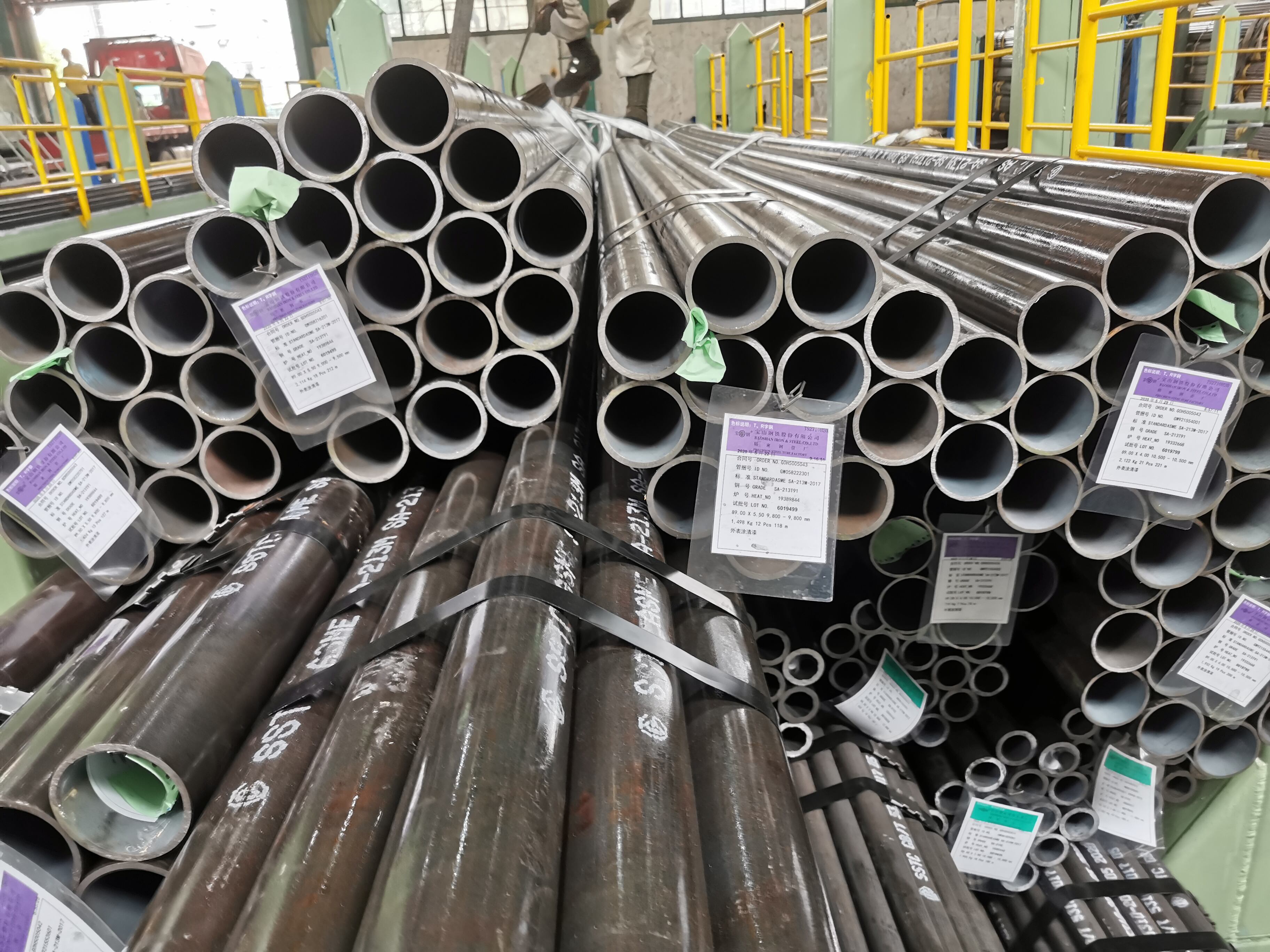
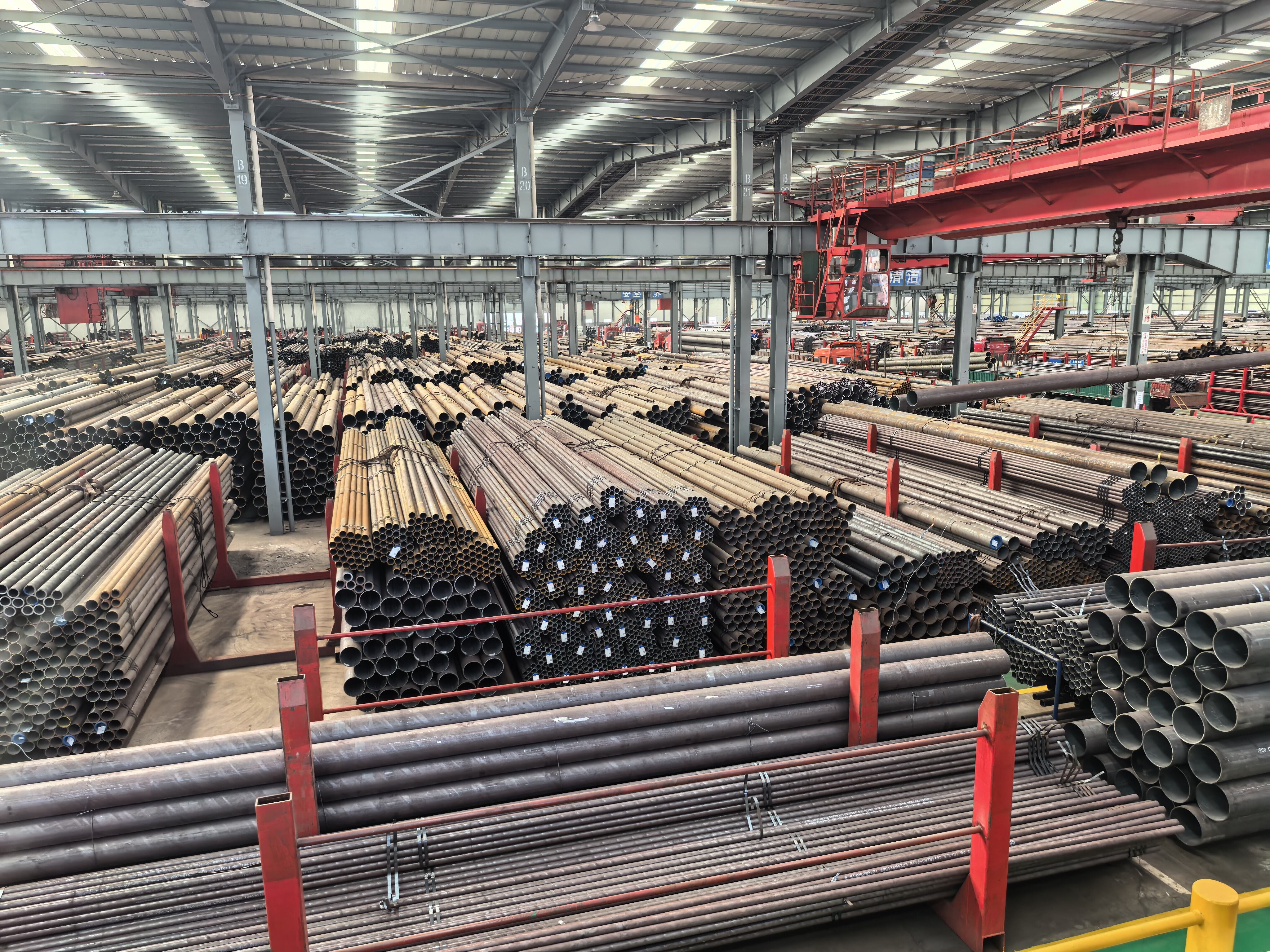
Steam boiler tube represents a critical component in modern industrial heating systems, serving as the primary conduit for heat transfer within steam generation equipment. These specialized tubes are engineered to withstand extreme temperatures and pressures while maintaining optimal thermal efficiency throughout their operational lifespan. The steam boiler tube functions by facilitating the transfer of heat from combustion gases to water, creating the steam necessary for various industrial processes and power generation applications. Manufacturing processes for steam boiler tube construction involve precise metallurgy and quality control measures to ensure consistent performance under demanding operating conditions. The tubes are typically fabricated from high-grade carbon steel, alloy steel, or stainless steel materials, depending on specific application requirements and environmental factors. Advanced manufacturing techniques include seamless tube production, welded construction methods, and specialized heat treatment processes that enhance the structural integrity and corrosion resistance of each steam boiler tube. Installation configurations vary significantly based on boiler design specifications, with options including water tube arrangements, fire tube configurations, and combination systems that optimize heat transfer efficiency. Quality assurance protocols during steam boiler tube production involve rigorous testing procedures, including pressure testing, dimensional verification, and non-destructive examination techniques that guarantee compliance with international safety standards. The operational environment for steam boiler tube applications demands materials that can withstand thermal cycling, chemical exposure, and mechanical stress without compromising system safety or efficiency. Modern steam boiler tube designs incorporate advanced metallurgical properties that provide enhanced resistance to high-temperature oxidation, stress corrosion cracking, and fatigue failure modes commonly encountered in industrial steam generation systems.

New Product Releases

The steam boiler tube offers numerous practical benefits that directly impact operational efficiency and long-term cost savings for industrial facilities. Superior heat transfer capabilities represent the primary advantage of modern steam boiler tube systems, enabling faster steam production with reduced fuel consumption compared to conventional heating methods. This enhanced thermal efficiency translates into significant energy savings over the operational lifetime of the equipment, providing measurable return on investment for facility owners and operators. Durability stands as another key benefit of quality steam boiler tube construction, with properly manufactured tubes delivering decades of reliable service when maintained according to manufacturer specifications. The robust design characteristics of steam boiler tube systems minimize unplanned downtime and reduce maintenance requirements, allowing continuous operation in critical industrial applications where steam generation cannot be interrupted. Versatility in application represents a significant advantage for steam boiler tube technology, as these components can be adapted to serve diverse industries including power generation, chemical processing, food production, textile manufacturing, and pharmaceutical operations. The standardized dimensions and connection methods used in steam boiler tube manufacturing facilitate easy replacement and system upgrades, reducing both parts inventory costs and installation complexity for maintenance teams. Environmental benefits emerge from the improved combustion efficiency achieved through optimized steam boiler tube designs, resulting in lower emissions and reduced environmental impact compared to less efficient heating systems. Cost-effectiveness becomes apparent through the combination of energy savings, reduced maintenance expenses, and extended equipment lifespan that characterizes well-designed steam boiler tube installations. Safety enhancements built into modern steam boiler tube systems include pressure relief mechanisms, temperature monitoring capabilities, and fail-safe design features that protect personnel and equipment from potential hazards associated with high-pressure steam generation. The modular nature of steam boiler tube systems allows for incremental capacity increases as facility requirements grow, providing flexibility for future expansion without requiring complete system replacement.

Tips And Tricks

Types and Applications of Special Steel

08

Jul

Types and Applications of Special Steel

Understanding Special Steel Fundamentals Special steel stands out in industries where strength and lasting power matter most. What makes it different from regular steel? Well, manufacturers design special steel for particular jobs, giving it qualit...
View More
The Advantages of High Strength Steel

27

Aug

The Advantages of High Strength Steel

Understanding the Revolution in Modern Steel Manufacturing High strength steel has emerged as a cornerstone material in modern engineering and construction, fundamentally transforming how we build everything from skyscrapers to automobiles. This rema...
View More
What Is Cr-Mo Steel and Why It Matters

27

Aug

What Is Cr-Mo Steel and Why It Matters

Understanding the Revolutionary Alloy That Powers Modern Industry In the evolving landscape of metallurgy, Cr-Mo steel stands as a testament to human innovation in material science. This remarkable alloy, combining chromium and molybdenum with steel,...
View More
How to regulate the ductile-brittle transition temperature of alloy steel?‌

31

Oct

How to regulate the ductile-brittle transition temperature of alloy steel?‌

Understanding the Critical Role of Temperature Transitions in Alloy Steel Performance The ductile-brittle transition temperature represents a crucial parameter in alloy steel manufacturing and application. This fundamental property determines the tem...
View More

Get a Free Quote

Our representative will contact you soon.
Email
Name
Company Name
Message
0/1000

steam boiler tube

Advanced Metallurgy for Extreme Performance

Advanced Metallurgy for Extreme Performance

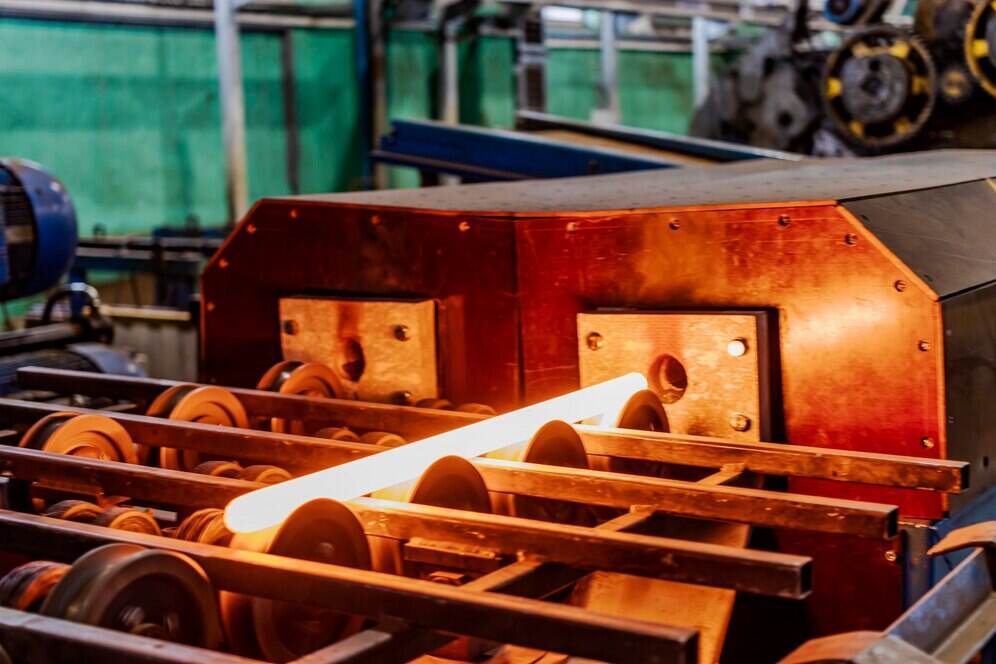
The metallurgical composition of steam boiler tube construction represents a pinnacle of materials engineering, specifically designed to withstand the most demanding industrial environments while maintaining peak performance over extended operational periods. Advanced alloy formulations used in premium steam boiler tube manufacturing incorporate precisely controlled levels of chromium, molybdenum, and vanadium that provide exceptional resistance to high-temperature oxidation and corrosion mechanisms commonly encountered in steam generation systems. The grain structure refinement achieved through specialized heat treatment processes ensures that each steam boiler tube exhibits uniform mechanical properties throughout its wall thickness, eliminating weak points that could lead to premature failure under cycling load conditions. Stress relief annealing procedures remove residual manufacturing stresses while optimizing the microstructure for enhanced creep resistance at elevated operating temperatures. The sophisticated metallurgy employed in steam boiler tube production enables operation at temperatures exceeding 600 degrees Celsius while maintaining structural integrity under pressures that would compromise lesser materials. Carbon content optimization balances strength requirements with weldability considerations, ensuring that field repairs and modifications can be performed without compromising the overall system integrity. Trace element control during the melting process eliminates impurities that could serve as crack initiation sites or promote accelerated corrosion in service. Advanced non-destructive testing techniques verify the internal soundness of each steam boiler tube before shipment, including ultrasonic inspection for detecting subsurface discontinuities and eddy current testing for surface defect identification. The metallurgical design approach considers thermal expansion coefficients and ensures compatibility with adjacent system components to prevent thermal stress concentrations that could lead to joint failures or tube distortion during operation.
Precision Manufacturing for Optimal Efficiency

Precision Manufacturing for Optimal Efficiency

The manufacturing precision achieved in modern steam boiler tube production directly correlates with improved system efficiency and reduced operational costs for end users across diverse industrial applications. Dimensional accuracy maintained within tight tolerances ensures optimal fit with boiler headers, tube sheets, and support structures, eliminating gaps or misalignments that could compromise heat transfer efficiency or create maintenance challenges during service life. Advanced tube forming processes produce steam boiler tube products with consistent wall thickness distribution, preventing thin sections that could lead to localized overheating or thick areas that reduce thermal conductivity. Surface finish specifications for steam boiler tube manufacturing are carefully controlled to optimize heat transfer coefficients while minimizing fouling tendencies that could degrade performance over time. The precision bore finishing achieved through specialized honing processes creates smooth internal surfaces that reduce pressure drop and promote uniform flow distribution throughout the tube bundle. Quality control systems employed during steam boiler tube production include continuous dimensional monitoring, surface inspection protocols, and mechanical property verification testing that ensures every tube meets or exceeds specified performance criteria. Automated manufacturing processes eliminate human variability factors that could affect product consistency, resulting in steam boiler tube assemblies that perform predictably under varying load conditions. The precision achieved in end preparation and threading operations ensures leak-tight connections that maintain system integrity throughout the operational lifecycle without requiring frequent re-tightening or gasket replacement. Advanced forming techniques produce steam boiler tube products with optimized internal geometries that enhance turbulent flow characteristics, improving heat transfer rates while minimizing erosion potential in high-velocity steam applications. Statistical process control methods continuously monitor manufacturing parameters to identify trends that could affect steam boiler tube quality before defective products are produced.
Comprehensive Safety and Reliability Features

Comprehensive Safety and Reliability Features

Safety considerations form the foundation of steam boiler tube design philosophy, incorporating multiple layers of protection that safeguard both personnel and equipment from the inherent hazards associated with high-pressure steam generation systems. The pressure containment capability of properly designed steam boiler tube assemblies exceeds operational requirements by significant safety margins, providing protection against catastrophic failure even under abnormal operating conditions or unexpected pressure excursions. Wall thickness calculations for steam boiler tube applications incorporate safety factors that account for corrosion allowances, manufacturing tolerances, and potential stress concentration effects that could develop during extended service periods. Failure mode analysis conducted during the steam boiler tube design process identifies potential weak points and implements design modifications that eliminate single-point failure scenarios, ensuring that system degradation occurs gradually and predictably rather than catastrophically. The corrosion resistance built into steam boiler tube materials prevents gradual wall thinning that could lead to sudden rupture, while specialized coatings and surface treatments provide additional protection in aggressive chemical environments. Thermal stress management features incorporated into steam boiler tube systems include expansion joints, flexible connections, and support arrangements that accommodate thermal growth without imposing excessive stresses on tube walls or connection points. Emergency shutdown capabilities integrated into modern steam boiler tube systems include automatic isolation valves, pressure relief devices, and temperature monitoring systems that respond rapidly to abnormal conditions before dangerous situations can develop. Regular inspection protocols recommended for steam boiler tube maintenance enable early detection of potential problems through non-destructive testing methods that identify wall thinning, crack formation, or other degradation mechanisms before they reach critical levels. The redundancy built into multi-tube steam boiler configurations ensures continued operation even if individual tubes require removal for maintenance, preventing total system shutdown and maintaining critical process requirements during repair periods.
Premium Steam Boiler Tube Solutions - High-Performance Industrial Heating Components

Get a Free Quote

Our representative will contact you soon.
Email
Name
Company Name
Message
0/1000