Professional Boiler Tube Fabrication Services - Custom Manufacturing Solutions

All Categories

boiler tube fabrication

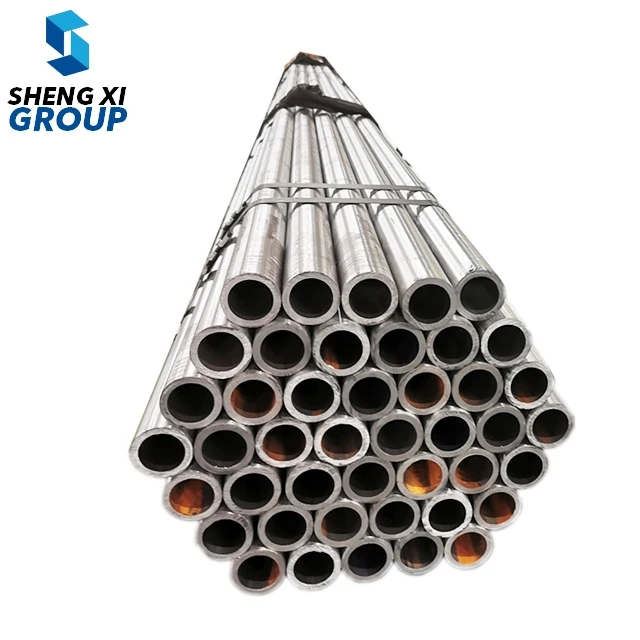
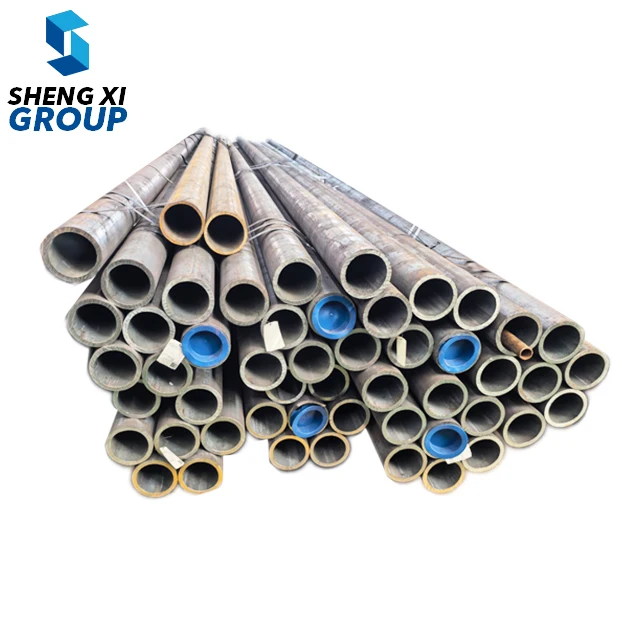
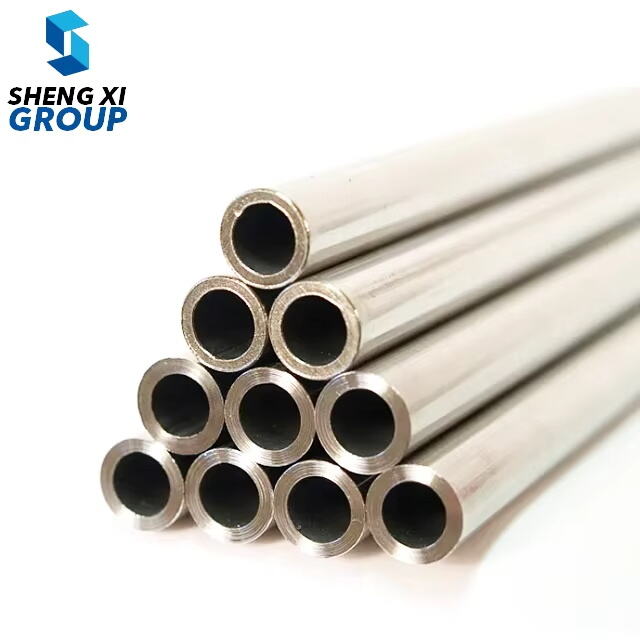
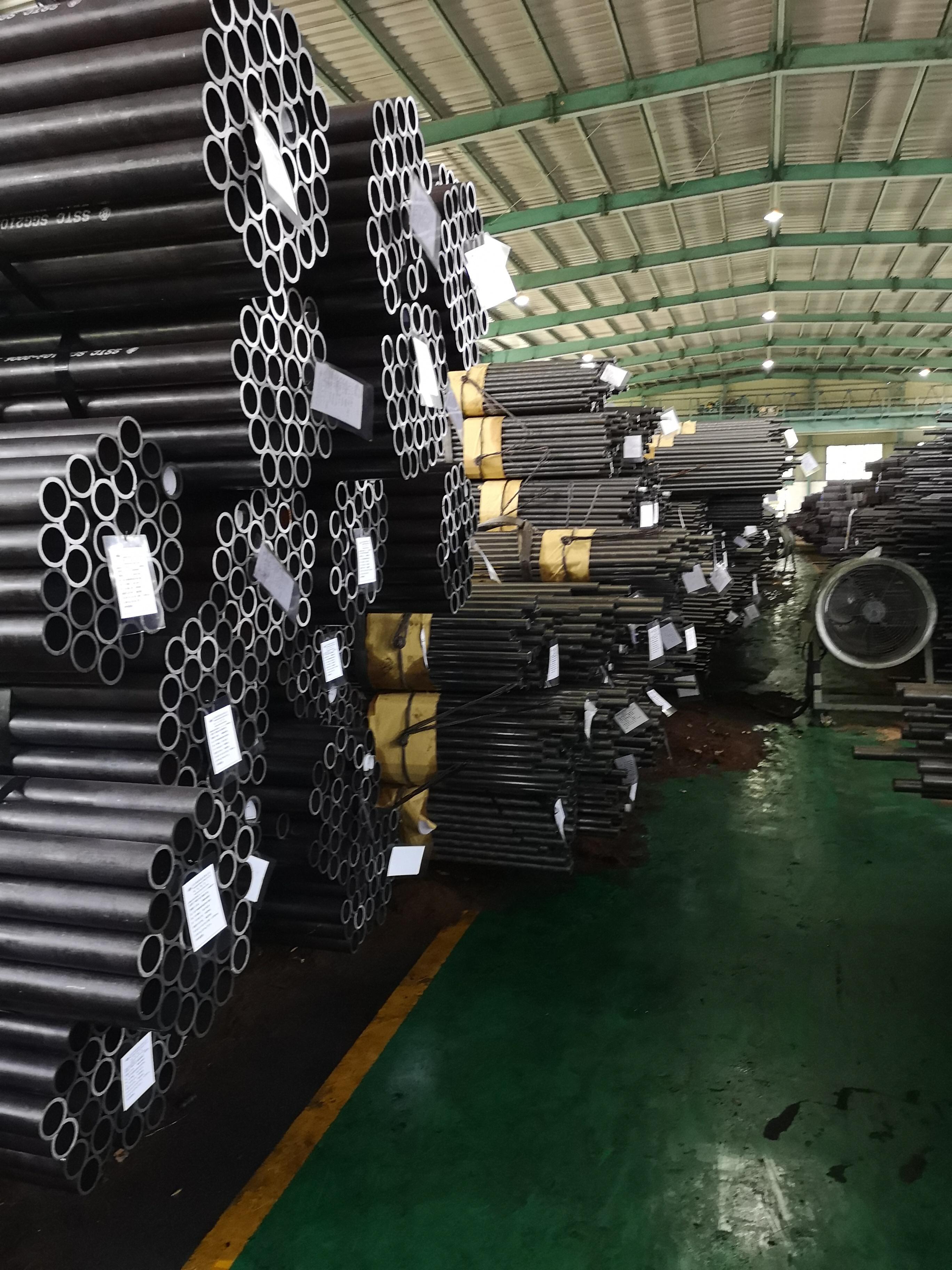
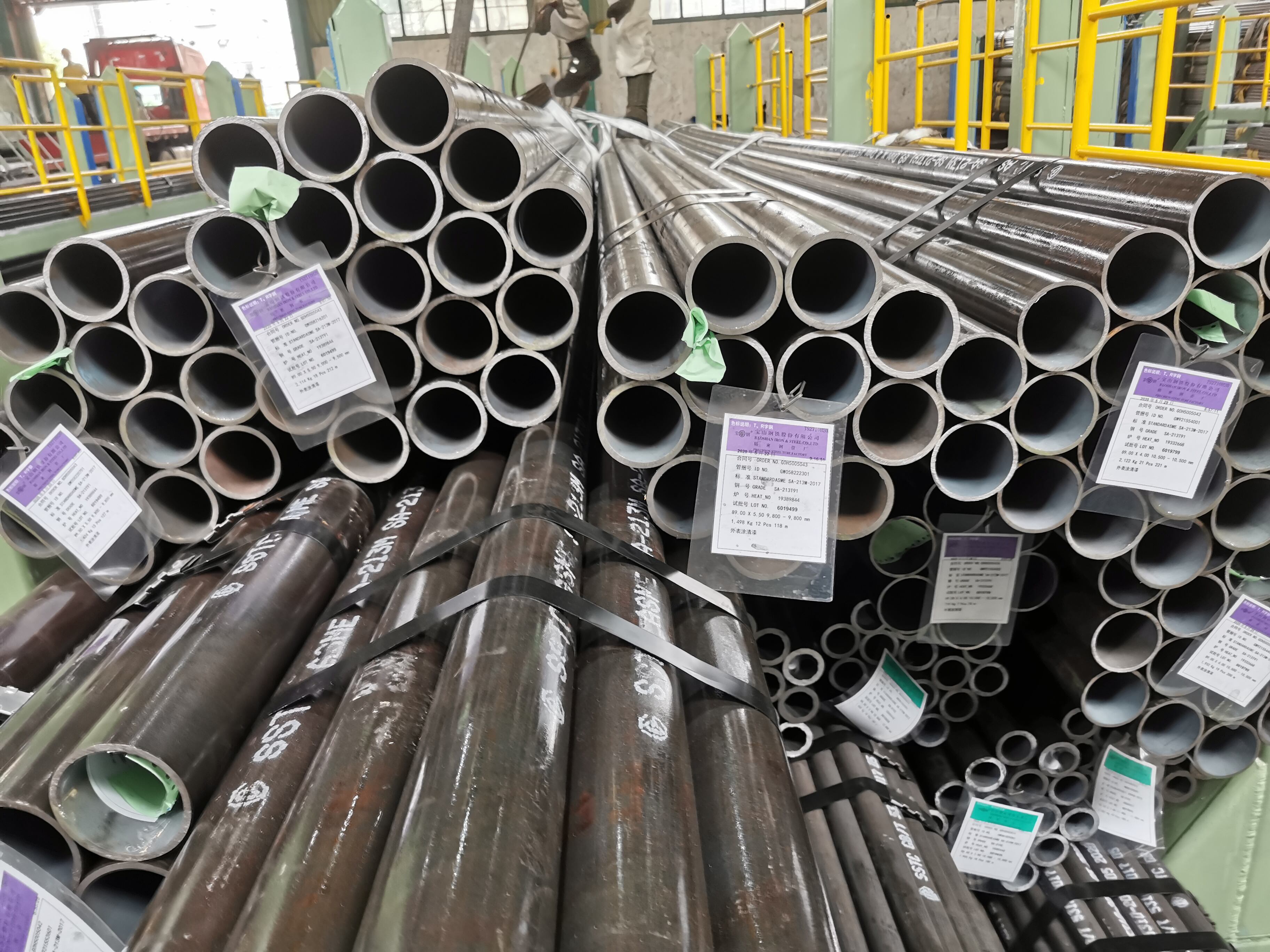
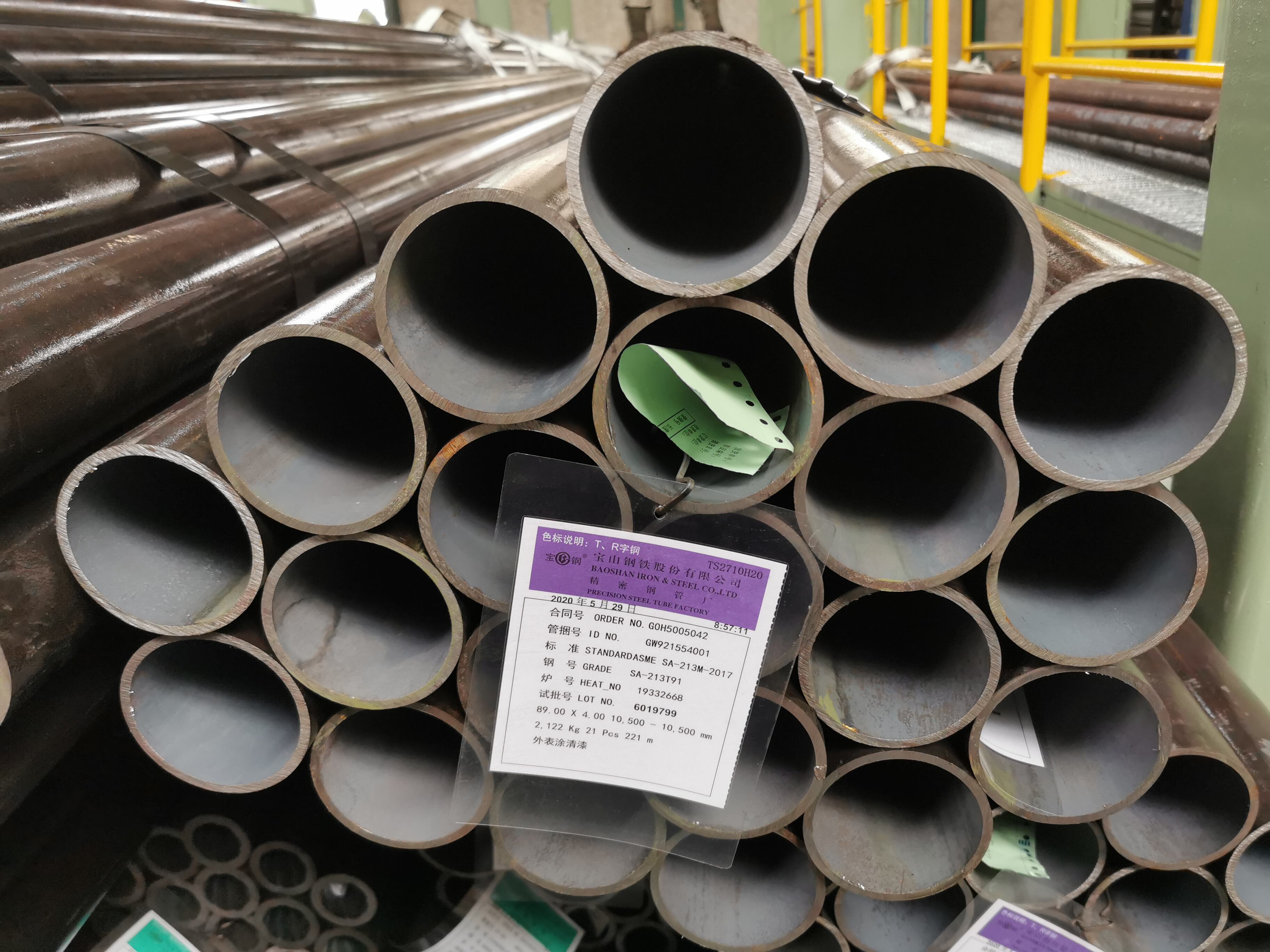
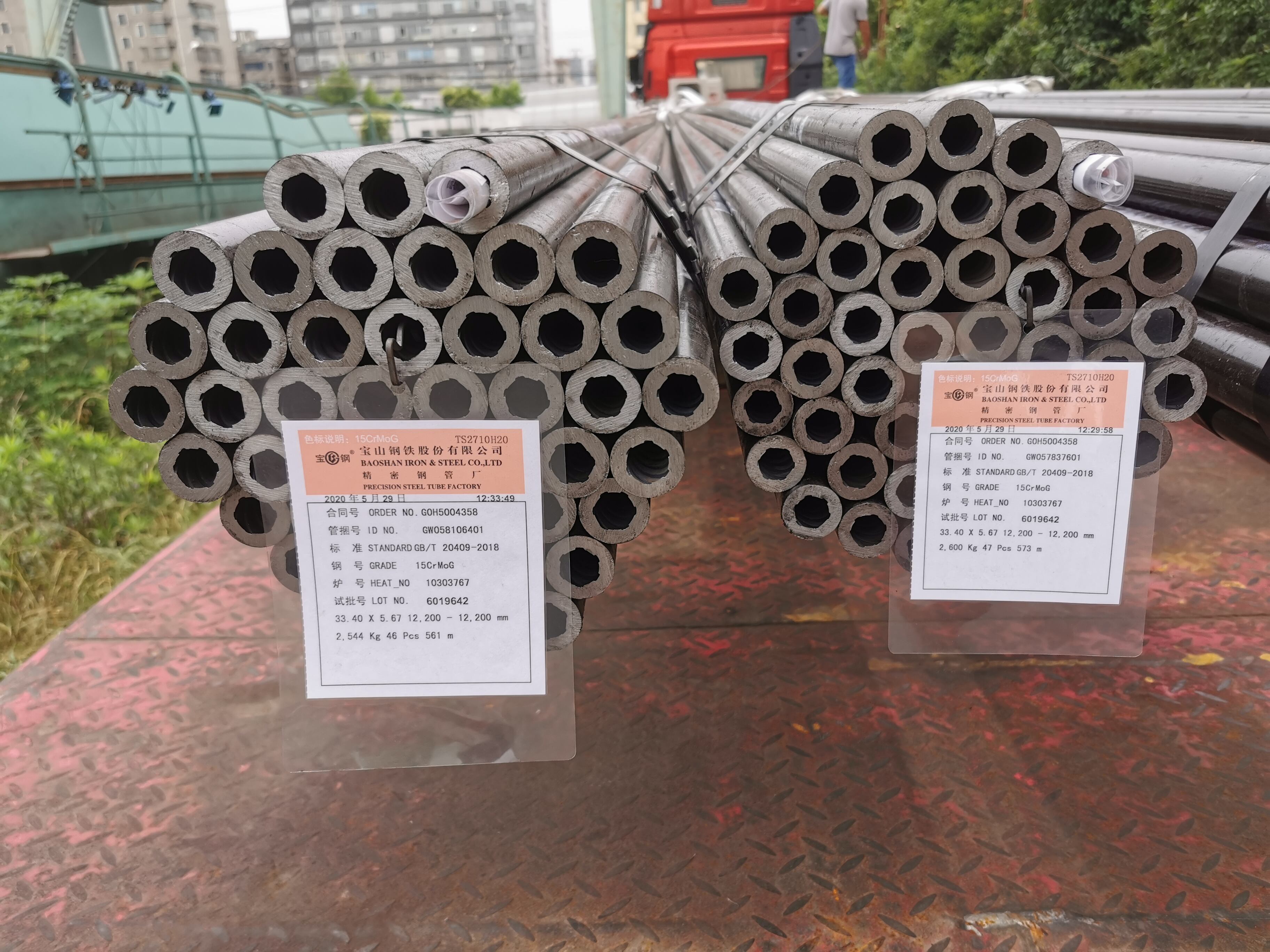
Boiler tube fabrication represents a critical manufacturing process that creates specialized tubes designed to withstand extreme temperatures, pressure conditions, and corrosive environments within steam generation systems. This sophisticated manufacturing technique involves multiple stages of precision engineering, material selection, and quality control to produce tubes that serve as the backbone of industrial boiler operations. The primary function of boiler tube fabrication centers on creating heat exchange components that efficiently transfer thermal energy from combustion gases to water, facilitating steam production for power generation, industrial processes, and heating applications. These fabricated tubes must maintain structural integrity while operating under demanding conditions that include high-pressure steam, elevated temperatures exceeding 1000 degrees Fahrenheit, and exposure to various chemical compounds. The technological features of modern boiler tube fabrication encompass advanced metallurgical processes, precision welding techniques, and computerized quality assurance systems that ensure each tube meets stringent industry standards. Fabrication facilities utilize state-of-the-art equipment including automated cutting machines, specialized forming tools, and non-destructive testing apparatus to guarantee product reliability. The manufacturing process typically involves tube cutting, bending, welding, heat treatment, and comprehensive inspection procedures that verify dimensional accuracy and material properties. Applications for boiler tube fabrication span across diverse industries including power generation plants, petrochemical facilities, manufacturing operations, marine vessels, and commercial heating systems. These tubes form essential components within fire-tube boilers, water-tube boilers, steam superheaters, economizers, and heat recovery systems. The fabrication process accommodates various tube configurations including straight tubes, U-bends, coil assemblies, and complex geometries tailored to specific operational requirements. Material selection for boiler tube fabrication involves carbon steel, alloy steel, stainless steel, and specialized high-temperature resistant materials chosen based on operating conditions, corrosion resistance needs, and thermal expansion characteristics.

Popular Products

Boiler tube fabrication offers numerous practical benefits that directly impact operational efficiency, cost-effectiveness, and system reliability for industrial operations. The precision manufacturing approach ensures each tube component meets exact specifications, reducing installation complications and minimizing potential leak points that could compromise system performance. Custom fabrication capabilities allow engineers to create tubes that perfectly match existing boiler configurations, eliminating the need for costly modifications or adaptations during installation processes. This tailored approach significantly reduces downtime during maintenance operations, as replacement tubes integrate seamlessly with existing infrastructure. Quality control measures implemented throughout boiler tube fabrication processes guarantee superior material properties and structural integrity, resulting in extended service life and reduced replacement frequency. Advanced welding techniques employed during fabrication create stronger joint connections that withstand thermal cycling and pressure fluctuations better than standard alternatives. The fabrication process incorporates heat treatment procedures that optimize material characteristics, enhancing resistance to stress corrosion cracking and fatigue failure commonly experienced in high-temperature applications. Cost savings emerge from bulk fabrication capabilities that reduce per-unit pricing compared to individual tube purchases, while standardized manufacturing processes ensure consistent quality across entire tube assemblies. Inventory management becomes more efficient as fabricated tube sets can be produced according to planned maintenance schedules, reducing emergency procurement costs and expedited shipping expenses. The fabrication approach enables integration of specialized coatings and surface treatments that enhance corrosion resistance and heat transfer efficiency, extending operational intervals between cleaning and maintenance activities. Environmental benefits result from improved thermal efficiency achieved through precision-manufactured tubes that optimize heat transfer rates, reducing fuel consumption and emissions output. Safety improvements stem from rigorous testing procedures that identify potential defects before installation, preventing catastrophic failures that could endanger personnel and damage equipment. Fabrication facilities maintain extensive documentation and traceability records that support regulatory compliance and facilitate warranty claims when necessary. The streamlined supply chain management possible with boiler tube fabrication reduces procurement complexity and vendor coordination requirements, simplifying project management and reducing administrative overhead costs.

Practical Tips

Strength and Durability of Alloy Steel

08

Jul

Strength and Durability of Alloy Steel

What is Alloy Steel? Alloy steel, integral to various industrial applications, is fundamentally a mixture of iron enhanced with key elements such as carbon, manganese, chromium, and nickel. Each of these elements plays a specific role in augmenting ...
View More
How to select appropriate high-temperature alloys

22

Sep

How to select appropriate high-temperature alloys

Understanding the Critical Role of Heat-Resistant Materials in Modern Industry High-temperature alloys represent a crucial category of engineering materials that enable numerous industrial processes and applications where standard metals would fail. ...
View More
Is material fatigue the main cause of cracking in hot-work die steel?‌

31

Oct

Is material fatigue the main cause of cracking in hot-work die steel?‌

Understanding the Complex Nature of Hot-Work Die Steel Failures In the world of industrial manufacturing, hot-work die steel plays a crucial role in shaping and forming metals at elevated temperatures. While material fatigue is often cited as a prima...
View More
Can PM high-speed steel eliminate segregation defects?

31

Oct

Can PM high-speed steel eliminate segregation defects?

Understanding the Revolutionary Impact of Powder Metallurgy in High-Speed Steel Production The metallurgical industry has witnessed a significant transformation with the advent of powder metallurgy (PM) technology in high-speed steel manufacturing. P...
View More

Get a Free Quote

Our representative will contact you soon.
Email
Name
Company Name
Message
0/1000

boiler tube fabrication

Precision Engineering and Custom Design Capabilities

Precision Engineering and Custom Design Capabilities

Boiler tube fabrication stands apart through its precision engineering approach that delivers custom-designed solutions tailored to specific operational requirements and system configurations. This comprehensive design capability begins with detailed analysis of existing boiler systems, operating parameters, and performance objectives to create tube assemblies that optimize heat transfer efficiency while maintaining structural integrity under demanding conditions. Advanced computer-aided design software enables engineers to model complex tube geometries, predict thermal expansion patterns, and simulate stress distribution throughout the tube assembly before manufacturing begins. This predictive capability eliminates potential design flaws that could lead to premature failure or reduced performance, ensuring customers receive components that perform reliably throughout their intended service life. The custom fabrication process accommodates unique dimensional requirements, specialized bend radii, and complex routing configurations that standard off-the-shelf tubes cannot provide. Manufacturing facilities utilize precision cutting equipment, automated bending machines, and computer-controlled welding systems to achieve dimensional tolerances measured in thousandths of an inch, ensuring perfect fit and optimal performance within existing boiler infrastructure. Material selection expertise allows fabricators to recommend optimal alloy compositions based on specific operating conditions including temperature ranges, pressure levels, corrosive environments, and thermal cycling patterns. This materials engineering approach extends component life while reducing maintenance requirements and replacement costs over the system lifecycle. Quality assurance protocols throughout the fabrication process include dimensional inspection, non-destructive testing, pressure testing, and metallurgical analysis that verify each tube meets or exceeds design specifications. Documentation packages accompanying fabricated assemblies provide complete traceability including material certifications, test results, and installation guidelines that support regulatory compliance and warranty coverage. The precision engineering advantage translates into reduced installation time, improved system reliability, and enhanced operational efficiency that delivers measurable return on investment for customers across diverse industrial applications.
Advanced Manufacturing Technology and Quality Control

Advanced Manufacturing Technology and Quality Control

Modern boiler tube fabrication leverages cutting-edge manufacturing technology and comprehensive quality control systems that ensure superior product reliability and performance consistency across all production batches. State-of-the-art fabrication facilities employ automated manufacturing equipment including CNC tube cutting machines, precision bending systems, and robotic welding stations that eliminate human error while maintaining exceptional dimensional accuracy throughout the production process. These advanced manufacturing capabilities enable consistent reproduction of complex tube geometries and tight dimensional tolerances that are critical for proper fit and optimal heat transfer performance within boiler systems. Sophisticated metallurgical processes including controlled atmosphere heat treatment, stress relief procedures, and specialized coating applications enhance material properties and corrosion resistance beyond standard tube specifications. Computer-controlled welding systems utilize advanced techniques such as orbital welding, pulsed arc welding, and automated seam tracking that create superior joint integrity while minimizing heat-affected zones that could compromise material properties. Quality control protocols integrate multiple inspection stages including incoming material verification, in-process monitoring, and final product testing using advanced non-destructive testing methods such as ultrasonic inspection, radiographic testing, and dye penetrant examination. These comprehensive testing procedures identify potential defects at microscopic levels, ensuring only defect-free components reach customers and preventing costly field failures. Continuous process monitoring systems track manufacturing parameters in real-time, automatically adjusting equipment settings to maintain optimal production conditions and consistent product quality. Statistical process control methods analyze production data to identify trends and prevent quality variations before they impact finished products. Calibrated measuring equipment and certified testing procedures ensure all dimensional and performance specifications meet relevant industry standards including ASME, ASTM, and customer-specific requirements. Advanced inventory management systems track material pedigree and production history for complete traceability throughout the supply chain, supporting quality investigations and warranty claims when necessary.
Cost-Effective Solutions and Operational Efficiency

Cost-Effective Solutions and Operational Efficiency

Boiler tube fabrication provides exceptional cost-effectiveness through optimized manufacturing processes, bulk production capabilities, and enhanced operational efficiency that delivers significant economic benefits throughout the product lifecycle. The fabrication approach enables economies of scale through batch production methods that reduce per-unit manufacturing costs compared to individual tube procurement, particularly for large boiler systems requiring multiple identical components. Streamlined production processes eliminate intermediate handling steps and reduce material waste through precision cutting and forming techniques that maximize raw material utilization. Advanced planning and scheduling systems coordinate production activities to minimize setup times and maximize equipment utilization, reducing manufacturing overhead costs that are passed along as savings to customers. The integrated approach of boiler tube fabrication includes design optimization services that identify opportunities to standardize tube configurations, reduce material requirements, and simplify installation procedures without compromising performance or reliability. Value engineering analysis during the design phase often reveals opportunities to utilize alternative materials or manufacturing methods that reduce costs while maintaining or improving performance characteristics. Inventory management advantages emerge from the ability to produce complete tube sets according to planned maintenance schedules, eliminating emergency procurement costs and reducing warehouse storage requirements. The fabrication process incorporates lean manufacturing principles that eliminate non-value-added activities, reduce production lead times, and minimize work-in-process inventory levels. Quality improvements achieved through controlled manufacturing processes reduce field installation problems, warranty claims, and maintenance costs that can significantly impact total cost of ownership. Enhanced thermal efficiency resulting from precision-manufactured tube assemblies reduces fuel consumption and operating costs while extending intervals between cleaning and maintenance activities. The comprehensive testing and quality assurance procedures implemented during fabrication prevent costly field failures and unplanned downtime that could result in significant production losses. Long-term cost benefits include extended service life, reduced maintenance requirements, and improved system reliability that maximize return on investment while minimizing lifecycle costs for customers across diverse industrial applications.
Professional Boiler Tube Fabrication Services - Custom Manufacturing Solutions

Get a Free Quote

Our representative will contact you soon.
Email
Name
Company Name
Message
0/1000