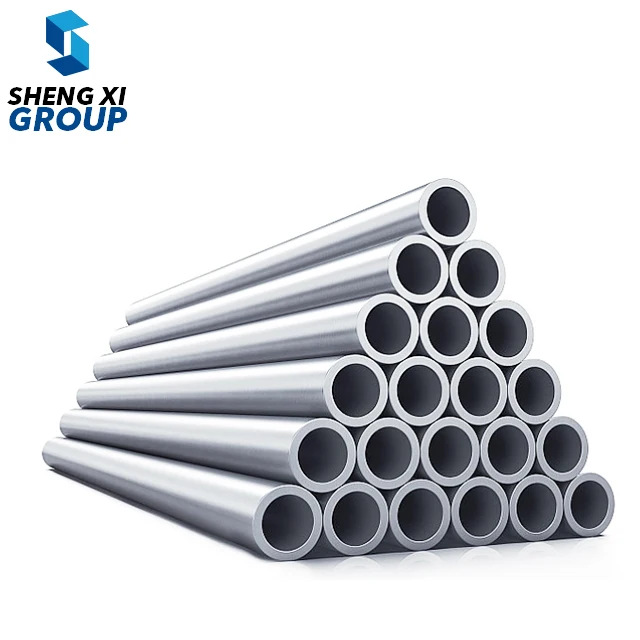
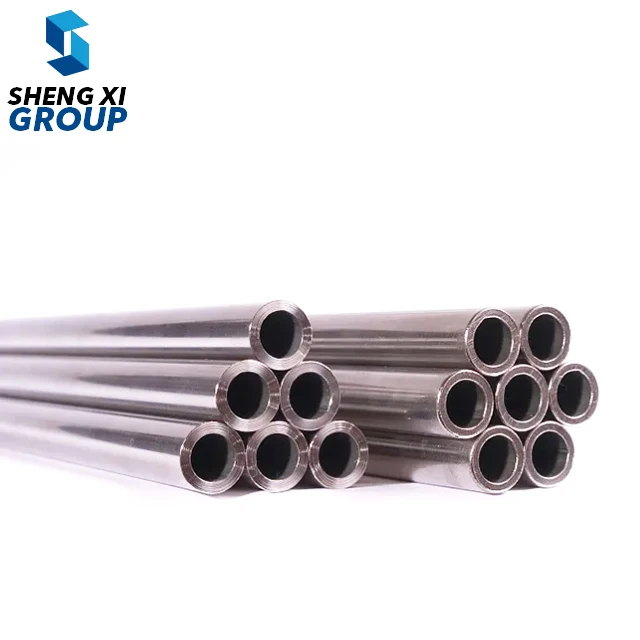
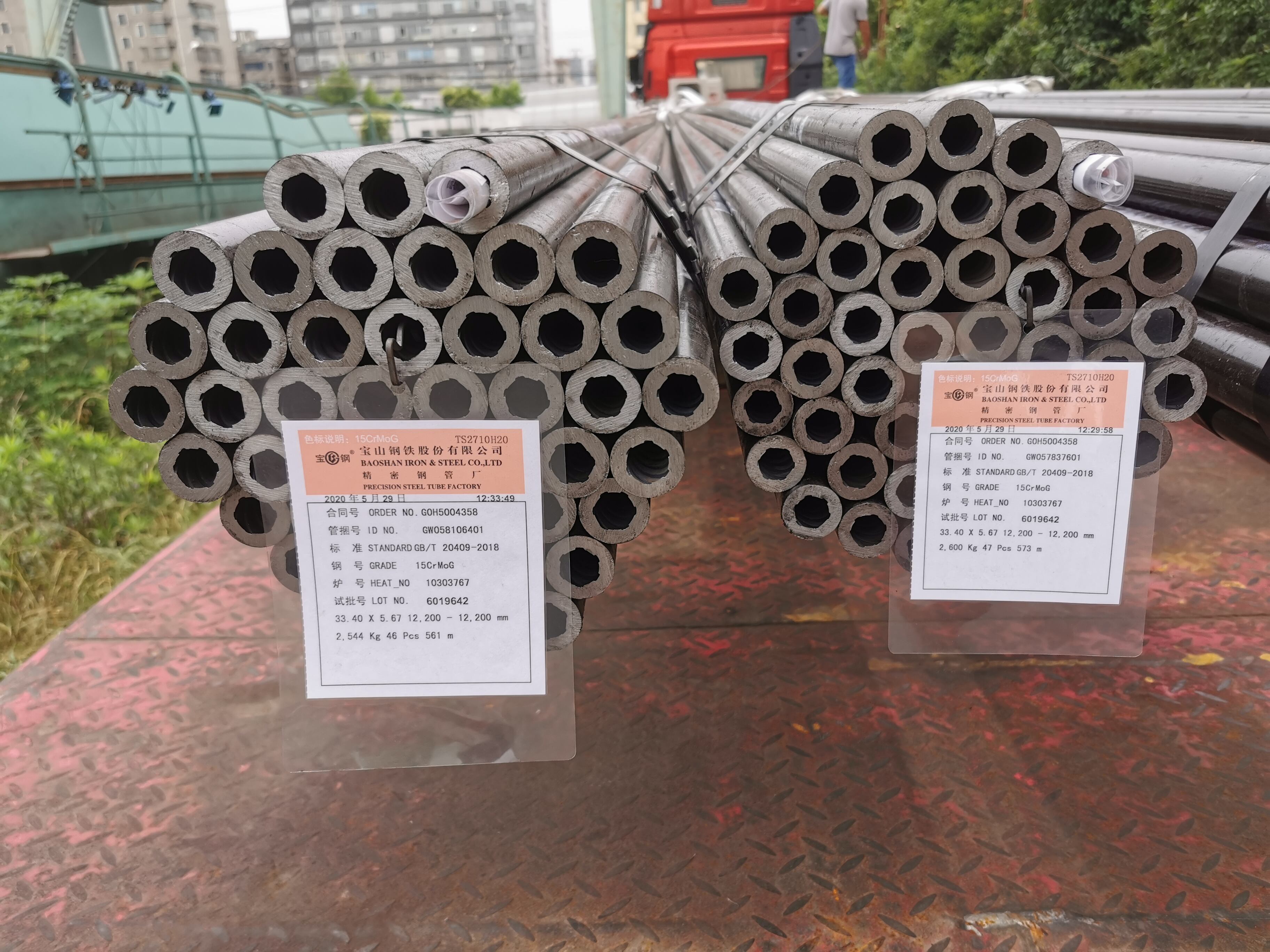
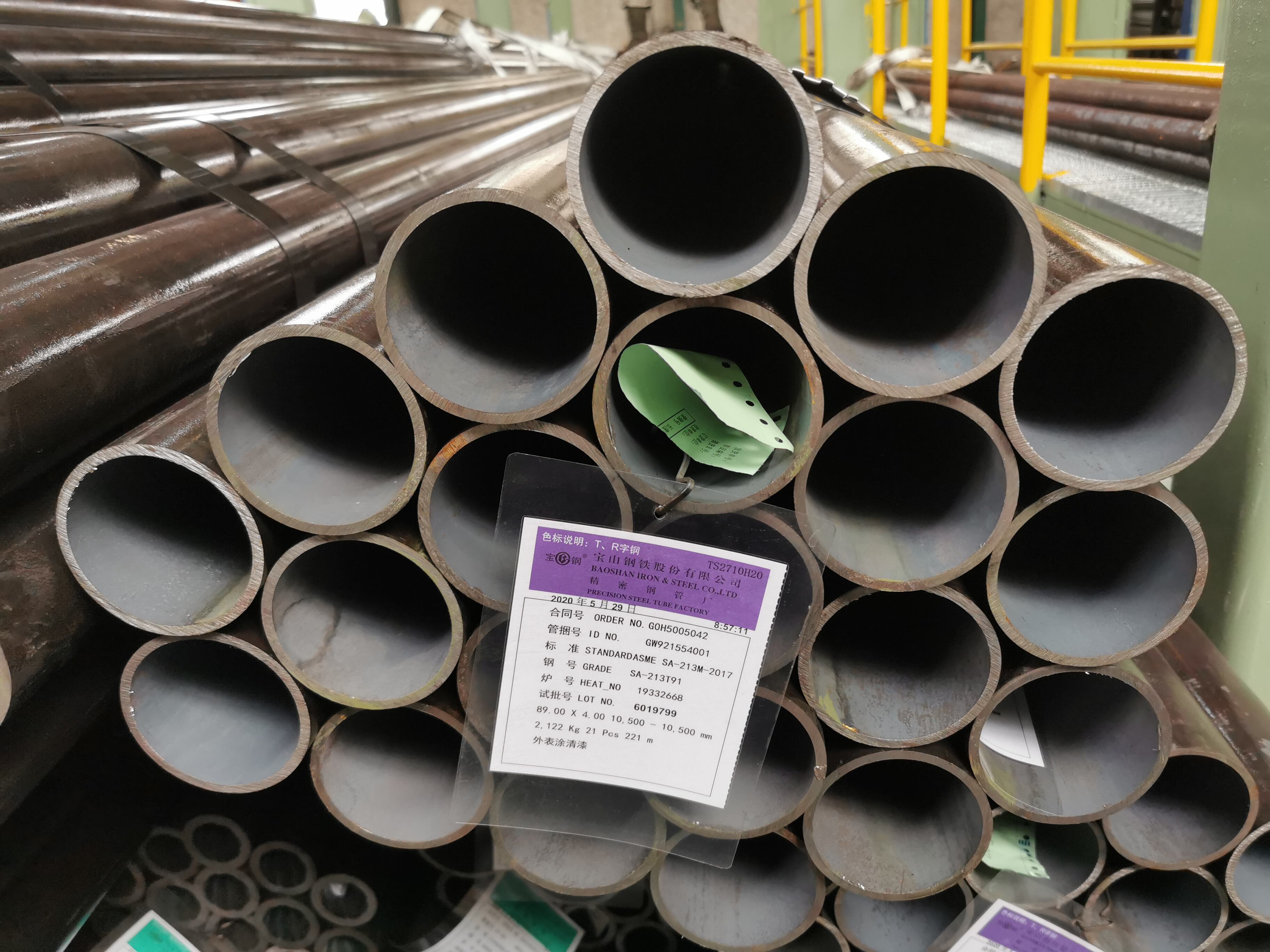
ASTM SA213 High-Performance Seamless Steel Tubes - Superior Quality for Industrial Applications

All Categories

astm sa213

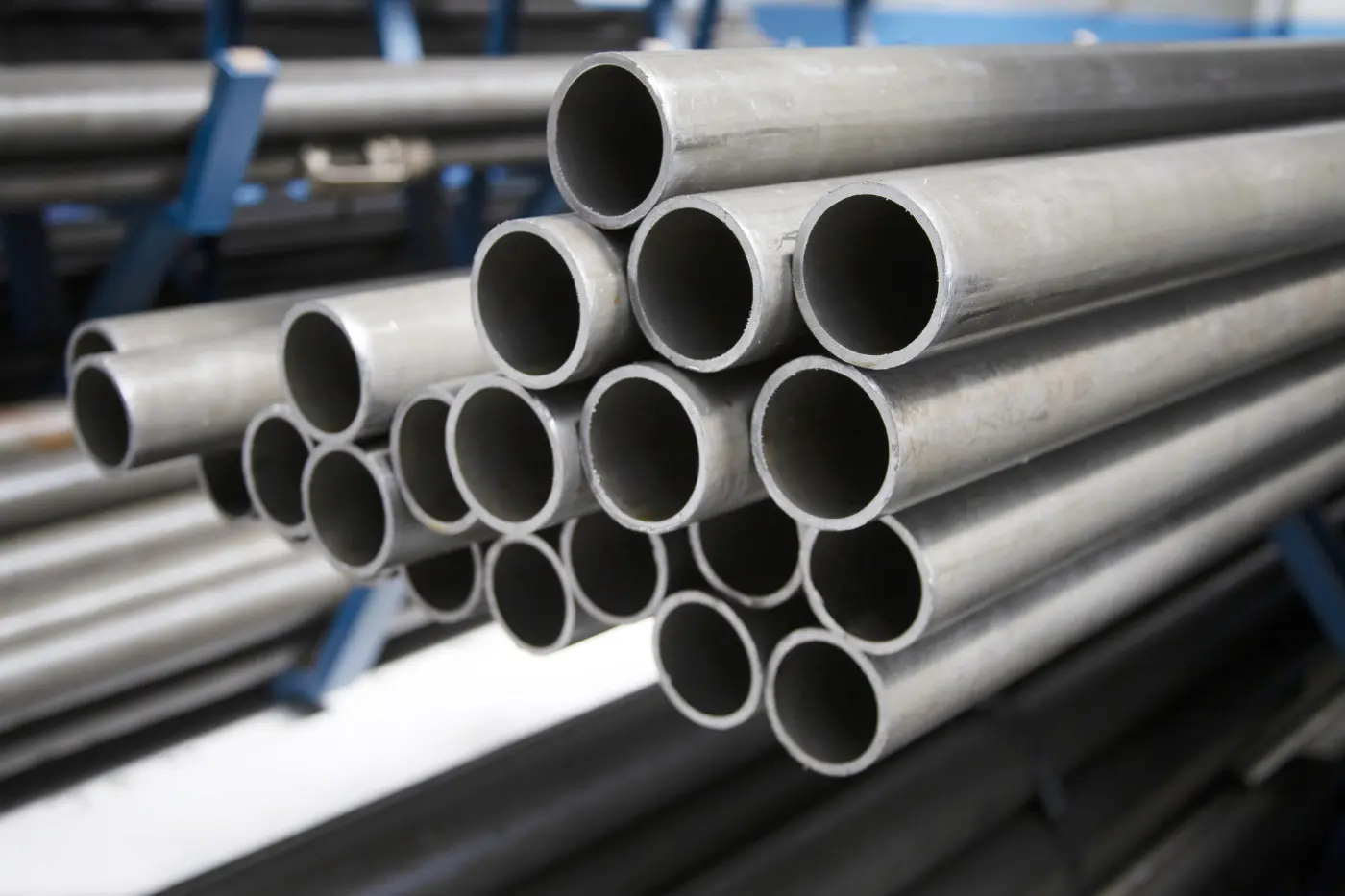
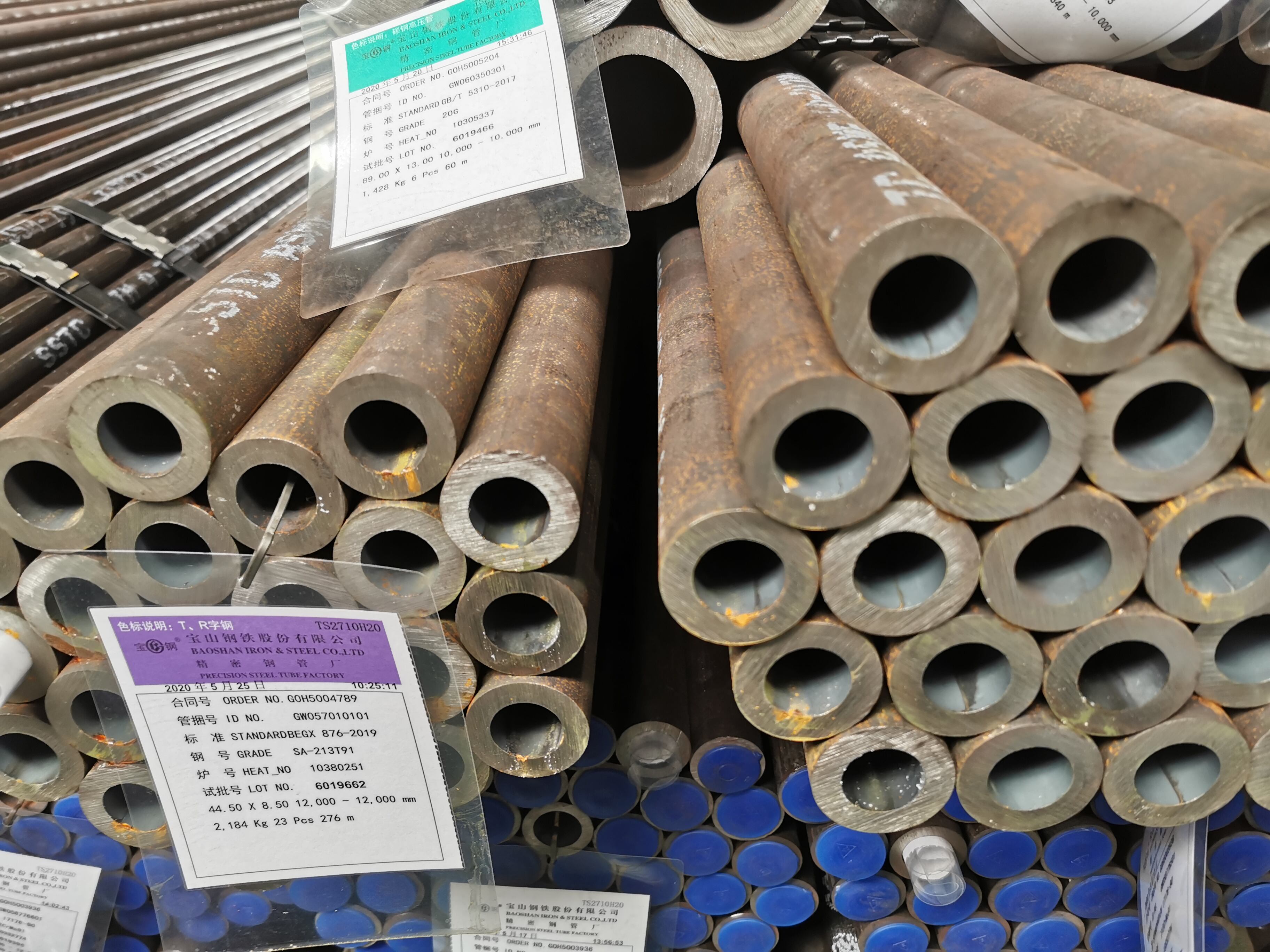
ASTM SA213 represents a critical specification standard for seamless ferritic and austenitic alloy-steel boiler, superheater, and heat-exchanger tubes. This comprehensive standard establishes precise requirements for manufacturing high-performance tubing systems used in elevated temperature service applications. The specification covers various grades of steel tubes designed to withstand extreme operating conditions, including high temperatures, pressure fluctuations, and corrosive environments commonly found in power generation facilities, petrochemical plants, and industrial heating systems. The ASTM SA213 standard encompasses multiple material grades, each engineered for specific operational parameters and environmental challenges. These tubes serve as fundamental components in heat transfer applications where reliability and durability are paramount. The specification defines exact chemical composition requirements, mechanical properties, manufacturing processes, and quality control measures that ensure consistent performance across different applications. Manufacturing facilities must adhere to strict guidelines regarding grain size, tensile strength, yield strength, and elongation characteristics to meet ASTM SA213 compliance. The standard also establishes detailed testing procedures, including hydrostatic testing, non-destructive examination methods, and dimensional verification protocols. Quality assurance measures under ASTM SA213 include comprehensive material traceability, heat treatment specifications, and surface finish requirements. The tubes manufactured under this specification demonstrate exceptional resistance to oxidation, creep deformation, and thermal fatigue, making them ideal for continuous high-temperature operations. Industries relying on ASTM SA213 tubes benefit from enhanced system reliability, reduced maintenance costs, and extended operational lifecycles. The specification ensures compatibility with various welding techniques and fabrication methods, facilitating seamless integration into complex piping systems and heat exchangers across diverse industrial applications.

Popular Products

The ASTM SA213 specification offers substantial practical benefits that directly impact operational efficiency and cost-effectiveness for industrial facilities. One primary advantage lies in the superior temperature resistance capabilities these tubes provide. Unlike standard carbon steel alternatives, ASTM SA213 tubes maintain structural integrity at temperatures exceeding 1000 degrees Fahrenheit, ensuring reliable performance in demanding thermal environments. This temperature resilience translates to reduced equipment failures, minimized unplanned shutdowns, and enhanced productivity for manufacturing operations. The corrosion resistance properties of ASTM SA213 tubes deliver significant long-term value by extending service life and reducing replacement frequency. These tubes resist various corrosive substances including acids, alkalis, and oxidizing agents commonly encountered in industrial processes. The enhanced durability means facilities experience lower maintenance costs, reduced inventory requirements, and improved operational continuity. Quality manufacturing standards under ASTM SA213 ensure dimensional accuracy and consistent wall thickness, which optimizes heat transfer efficiency and system performance. This precision manufacturing reduces installation complications, minimizes fitting issues, and ensures proper system integration. The standardized specifications also simplify procurement processes by providing clear material requirements and performance parameters. Another significant advantage involves the comprehensive testing and inspection protocols mandated by ASTM SA213. These rigorous quality control measures identify potential defects before installation, preventing costly field failures and ensuring system reliability. The traceability requirements allow for complete material documentation, facilitating quality audits and regulatory compliance. The versatility of ASTM SA213 grades accommodates diverse application requirements, from moderate temperature heating systems to extreme high-temperature superheater applications. This flexibility allows engineers to select optimal materials for specific operating conditions, maximizing performance while controlling costs. The widespread industry acceptance of ASTM SA213 ensures compatibility with existing systems and simplifies maintenance procedures. Standardized dimensions and specifications enable interchangeability between manufacturers, providing procurement flexibility and competitive pricing advantages for end users.

Latest News

Strength and Durability of Alloy Steel

08

Jul

Strength and Durability of Alloy Steel

What is Alloy Steel? Alloy steel, integral to various industrial applications, is fundamentally a mixture of iron enhanced with key elements such as carbon, manganese, chromium, and nickel. Each of these elements plays a specific role in augmenting ...
View More
Best Practices for Using High Speed Steel

27

Aug

Best Practices for Using High Speed Steel

Maximizing Performance with High Speed Steel Tools High speed steel has revolutionized modern machining operations, offering exceptional hardness and heat resistance that makes it indispensable in manufacturing and metalworking. Understanding how to ...
View More
How to regulate the ductile-brittle transition temperature of alloy steel?‌

31

Oct

How to regulate the ductile-brittle transition temperature of alloy steel?‌

Understanding the Critical Role of Temperature Transitions in Alloy Steel Performance The ductile-brittle transition temperature represents a crucial parameter in alloy steel manufacturing and application. This fundamental property determines the tem...
View More
Can PM high-speed steel eliminate segregation defects?

31

Oct

Can PM high-speed steel eliminate segregation defects?

Understanding the Revolutionary Impact of Powder Metallurgy in High-Speed Steel Production The metallurgical industry has witnessed a significant transformation with the advent of powder metallurgy (PM) technology in high-speed steel manufacturing. P...
View More

Get a Free Quote

Our representative will contact you soon.
Email
Name
Company Name
Message
0/1000

astm sa213

Exceptional High-Temperature Performance and Thermal Stability

Exceptional High-Temperature Performance and Thermal Stability

The ASTM SA213 specification encompasses advanced metallurgical engineering that delivers unmatched high-temperature performance capabilities essential for critical industrial applications. These specialized tubes maintain exceptional mechanical properties at elevated temperatures where conventional materials would experience significant degradation or complete failure. The austenitic and ferritic steel compositions specified under ASTM SA213 retain structural integrity, dimensional stability, and load-bearing capacity even when subjected to continuous operation at temperatures exceeding 1200 degrees Fahrenheit. This remarkable thermal stability results from carefully controlled alloying elements including chromium, nickel, and molybdenum that form protective oxide layers and resist grain boundary weakening at extreme temperatures. The specification ensures optimal carbon content levels that prevent carbide precipitation and maintain ductility under thermal cycling conditions. Manufacturing processes mandated by ASTM SA213 include precise heat treatment procedures that optimize microstructure for high-temperature service, creating uniform grain structures that resist creep deformation and thermal fatigue. The tubes demonstrate superior oxidation resistance through specialized surface treatments and alloy compositions that form stable protective scales, preventing material degradation in oxidizing atmospheres. This high-temperature performance translates to extended service intervals, reduced maintenance requirements, and enhanced system reliability for power generation facilities, petrochemical refineries, and industrial heating applications. The thermal stability characteristics enable continuous operation under demanding conditions without performance degradation, ensuring consistent heat transfer efficiency and operational predictability. These performance advantages result in significant cost savings through reduced equipment replacement frequency, minimized emergency repairs, and improved overall system availability for critical industrial processes.
Superior Material Quality and Manufacturing Standards

Superior Material Quality and Manufacturing Standards

ASTM SA213 establishes comprehensive manufacturing standards that ensure exceptional material quality and consistency across all production batches, delivering reliable performance for demanding industrial applications. The specification mandates rigorous chemical composition controls that precisely define acceptable ranges for all alloying elements, ensuring optimal mechanical properties and corrosion resistance characteristics. Advanced melting techniques including electric arc furnace and vacuum induction melting processes create homogeneous material structures with minimal inclusions and impurities that could compromise performance. The standard requires extensive mechanical testing including tensile strength, yield strength, elongation, and hardness measurements to verify compliance with specified performance parameters. Non-destructive testing protocols under ASTM SA213 include ultrasonic examination, eddy current testing, and hydrostatic pressure testing that identify internal defects, surface irregularities, and dimensional variations before product delivery. Quality control measures encompass grain size analysis, microstructural examination, and intergranular corrosion testing that ensure material suitability for specific service environments. The specification mandates complete material traceability from raw material sourcing through final product delivery, enabling comprehensive quality documentation and facilitating regulatory compliance requirements. Manufacturing facilities must maintain certified quality management systems and undergo regular audits to ensure continued compliance with ASTM SA213 requirements. Surface finish specifications ensure optimal conditions for welding, fitting installation, and corrosion resistance, while dimensional tolerances guarantee proper system integration and performance. These stringent quality standards eliminate material variability, reduce installation complications, and provide confidence in long-term performance capabilities. The comprehensive testing and inspection protocols identify potential issues before field installation, preventing costly failures and ensuring system reliability for critical applications requiring uncompromising material performance and quality assurance.
Versatile Application Range and Industry Compatibility

Versatile Application Range and Industry Compatibility

The ASTM SA213 specification encompasses multiple material grades and configurations that provide exceptional versatility for diverse industrial applications across various sectors including power generation, petrochemical processing, and manufacturing operations. Different grade designations under ASTM SA213 offer tailored solutions for specific operating conditions, from moderate temperature heating applications to extreme high-pressure superheater systems. The specification includes austenitic stainless steel grades that provide excellent corrosion resistance and ductility for chemical processing environments, while ferritic grades offer superior thermal conductivity and stress corrosion cracking resistance for power plant applications. This material diversity enables engineers to optimize system performance by selecting appropriate grades that match specific operational requirements, environmental conditions, and economic constraints. The standardized dimensions and specifications ensure compatibility with existing industrial infrastructure, simplifying retrofit projects and system upgrades without requiring extensive modifications. ASTM SA213 tubes integrate seamlessly with various joining methods including welding, brazing, and mechanical connections, providing flexibility for different installation requirements and maintenance procedures. The specification accommodates various wall thickness options and diameter ranges that suit applications from small-scale heat exchangers to large industrial boiler systems. Industry-wide acceptance of ASTM SA213 standards facilitates interchangeability between different manufacturers, ensuring procurement flexibility and competitive pricing advantages for end users. The comprehensive specification covers special requirements for nuclear applications, fossil fuel power plants, and renewable energy systems, demonstrating adaptability to emerging technologies and evolving industry needs. Quality certifications and testing protocols align with international standards, enabling global sourcing and ensuring consistent performance across different geographical regions. This versatility extends to fabrication capabilities, as ASTM SA213 materials accommodate various forming, bending, and machining operations required for complex system configurations. The broad application range combined with standardized specifications reduces inventory complexity while ensuring optimal performance across diverse industrial environments and operating conditions.
ASTM SA213 High-Performance Seamless Steel Tubes - Superior Quality for Industrial Applications

Get a Free Quote

Our representative will contact you soon.
Email
Name
Company Name
Message
0/1000