boiler tube industries
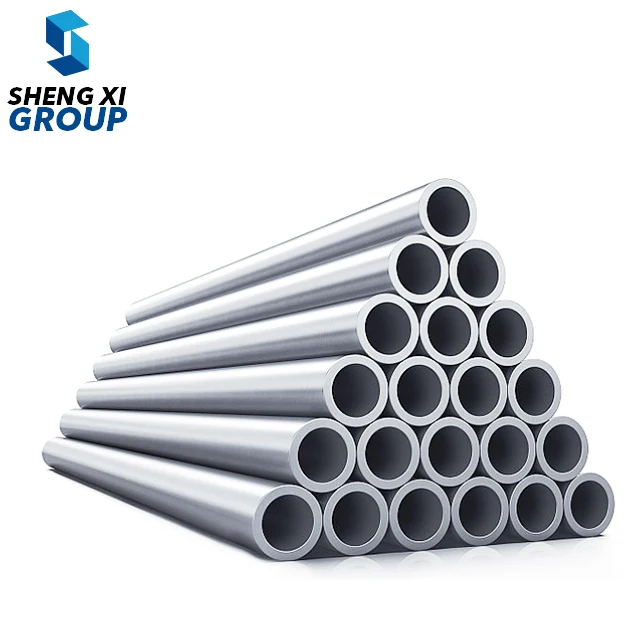
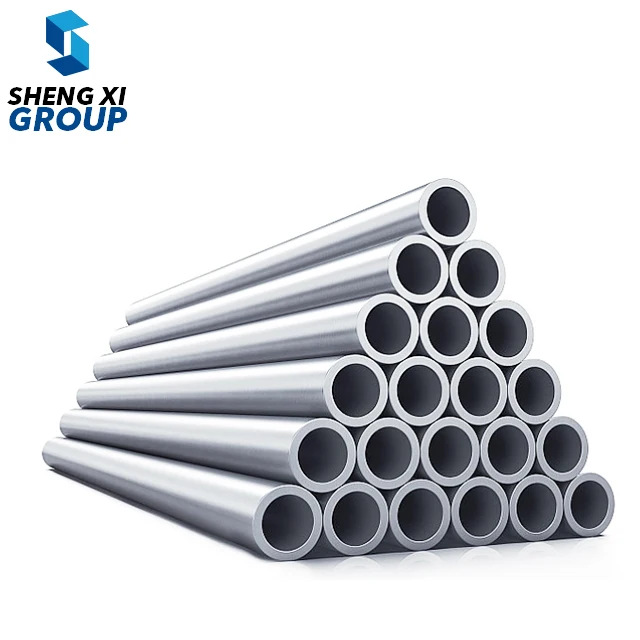
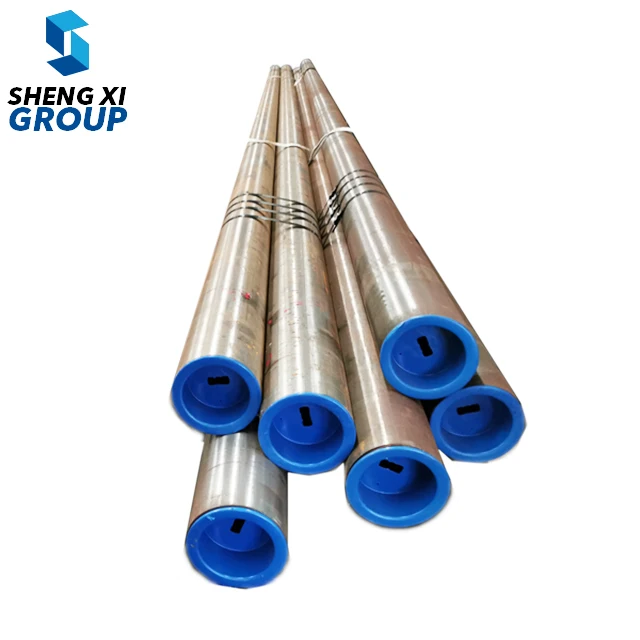
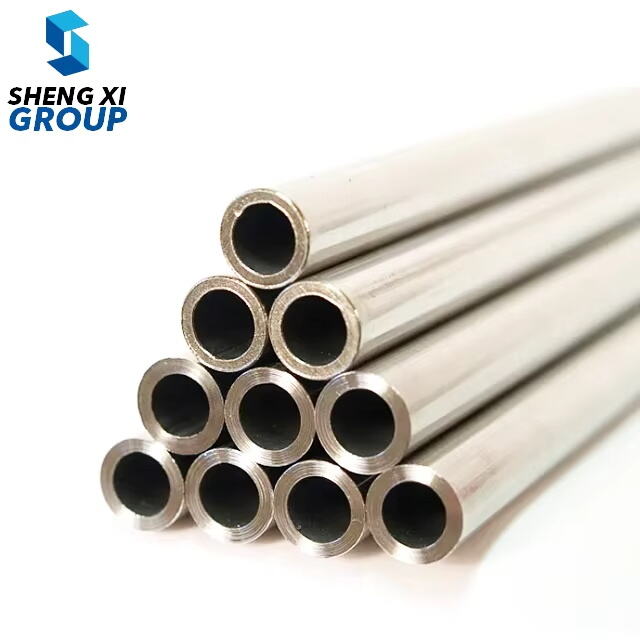
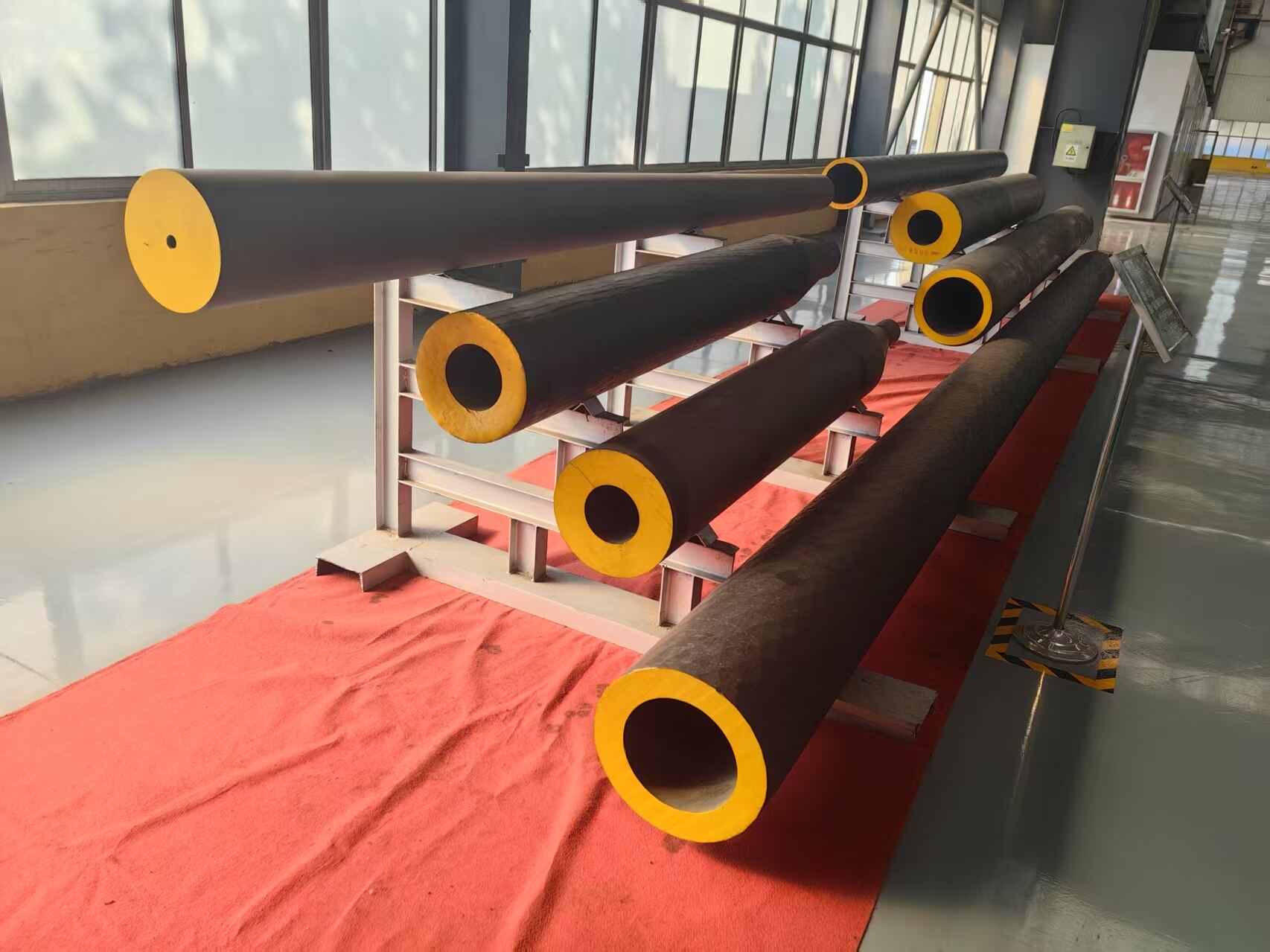
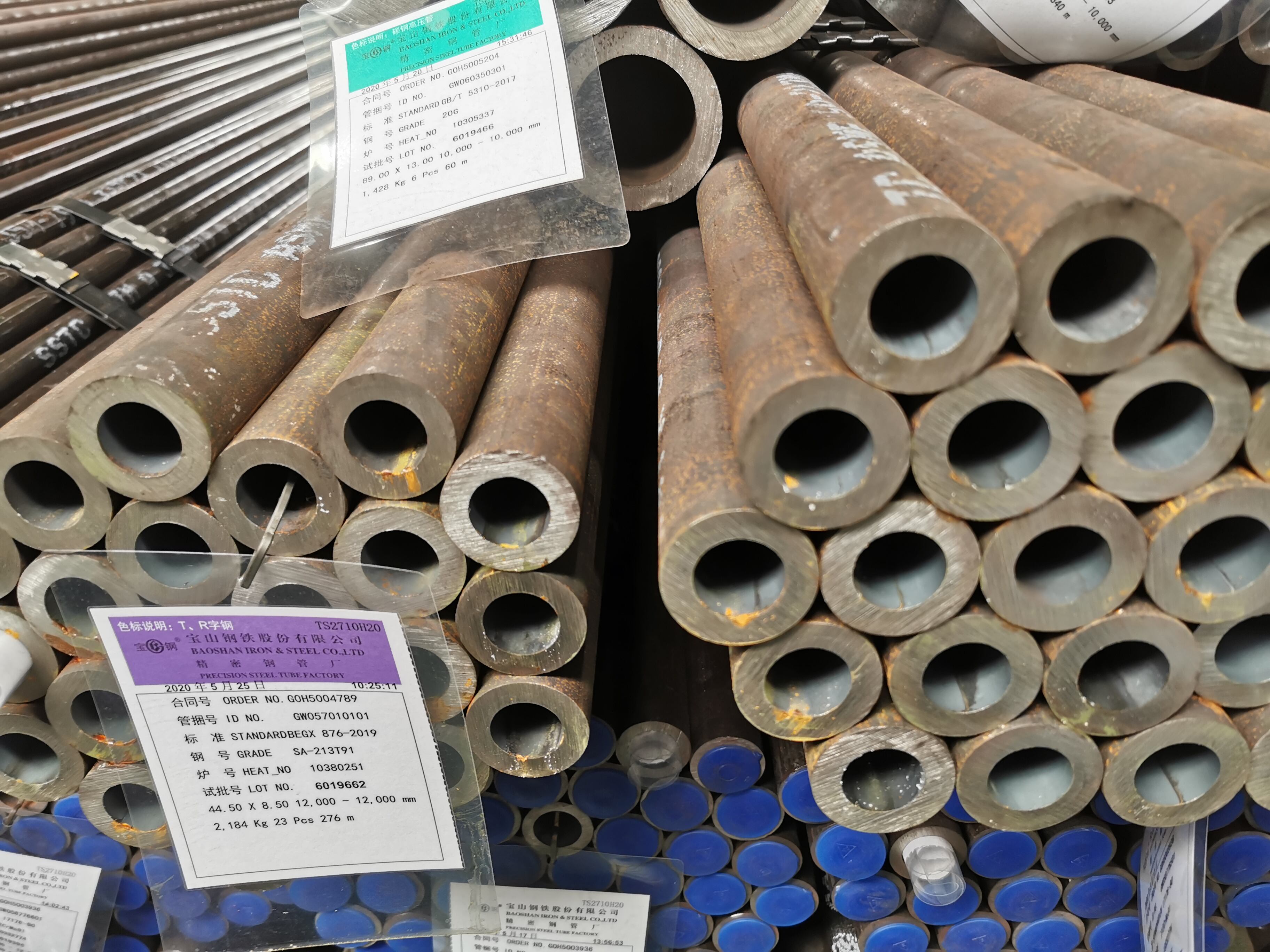
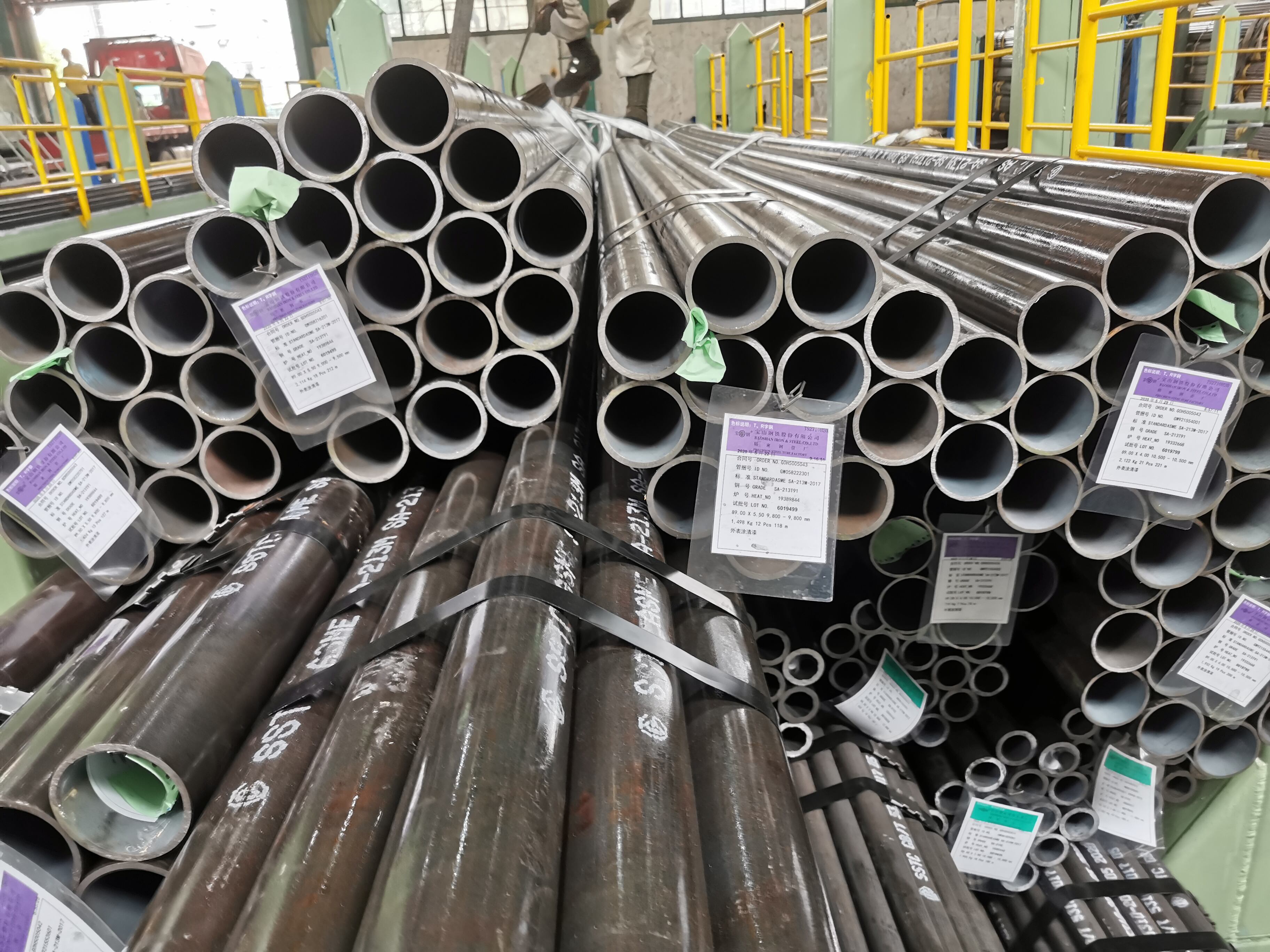
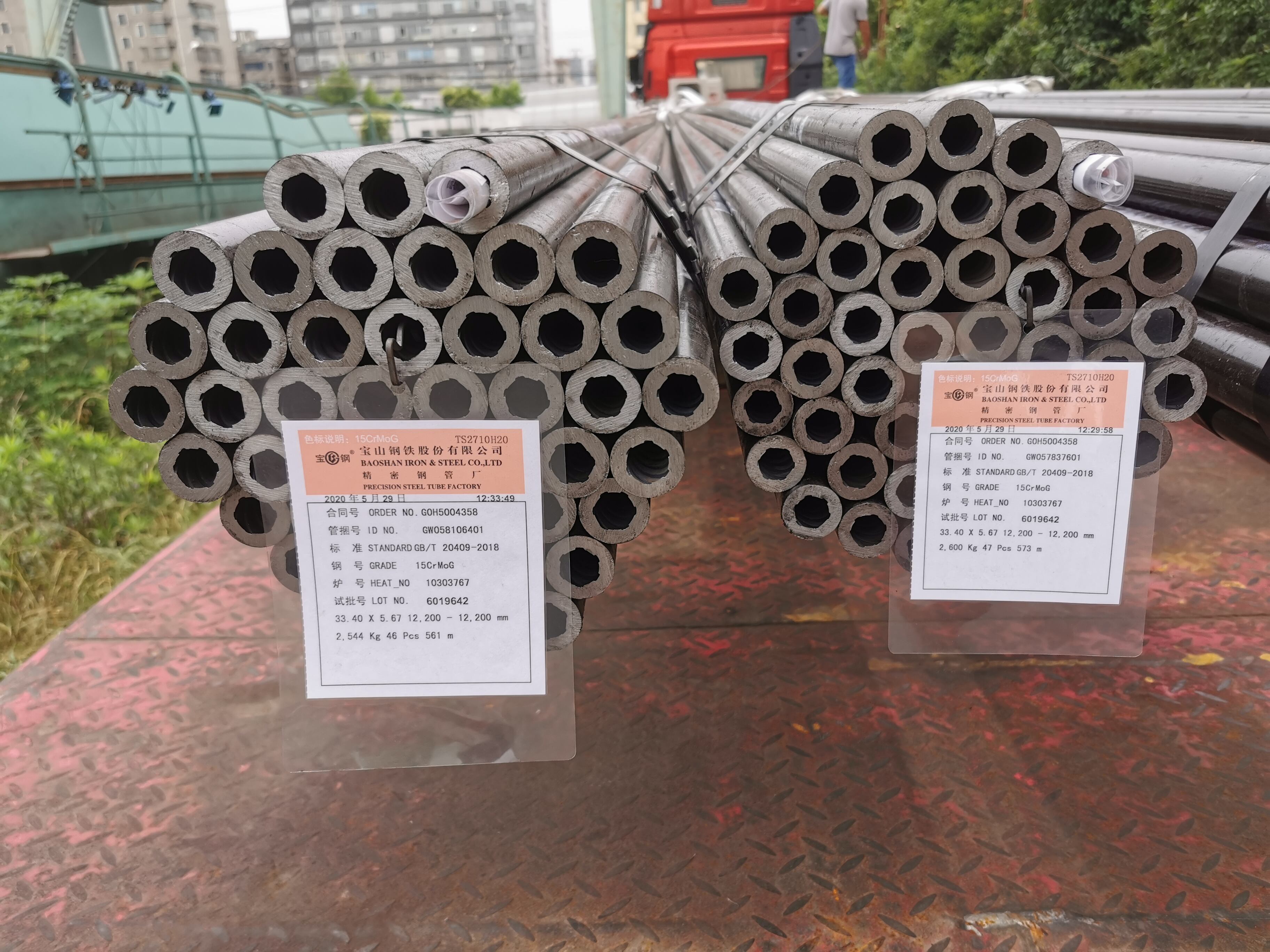
The boiler tube industries represent a critical manufacturing sector that produces essential components for power generation, industrial heating, and energy transfer systems worldwide. These specialized tubes serve as the backbone of countless thermal systems, facilitating heat transfer and steam generation across diverse industrial applications. Boiler tubes are engineered to withstand extreme temperatures, high pressure conditions, and corrosive environments while maintaining structural integrity and operational efficiency. The primary function of these components involves transferring heat from combustion gases to water or other fluids, enabling steam production for power generation and industrial processes. Manufacturing facilities in this sector employ advanced metallurgical techniques to create tubes from various materials including carbon steel, alloy steel, stainless steel, and specialized superalloys. These materials are selected based on specific operational requirements such as temperature resistance, corrosion protection, and mechanical strength. The technological features of modern boiler tube production include precision welding, seamless extrusion, and sophisticated quality control systems that ensure dimensional accuracy and material consistency. Advanced manufacturing processes incorporate computer-controlled systems for monitoring wall thickness, surface finish, and internal bore specifications. The applications for these products span multiple industries including electrical power plants, petrochemical facilities, manufacturing plants, marine vessels, and commercial heating systems. Within power generation facilities, boiler tubes form the core components of water wall systems, superheaters, reheaters, and economizers. Industrial applications encompass process heating equipment, waste heat recovery systems, and steam distribution networks. The marine industry relies on these components for ship propulsion systems and onboard power generation. Additionally, commercial and residential heating applications utilize smaller diameter tubes for efficient heat distribution and temperature control throughout building systems.

 EN
EN