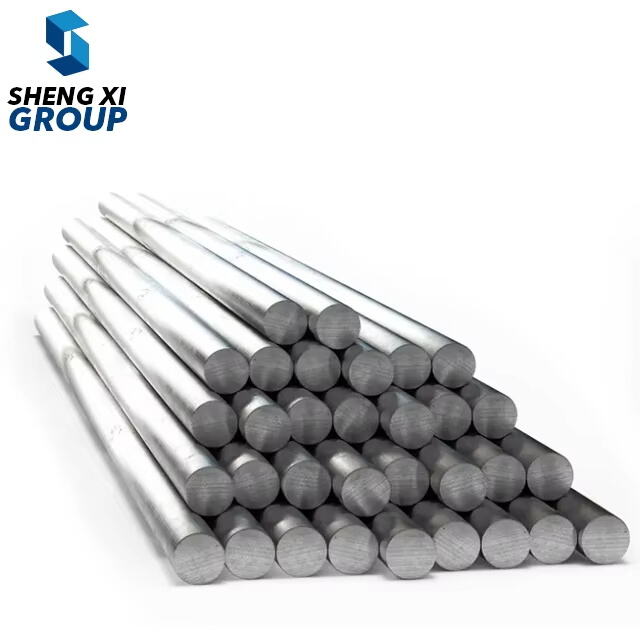
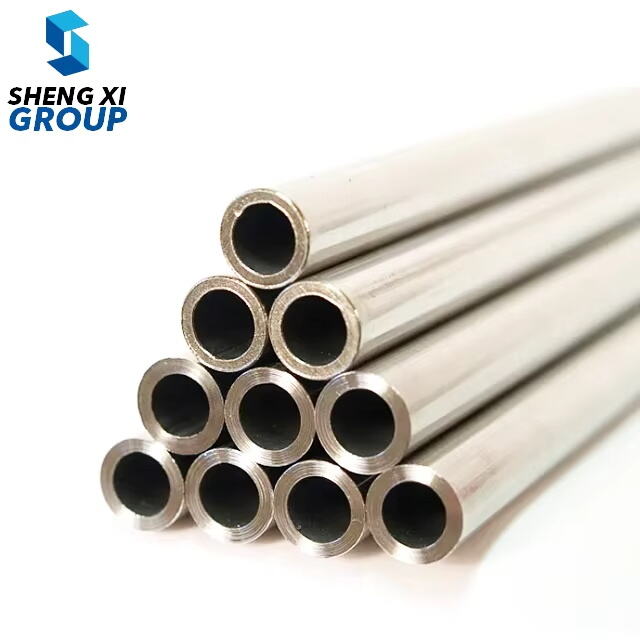
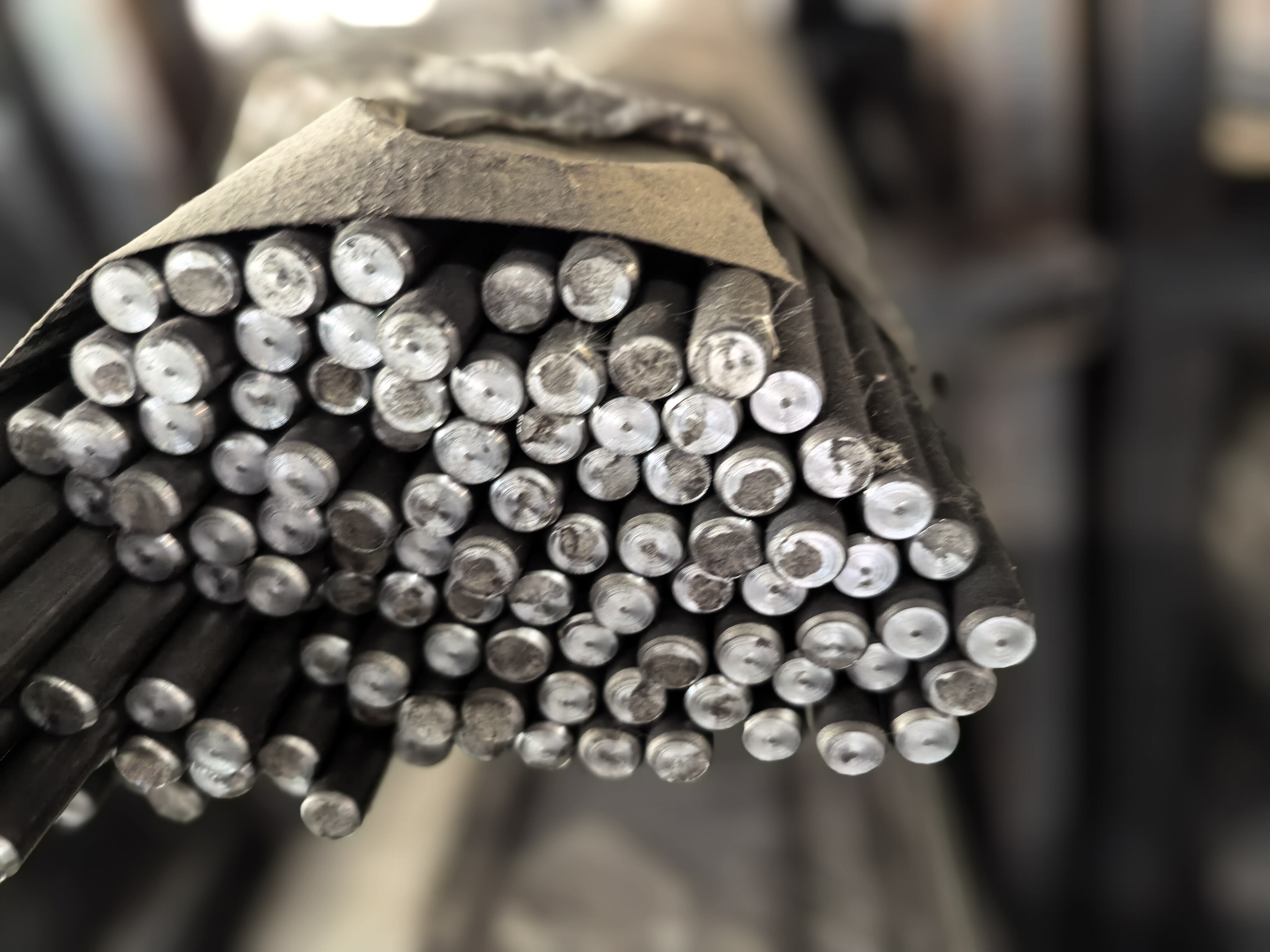
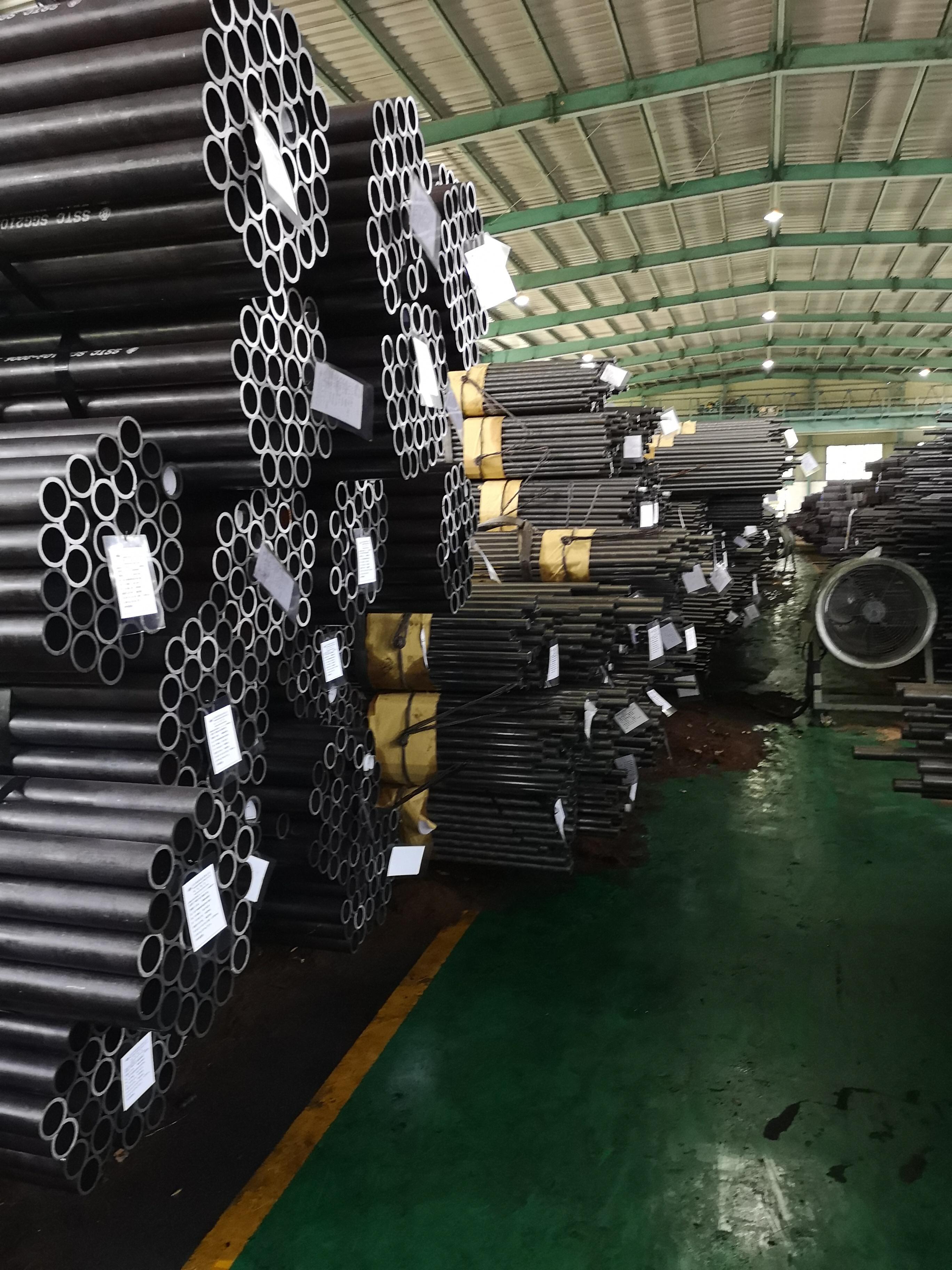
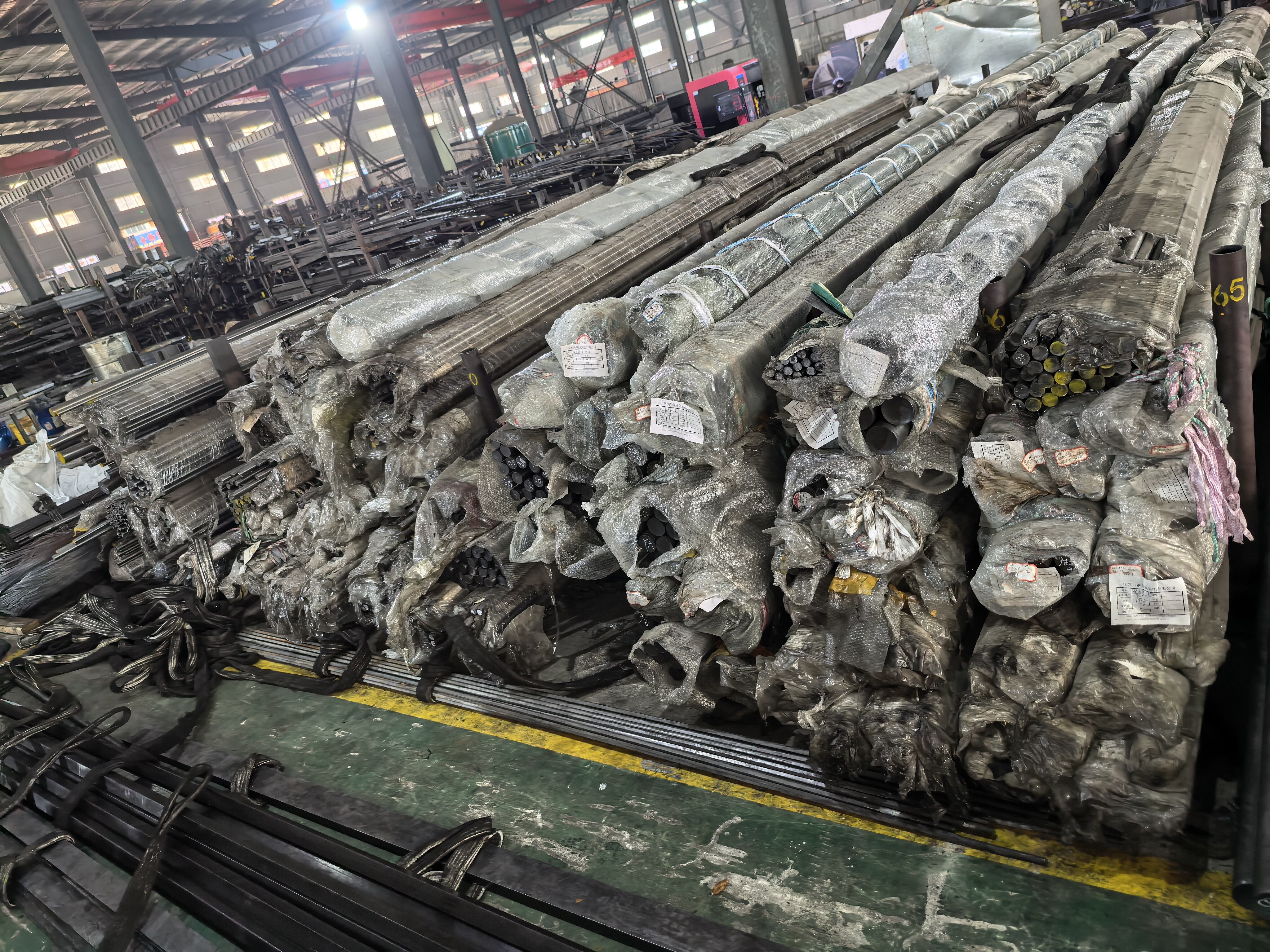
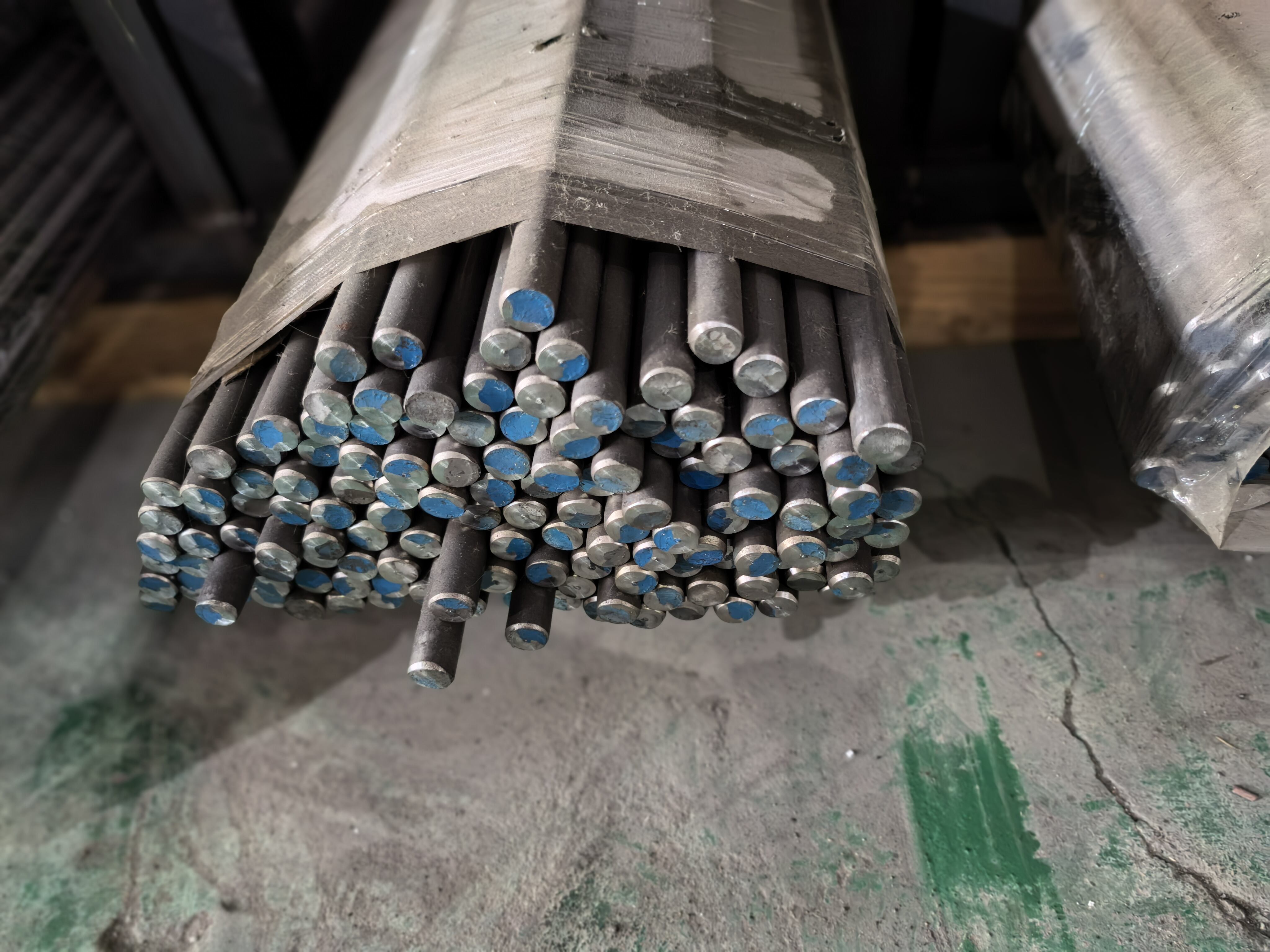
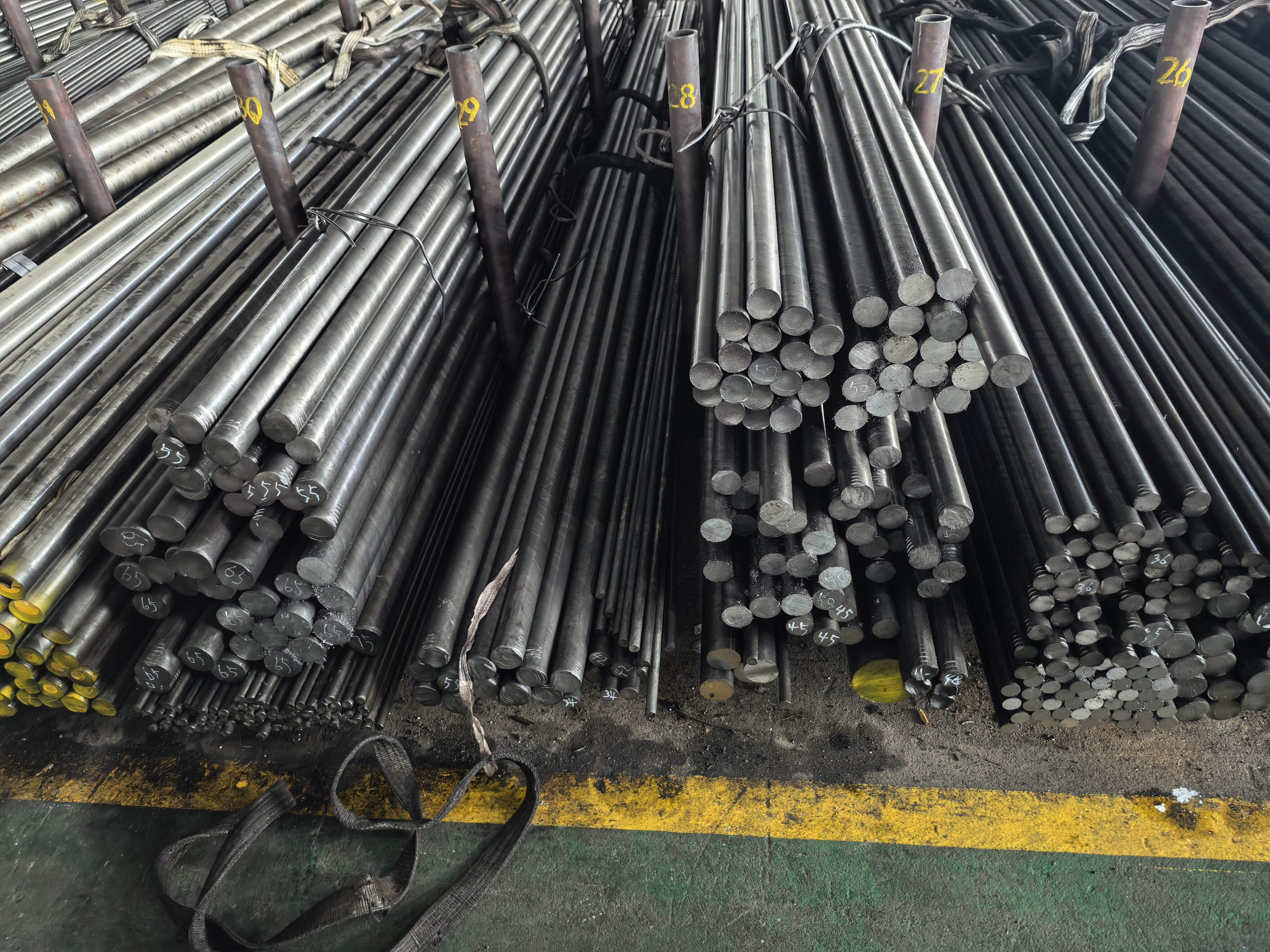
Premium Drilling High Speed Steel Tools - Superior Performance & Extended Tool Life

All Categories

drilling high speed steel

Drilling high speed steel represents a revolutionary advancement in metalworking technology, specifically engineered to deliver exceptional performance in demanding drilling applications. This specialized alloy combines tungsten, molybdenum, vanadium, and cobalt with high-carbon steel to create a material that maintains its hardness and cutting edge even at elevated temperatures generated during high-speed operations. The primary function of drilling high speed steel centers on providing superior drilling capabilities across various materials, from soft metals to hardened steels, while maintaining dimensional accuracy and extended tool life. The technological features of this material include exceptional heat resistance, superior wear resistance, and remarkable toughness that prevents chipping and breakage under extreme conditions. Manufacturing processes involve precise heat treatment protocols that optimize the microstructure, resulting in fine carbide distribution throughout the steel matrix. This controlled metallurgy ensures consistent performance characteristics across different tool geometries and sizes. The applications of drilling high speed steel span multiple industries, including automotive manufacturing, aerospace engineering, construction, and general machining operations. Tool manufacturers utilize this material to produce twist drills, step drills, countersinks, and specialized boring tools that require precise hole creation in challenging materials. The steel's ability to maintain sharp cutting edges at high rotational speeds makes it indispensable for production environments where efficiency and accuracy are paramount. Quality control measures ensure that each batch of drilling high speed steel meets stringent specifications for chemical composition, hardness levels, and microstructural integrity. This consistency enables manufacturers to produce reliable drilling tools that deliver predictable performance across various operating conditions, making drilling high speed steel an essential component in modern manufacturing processes.

New Products

The advantages of drilling high speed steel extend far beyond basic functionality, delivering tangible benefits that directly impact operational efficiency and cost-effectiveness for manufacturers and machinists. Enhanced heat resistance stands as the most significant advantage, allowing tools to operate at temperatures exceeding 600 degrees Celsius without losing their cutting ability. This thermal stability translates to faster drilling speeds, increased productivity, and reduced cycle times in production environments. The superior wear resistance of drilling high speed steel ensures tools maintain their cutting geometry longer, resulting in consistent hole quality throughout extended use periods. Users experience fewer tool changes, reduced downtime, and lower overall tooling costs per part produced. The material's exceptional toughness prevents catastrophic tool failure, protecting expensive workpieces from damage and maintaining production schedules without unexpected interruptions. Drilling high speed steel demonstrates remarkable versatility across different materials, eliminating the need for multiple specialized tools and simplifying inventory management. This adaptability reduces setup times and allows operators to switch between different workpiece materials without changing cutting tools. The precision achievable with drilling high speed steel tools ensures tight tolerances and excellent surface finishes, reducing secondary operations and improving overall part quality. Cost savings accumulate through extended tool life, reduced scrap rates, and improved manufacturing efficiency. The material's consistent performance characteristics enable predictable machining processes, facilitating better production planning and resource allocation. Drilling high speed steel tools require minimal maintenance beyond standard regrinding procedures, making them user-friendly for operators with varying skill levels. Environmental benefits emerge through reduced tool consumption and decreased waste generation compared to conventional materials. The reliable performance of drilling high speed steel supports lean manufacturing principles by minimizing variability in machining processes and enabling continuous improvement initiatives. Quality assurance becomes more manageable with drilling high speed steel tools because their consistent behavior reduces process variations that can lead to defects.

Tips And Tricks

Strength and Durability of Alloy Steel

08

Jul

Strength and Durability of Alloy Steel

What is Alloy Steel? Alloy steel, integral to various industrial applications, is fundamentally a mixture of iron enhanced with key elements such as carbon, manganese, chromium, and nickel. Each of these elements plays a specific role in augmenting ...
View More
Is material fatigue the main cause of cracking in hot-work die steel?‌

31

Oct

Is material fatigue the main cause of cracking in hot-work die steel?‌

Understanding the Complex Nature of Hot-Work Die Steel Failures In the world of industrial manufacturing, hot-work die steel plays a crucial role in shaping and forming metals at elevated temperatures. While material fatigue is often cited as a prima...
View More
How to balance wear resistance and toughness in die steel?‌

31

Oct

How to balance wear resistance and toughness in die steel?‌

Achieving Optimal Properties in Tool Steel Manufacturing The delicate balance between wear resistance and toughness represents one of the most critical challenges in die steel production. Engineers and metallurgists constantly strive to achieve this ...
View More
Can PM high-speed steel eliminate segregation defects?

31

Oct

Can PM high-speed steel eliminate segregation defects?

Understanding the Revolutionary Impact of Powder Metallurgy in High-Speed Steel Production The metallurgical industry has witnessed a significant transformation with the advent of powder metallurgy (PM) technology in high-speed steel manufacturing. P...
View More

Get a Free Quote

Our representative will contact you soon.
Email
Name
Company Name
Message
0/1000

drilling high speed steel

Exceptional Heat Resistance and Thermal Stability

Exceptional Heat Resistance and Thermal Stability

The exceptional heat resistance of drilling high speed steel represents a fundamental breakthrough in cutting tool technology that transforms manufacturing capabilities across multiple industries. Unlike conventional carbon steel tools that lose their hardness at relatively low temperatures, drilling high speed steel maintains its cutting properties at temperatures exceeding 600 degrees Celsius, enabling operations at significantly higher cutting speeds without tool degradation. This thermal stability results from the carefully engineered alloy composition, where tungsten and molybdenum carbides remain stable at elevated temperatures, preserving the tool's hardness and wear resistance. The practical implications of this heat resistance extend throughout manufacturing operations, allowing machinists to increase spindle speeds and feed rates while maintaining excellent hole quality and dimensional accuracy. Higher cutting speeds translate directly to reduced cycle times, increased throughput, and improved productivity metrics that impact bottom-line profitability. The thermal properties of drilling high speed steel also enable dry machining operations in many applications, eliminating the need for cutting fluids and reducing environmental impact while simplifying setup procedures. This capability proves particularly valuable in aerospace and medical device manufacturing where contamination from cutting fluids must be avoided. The heat resistance characteristic ensures consistent tool performance across varying operating conditions, from high-volume production runs to intermittent machining cycles. Operators can maintain aggressive cutting parameters without fear of premature tool failure, enabling more efficient production scheduling and resource utilization. The thermal stability also contributes to improved surface finish quality on drilled holes, as the tool maintains its sharp cutting edge throughout extended use periods. This consistent performance reduces the need for secondary finishing operations, further enhancing overall manufacturing efficiency and reducing per-part production costs.
Superior Wear Resistance and Extended Tool Life

Superior Wear Resistance and Extended Tool Life

Superior wear resistance distinguishes drilling high speed steel as an exceptional investment for manufacturing operations seeking to optimize tooling costs and maximize operational efficiency. The advanced metallurgy of drilling high speed steel incorporates hard carbide particles uniformly distributed throughout a tough steel matrix, creating a microstructure that resists abrasive wear while maintaining fracture toughness. This unique combination enables tools to maintain their cutting geometry and dimensional accuracy through thousands of holes, significantly extending service life compared to conventional drilling materials. The practical benefits of extended tool life manifest in multiple ways throughout manufacturing operations, beginning with reduced tool change frequency that minimizes production interruptions and maximizes machine utilization. Operators spend less time on tool changes and more time on productive machining, directly improving overall equipment effectiveness and throughput rates. The consistent wear pattern of drilling high speed steel tools allows for predictable tool life calculations, enabling better production planning and inventory management strategies. Quality benefits emerge as tools maintain their cutting edge sharpness longer, ensuring consistent hole dimensions and surface finishes throughout the tool's service life. This consistency reduces variation in manufactured parts and minimizes scrap rates that can significantly impact production costs. The superior wear resistance also enables the use of higher cutting speeds and feed rates without accelerated tool wear, allowing manufacturers to optimize their processes for maximum efficiency. Cost analysis reveals that while drilling high speed steel tools may have higher initial costs, the extended service life and improved performance characteristics result in lower per-hole tooling costs and better return on investment. Maintenance requirements remain minimal, as the wear-resistant properties reduce the frequency of tool regrinding operations while maintaining excellent reconditioning results when sharpening becomes necessary.
Versatile Performance Across Multiple Materials

Versatile Performance Across Multiple Materials

The versatile performance capability of drilling high speed steel across multiple materials represents a strategic advantage that simplifies tooling requirements while enhancing manufacturing flexibility and operational efficiency. This remarkable adaptability stems from the balanced composition and heat treatment of drilling high speed steel, which creates optimal hardness and toughness characteristics suitable for machining everything from soft aluminum alloys to hardened tool steels. Manufacturing operations benefit significantly from this versatility by reducing tool inventory requirements, as a single drilling high speed steel tool can effectively machine multiple material types without compromising performance or hole quality. This capability proves particularly valuable in job shop environments and prototype manufacturing where material varieties change frequently, eliminating the need for extensive tool libraries and simplifying setup procedures. The consistent performance across different materials enables operators to maintain standardized cutting parameters and machining procedures, reducing training requirements and minimizing setup errors that can lead to scrap parts or tool damage. Quality control becomes more manageable when using drilling high speed steel tools because their predictable behavior across various materials reduces process variables that can affect dimensional accuracy and surface finish. The material versatility also supports lean manufacturing initiatives by enabling single-tool solutions that reduce changeover times and improve production flow efficiency. Economic benefits accumulate through reduced tooling investments, simplified procurement processes, and decreased storage requirements for cutting tools. Engineering advantages emerge as product designers gain confidence in specifying multiple materials within single assemblies, knowing that drilling high speed steel tools can accommodate various material requirements without process modifications. The versatility characteristic also facilitates rapid prototyping and design changes, as engineers can modify material specifications without requiring corresponding changes to manufacturing processes or tooling strategies. This flexibility proves essential in today's dynamic manufacturing environment where responsiveness to market demands and design modifications directly impacts competitive positioning and customer satisfaction levels.
Premium Drilling High Speed Steel Tools - Superior Performance & Extended Tool Life

Get a Free Quote

Our representative will contact you soon.
Email
Name
Company Name
Message
0/1000